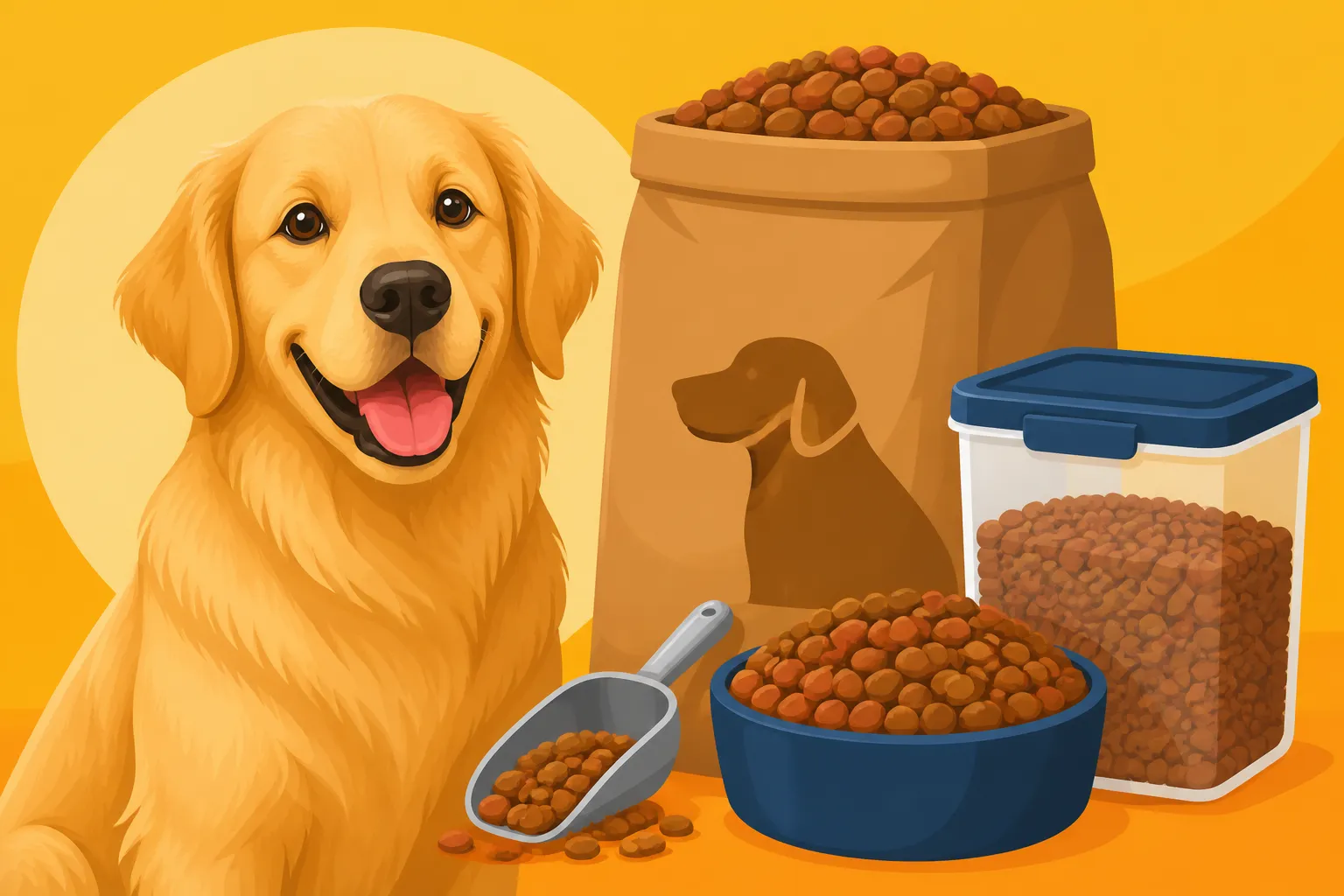
Buying a Golden Retriever’s Food in Bulk
One of the most persistent worries for any Golden Retriever owner is the ongoing cost of keeping our beloved companions healthy and happy, especially when it comes to their food. We often find ourselves making frequent trips to the pet store, wrestling with smaller bags, or watching our grocery budget shrink faster than we’d like. This guide is here to walk you through the world of buying your Golden Retriever’s food in bulk, exploring how it can save you money, time, and ensure your furry friend always has a fresh, consistent meal waiting.
Why Buying Golden Retriever Food in Bulk Makes Sense (and Scents!)
Let's face it, our Golden Retrievers are not small dogs. They eat a significant amount of food throughout their lives, from their rambunctious puppy days right through to their senior years. This continuous need for sustenance means that food costs can quickly add up, becoming one of the most substantial recurring expenses in a Golden's lifetime. Beyond the sheer volume, there's the mental load of constantly checking how much kibble is left and adding it to the shopping list. Bulk buying isn't just about getting a bigger bag; it's about smart planning and maximizing value.
The practical benefits extend beyond just the financial. Imagine fewer frantic last-minute dashes to the store because you're down to the last scoop. Picture the peace of mind knowing you have a reliable supply, especially if your Golden is on a specific diet that might not always be readily available in smaller quantities at every store. It also streamlines your routine, freeing up time you can spend on walks, training, or simply cuddling your Golden.
Cost Savings Over Time
The most immediate and obvious benefit of buying your Golden Retriever’s food in bulk is the potential for significant cost savings. Think of it like buying anything in larger quantities: the unit price almost always drops. A 30-pound bag of premium kibble often costs less per pound than two 15-pound bags of the exact same food. Over the lifespan of a Golden Retriever, which can be Golden Retriever Lifespan and What Shortened It, these savings can truly add up.
Consider a hypothetical scenario: if your adult Golden Retriever eats roughly three cups of food a day, and a 30-pound bag contains approximately 120 cups, that bag lasts about 40 days. If you're saving even a few dollars per bag by buying in bulk, say $5, and you go through about 9 bags a year, that's $45 in savings annually. Multiply that by ten years, and you've saved hundreds of dollars. This might not seem like a fortune on its own, but when you factor in other pet expenses like vet visits, toys, and grooming, every dollar saved is a dollar well-spent on your Golden's well-being.
These savings can be particularly impactful when you consider the overall What a Golden Retriever Costs Every Year After factoring in food. Many online retailers and large pet supply stores offer additional discounts or loyalty programs for bulk purchases, sometimes with free shipping on larger orders. This further enhances the cost-effectiveness, especially for those who might otherwise struggle with transporting heavy bags of food from a physical store to their home.
Convenience and Consistency
Beyond the financial aspect, the convenience of bulk buying is a huge draw for busy Golden Retriever owners. How many times have you scooped out the last bit of kibble from the bag, only to realize you completely forgot to pick up more? With a bulk supply, those frantic moments become a thing of the past. You’re simply topping up your daily food bin from a larger, readily available source, minimizing those last-minute rushes.
This consistent supply also plays a crucial role in maintaining your Golden’s dietary health. A sudden switch in food, even if it's the same brand but a different batch or formula, can sometimes lead to an upset stomach. By having a larger, consistent supply on hand, you reduce the likelihood of running out and being forced to buy an alternative in a pinch. This consistency is particularly important for Goldens with sensitive digestion or Golden Retriever Food and Skin Allergies, where even minor changes can trigger adverse reactions.
For many, bulk buying also ties into the concept of autoship programs offered by retailers like Chewy. Setting up an automatic delivery schedule for your Golden’s favorite large bag of food means one less thing to remember. The food simply arrives at your doorstep before you run out, often with an additional discount. This blend of convenience, consistent supply, and cost savings makes a strong case for integrating bulk purchasing into your Golden Retriever care routine.
Environmental Impact Less Packaging
While not always the primary driver for owners, considering the environmental impact of our purchasing choices is becoming increasingly important. Buying in bulk generally means less packaging material per pound of food. Instead of multiple smaller bags, you’re dealing with one larger bag, which translates to less plastic waste over time.
For some dedicated Golden Retriever families, this reduction in waste is a meaningful perk. It aligns with a broader desire to lessen their carbon paw print, contributing to a more sustainable lifestyle. Every little bit helps, and choosing larger bags when possible is a simple step that can make a difference over years of dog ownership.
However, it's worth noting that this benefit is most pronounced when the bulk food is properly stored and consumed entirely. If food spoils due to improper storage, the environmental benefit is negated by the waste of both food and packaging. This brings us to a crucial point: responsible bulk buying requires careful consideration of storage and freshness.
What to Consider Before Committing to Bulk Purchases
While the benefits of buying in bulk for your Golden Retriever seem compelling, it's not a decision to make lightly. There are several practical considerations that every owner should thoroughly evaluate before stockpiling massive quantities of kibble. Rushing into bulk purchases without a solid plan can lead to wasted food, frustrated efforts, and even potential health issues for your beloved companion.
The biggest mistake people make is underestimating the real-world challenges that come with managing large quantities of perishable goods. You're not just buying a bigger bag; you're committing to ensuring that food remains fresh, safe, and accessible for your Golden Retriever until the very last piece is eaten. This requires a bit of foresight and preparation, but with the right approach, it's completely manageable.
Storage Space is Key
This is perhaps the biggest hurdle for many Golden Retriever owners considering bulk food purchases. A 30 to 40-pound bag of dog food takes up a significant amount of space, and it's not something you can just tuck away anywhere. Ideal storage requires a cool, dry place, away from direct sunlight and extreme temperatures. A pantry, a dedicated utility closet, or a section of a garage that isn't prone to excessive heat or humidity are common choices.
Beyond just finding a spot, you need to think about pest control. A large bag of dog food is an open invitation for rodents, insects, and even curious house pets (including your Golden!). Investing in air-tight, food-grade storage containers is not optional; it’s essential. These containers protect the food from moisture, oxidation, and unwelcome visitors. Without proper storage, your bulk purchase quickly becomes a risk of spoilage and infestation.
For apartment dwellers or those with smaller homes, finding adequate storage space can be a real challenge. You might need to consider if your current living situation truly accommodates a bulk supply, or if smaller, more frequent purchases are actually more practical despite the slightly higher cost per pound. Remember, if you can’t store it properly, buying in bulk isn’t really saving you money—it’s just leading to wasted food.
Shelf Life and Freshness Concerns
Dog food, particularly kibble, does not last indefinitely. While manufacturers print "best by" dates on bags, these dates typically refer to an unopened bag stored in ideal conditions. Once a bag is opened, the food immediately begins to oxidize and lose freshness. Fats can go rancid, and vitamins can degrade, especially if exposed to air, light, and humidity. This is a critical point when you are feeding an adult Golden Retriever twice a day, every day, from a large bag.
A typical large bag of kibble, once opened, is generally recommended to be consumed within 4-6 weeks to ensure optimal freshness and nutritional integrity. If your Golden Retriever goes through a 30-pound bag in a month, great! If it takes two or three months, you might find the food at the bottom of the bag is less appealing, less nutritious, and potentially even rancid. This is a primary reason why fast growth damages a Golden Retriever's joints—poor nutrition from spoiled or nutritionally degraded food can certainly contribute to general health issues.
For those considering fresh food subscriptions like Ollie, the concept of "bulk" is different. While you might subscribe to a larger quantity delivered less frequently, the food itself is often portioned and frozen, designed for shorter-term storage and immediate use upon thawing. Always check the manufacturer's recommendations for opened and unopened shelf life, especially if you're exploring Feeding a Golden Retriever a Fresh Food Subscription versus traditional kibble.
Your Golden's Dietary Needs
Our Golden Retrievers are creatures of habit, but their needs can change. A puppy has different nutritional requirements than a senior Golden. Puppies need specific formulations to support their rapid growth without overdoing calcium, which can contribute to orthopedic issues. Older Goldens, meanwhile, might need fewer calories or joint support. This is where looking at Golden Retriever Puppy Feeding Amounts and Schedule will differ greatly from Feeding a Senior Golden Retriever.
What if your Golden suddenly develops a food allergy, or your vet recommends a prescription diet for a health issue? If you’ve just purchased 80 pounds of their previous food, you're left with a substantial amount of unusable food and a sunk cost. While the likelihood of an abrupt, unheralded dietary change might be low, it's a possibility that carries more financial risk with bulk buying. Always consider that their tastes might even change, or they could become picky, leading to a large quantity of food they simply refuse to eat.
Before committing to a large bulk order, consider a trial run with a slightly larger-than-normal bag to gauge consumption rate and your Golden’s continued enthusiasm for the food. It's also wise to check with your vet about their long-term dietary recommendations, especially as your Golden moves through different life stages or if they are prone to issues like Golden Retriever Weight and Joint Damage that might necessitate a specific diet.
Where to Find Golden Retriever Food in Bulk
Once you've decided that bulk buying is the right move for your Golden Retriever and your household, the next step is figuring out where to actually purchase these larger quantities. The landscape of pet food retail has expanded dramatically, offering more options than ever, each with its own advantages and disadvantages. From the click of a mouse to a trip to a warehouse store, you have choices that cater to different preferences for convenience, price, and selection.
Navigating these options means considering not just the initial sticker price, but also factors like shipping costs, brand availability, and the ease of setting up recurring deliveries. It’s about finding a source that consistently meets your Golden’s dietary needs while fitting seamlessly into your budget and lifestyle.
Online Retailers and Subscription Services
For sheer convenience, online retailers have become a go-to for many Golden Retriever owners looking to buy food in bulk. Websites like Chewy are incredibly popular, offering a vast selection of brands, bag sizes, and often competitive pricing. The ability to have heavy bags of food delivered directly to your door, sometimes with free shipping on larger orders, is a game-changer for those who find transporting 30+ pound bags challenging.
Many of these online platforms also offer "autoship" or subscription services. This means you can schedule recurring deliveries of your Golden’s preferred bulk food at an interval that matches their consumption rate. Not only does this save you from remembering to reorder, but these services frequently come with an additional discount on top of the already lower bulk price. It’s a win-win for consistency and savings. For example, if your Golden goes through their food at a predictable rate, you can set up a delivery every 6 weeks for a 30lb bag, ensuring you never run out and get a regular discount.
For those considering alternatives to traditional kibble, some fresh food services, such as Ollie, also operate on a subscription model. While these aren't "bulk bags" in the traditional sense, they deliver fresh, pre-portioned meals in quantities designed to last for a set period. This provides a similar benefit of consistent supply and automated delivery, although the cost structure and storage requirements (often refrigeration or freezing) are different from dry kibble. Comparing options requires careful attention to ingredients and nutritional profiles, which you can learn more about in Reading a Dog Food Label for a Golden Retriever.
Pet Supply Stores and Local Co-ops
Don't overlook the brick-and-mortar options when searching for bulk dog food. Large chain pet supply stores, like PetSmart or Petco, typically carry a wide range of major dog food brands in larger bag sizes. While their per-pound pricing might sometimes be slightly higher than online-only retailers, they often have loyalty programs, special sales, or coupons that can bring the cost down. Plus, you get the immediate gratification of walking out with the food right then and there.
Local pet stores or feed stores, especially in more rural areas, can also be excellent resources. These establishments often cater to owners of larger dogs and livestock, meaning they frequently stock bigger bags of premium dog foods. Sometimes, they might even be able to place special orders for you if there’s a specific brand or size you’re looking for. Supporting local businesses is an added bonus, and the staff can often offer personalized advice based on their experience with local customers and their pets.
Another option to explore is pet food co-ops or community buying groups. These groups pool orders from multiple owners to buy directly from manufacturers or distributors in truly massive quantities, passing the bulk savings on to their members. This requires a bit more coordination and commitment, but the potential savings can be substantial. It's also a great way to connect with other Golden Retriever owners in your area and share knowledge about What a Golden Retriever Costs a Month All In.
Manufacturer Direct Programs
While less common for all brands, some premium dog food manufacturers offer direct purchasing options, especially for their larger bag sizes or for specific lines of food. This could be through their own website or a dedicated program for breeders or high-volume buyers. These programs might offer exclusive discounts or access to sizes not available through third-party retailers.
It's worth checking the website of your Golden Retriever's preferred dog food brand to see if they have any such programs. You might find unique bulk purchasing opportunities that bypass traditional retail channels, potentially offering the best possible price. Remember that when comparing options like Budget Versus Premium Kibble for a Golden Retriever, manufacturer direct programs can sometimes bridge the cost gap, making premium options more accessible.
However, manufacturer direct programs might have stricter purchasing requirements, such as minimum order quantities that are even larger than what you’d find at a retailer. They might also have different shipping policies or limited delivery areas. Always do your homework and compare the total cost, including shipping, with other retailers before committing.
Practical Tips for Storing and Managing Bulk Dog Food
Buying your Golden Retriever's food in bulk is only half the battle; the other half is ensuring that big bag of goodness stays fresh, safe, and palatable until your furry friend has devoured every last kibble. Improper storage can quickly negate any cost savings and, more importantly, can lead to spoiled food that could make your Golden sick. It's about setting up a system that keeps the food in optimal condition while making daily feeding a breeze.
Think of it like preserving your own groceries – you wouldn't leave a 25-pound bag of rice open on the counter. Dog food, despite being "dry," is still a perishable product. Implementing smart storage and management strategies is crucial to protecting your investment and, most importantly, your Golden Retriever's health.
Proper Storage Containers
As mentioned earlier, investing in high-quality, air-tight, food-grade storage containers is non-negotiable when buying bulk dog food. These aren't just fancy accessories; they are essential for preserving freshness and protecting against pests. Look for containers made of durable plastic or metal that have a secure, sealing lid. Many Golden Retriever owners find that large plastic bins with rubber gaskets, often designed specifically for pet food, work best.
It's also a good idea to have a smaller, more manageable daily food bin or scoop container. Instead of repeatedly opening and closing the massive bulk container, you can transfer a week's worth of food into this smaller bin. This limits the exposure of the main bulk supply to air and moisture, helping to maintain its freshness for longer. Always ensure both your bulk container and your daily bin are kept scrupulously clean to prevent the buildup of oils or food residue that can go rancid.
For very large bulk purchases, you might even consider multiple medium-sized containers rather than one gigantic one. This can make the food easier to handle and move around, and if one container somehow gets compromised (e.g., a lid breaks), the entire supply isn't at risk. Think about how much an adult Golden Retriever eats daily and choose a container size that makes sense for your feeding routine and storage space.
FIFO First In, First Out Method
This is a simple but incredibly effective principle borrowed from inventory management, and it applies perfectly to bulk dog food. FIFO stands for "First In, First Out." It means that when you get a new bag of food, you should always ensure that the oldest food is consumed first. This prevents older food from sitting at the bottom of the container indefinitely, degrading in quality or going stale.
When you purchase a new bulk bag, instead of simply dumping the new food on top of the old, try to empty your existing container completely, clean it, and then pour in the fresh food. If that’s not practical, and you're simply refilling a container, try to consolidate the remaining old food to the top so it's used first. Keeping track of "best by" dates on the original bags can help you manage this, even if you transfer the food to a new container.
This method is especially important if you’re using different batches of the same food, as slight variations can occur. Consistently cycling through your supply ensures your Golden Retriever is always getting the freshest, most nutritionally potent kibble. It's a small habit that makes a big difference in maintaining optimal diet quality.
Maintaining Freshness
Beyond air-tight containers, there are other strategies to keep your Golden Retriever’s bulk food fresh. One common recommendation is to keep the kibble in its original bag, even when placing it inside a larger storage container. The original bag is often designed with a grease-resistant lining and sometimes even a resealable feature, which provides an extra layer of protection against air and moisture. Simply fold down the top of the bag securely before placing it into your rigid storage container.
Temperature and humidity are also critical. Store the food in a cool, dry place. Avoid storing dog food in direct sunlight, in garages that get extremely hot or cold, or in damp basements. Fluctuations in temperature can cause condensation inside containers, leading to mold or bacterial growth. Excessive heat can also speed up the rancidification of fats in the kibble, impacting palatability and nutritional value. For a deeper dive into how environmental factors affect your dog, consider learning about Golden Retriever Heat Tolerance and Overheating.
Finally, always use a clean scoop for dispensing food. Don't use your Golden's eating bowl, which might have slobber or food residue, to scoop directly from the bulk container. This can introduce moisture and bacteria into the main food supply. A dedicated scoop, kept clean and dry, is a simple tool that helps maintain the overall freshness and hygiene of your Golden Retriever's bulk food supply.
| Storage Method | Pros | Cons | Best For |
|---|---|---|---|
| Original Bag in Bin | Best for freshness (bag lining), pest-proof | Requires large bin, can be heavy to lift | Most owners, ensures freshness and pest protection |
| Food Directly in Bin | Easier scooping, cleaner aesthetic | Less protection from oxidation if bin isn't truly airtight, harder to clean thoroughly after each batch | Owners with truly airtight bins, frequent cleaning routine |
| Small Daily Dispenser | Convenient for daily use, limits exposure of bulk supply | Still requires bulk storage, extra step of refilling small dispenser | All bulk buyers, for daily ease and maintaining freshness of main supply |
| Freezing (Small Batches) | Extends shelf life significantly, ideal for fresh/raw food | Requires freezer space, not practical for large quantities of kibble | Fresh/raw food diets, very small kibble batches, treats |
Disclaimer
This article is for general informational purposes only and does not constitute professional advice. Laws, prices and regulations vary by location and change over time. Consult a qualified professional for guidance on your specific situation.