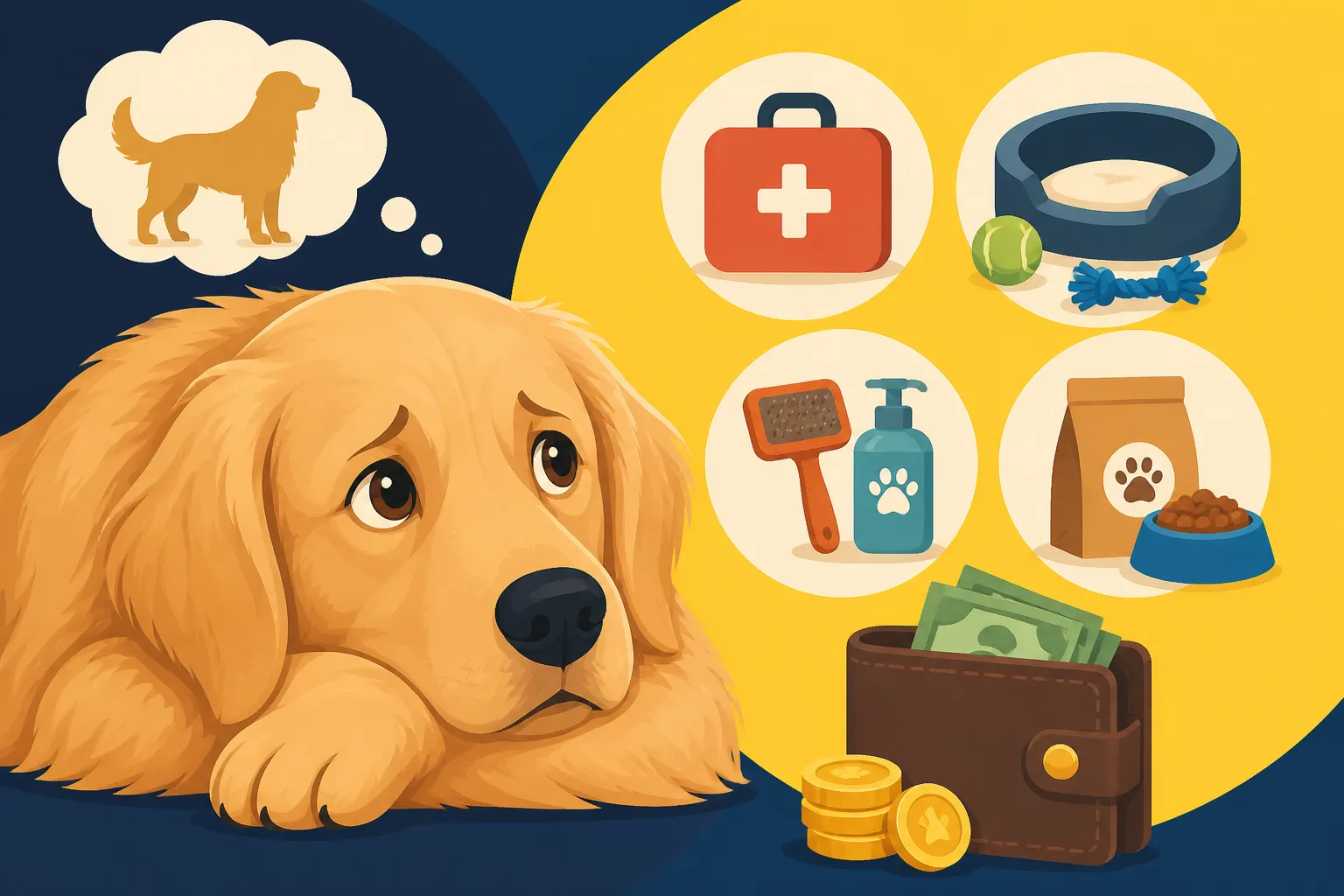
Hidden Costs in a Golden Retriever’s Second Year
Oh, the second year with a Golden Retriever! Many new owners breathe a sigh of relief once that whirlwind first year of puppy vaccinations, endless chewing, and intensive potty training is mostly behind them. They think they’ve seen the peak of expenses, that everything will just… normalize. But let me tell you, as a veteran Golden parent, the second year often brings its own unique set of "hidden" costs that can catch even the most prepared owners off guard. It's not always about new major purchases, but rather the subtle shifts and continuing needs of a maturing, energetic dog. This guide is here to shed light on those less obvious expenses, so you're not left scratching your head when your budget suddenly feels a little lighter.
The Evolving Health Landscape Beyond Puppyhood
While your Golden Retriever might be past the initial flurry of puppy shots, their second year isn't a free pass from veterinary visits or health-related expenses. In fact, this is often when new patterns emerge, and some foundational health needs transition from puppy-specific care to adult preventative and responsive care.
Routine Vet Visits and Emerging Concerns
You're likely done with the constant stream of puppy booster shots, which is a relief for both your wallet and your Golden's patience at the vet. However, year two is crucial for solidifying adult vaccination protocols, including annual boosters for things like rabies, distemper/parvovirus, and possibly Lyme or leptospirosis if you live in an endemic area. These aren't as frequent as puppy visits, but they are absolutely non-negotiable for their long-term health.
Beyond vaccinations, this second year is often when subtle health issues begin to manifest. It’s common to see the first signs of environmental allergies, which can lead to itchy skin, paw licking, or recurrent ear infections. Your vet might suggest allergy testing, specialized diets, or ongoing medications, all of which come with their own price tag. Also, with Goldens known for orthopedic issues, this is a prime time to watch for any subtle changes in gait or activity that might hint at conditions like hip or elbow dysplasia. Even minor limps after play warrant a vet visit, as early intervention can make a huge difference. For a deeper dive into common health concerns, you might want to read about Golden Retriever Skin, Ear and Allergy Problems.
Dental Care and Preventative Health
One area many owners overlook until it's too late is dental health. By their second year, most Golden Retrievers have all their adult teeth, and tartar and plaque can already start accumulating. Your vet might recommend a professional dental cleaning, which requires anesthesia and can be a significant expense. It's often not covered by basic pet insurance plans unless it's for an injury, highlighting the importance of preventative care.
Investing in daily tooth brushing with dog-specific toothpaste, dental chews, and appropriate chew toys can help reduce the frequency of professional cleanings, but it requires consistency from you. Even with the best home care, many Goldens will need a professional cleaning every few years. Thinking ahead about these costs is essential, as poor dental health can lead to more serious systemic issues down the line, affecting their heart, kidneys, and liver. Early intervention here saves you much larger vet bills later on.
Navigating the Teenage Phase: Training and Behavioral Needs
Ah, the Golden Retriever "teenage phase" – it's a real thing, and it often hits right around their second year. This period can bring with it a whole new set of behavioral challenges and the need for continued, and sometimes more advanced, training. Don't let anyone tell you that once they're out of puppyhood, training is "done." For a Golden, it’s a lifelong journey!
The Adolescent Rollercoaster and Continued Training
During their second year, Goldens are often bursting with energy, confidence, and sometimes a newfound stubbornness. That perfectly house-trained puppy might suddenly have an "accident," or the reliable recall you worked so hard on might inexplicably vanish at the dog park. This isn't usually malicious; it's often a developmental stage known as The Golden Retriever Teenage Regression. Their brains are still maturing, and their hormones are raging.
This means continued investment in training, whether it's enrolling in intermediate obedience classes, working with a private trainer for specific issues, or joining dog sports like agility or rally. These activities are fantastic for mental and physical stimulation, but they do come with class fees, travel costs, and specialized equipment. You might find yourself seeking out a behaviorist if more complex issues like separation anxiety or resource guarding develop. These professional consultations can be invaluable but definitely add to the year's expenses. It’s better to nip these issues in the bud than let them become ingrained adult habits. For insight into what these programs might cost, check out Golden Retriever Training Class Costs.
Mental and Physical Enrichment
A bored Golden Retriever is a destructive Golden Retriever – and in their second year, they have the strength and determination to be truly destructive. Their physical exercise needs are substantial, but so are their mental stimulation requirements. This translates to costs for a variety of durable chew toys, puzzle feeders, and engaging activities. Think about investing in a subscription box specifically for super chewers or frequently replacing toys from a place like Chewy that stand up to their powerful jaws.
If you work long hours, you might also consider doggy daycare or hiring a dog walker. These services provide essential physical outlets and social interaction, preventing boredom and potential behavioral problems at home. While not "hidden" in the sense of being unknown, the extent to which a maturing Golden needs these can be a surprise. They're no longer content with just a short walk around the block; they need purposeful activity to tire their bodies and minds. Learn more about ways to keep their minds sharp in Mental Enrichment for a Bored Golden Retriever.
Sustaining a Growing Appetite and Lifestyle
Your Golden Retriever isn't just growing physically in their second year; their lifestyle needs are solidifying. This impacts everything from what they eat to the gear they use, and these costs accumulate surprisingly quickly.
Food Transitions and Dietary Considerations
The switch from high-calorie puppy food to adult formula is often made around the one-year mark, but that doesn't mean your food expenses will necessarily decrease. Adult Goldens are large, active dogs with hearty appetites. You might even find yourself upgrading to a higher-quality kibble if you notice any sensitivities or want to provide optimal nutrition.
Some owners explore fresh food diets, like those offered by Ollie, which can significantly increase monthly food bills compared to traditional kibble. These options are wonderful for many dogs, but they require a consistent financial commitment. It’s also during this time that you might notice food allergies or intolerances, necessitating a trial-and-error approach with limited ingredient diets or prescription foods, which are typically more expensive. And let’s not forget treats! Training and rewarding a Golden never stops, and those healthy, high-value treats add up over a year. To get a better handle on this, consider exploring Golden Retriever Food Costs Per Month.
Grooming and Gear Upgrades
That beautiful Golden coat? It sheds. A lot. Especially during their "coat blows" in spring and fall. While you might have managed with basic brushing as a puppy, the second year often demands more serious grooming tools, or regular professional grooming appointments. Investing in a good undercoat rake, deshedding shampoo, and a high-velocity dryer can be a cost, but so can a trip to a professional groomer every few months to keep mats at bay and manage shedding.
Beyond grooming, consider the wear and tear on their everyday gear. A growing, active Golden will likely outgrow or destroy their puppy collar and leash. Their puppy bed, if it survived, might be too small or completely flattened. You’ll need a durable, adult-sized crate, a comfortable orthopedic bed (especially as they get heavier), and perhaps a sturdy car harness for safety. Goldens love to chew, and the cost of Replacing What a Golden Retriever Chews can be a recurring, sometimes surprising, expense throughout their adolescence. All these upgrades, while necessary, contribute to the hidden costs of their second year. For detailed grooming expenses, check out Golden Retriever Grooming Costs Per Year.
Planning for the Unexpected: Insurance and Emergency Funds
Even with the best preventative care and a healthy diet, life with a Golden Retriever will inevitably throw a curveball. The second year is a prime time to ensure you have a robust financial safety net in place for the inevitable unexpected vet visits.
Pet Insurance in Adulthood
If you haven't already invested in pet insurance during their puppy year, the second year is still an excellent time to do so. As they approach full maturity, the risk of developing conditions that could be considered "pre-existing" by insurance companies increases. Hip and elbow dysplasia, allergies, and certain heart conditions are common in the breed and, once diagnosed, might not be covered by a new policy.
Providers like Healthy Paws offer comprehensive plans that can cover accidents, illnesses, surgeries, and emergency care. While there's a monthly premium, having that safety net can make a world of difference when a sudden illness or injury requires expensive diagnostics or treatment. Imagine your adventurous Golden tearing a ligament or swallowing something they shouldn't – the bills can quickly escalate. Pet insurance helps cushion that blow, allowing you to make medical decisions based on what’s best for your dog, not just your wallet. Understanding Golden Retriever Insurance Premiums by Age can help you budget appropriately.
Building an Emergency Safety Net
Even with pet insurance, an emergency fund remains a crucial component of responsible Golden Retriever ownership. Most insurance policies come with a deductible that you pay out-of-pocket before coverage kicks in, and they often have reimbursement percentages, meaning you're still responsible for a portion of the bill. There are also services, like specialized behavioral training or certain types of preventative care, that may not be covered by insurance.
Having a dedicated savings account for your Golden's emergencies provides peace of mind. It means you won't have to scramble if they need urgent care on a weekend or if a diagnostic test is just outside your insurance coverage. This fund isn't just for dire emergencies; it can also cover unexpected costs like replacing a beloved item they've destroyed or a last-minute boarding fee. It’s about building resilience into your budget for the beloved, often unpredictable, life with a Golden Retriever.
Here’s a quick overview of how some costs might shift from the first year to the second:
| Category | Typical 1st Year Focus | Typical 2nd Year Focus |
|---|---|---|
| Veterinary Care | Puppy shot series, deworming, spay/neuter | Annual boosters, allergy workups, dental planning |
| Food | High-growth puppy formula | Adult maintenance, potential specialty/fresh diets |
| Training | Basic obedience, potty training, bite inhibition | Adolescent regression, advanced classes, behaviorist |
| Gear | Puppy-sized crate, basic toys, small collar | Adult-sized crate, durable chews, orthopedic bed |
| Insurance/Emergencies | Initial policy setup, minor puppy scrapes | Higher deductibles, emergent illness/injury coverage |
| Grooming | Basic brushing, first bath | Regular deshedding, professional trims, nail care |
| Lifestyle/Enrichment | Home play, short walks | Doggy daycare, long hikes, specialized activities |
Understanding these shifts can empower you to budget more effectively and truly enjoy the journey with your amazing Golden. Their second year is often one of immense growth, personality development, and forming an even deeper bond – knowing what to expect financially helps ensure those memories aren't overshadowed by unexpected bills.
Disclaimer
This article is for general informational purposes only and does not constitute professional advice. Laws, prices and regulations vary by location and change over time. Consult a qualified professional for guidance on your specific situation.