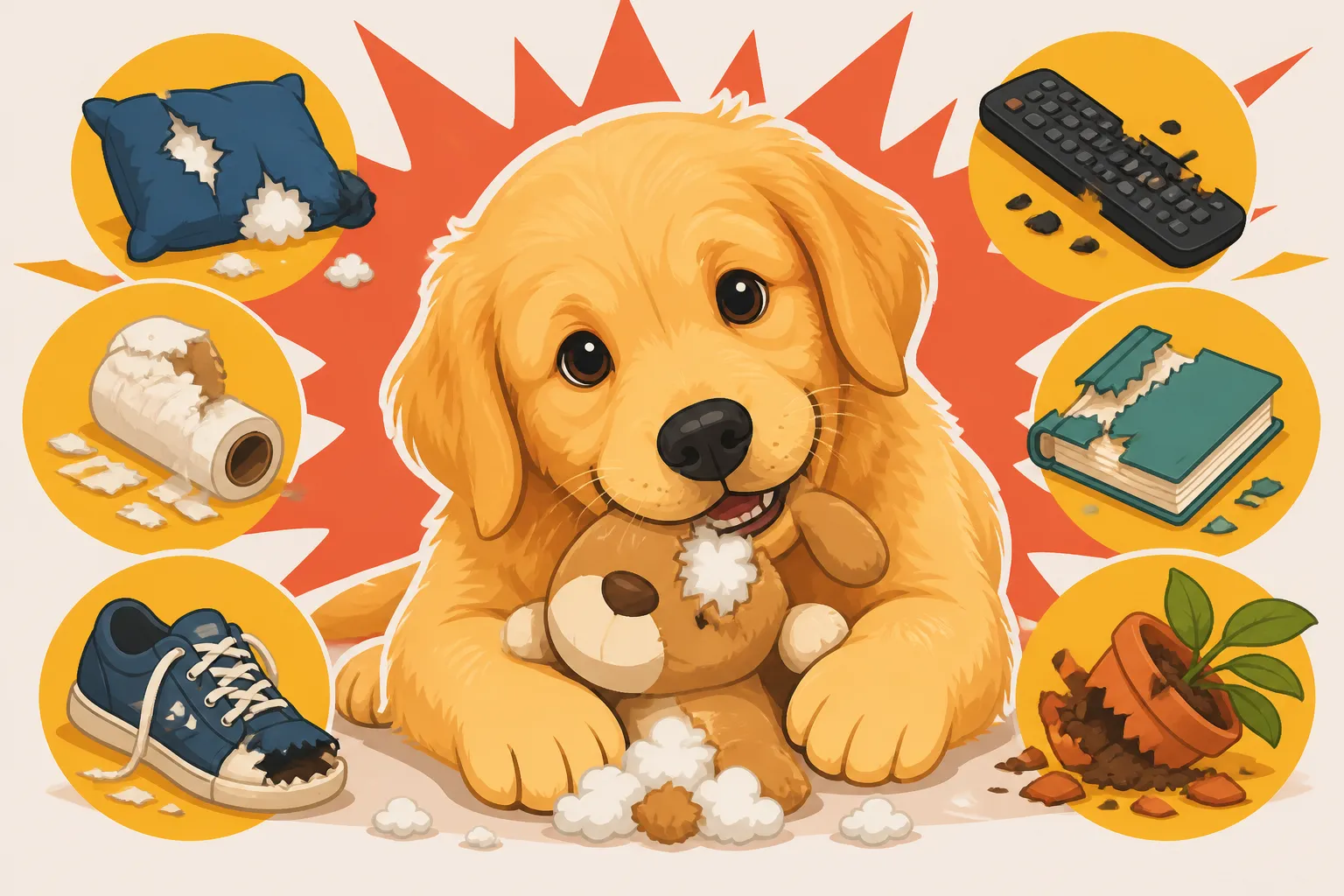
What a Teething Golden Retriever Destroys
Bringing home a Golden Retriever puppy is an absolute whirlwind of joy, excitement, and let's be honest, a fair bit of chaos. Just when you've settled into those adorable puppy cuddles, the teething phase hits like a tiny, furry wrecking ball. Suddenly, your beloved household items transform into irresistible chew toys, leaving you to constantly find shoes gnawed, furniture legs bearing tell-tale tooth marks, and a general feeling that nothing is truly safe. This guide is here to commiserate with your frustrations and, more importantly, to shed light on what a teething Golden Retriever is most likely to target, how to protect your valuables, and strategies to redirect that relentless urge to chew.
The Unstoppable Urge: Why Golden Retrievers Chew So Much During Teething
Understanding why your Golden Retriever puppy is chewing everything in sight is the first step to managing the mayhem. It's not out of malice or spite, but a deeply ingrained instinct driven by developmental needs and physical discomfort. Puppies are much like human babies in this regard; their mouths are how they explore the world, and during teething, it becomes their primary tool for comfort.
Golden Retriever puppies start losing their deciduous (baby) teeth around 3 to 4 months of age, with the adult teeth typically erupting by 6 to 7 months. This period can be incredibly uncomfortable for them. Imagine the constant dull ache, the pressure, and sometimes even sharp pain as new teeth push through their gums. Chewing provides a soothing counter-pressure that helps alleviate this discomfort. It's their way of giving themselves a gum massage, and they're not too particular about what gets the job done. This intense period of oral exploration and discomfort often leads to what feels like insatiable chewing. Knowing this can help you approach the situation with more patience, even when your favorite slipper has met its demise.
Moreover, Golden Retrievers are a breed renowned for their "soft mouths" and natural retrieving instinct. They were bred to carry game gently in their mouths without damaging it, and this strong oral fixation starts early. From a young age, they love to carry, mouth, and explore objects with their powerful jaws. This inherent trait, combined with the discomfort of teething, creates a perfect storm for destructive chewing. It's a fundamental part of their development, both physical and behavioral, as they learn about textures, tastes, and the world around them through their mouths.
Common Household Casualties of Golden Retriever Teething
It often feels like nothing is sacred when a Golden Retriever puppy is in the throes of teething. Their curiosity, combined with their chewing imperative, makes almost anything a potential target. Recognizing the common culprits can help you puppy-proof your home more effectively.
Your shoes are probably the number one item on the hit list. Whether it's those expensive sneakers you just bought, your comfy slippers, or a pair of leather dress shoes, they all offer a fascinating combination of texture, scent (your scent!), and chewability. The laces are particularly enticing, providing a satisfying tugging sensation. This is a battle almost every Golden owner fights, and it’s a direct consequence of their desire for items that smell like their favorite people.
Furniture legs, especially those made of wood, are another prime target. The sturdy, unyielding surface provides excellent resistance for those aching gums, and the rough texture can feel good. Coffee tables, chair legs, and even bed frames often bear the scars of a teething puppy's exploration. Beyond the legs, sometimes a corner of a rug, a loose thread on a blanket, or the edge of a throw pillow might also fall victim, especially if they are within easy reach from a favorite resting spot. Remember that puppies are not just chewing for pain relief; they are also exploring. That new texture, that slightly yielding surface – it's all part of their sensory development.
Personal items are also extremely vulnerable. Remote controls, eyeglasses, cell phones, and even children's toys (especially plastic ones with appealing nooks and crannies) are frequently discovered with tell-tale bite marks. These items are often left carelessly within a puppy's reach on low tables or floors, making them easy pickings. The smaller size of these items also means they can sometimes be ingested, leading to a much more serious situation. This is where keeping valuables put away, ideally on high shelves or in drawers, becomes crucial. Puppies don't know the difference between a cheap plastic toy and your brand-new smartphone.
Lastly, plants and electrical cords represent a serious danger. Houseplants, even those considered non-toxic, can cause upset stomachs, and many are outright poisonous to dogs. Electrical cords, with their tempting wire-like texture, pose an electrocution hazard if chewed through. It's astonishing how quickly a determined puppy can get to a seemingly hidden cord. This isn't just about protecting your belongings; it's about safeguarding your puppy's health and life. Owners need to be extra vigilant about securing these hazards.
| Item Category | Common Targets | Why It's Appealing to a Teething Golden | Potential Damage & Risk |
|---|---|---|---|
| Footwear | Shoes, slippers, boots, sandals | Your scent, varied textures, easy to grab | Destroyed shoes, ingestion of small pieces, choking hazard |
| Furniture | Chair legs, table corners, baseboards | Hard, resistant surface for gum relief, easily accessible | Permanent damage to furniture, splintering, ingestion |
| Personal Items | Remote controls, cell phones, glasses | Small, easy to carry, novel textures, shiny buttons | Costly replacements, battery acid ingestion, choking |
| Clothing & Linens | Socks, underwear, towels, blankets | Soft, fabric texture, absorbs human scent, shreddable | Torn items, ingestion of fabric leading to blockages |
| Children's Toys | Stuffed animals, plastic figures, blocks | Similar to dog toys, varied textures, sometimes squeak | Destruction, ingestion of plastic/stuffing, choking |
| Hazardous Items | Electrical cords, houseplants, medications | Novelty, curiosity, appealing texture (cords) | Electrocution, poisoning, serious illness, death |
Strategies to Protect Your Home and Redirect Chewing
The good news is that while teething is a challenging phase, it's temporary, and there are many effective ways to manage it. The key lies in proactive management, providing appropriate outlets, and consistent training.
First and foremost, environmental management is crucial. This means puppy-proofing your home to the extreme. If you don't want it chewed, put it away. This includes shoes in closets, remotes in high drawers, and valuables stored out of reach. For furniture legs and baseboards that can't be moved, consider deterrent sprays formulated for pets (like Grannick's Bitter Apple) or physical barriers. While some Goldens will lick the bitter spray right off, for others, it can be a lifesaver. Using baby gates or a puppy pen to confine your Golden to a safe, puppy-proofed area when unsupervised is also incredibly effective, especially during their most destructive phases. This prevents them from roaming freely and discovering new "treasures" to chew.
Secondly, you absolutely must provide a wide array of appropriate chew toys. These aren't just for fun; they are essential tools for gum relief and redirection. Look for durable chew toys made from rubber, nylon, or other safe, long-lasting materials. Rotate these toys frequently to keep your puppy interested, and try different textures and shapes to see what they prefer. Some fantastic options include KONG toys stuffed with peanut butter or yogurt and frozen, dental chews, and puzzle toys from brands like Chewy that dispense treats as your puppy chews. Freezing carrots or a wet washcloth can also provide soothing relief for sore gums. The goal is to make these appropriate toys far more appealing than your furniture. When choosing chew toys, always consider the size and durability to prevent choking hazards, especially for a strong chewer like a Golden Retriever. You'll find many options designed to withstand powerful jaws, often labeled for "power chewers."
Consistent training and redirection are also vital. Whenever you catch your Golden Retriever chewing something inappropriate, calmly interrupt the behavior and immediately offer an approved chew toy instead. Praise them enthusiastically when they take the correct toy. This teaches them what is acceptable to chew. It's not about punishing them for chewing (which is a natural instinct), but about teaching them what to chew. Enroll your puppy in a training class, like those offered at local pet stores or through private trainers. These classes can teach crucial commands such as "leave it" and "drop it," which are invaluable for preventing destructive chewing and ingesting dangerous items. Many first-time Golden owners don't realize that structured puppy classes are an investment in their dog's future behavior and an excellent way to socialize them. Consistent positive reinforcement will help instill good habits.
Consider the role of exercise and mental stimulation. A tired puppy is a good puppy, and a bored puppy is often a destructive puppy. Golden Retrievers are intelligent and energetic dogs, and if their physical and mental needs aren't met, they will find their own entertainment – often by chewing. Ensure your puppy gets adequate daily exercise appropriate for their age, like short walks and supervised play sessions. Mental stimulation, through puzzle toys, training sessions, and interactive games, can be just as tiring as physical activity. Check out articles like Mental Enrichment for a Bored Golden Retriever for ideas. A balanced routine will go a long way in curbing unwanted chewing behavior.
Finally, think about proactive veterinary care and emergency preparedness. Despite your best efforts, accidents can happen. A puppy might chew something they shouldn't, leading to a foreign body ingestion, dental issues, or other health problems. Having pet insurance, like a plan from Healthy Paws, can be a real lifesaver when unexpected vet bills arise from such incidents. It's a pragmatic step for any Golden Retriever owner, especially during the adventurous puppy phase. Keep your vet's emergency number handy and know the signs of an intestinal blockage or poisoning. While many items might just be annoying to replace, some can be genuinely dangerous. You can also review First Year Costs a New Golden Owner Forgets to budget for potential surprises.
When Teething Ends: Moving Beyond Destructive Chewing
The good news is that the intense, destructive chewing phase of puppyhood does eventually end. Typically, by around 6 to 7 months of age, most Golden Retrievers will have all their adult teeth, and the acute discomfort of teething subsides. You'll likely notice a decrease in the frantic chewing and a shift towards more selective chewing.
However, this doesn't mean your Golden Retriever will stop chewing entirely. Chewing remains a natural and healthy behavior for adult dogs. It helps keep their teeth clean, strengthens their jaws, and provides mental stimulation and stress relief. The key difference is that an adult Golden, properly managed and trained, will know to chew appropriate items rather than your furniture. This is why continued reinforcement of good chewing habits is essential even after the puppy teeth are gone. Many Golden Retrievers continue to enjoy a variety of chew toys well into adulthood, often favoring durable options that can withstand their powerful jaws. Reviewing Chew Toys That Survive a Golden Retriever can provide ideas for toys that grow with your pup.
The habits you establish during puppyhood will shape your Golden Retriever's behavior as an adult. If you've been diligent about providing appropriate chews, consistent with redirection, and have successfully puppy-proofed your home, you'll find that the destructive chewing naturally wanes. If, however, an adult Golden continues to chew inappropriately, it's often a sign of underlying issues such as boredom, anxiety (like Separation Anxiety in Golden Retrievers), or a lack of suitable outlets. In such cases, revisiting training techniques, increasing exercise and mental stimulation, or even consulting with a professional dog behaviorist might be necessary to address the root cause of the behavior. Remember, a Golden Retriever's intelligence and desire to please mean they are highly trainable, but consistency from their human companions is paramount.
Disclaimer
The information provided in this article is for general informational purposes only and is not a substitute for professional veterinary advice. Always consult with a qualified veterinarian regarding any health concerns or before making any decisions about your Golden Retriever's health or treatment plan.