What Happens to a Shaved Golden Retriever’s Coat
If you're a Golden Retriever owner, you know the struggle: shedding. It’s a furry blizzard, an endless battle against tumbleweeds of golden fluff that seem to multiply hourly. In moments of desperation, faced with another hair-covered couch or a particularly humid summer day, the thought inevitably crosses your mind: Should I just shave my Golden? It feels like a logical solution, a quick fix for shedding and heat, but the truth is, shaving a Golden Retriever's coat can do more harm than good, impacting their natural protection and overall health. This comprehensive guide will explain exactly why shaving is detrimental and what really happens to their beautiful, functional coat.
The Golden Retriever's Double Coat: A Masterpiece of Nature
Your Golden Retriever’s coat isn't just for looks; it’s a highly specialized, two-layer system designed by nature to protect them from a wide array of environmental challenges. Understanding how these layers work is key to appreciating why shaving them down is never a good idea.
Understanding the Undercoat and Guard Hairs
Every Golden Retriever sports a magnificent double coat, a marvel of canine engineering that serves multiple vital functions. The first layer, closest to the skin, is the undercoat. This layer consists of soft, dense, downy hairs that are incredibly effective at trapping air. Think of it like a natural thermal blanket. It’s what keeps them warm in the winter by insulating against the cold, and it’s also crucial for keeping them cool in the summer. Yes, you read that right – it's an insulator that works both ways! This undercoat sheds heavily, especially during seasonal "coat blows" in spring and fall, which is often when owners feel the most frustration.
Above the undercoat lies the second layer: the outer coat, or guard hairs. These hairs are longer, coarser, and slightly oily, providing a protective barrier. They're water-resistant, helping to repel rain and snow, and they shield the delicate undercoat and skin from UV rays, dirt, and minor abrasions. These guard hairs are what give your Golden their signature lustrous appearance and their beautiful range of golden hues. Together, these two layers form an almost impenetrable shield, perfectly adapted to their original purpose of retrieving waterfowl in diverse weather conditions. You can read more about how to properly care for these layers in Grooming a Golden Retriever's Double Coat Properly.
Why Shaving Disrupts Natural Thermoregulation
The idea that shaving a dog with a thick coat will cool them down seems intuitive, doesn't it? It’s a common misconception, but for a double-coated breed like the Golden Retriever, it actually backfires. The double coat acts as an incredibly efficient natural air conditioning system. In warm weather, the dense undercoat traps a layer of cooler air close to the skin, creating a barrier against the external heat. When air circulates through the coat, it helps to dissipate heat.
When you shave a Golden Retriever, you remove this crucial insulating layer. Suddenly, their skin is directly exposed to the sun’s harsh UV rays and the full force of ambient heat. This means their body has to work harder to regulate its temperature, which can actually make them hotter and put them at a higher risk of overheating. Instead of helping them cool off, you've dismantled their built-in climate control. It's like removing the insulation from your house in the summer – it doesn't make it cooler; it makes it harder to maintain a comfortable internal temperature. For more on this, check out Golden Retriever Heat Tolerance and Overheating.
Immediate and Long-Term Consequences of Shaving
The effects of shaving a Golden Retriever are not just cosmetic; they can lead to a host of problems that impact their comfort, health, and the very nature of their beautiful coat.
Damage to the Coat's Structure and Texture
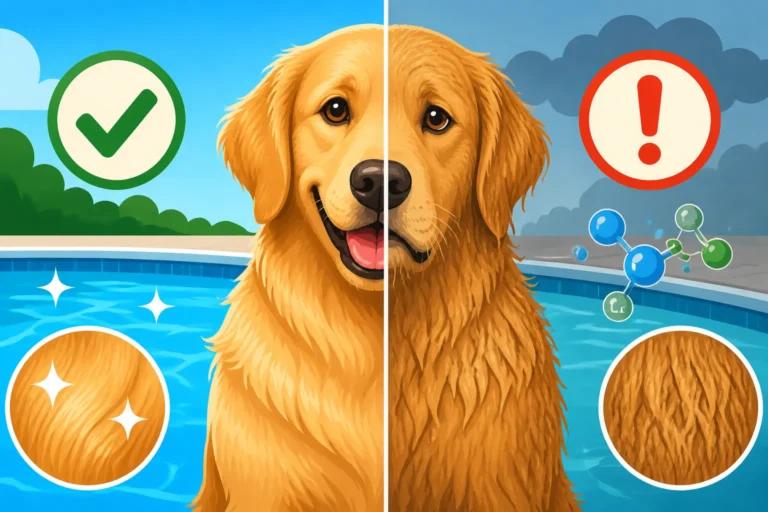
When a Golden Retriever is shaved, clippers cut through both the soft undercoat and the tougher guard hairs. The problem arises during regrowth. The undercoat typically grows back much faster and thicker than the guard hairs. This often results in a coat that feels soft, woolly, and somewhat "cottony" to the touch, rather than the smooth, water-resistant texture it once had. The coarser, protective guard hairs struggle to push through this denser, faster-growing undercoat.
This uneven regrowth fundamentally alters the coat's structure. The beautiful "feathering" on their legs, tail, and chest—which are also guard hairs—can grow back sparse or patchy. The overall appearance changes dramatically, often becoming duller and less vibrant. This textural change isn't just an aesthetic concern; it signals a disruption in the coat's natural function and integrity. Owners often lament that their Golden's coat never looks or feels the same after being shaved, and unfortunately, this can be true, sometimes taking years for the coat to partially recover, if ever fully.
Increased Risk of Skin Issues and Sunburn
Removing the protective outer layer leaves your Golden Retriever's delicate skin vulnerable to a variety of environmental threats. One of the most significant risks is sunburn. Just like human skin, canine skin is susceptible to sun damage, which can lead to painful burns, irritation, and in severe cases, even increase the risk of skin cancer over time. Their natural coat is an excellent sun blocker; without it, even short periods in direct sunlight can be dangerous.
Beyond sunburn, shaved skin is also more exposed to insect bites, allergens, and irritants from plants or chemicals. The dense, woolly regrowth can also exacerbate skin problems. The altered texture can trap moisture against the skin more easily, creating a prime breeding ground for bacteria and yeast, which can lead to irritating skin infections and conditions like hot spots. Many Golden Retriever owners struggle with Golden Retriever Skin, Ear and Allergy Problems already, and shaving can make these issues far worse, turning a simple hot spot into a recurring nightmare. A wet, shaved coat takes longer to dry and can encourage matting close to the skin, further compromising skin health.
Compromised Insulation and Temperature Regulation
As mentioned before, the Golden Retriever's double coat is their primary thermoregulatory system, essential for both keeping them warm and cool. Shaving destroys this system. In the winter, the lack of an undercoat means they have significantly less insulation, making them much more susceptible to cold weather. You might find your usually robust Golden shivering outside much faster, requiring sweaters or coats that they never needed before.
In the summer, the problem is even more pronounced because of that loss of the trapped air layer. The shaved skin absorbs more heat from the sun, and without the guard hairs to reflect UV rays, the skin heats up quickly. This makes them more prone to heatstroke and general discomfort in warm weather. Owners who shave their Goldens in hopes of cooling them down often find their dogs panting more, seeking shade constantly, or even getting lethargic due to being too hot. Their body’s natural ability to manage heat is gone, forcing them to rely solely on panting, which is less efficient when their skin is directly baking in the sun. This is why you should absolutely read Why You Never Shave a Golden Retriever.
Regrowth Realities: What to Expect After the Clipper
The decision to shave a Golden Retriever often comes with the assumption that the coat will just grow back perfectly, like magic. Unfortunately, the reality of coat regrowth is far more complex and often disappointing.
Uneven and Patchy Regrowth
The first thing many owners notice after shaving their Golden Retriever is the unevenness of the regrowth. Different parts of the body might grow hair at different rates, leading to a patchwork appearance. More critically, the undercoat, being designed for rapid growth and shedding, often grows back much more quickly and densely than the slower-growing guard hairs. This creates a fluffy, woolly texture that can feel quite different from the original smooth, sleek coat.
Imagine a beautiful, perfectly coiffed garden with different types of plants, all trimmed to complement each other. Shaving is like taking a weed whacker to the entire garden – some plants will shoot back up vigorously, while others will struggle or grow back stunted, completely changing the garden's character. For a Golden, this means the protective, weather-resistant guard hairs can get "stuck" beneath the rapidly expanding undercoat, preventing them from regaining their natural position and function. It's a frustrating situation that can persist for many months, sometimes even over a year, leaving your Golden looking perpetually disheveled.
The Never-Quite-the-Same Coat
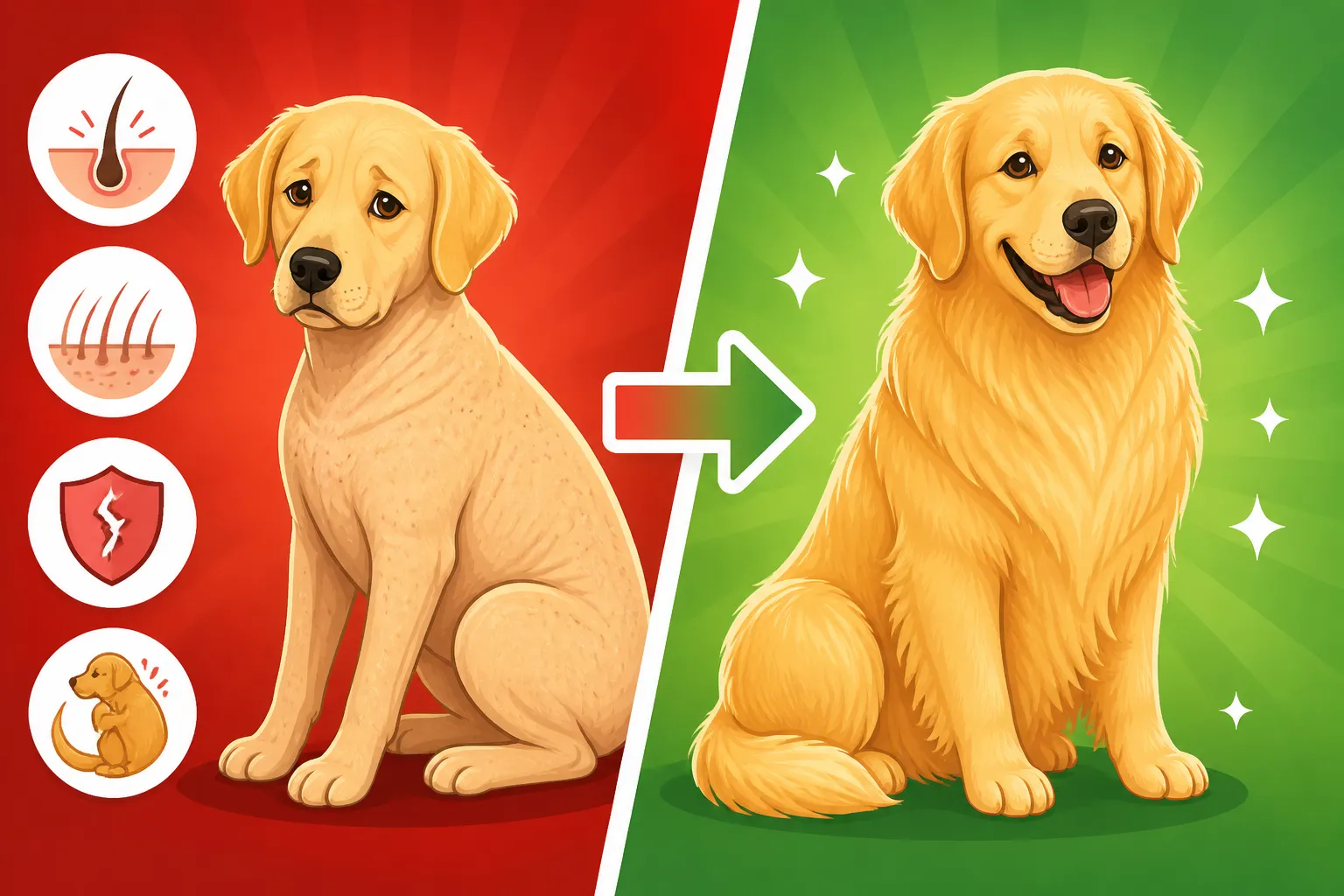
For some Golden Retrievers, especially if they are shaved repeatedly or have certain genetic predispositions, their coat may never fully recover its original texture, density, or protective qualities. The undercoat can become permanently thicker, coarser, and more prone to matting, while the guard hairs may remain sparse or brittle. This condition is sometimes referred to as "clipper alopecia" or "post-clipping alopecia," where hair growth is slow, uneven, or even ceases in certain areas for extended periods.
This isn't just about aesthetics; it impacts the dog's comfort and health. A compromised coat means less effective insulation, both from heat and cold, and reduced protection from the elements. The beautiful, water-repellent quality that makes Goldens such excellent swimmers can be diminished, making them soak up water like a sponge rather than shedding it. It’s a sad reality that the coat you once loved and admired might be gone forever, replaced by a coat that requires much more attention and still struggles to perform its natural duties. You might even find yourself looking up "Summer Cuts That Are Safe for a Golden Retriever" and realizing that a full shave isn't on the list.
Increased Shedding (Initially) and Matting
It's ironic that shaving, often done to reduce shedding, can sometimes lead to more shedding initially, and certainly more matting. When the undercoat grows back quickly and haphazardly, it creates a very dense, woolly mass. This type of hair is much more prone to tangling and matting close to the skin, especially if it's not brushed religiously. These mats can be incredibly painful, pulling on the skin and creating hot spots, which are notoriously difficult to treat on a Golden Retriever.
Furthermore, because the undercoat sheds in cycles, a dense, damaged undercoat can shed in larger clumps, or shed more continuously as it tries to regulate itself. So, you might find yourself back to square one, but with a coat that's harder to manage, mats more easily, and still sheds a lot. The initial relief from the shedding quickly gives way to new, often more challenging grooming problems. It really emphasizes the importance of understanding the true functions of their coat before taking drastic measures.
Better Alternatives to Shaving for Shedding and Heat Management
Instead of resorting to clippers, there are far more effective, and ultimately healthier, ways to manage your Golden Retriever’s shedding and ensure they stay comfortable in warmer weather. It's all about working with their natural coat, not against it.
Consistent Brushing and Deshedding Routines
The absolute best defense against Golden Retriever shedding is a consistent, thorough brushing routine. This means investing in the right tools and using them regularly. A good quality slicker brush, a wide-toothed comb, and an undercoat rake are your best friends. During normal times, aim for brushing a few times a week, but when your Golden is experiencing a "coat blow" (usually in spring and fall), you'll need to brush daily, sometimes even twice a day.
- Slicker Brushes are great for general brushing and removing loose hair from the topcoat.
- Undercoat Rakes are specifically designed to reach through the guard hairs and gently pull out the dead, loose undercoat without damaging the topcoat. These are invaluable for managing the bulk of the shedding. You can find excellent options on Chewy or Amazon.
- Wide-toothed combs help to find any tangles or developing mats before they become serious.
Regular brushing removes the dead hair before it ends up on your furniture, floors, and clothes. This not only significantly reduces shedding in your home but also helps the air circulate more freely through your Golden’s coat, improving their natural cooling system. For detailed tips on tools and techniques, see Undercoat Rakes and Deshedding a Golden and How Often to Brush a Golden Retriever.
Professional Grooming for Undercoat Removal
While home brushing is crucial, sometimes you need to call in the professionals. A reputable groomer who understands double-coated breeds can perform a professional deshedding treatment that goes beyond what you can do at home. This typically involves a specialized bath with deshedding shampoo and conditioner, followed by a high-velocity force dryer. The force dryer is incredibly effective at blasting out loose undercoat that brushing alone might miss.
After the bath and blow-dry, the groomer will use professional tools to further remove dead undercoat, thinning it out without actually cutting the guard hairs. This process helps to aerate the coat, allowing for better airflow and improved thermoregulation. It drastically reduces shedding for several weeks and helps maintain the coat's health and integrity. Discussing a "deshedding package" or "undercoat removal" with a professional groomer is a far better alternative than shaving.
| Feature | Shaving a Golden Retriever | Proper Deshedding & Grooming |
|---|---|---|
| Shedding Control | Temporary reduction, often followed by increased, woolly shedding | Consistent, significant reduction of loose hair |
| Coat Health | Damaged, altered texture; potential for permanent change | Maintained natural texture, shine, and protective qualities |
| Skin Health | Increased risk of sunburn, hot spots, irritation, insect bites | Protected skin; reduced risk of irritation and infections |
| Temperature Reg. | Compromised; increased risk of overheating/cold sensitivity | Enhanced; supports natural cooling in summer, warmth in winter |
| Aesthetic Result | Uneven, patchy, woolly regrowth; loss of natural beauty | Maintained breed-standard appearance; healthy, lustrous coat |
| Long-term Impact | Potential for irreversible coat damage | Promotes overall coat and skin health over time |
Cooling Strategies That Don't Involve Clippers
To keep your Golden Retriever cool during hot weather, focus on strategies that support their natural cooling mechanisms and avoid direct heat exposure.
- Provide Ample Shade and Water: Always ensure your Golden has access to shade when outdoors and a constant supply of fresh, cool water. On walks, bring a portable water bottle and bowl.
- Limit Outdoor Exercise: During the hottest parts of the day, keep walks short and stick to cooler early mornings or late evenings. Avoid strenuous exercise when temperatures soar. Exercise a Golden Retriever Needs Each Day covers balancing activity and conditions.
- Indoor Retreats: Provide cool indoor spaces. Air conditioning or fans can make a huge difference. Consider a cooling mat they can lie on, which draws heat away from their body. You can find these easily on Amazon or Chewy.
- Water Play: Goldens love water! A kiddie pool in the backyard, supervised swimming in a lake, or even playing with a sprinkler can help them cool down significantly. Just remember to thoroughly dry their ears afterward to prevent infections.
- Frozen Treats: Ice cubes, frozen Kongs filled with peanut butter, or specialized frozen dog treats can provide a delicious way to cool down from the inside out.
Remember, a healthy diet, perhaps from a high-quality subscription service like Ollie, can also contribute to overall skin and coat health, making it less prone to issues. By implementing these practical strategies, you can help your beloved Golden Retriever stay comfortable and healthy, without ever having to compromise the integrity of their beautiful, functional coat.
Disclaimer
This article is for general informational purposes only and does not constitute professional advice. Laws, prices and regulations vary by location and change over time. Consult a qualified professional for guidance on your specific situation.