Undercoat Rakes and Deshedding a Golden
If you're a Golden Retriever owner, you know the struggle is real: that constant flurry of golden "glitter" that seems to cling to every surface, embed itself in your carpets, and even magically appear in your morning coffee. It’s a battle we all face, and it often feels like we’re losing. But what if there was a tool that could significantly turn the tide, helping you manage that magnificent, albeit shedding, double coat more effectively? This guide is going to dive deep into the world of undercoat rakes, explaining why they're not just another brush, but an indispensable weapon in your deshedding arsenal, and how to use them safely and effectively to reclaim your home from the golden fluff monster.
Understanding Your Golden Retriever's Magnificent Double Coat
Before we even pick up a grooming tool, it’s crucial to understand the unique architecture of a Golden Retriever's coat. This isn't just fluffy hair; it's a sophisticated, dual-layer system designed by nature for a specific purpose. Knowing how it works helps us care for it properly and appreciate why certain tools, like the undercoat rake, are so effective.
The Purpose of a Double Coat
Golden Retrievers are, first and foremost, working dogs. They were bred to retrieve waterfowl in cold, wet conditions, which meant they needed a coat that could offer serious protection. Their double coat is nature's ingenious solution. The outer layer, known as the guard coat, consists of longer, water-repellent hairs that feel somewhat coarse to the touch. These hairs shed water, protect against brambles and dirt, and offer a first line of defense against the elements. Beneath this lies the soft, dense, downy undercoat. This layer acts as an insulator, trapping air close to the body to keep your Golden warm in winter and surprisingly, to help regulate their temperature in summer by preventing extreme heat from reaching the skin. It’s a remarkable natural design, but it does come with a significant grooming commitment.
This natural insulation system means that every individual hair follicle plays a role. When the seasons change, or even just throughout the year, the undercoat will naturally shed to adapt to different temperatures and maintain its efficiency. Without proper grooming, this shed undercoat can become trapped beneath the guard hairs, creating a dense, tangled mess that not only looks unkempt but can also lead to serious skin issues. It's a marvel of canine evolution, but it certainly keeps us, their human companions, on our toes with a brush in hand!
The Golden Retriever Shedding Cycle
Ah, the shedding cycle – a familiar lament for Golden Retriever parents everywhere. Unlike some breeds with single coats or minimal shedding, Goldens are renowned for their impressive shedding capabilities. This isn't just a spring and fall phenomenon, though those are definitely the "coat blowing" seasons where things reach epic proportions. During these times, their bodies naturally shed vast amounts of undercoat to prepare for the upcoming temperature changes. In spring, they ditch the heavy winter insulation for a lighter layer, and in fall, they shed their summer coat to make way for a thicker winter one. Golden Retriever Coat Blowing in Spring and Fall goes into more detail on this seasonal spectacle.
However, the reality is that Golden Retrievers shed year-round, a process often referred to as "maintenance shedding." Even outside the peak seasons, individual hairs of the undercoat are constantly falling out and being replaced. This means that if you're not consistently grooming, that dead hair will accumulate, forming mats and contributing to the never-ending tumbleweeds of fur in your home. It can feel like a losing battle, trying to keep up with the sheer volume of hair, but understanding this continuous cycle is the first step towards managing it proactively. It's not just about aesthetics; managing this shedding is vital for your dog's comfort and skin health.
What Exactly Is an Undercoat Rake? Dispelling Myths and Clarifying Purpose
When you're faced with a mountain of dog hair, it's easy to grab any brush and start scrubbing. But not all grooming tools are created equal, especially when dealing with a dense double coat like a Golden's. An undercoat rake is a specialized tool, distinct from your average slicker or pin brush, designed with a very specific job in mind.
Anatomy of an Undercoat Rake
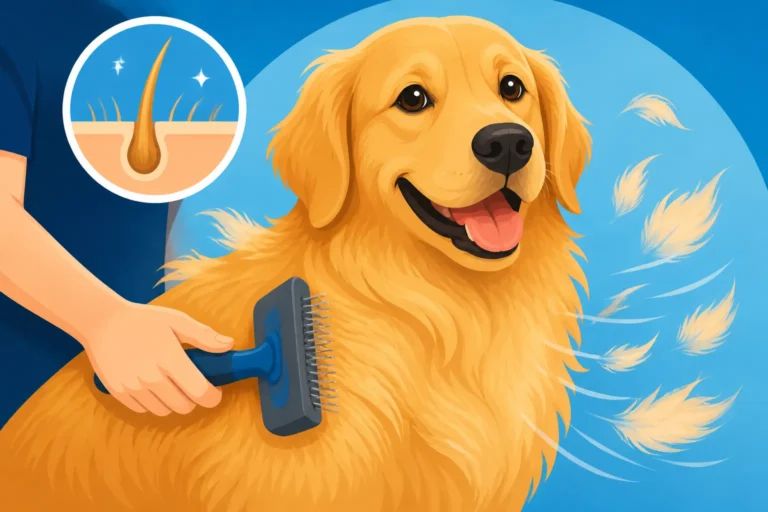
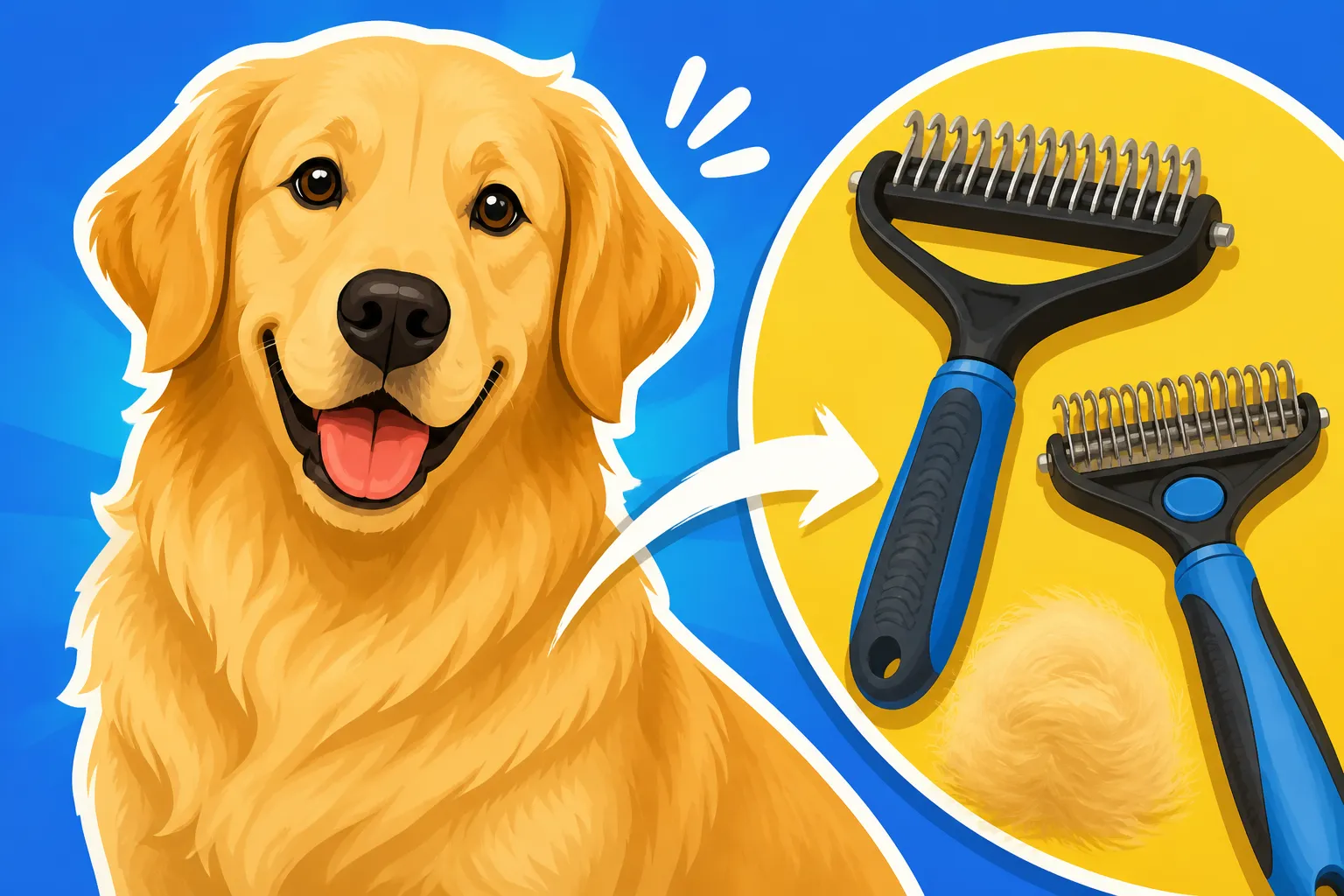
An undercoat rake typically features a handle and a head equipped with a single or double row of teeth. These teeth are usually long, blunt, and designed to penetrate through the coarser topcoat and reach deep into the soft, fluffy undercoat. Crucially, these teeth are shaped to gently grab and pull out loose, dead undercoat without cutting or damaging the healthy guard hairs or irritating the skin underneath. You might find rakes with different tooth lengths and spacing; longer teeth are often better for very dense coats, while wider spacing can help with initial detangling. The design is intentional: it's not a cutter, despite what some might mistakenly believe. Its purpose is purely to rake out the shed hair that would otherwise get trapped and cause problems.
Some rakes might have rotating teeth, which are great for preventing tugging on tangled hair, making the grooming experience more comfortable for your Golden. Others might have curved blades that are surprisingly effective at lifting out the undercoat, again, without cutting. The key takeaway here is that a well-designed undercoat rake is a mechanical marvel, crafted to navigate the two distinct layers of your Golden's coat. It needs to be sturdy enough to handle the volume of hair but gentle enough not to cause discomfort.
Distinguishing From Other Deshedding Tools
It’s easy to get confused with the sheer variety of brushes available, but an undercoat rake stands apart from other popular deshedding tools. A standard slicker brush, for example, has fine, wire bristles bent at an angle, excellent for removing tangles and surface shedding from the topcoat. A pin brush, with its widely spaced metal pins, is fantastic for general brushing, distributing oils, and massaging the skin, but it doesn't effectively reach the dense undercoat. These tools are definitely part of a complete grooming kit, but they don't perform the same specialized task as an undercoat rake.
There are also more aggressive deshedding tools with blade-like structures designed to "cut" through and remove vast quantities of hair. While these can be effective, they must be used with extreme caution and proper technique, as improper use can damage the topcoat or irritate the skin. An undercoat rake, by contrast, is designed to gently pull out only the dead, detached hair, leaving the healthy coat intact. It’s a less invasive, yet highly effective, approach to managing the undercoat that offers a balance of thoroughness and safety for your beloved Golden. Understanding this distinction is crucial for choosing the right tool for the job.
Why an Undercoat Rake is Indispensable for Golden Owners
For those of us living with Golden Retrievers, the undercoat rake isn't just a nice-to-have; it's a game-changer. It directly addresses some of the biggest challenges of owning a double-coated breed, from reducing the "Golden glitter" around the house to safeguarding your dog's skin health.
Preventing Mats and Hot Spots
One of the most significant benefits of regular undercoat raking is its ability to prevent painful mats and subsequent skin issues. When dead undercoat isn't removed, it can easily intertwine with the healthy hair, forming dense, felt-like clumps, particularly in areas like behind the ears, under the legs, and in the "feathering" on their legs and tail. These mats pull on the skin, causing discomfort and pain. Worse, they trap moisture and dirt, creating a perfect breeding ground for bacteria and yeast, which can quickly lead to painful skin infections and "hot spots." Golden Retriever Hot Spots and What Causes Them can become a recurring nightmare if not properly addressed with consistent grooming.
An undercoat rake proactively removes that trapped, dead undercoat before it has a chance to mat. By systematically raking through your Golden's coat, you're not just making them look better; you're actively preventing discomfort and potential veterinary visits. Imagine the relief for your dog, no longer having their skin constantly pulled by painful mats, and the peace of mind for you, knowing you're doing everything you can to keep them comfortable and healthy. It's a proactive measure that pays dividends in both comfort and cost.
Promoting Skin and Coat Health
Beyond preventing mats, using an undercoat rake plays a vital role in maintaining the overall health and vitality of your Golden's skin and coat. By removing the dense layer of dead undercoat, you allow for much better air circulation to the skin. This airflow is crucial; it helps the skin breathe, reduces humidity that can foster bacterial growth, and keeps your Golden more comfortable, especially in warmer weather. It’s like clearing out clogged pipes so everything can flow freely again.
Furthermore, regular raking helps to stimulate the natural oils produced by your Golden's skin, distributing them evenly throughout the coat. These natural oils are essential for a healthy, shiny, and water-resistant coat. When the undercoat is packed and matted, these oils can't spread properly, leading to dry, flaky skin underneath and a duller, less vibrant coat overall. A healthy coat is a beautiful coat, and the rake directly contributes to that luscious, shiny appearance Golden Retrievers are famous for. It’s not just about removing hair; it's about nurturing the entire system beneath.
Reducing Shedding Around Your Home
Let's be honest: for many of us, the primary motivation for vigorous grooming is the desire to reduce the sheer volume of Golden Retriever hair that seems to colonize every corner of our homes. And on this front, the undercoat rake delivers results you can visibly see – and feel. By regularly extracting large quantities of loose undercoat directly from your dog, you are quite literally preventing that hair from ending up on your furniture, your clothes, and your floors. How Much a Golden Retriever Sheds Year Round can be startling, but proper grooming helps manage it.
The difference after a good raking session can be dramatic. You’ll be amazed at the piles of fluffy undercoat that come off your Golden, and while it might seem like a lot in one go, remember that’s hair that won't be floating through your house later. This benefit isn't just about cleanliness; it can also help reduce allergens in the home for sensitive individuals. While no tool can completely eliminate shedding from a Golden Retriever, the undercoat rake is arguably the most effective tool for capturing that loose, insulating layer before it disperses, making your cleaning efforts far more manageable.
Mastering the Art of Undercoat Rake Usage
Using an undercoat rake isn't complicated, but there's a technique to it that ensures both effectiveness and your Golden's comfort. Rushing through it or using the wrong approach can be counterproductive, so let's break down the steps to make your grooming sessions a success.
Preparing Your Golden for a Raking Session
Before you even touch your Golden with an undercoat rake, take a few preparatory steps. First, ensure your Golden's coat is completely dry. Raking a wet or damp coat can cause unnecessary tugging, discomfort, and even damage. Next, give your Golden a thorough brush-through with a slicker brush or a wide-toothed comb to remove any surface tangles or debris. This initial brush helps to ensure the undercoat rake can glide more smoothly through the coat without getting stuck on knots. A matted coat needs to be detangled first, or mats carefully worked out, before using a rake that can snag and pull.
Creating a positive and calm environment is also key. Golden Retrievers are often eager to please, but grooming can still be a bit of a chore for them. Have some high-value treats on hand. Start with short sessions, especially when your dog is new to the rake. Speak in soothing tones, offer praise, and make it a comfortable experience. You want them to associate grooming with positive attention and treats, not discomfort or anxiety. A little preparation goes a long way in making the whole process easier for both of you.
Step-by-Step Raking Technique
Now, for the main event! The goal is to remove dead undercoat without pulling on healthy hair or irritating the skin.
- Find a Comfortable Spot: Position your Golden on a grooming table if you have one, or on a non-slip mat on the floor, somewhere you both can be comfortable for a sustained period.
- Section the Coat: Don't try to rake the entire dog at once. Start at the rear, perhaps on their hind leg or hip, and work in small, manageable sections. This allows you to be thorough and prevents you from missing spots.
- Gentle Strokes: Hold the rake firmly but not too tightly. With the teeth angled towards the direction of hair growth (usually away from the dog's body), use long, slow, and gentle strokes. You're not scrubbing; you're raking. The rake should be almost parallel to the skin, just lifting the loose undercoat. Avoid digging into the skin or applying excessive pressure. The key is to let the rake do the work of catching the loose hair.
- Work Through Layers: For very dense areas, you might need to "part" the coat with your hand and work in smaller sections, going layer by layer. This ensures you're reaching all the way down to the skin.
- Be Mindful of Sensitive Areas: Pay extra attention when raking around bony areas, the groin, armpits, and behind the ears, where the skin is thinner and more delicate. Use even lighter pressure and shorter strokes.
- Check Your Progress: As you rake, you'll see copious amounts of fluffy undercoat coming out. Regularly remove the hair from the rake to keep it effective. Continue until no more loose hair comes out from that section. Then move to the next. It’s truly amazing how much comes out!
Post-Raking Care and Cleanup
Once you've thoroughly raked your Golden, the grooming session isn't quite over. After removing all the loose undercoat, give your Golden a final brush-through with a soft slicker or pin brush to smooth down the topcoat and give it a healthy sheen. This also helps distribute any remaining natural oils. Reward your Golden with extra praise and a favorite treat for being such a good sport. This positive reinforcement reinforces that grooming is a pleasant activity.
Then comes the cleanup! You'll likely have a considerable pile of golden fluff, so have a trash bag ready. Some people like to save the undercoat for spinning into yarn, but for most of us, it's straight to the bin! Cleaning up the grooming area immediately prevents the freshly removed hair from resettling in your home. Remember to clean your undercoat rake as well, removing any trapped hair or debris to keep it hygienic and ready for the next session. A clean tool is an effective tool, and regularly deshedding with a good rake is a proactive step in managing Golden Retriever Shedding and How to Manage It.
Avoiding Common Pitfalls and Ensuring Safety
While an undercoat rake is a powerful tool, like any grooming instrument, it requires proper use to be safe and effective. Misusing it can lead to discomfort for your Golden and even damage their coat or skin. Being aware of common mistakes can save both you and your dog a lot of grief.
Recognizing Over-Raking and Skin Irritation
One of the most common mistakes is over-raking or using too much pressure. It's tempting to keep raking when you see so much hair coming out, but excessive or aggressive raking can quickly lead to skin irritation, redness, and even brush burn. Your Golden’s skin is delicate beneath that thick coat, and pressing down too hard or repeatedly going over the same spot without caution can cause abrasions or discomfort. Watch for signs of sensitivity: if your Golden flinches, pulls away, or shows any signs of pain, stop immediately and assess your technique.
The goal is to remove dead hair, not to pull out healthy hair or scrape the skin. If you find yourself having to tug hard, it might mean there's a mat you missed, or you're using too much force. Always err on the side of gentleness. A good rule of thumb is to check the skin underneath periodically; it should look normal, not red or inflamed. If you notice any lasting redness, give the area a break and adjust your technique next time. Remember, consistency with gentle strokes is far more effective than sporadic, aggressive sessions.
Choosing the Right Rake for Your Golden
Not all undercoat rakes are identical, and choosing the right one for your Golden can make a significant difference in comfort and effectiveness. Rakes come with different tooth lengths, spacing, and styles. For a Golden Retriever's typically dense undercoat, you'll generally want a rake with moderately long teeth to penetrate deep enough. A rake with widely spaced teeth might be good for initial, light deshedding, while one with more closely spaced teeth will remove finer undercoat once the bulk is out. Many excellent options are available, and you can find a wide selection of grooming tools on platforms like Chewy or Amazon, allowing you to compare different designs and read reviews from other Golden owners.
Consider the material and the handle's ergonomics. A comfortable handle will make long grooming sessions much easier on your hand. Look for durable construction that will stand up to regular use. If your Golden is particularly sensitive, a rake with rotating teeth can be a godsend, as they are designed to glide through tangles more easily without pulling. Experimentation might be necessary to find the perfect fit, but investing in a quality undercoat rake tailored for a thick double coat is well worth it for both your dog’s comfort and your peace of mind. Which Brush Works on a Golden Retriever's Coat can provide further insights.
The "Never Shave a Golden" Rule Revisited
It’s an age-old debate among Golden Retriever owners: "Should I shave my Golden to keep them cool or reduce shedding?" The resounding answer from virtually all veterinarians and professional groomers is no, and understanding why reinforces the importance of using tools like the undercoat rake correctly. A Golden Retriever's double coat is designed for insulation – keeping them warm in winter and cool in summer. Shaving their coat disrupts this natural system. Without their guard hairs, Goldens are actually more susceptible to sunburn, insect bites, and can struggle to regulate their body temperature. The undercoat also often grows back unevenly and can become coarser or even patchy, sometimes referred to as "clipper alopecia." Why You Never Shave a Golden Retriever details the detrimental effects.
Instead of shaving, the proper way to help your Golden stay cool and manage shedding is through thorough deshedding with tools like the undercoat rake. By removing the thick, dead undercoat, you allow better air circulation, which is what truly helps them regulate their temperature. This method maintains the integrity of their natural coat, preserving its protective qualities and preventing the long-term damage that shaving can cause. Think of it as thinning out a dense forest to improve airflow and health, rather than clear-cutting it.
Integrating Undercoat Raking into a Comprehensive Grooming Routine
An undercoat rake is a powerful tool, but it's most effective when used as part of a holistic grooming routine. Just like a balanced diet and regular exercise, consistent grooming, including the use of an undercoat rake, is key to your Golden Retriever's overall health and well-being.
Seasonal Considerations and Frequency
The frequency with which you use your undercoat rake will largely depend on the season and your Golden's individual shedding habits. During the "coat blowing" seasons—typically spring and fall—you might find yourself using the undercoat rake as often as 2-3 times a week. During these periods, the amount of hair that comes out can be astounding, and frequent raking is essential to prevent matting and excessive household shedding. Golden Retriever Coat Blowing in Spring and Fall makes these times an undeniable grooming necessity.
Outside of these peak shedding periods, a weekly or bi-weekly session with the undercoat rake is often sufficient for maintenance. Some Goldens shed more consistently year-round, while others might have less dramatic "blows." Pay attention to your individual dog's coat and adjust your schedule accordingly. The goal is to keep the undercoat managed, not to over-rake, as discussed earlier. Regular, shorter sessions are generally more effective and less taxing for both you and your dog than infrequent, marathon grooming sessions.
Complementary Tools: Brushes, Baths, and Conditioners
For a truly pristine Golden coat, the undercoat rake works best in conjunction with other grooming tools and practices.
- Slicker and Pin Brushes: Before using the undercoat rake, a thorough brush with a slicker brush can help remove surface tangles and loose topcoat hair. Afterward, a pin brush is excellent for smoothing the topcoat, distributing natural oils, and giving that characteristic Golden sheen. Brushing a Golden Retriever's Coat Properly emphasizes the importance of these tools.
- Bathing: A good bath is crucial for loosening and removing dead hair, making subsequent raking much easier. Using a deshedding shampoo and conditioner can be particularly effective during peak shedding season. Make sure to thoroughly rinse and dry your Golden's coat after bathing to prevent skin irritation and ensure the coat is ready for raking. How Often to Bathe a Golden Retriever can help you determine the right schedule.
- Drying: Thorough drying is critical, especially after a deshedding bath. A high-velocity dryer can help blast out loose undercoat that shampoo has loosened, significantly reducing the amount you'll need to rake. Ensure the coat is completely dry to prevent matting and skin issues.
The Role of Nutrition in Coat Health
It's easy to focus solely on external tools, but remember that a healthy coat truly starts from within. A balanced, high-quality diet provides the essential nutrients needed for strong hair follicles and healthy skin. Key ingredients like Omega-3 and Omega-6 fatty acids are particularly beneficial for coat luster and skin health, helping to reduce dryness and excessive shedding. If your Golden's diet is lacking, their coat might appear dull, brittle, or they might shed more than usual.
Considering options like fresh dog food services, such as Ollie, can provide a diet rich in high-quality proteins and essential nutrients that support a vibrant coat. While it's not a direct deshedding tool, investing in good nutrition is a foundational step for overall coat health, making your grooming efforts with the undercoat rake even more impactful. A healthy dog often has a healthier coat, which in turn means more manageable shedding. Feeding a Golden Retriever Through Every Life Stage highlights the importance of diet.
Grooming Schedule Overview
Here’s a general guideline for incorporating various grooming tasks into your Golden Retriever’s routine:
| Tool/Activity | Purpose | Frequency (General) | Notes |
|---|---|---|---|
| Undercoat Rake | Remove dead undercoat, prevent mats | 1-3 times weekly (seasonal), 1x weekly (routine) | Gentle strokes, in sections, dry coat only. |
| Slicker Brush | Detangle, remove loose topcoat | Daily to every other day | Good for feathering and stubborn knots. |
| Pin Brush | Distribute oils, stimulate skin, finish coat | Daily | Excellent for overall coat health and shine. |
| Bathing (Deshed) | Loosen and remove shedding hair | Every 4-8 weeks (or as needed) | Use deshedding shampoo/conditioner. |
| Nail Trims | Prevent overgrowth | Every 2-4 weeks | Essential for comfort and preventing joint issues. |
| Ear Cleaning | Prevent infections | Weekly (especially after swimming) | Important for floppy-eared breeds like Goldens. |
| Dental Brushing | Prevent dental disease | Daily | Use dog-specific toothpaste and brush. |
Disclaimer
This article is for general informational purposes only and does not constitute professional advice. Laws, prices and regulations vary by location and change over time. Consult a qualified professional for guidance on your specific situation.