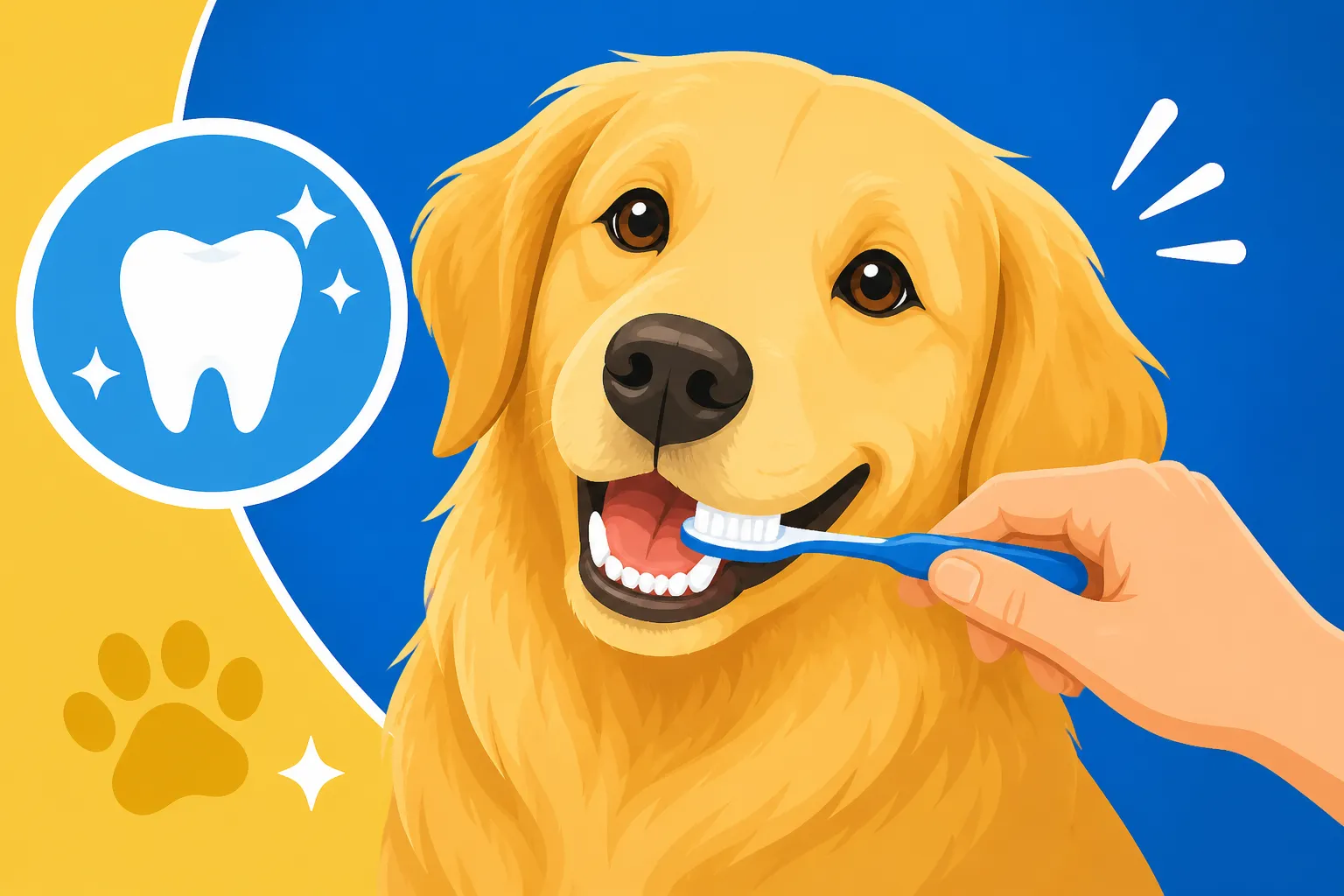
Brushing a Golden Retriever’s Teeth Daily
It's a common misconception that our Golden Retrievers keep their teeth clean just by chewing on toys or crunching kibble. The reality is far more challenging: just like us, our beloved Goldens are highly susceptible to plaque and tartar buildup, which can quickly lead to painful and dangerous dental disease. Without proactive care, you might find yourself facing significant vet bills and your Golden suffering silently. This guide is here to walk you through why daily tooth brushing is so crucial for your Golden Retriever and how to make it a manageable, even positive, part of your routine.
The Unseen Threat: Why Your Golden Retriever Needs Daily Dental Care
Many Golden Retriever owners are completely unaware of the silent battle happening inside their dog's mouth. We see those happy, smiling faces, and sometimes we might catch a whiff of "dog breath," but we often don't connect these things to serious health implications. The truth is, neglecting your Golden's oral hygiene isn't just about a stinky kiss; it's about preventing a cascade of health issues that can severely impact their quality of life and even shorten their Golden Retriever Lifespan and What Shortened It.
The Silent Progression of Periodontal Disease
Periodontal disease, or gum disease, is incredibly common in dogs, with most showing signs by age three. It starts subtly with plaque, a sticky film of bacteria, food particles, and saliva, forming on the teeth. If not removed within a day or two, this plaque hardens into tartar, which is that rough, yellowish-brown crud you might see on your Golden's teeth, especially along the gumline. Once tartar forms, you can't simply brush it away; it requires professional veterinary scaling.
The real problem begins when tartar pushes up against the gums, causing inflammation, known as gingivitis. This is stage one, and it's reversible with good oral hygiene and professional cleaning. However, if left unchecked, the inflammation progresses. The bacteria under the gumline start to attack the supporting structures of the teeth – the bone, ligaments, and deeper gum tissues. This is where pain sets in, often hidden because dogs are masters at masking discomfort. Your Golden might stop playing tug as enthusiastically, chew on one side of their mouth, or simply eat a little slower, and you might not even notice these subtle changes until the disease is advanced. Pockets form where bacteria thrive, leading to infection, tissue destruction, and eventually, tooth loss. Imagine having a constant toothache; that's what many Goldens endure without us even realizing it.
Beyond Bad Breath: Systemic Health Risks
"Dog breath" isn't just unpleasant; it's often the first warning sign of an underlying problem. The bacteria that cause gum disease don't stay confined to the mouth. They can enter your Golden's bloodstream, traveling to major organs throughout their body. This systemic spread can lead to serious secondary infections and conditions.
For example, bacteria from severe dental disease have been linked to heart conditions, particularly bacterial endocarditis, an infection of the heart valves. They can also contribute to kidney and liver problems, as these organs work hard to filter out toxins from the bloodstream, including those released by oral bacteria. In essence, a healthy mouth is a window to a healthy body. Neglecting dental care means you're not just risking a few lost teeth, but potentially compromising the function of vital organs. This is why routine veterinary care, including dental check-ups, is so important for long-term health, as discussed in Why Goldens Need Vet Visits Twice a Year. Early detection and prevention through daily brushing are your best defense against these far-reaching health consequences.
The Golden Retriever's Anatomy and Dental Vulnerabilities
While all dogs can suffer from dental disease, Golden Retrievers, with their characteristic friendly demeanor and often less intense chewing habits compared to some harder-chewing breeds, can be particularly susceptible to plaque and tartar buildup. Their "soft mouth" trait, bred for gently retrieving game, can sometimes translate to a less aggressive approach to chewing on abrasive dental toys or bones that might help scrape off plaque.
Furthermore, the general shape of a Golden's mouth, with its ample soft tissue, can create nooks and crannies where food particles and bacteria can accumulate easily, especially along the gumline. Their teeth are large, and molars, in particular, can be prone to buildup. Small misalignments or crowding, even subtle ones, can also create areas that are difficult for natural chewing to clean, becoming perfect breeding grounds for plaque. Because they are such stoic dogs, Goldens rarely complain about dental pain until it's quite advanced, which makes consistent, daily at-home care even more critical. It prevents small issues from escalating into major, painful problems that require expensive professional intervention.
Gearing Up for Success: Essential Tools and Gentle Techniques
Okay, so we know why it's important. Now, let's tackle the how. The idea of brushing your Golden Retriever's teeth daily might sound daunting, perhaps even a bit comical, but with the right tools and a patient approach, it's entirely achievable. Think of it less as a chore and more as a bonding activity that directly contributes to their health and happiness.
Choosing the Right Dental Gear
You wouldn't use your toothbrush on your dog, and your dog certainly shouldn't use your toothpaste. Canine dental products are specifically designed for their needs and safety.
First, dog-specific toothpaste is non-foaming and safe for them to swallow. Human toothpaste contains fluoride, xylitol, and detergents that are toxic to dogs. Canine toothpastes often come in flavors appealing to dogs, like poultry, beef, or peanut butter, which can make the experience more enjoyable. You can find a wide variety of these on pet supply sites like Chewy or Amazon, where you can read reviews from other Golden owners.
Next, the toothbrush. There are a few options:
- Finger brushes: These fit over your finger, offering direct control and a gentler feel for dogs new to brushing. They're great for puppies or very sensitive adult Goldens.
- Long-handled toothbrushes: Designed with angled heads and soft bristles, these are similar to human toothbrushes but shaped for a dog's mouth. They allow you to reach back teeth more easily. Many brands offer double-headed options to cover more surface area.
- Electric toothbrushes (dog specific): For some Goldens, the vibration can be a positive sensation, and they offer superior cleaning. However, they're typically for dogs already comfortable with brushing.
Consider starting with a finger brush to get your Golden used to the sensation, then gradually transition to a longer-handled brush as they become more comfortable. Having a few different types on hand can help you find what works best for your specific Golden.
Desensitization and Training: A Step-by-Step Approach
Trying to shove a toothbrush into your Golden's mouth right out of the gate is a recipe for disaster. The key is desensitization and positive reinforcement, building up their tolerance gradually. This process might take days, weeks, or even a few months, but patience will pay off in the long run.
- Introduce the Toothpaste: Let your Golden lick a tiny bit of dog toothpaste off your finger. Make it a super positive experience with lots of praise. Do this for a few days until they're excited to see the tube. This also allows you to find a flavor they love.
- Finger Massage: Once they're keen on the toothpaste, put a small dab on your finger and gently rub it along their outer gums and teeth. Focus only on the front teeth at first, then slowly move to the side teeth. Keep these sessions very short, just a few seconds, ending with praise and maybe a small, delicious training treat.
- Introduce the Brush: Once they're comfortable with your finger, put a tiny amount of toothpaste on the toothbrush (start with a finger brush if you're using one). Let them lick the toothpaste off the brush. Then, very gently, just touch the brush to their front teeth for a second or two, mimicking a brushing motion. Again, super short, positive, and reward-filled.
- Gradual Brushing: Over several days or weeks, slowly increase the duration and coverage. Start with the outside surfaces of the front teeth, then move to the canines, and finally the back molars. You don't need to brush the inside surfaces of their teeth, as their tongue usually handles some of that, and it's much harder to access without discomfort.
Remember, the goal is always to keep it positive. If your Golden shows any signs of stress or resistance, back off and try again another day. Never force it, or you risk creating a negative association that will make future brushing impossible. Consistency, even for just a few seconds a day, is more important than a long, stressful session.
The Proper Brushing Technique
Once your Golden is desensitized and accepts the toothbrush, you can start applying the proper technique for effective cleaning. This isn't about scrubbing vigorously; it's about gently disrupting the plaque along the gumline.
- Lift the Lip: Gently lift your Golden's upper lip to expose the outer surfaces of their teeth and gums.
- Angle the Brush: Hold the toothbrush at a 45-degree angle to the gumline, aiming the bristles towards the gums where plaque tends to accumulate most.
- Gentle Circles: Use a soft, circular motion, focusing on a few teeth at a time. Pay particular attention to the canine teeth (the pointy ones) and the large molars at the back, as these are often hot spots for tartar buildup.
- Focus on the Gumline: The most critical area to clean is where the tooth meets the gum, known as the gingival sulcus. This is where bacteria lurk and initiate periodontal disease.
- Duration: Aim for about 30 seconds to a minute per side, covering all the accessible outer surfaces. If your Golden is very tolerant, you might spend a bit longer. Even just a minute total can make a huge difference if done daily.
- Reward: Always end with praise, a favorite treat, or a short play session. This reinforces the positive association and makes your Golden look forward to the next brushing session.
| Brush Type | Pros for Golden Retrievers | Cons for Golden Retrievers |
|---|---|---|
| Finger Brush | Excellent for beginners, gentle, good control, natural feel | Less reach for back teeth, can be chewed easily |
| Long-Handled Brush | Better reach for molars, durable, various sizes available | Can feel more intrusive initially, requires more desensitization |
| Electric Toothbrush | Highly effective at removing plaque, less effort needed by owner | Vibration and sound can be scary, typically more expensive |
Remember, the goal is daily maintenance. If you miss a day, don't fret! Just pick it up again the next day. The cumulative effect of consistent brushing is what truly protects your Golden's oral health.
Making It a Habit: Overcoming Challenges and Maintaining a Bright Smile
Even with the best intentions and the right tools, establishing a daily teeth-brushing routine for your Golden Retriever can come with its fair share of hiccups. It's easy to get discouraged when your normally agreeable dog suddenly decides their mouth is a no-fly zone for a toothbrush. But don't give up! Persistence and adaptability are key to making this vital health practice a lasting part of your Golden's life.
Dealing with Resistance and Anxiety
Some Goldens take to brushing like ducks to water, while others act like you're trying to perform ancient torture. If your Golden shows resistance, it's crucial to understand why. Is it pain? Fear? Discomfort with the sensation?
- Rule out pain: If your Golden suddenly becomes resistant to brushing, especially after having been tolerant, it's worth a vet check. They might have a painful tooth, a gum infection, or another oral issue that needs professional attention. Don't push through actual pain. Golden Retriever Cancer Warning Signs to Watch For can sometimes include oral pain or difficulty eating, so it's always good to be thorough.
- Go back to basics: If it's behavioral, revert to the desensitization steps. Start with just touching their muzzle, then lifting a lip, then a quick dab of toothpaste on a tooth. Keep sessions incredibly short – even 5-10 seconds – and shower them with praise and high-value treats afterward.
- Change the setting: Sometimes a different location can help. A quiet corner away from distractions, or even outdoors if that's where they feel safest, can make a difference.
- Timing is everything: Try brushing when your Golden is relaxed, perhaps after a long walk or a quiet cuddle session. Avoid trying when they're over-stimulated or wound up.
- Distraction methods: For some Goldens, having a puzzle toy or a long-lasting treat (like a lick mat smeared with peanut butter or plain yogurt) nearby can help keep them occupied while you quickly brush. Just make sure the treat isn't something they have to chew right then.
- Enlist help: If your Golden is really wiggly, having a second person hold them gently or provide distractions can be invaluable, especially in the early stages.
The goal is to make it a positive, non-threatening experience. If you find yourself getting frustrated, take a break. Your Golden can pick up on your anxiety, making them more resistant. It's a marathon, not a sprint, and every small step forward is a victory.
Integrating Brushing into Your Daily Routine
The biggest hurdle for most owners isn't the how but the consistency. Life gets busy, and daily tasks can fall by the wayside. To make daily tooth brushing a non-negotiable part of your Golden's care, try to integrate it into an existing daily ritual.
- Anchor it: Pair brushing with something else you do every single day. Maybe it's right after their morning walk, before their dinner, or just before their last potty break at night. When one habit triggers the next, it's much easier to remember and stick to.
- Set up a "dental station": Keep all your dental supplies – toothpaste, brush, and treats – in one convenient spot, perhaps in the bathroom or by their food bowls. This minimizes excuses about not being able to find everything.
- Use reminders: For the first few weeks, set a daily alarm on your phone. Even a simple post-it note on the fridge can serve as a visual cue until the habit is firmly established.
- Involve the family: If there are multiple people in your household, share the responsibility. Even if one person does the primary brushing, others can help with desensitization or rewarding.
- Keep it short and sweet: Remember, a quick, positive 30-second brush every day is infinitely more effective than a lengthy, stressful cleaning once a week. Consistency matters more than duration.
Think of it like feeding them; it’s a necessary part of their daily care. Just as you wouldn't forget to put food in their bowl, you want to get to a point where you wouldn't dream of skipping their teeth brushing.
When Daily Brushing Isn't Enough
While daily brushing is the cornerstone of good oral hygiene, it's sometimes not the only thing your Golden Retriever needs. It’s an essential preventative measure, but some dogs are more prone to tartar buildup, or they might develop issues despite diligent care.
- Professional Dental Cleanings: Just like humans need biannual dental cleanings, most Goldens will eventually require professional dental scaling and polishing under anesthesia. This allows the vet to thoroughly clean below the gumline, remove hardened tartar, and perform a comprehensive oral exam, including dental X-rays to check for issues beneath the gum surface that you can't see, like bone loss or abscesses. Your vet can give you an estimate for What a Golden Retriever Dental Cleaning Costs. Daily brushing can significantly extend the time between these professional cleanings, making them less frequent and potentially less extensive.
- Dental Chews and Water Additives: While no chew or additive can replace brushing, some products can supplement your efforts. Look for dental chews that have been scientifically proven to reduce plaque and tartar, often indicated by veterinary oral health council (VOHC) seals. Companies like Chewy and Amazon offer many such options. Water additives can help reduce bacteria in the mouth but are generally considered a very minor aid. Be cautious of "hard" chews or bones that could fracture teeth.
- Dietary Considerations: A balanced, high-quality diet contributes to overall health, including oral health. While diet alone won't clean teeth, good nutrition supports healthy gums and a strong immune system. Some fresh food companies, like Ollie, focus on providing nutrient-dense meals that support canine health, which indirectly benefits oral health. However, no food completely eliminates the need for mechanical brushing.
Ultimately, combining daily brushing with regular veterinary check-ups and potentially some vet-recommended dental supplements provides the most comprehensive defense against dental disease for your beloved Golden Retriever. It’s an investment in their comfort and longevity that truly pays off.
Disclaimer
This article is for general informational purposes only and does not constitute professional advice. Laws, prices and regulations vary by location and change over time. Consult a qualified professional for guidance on your specific situation.