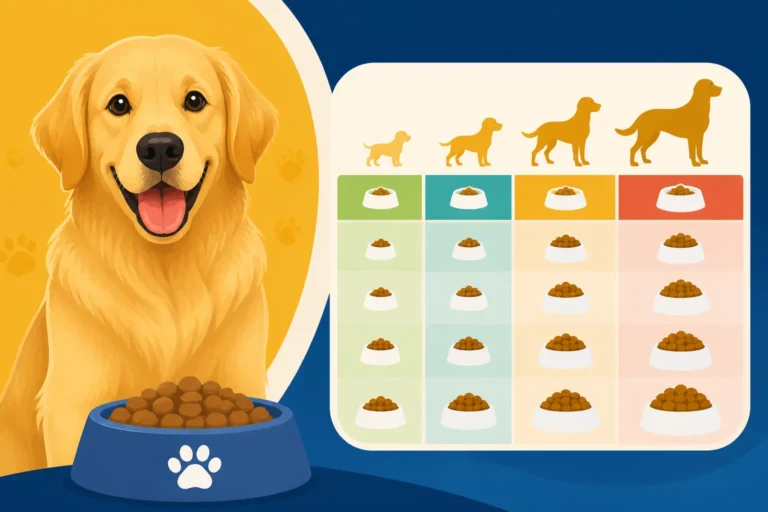
How Many Treats a Golden Retriever Can Have
It’s a tale as old as time for Golden Retriever owners: you look into those soulful, eager eyes, and suddenly, that treat bag just opens. We all want to spoil our furry best friends, and treats are such an easy way to show them love and make them happy. But in our heartfelt desire to give them everything, it’s all too easy to overdo it, leading to sneaky extra calories that can impact their health and well-being. This guide is all about striking that perfect balance, so you can keep those tail wags going strong without compromising your beloved Golden’s healthy lifestyle.
The Golden Rule: The 10% Treat Guideline
When it comes to treats, it's often a bit like our own snack habits – a little bit here, a little bit there, and suddenly, you've consumed a lot more than you intended. For our Golden Retrievers, those seemingly small gestures add up quickly, which is why veterinarians and canine nutritionists universally recommend what's known as the "10% rule." This isn't just a suggestion; it’s a crucial guideline designed to keep your Golden in optimal health.
What the 10% Rule Really Means
The 10% rule is pretty straightforward in principle, but it requires a tiny bit of homework on your part. It dictates that treats should make up no more than 10% of your Golden Retriever's total daily caloric intake. Think about it: if your Golden needs 1,500 calories a day to maintain a healthy weight, then only 150 of those calories should come from treats. The rest, a whopping 90%, should be provided by a complete and balanced dog food that delivers all the essential nutrients your Golden needs.
This rule exists because treats, by their very nature, are usually not nutritionally complete. They're often high in fat, sugar, or simple carbohydrates, and while delicious, they don't offer the balanced vitamins, minerals, and protein that a high-quality dog food does. If treats make up a larger portion of their diet, your Golden could be missing out on vital nutrients, even if they seem full. It’s not just about weight gain; it’s about ensuring they get what they need to thrive.
Let’s say you have a popular commercial treat. Many treat packages will actually list the caloric content per treat, which is incredibly helpful. For example, if a single treat is 25 calories, and your Golden can have 150 treat calories a day, that means you can offer them about six of those specific treats. If you're using smaller, low-calorie training treats, you might be able to offer more individual pieces, but the total caloric allowance remains the same. This approach forces us to be mindful and deliberate with every treat we hand out, turning a loving gesture into a health-conscious one.
Why Too Many Treats Are a Problem for Goldens
While it's hard to resist those puppy-dog eyes, over-treating your Golden Retriever can lead to a host of health problems. Goldens, like many larger breeds, are already prone to certain conditions, and excess weight only exacerbates these issues. It's a real shame when our desire to spoil them inadvertently contributes to their discomfort or illness down the line.
Obesity is perhaps the most obvious concern. A few extra pounds on a human might not seem like a big deal, but on a Golden Retriever, it adds significant stress to their joints. Golden Retrievers are unfortunately predisposed to Golden Retriever Hip and Elbow Dysplasia Explained, and carrying extra weight makes these conditions worse, often leading to more pain and earlier onset of arthritis. Imagine walking around all day with a backpack full of bricks – that’s what a few extra pounds feel like to your Golden’s joints. Beyond orthopaedic issues, obesity can contribute to heart disease, diabetes, and even certain types of cancer. It can also make them less energetic, reducing their enjoyment of walks and playtime, which further contributes to weight gain in a vicious cycle. You can learn more about this by reading How Extra Weight Shortens a Golden Retriever's Life.
Beyond the physical health concerns, an overabundance of treats can lead to behavioral and nutritional imbalances. If your Golden is filling up on treats, they might become picky eaters when it comes to their regular food, leading to battles at mealtime and potential nutrient deficiencies. It can also teach them that begging and persistent behavior lead to rewards, reinforcing habits we might not want. A truly healthy Golden is one that receives balanced nutrition and maintains a healthy weight throughout their life.
Calculating Your Golden's Daily Calorie Needs
Figuring out your Golden Retriever's exact daily caloric needs is the first step in implementing the 10% treat rule effectively. This isn't a one-size-fits-all number, as several factors play a significant role. It’s also crucial to remember that this isn't about rigid restriction, but rather informed portion control to keep them healthy and happy for as long as possible.
Generally, an active adult Golden Retriever typically needs between 1,200 to 2,000 calories per day, but this can vary wildly based on their individual metabolism, activity level, and whether they are spayed or neutered. Spayed and neutered dogs often have slightly lower caloric needs because their metabolism can slow down. A very athletic Golden who jogs with you daily will naturally require more fuel than a couch potato who enjoys short strolls around the block. Puppies, too, have different needs; they require more calories for growth but must be fed a Large Breed Puppy Food and Why Goldens Need It to ensure proper development without growing too quickly, which can damage their joints.
The best place to start is by looking at the feeding guidelines on your Golden's regular dog food bag. Most high-quality dog foods will provide a chart based on your dog's weight and activity level. This gives you a solid baseline for their total daily calories. From there, you can calculate 10% of that number. Remember, this is a starting point. Your veterinarian is an invaluable resource here. During your routine check-ups, they can assess your Golden's body condition score and help you fine-tune their caloric intake, taking into account any specific health conditions or lifestyle changes. Don't hesitate to ask your vet for a precise calorie target, especially if you're concerned about weight management or if your Golden is a puppy or a senior dog. It’s a simple conversation that can make a huge difference in their long-term health.
Types of Treats and Their Caloric Impact
Not all treats are created equal, and understanding the differences in their caloric density can significantly influence how many you can give your Golden Retriever without exceeding that crucial 10% daily limit. It's easy to think a treat is just a treat, but their nutritional profiles and calorie counts vary widely, much like human snacks. Being mindful of these differences empowers you to make smarter choices for your Golden.
High-Value, High-Calorie Training Treats
When you're trying to teach your Golden Retriever a new command, especially something challenging like Teaching a Golden Retriever to Come When Called in a distracting environment, high-value treats are often your secret weapon. These are the treats that make your Golden's eyes light up, the ones they'll do almost anything for. Think small pieces of cooked chicken, cheese, hot dogs, or many commercial soft, chewy training treats. The problem? Many of these are also high in calories.
Because these treats are so motivating, we tend to use a lot of them during training sessions. A typical training session might involve dozens of repetitions, and if each tiny piece is 5-10 calories, those calories add up astonishingly fast. You could easily blow through your Golden’s entire 10% treat allowance in just one focused training session. This isn't to say you should avoid them entirely; they're incredibly effective. Instead, focus on cutting them into the absolute smallest, pea-sized pieces possible. Your Golden doesn't need a large chunk to register the reward; often, just the taste and scent are enough. You can also mix in some lower-calorie options, like freeze-dried liver (which is high-value but often lower in fat) or even small bits of their regular kibble, to stretch the training session without overfeeding. When shopping on sites like Chewy or Amazon, you'll find a vast selection, but always check the caloric count.
The goal with high-value treats is impact, not volume. Use them judiciously for breakthrough moments or particularly difficult tasks. For general reinforcement or maintenance training, you can often scale back to less calorically dense options. Being smart about how you deploy these powerful motivators ensures you get the training results you want without inadvertently contributing to weight gain. Consider these treats like gourmet chocolates – wonderful in moderation, but not for everyday snacking. You can find more tips on effective treats in Best Treats for Training a Golden Retriever.
Low-Calorie, Everyday Snacking Options
For those moments when you just want to offer a little something extra, or if you have an overweight Golden Retriever who needs to shed a few pounds, low-calorie options are your best friend. These treats allow you to show affection or provide a small reward without significantly impacting their daily caloric budget. It’s about volume and satisfaction, not just taste.
Many common fruits and vegetables make excellent low-calorie snacks that most Goldens adore. Small pieces of carrots, green beans, apple slices (without seeds), cucumber, or even blueberries can be fantastic. These provide fiber and vitamins without the heavy calorie load of commercial treats. Just be sure to always check a list of Fruits and Vegetables Safe for Golden Retrievers as some human foods can be toxic. When choosing commercial low-calorie treats, look for options specifically marketed as "light" or "weight management" treats. These often have fewer calories per piece and are formulated to be less dense. Brands like Blue Buffalo or Zuke's often have popular low-calorie options available on platforms like Amazon or Chewy.
The key with these snacks is still moderation, but you have much more wiggle room. You can offer a few more pieces of carrot sticks during the day, or use them more frequently for minor rewards, without the same guilt. This is particularly helpful for Goldens who are highly food-motivated and seem to always be asking for a bite. It allows you to satisfy their treat-seeking behavior in a much healthier way. These options become especially important for Goldens heading into their senior years when Golden Retriever Arthritis and Joint Decline becomes a concern, and maintaining a healthy weight is paramount.
Chews and Dental Treats: Hidden Calories
Many Golden Retriever owners rely on dental chews or longer-lasting recreational chews to help with oral hygiene or to keep their dogs occupied. These can be fantastic tools, but it’s a common mistake to think of them as calorie-free. In reality, many dental chews, bully sticks, and other long-lasting chews can pack a significant caloric punch that needs to be factored into your Golden’s daily allowance.
For example, a single dental chew designed for a large breed dog can contain anywhere from 50 to 200 calories or more. If your Golden is on a 1500-calorie diet and gets a treat allowance of 150 calories, one dental chew could easily consume that entire allowance, leaving no room for other training treats or affectionate snacks throughout the day. It’s critical to read the packaging carefully for these products. Just like regular treats, their caloric content should be listed. You might be surprised at how much they contribute to your Golden's overall intake.
When choosing dental treats, look for ones that are endorsed by the Veterinary Oral Health Council (VOHC) for proven effectiveness in plaque and tartar reduction. However, even VOHC-approved chews still have calories. Consider offering these types of chews less frequently, perhaps a few times a week rather than daily, or opting for smaller sizes if appropriate. If you're concerned about your Golden's dental health, remember that nothing beats regular brushing at home and professional dental cleanings with your vet. Relying solely on dental chews can be a costly caloric endeavor if not managed properly. For other ideas, you might find Dental Chews That Work for Golden Retrievers helpful.
| Treat Type | Caloric Density (Approx.) | Common Use | Considerations |
|---|---|---|---|
| Small Training Bites | High | Training, immediate reward | Cut into tiny pieces, use sparingly, check label |
| Hard Biscuits/Cookies | Medium to High | General treat, occasional | Larger pieces mean more calories, break in half |
| Soft Chewy Treats | Medium | Training, medication hiding | Often palatable, but calories add up fast |
| Dental Chews | Medium to High | Oral hygiene, boredom | Significant hidden calories, read labels closely |
| Vegetables (Carrots, Green Beans) | Very Low | Healthy snack, volume | Excellent for frequent use, check safe food list |
| Fruits (Apples, Blueberries) | Low | Healthy snack, variety | Moderate amounts, remove seeds/pits |
| Freeze-Dried Meat | Medium | Training, high-value | Often lower fat than other high-value options |
Smart Treat Strategies for Golden Retriever Owners
Knowing how many treats your Golden Retriever can have is one thing; actually managing it in daily life is another. It requires a bit of planning and consistent effort, especially when you’re dealing with a breed as charming and food-motivated as a Golden. But with a few smart strategies, you can continue to use treats effectively without derailing their health goals.
Making Treats Work for Training, Not Just Spoiling
One of the best ways to justify those treat calories is by using them as powerful tools for positive reinforcement in training. Golden Retrievers are incredibly intelligent and eager to please, and they respond wonderfully to reward-based training. Every treat can become a valuable lesson, reinforcing good behavior rather than just being a random handout. Training a Golden Retriever From Puppy to Adult is much easier with judicious treat use.
Instead of showering your Golden with treats just because they're cute, tie each treat to a specific action or behavior you want to encourage. Did they sit politely when a guest arrived? Treat! Did they come when called from across the yard? Jackpot treat! Are they Loose Leash Walking With a Golden Retriever without pulling? Treat! This method helps your Golden understand why they're getting a reward, making the training much more effective and building a stronger bond based on clear communication.
For particularly challenging tasks, use your high-value treats sparingly. For everyday maintenance, or when you’re doing a quick review of commands, you can switch to lower-calorie options or even use small pieces of their regular kibble. This strategy stretches your treat allowance further while maximizing its impact. Remember, the goal is to fade the food reward over time, eventually replacing it with verbal praise, petting, or a favorite toy, so your Golden isn't solely dependent on treats for good behavior. But during the initial learning phases, treats are invaluable.
Creative Ways to Extend Treat Time (Without More Calories)
Sometimes, it’s not just about the calorie count of a single treat, but the experience of getting a treat. Goldens love to work for things, and you can leverage this natural drive to extend their treat enjoyment without piling on extra calories. These methods are excellent for mental enrichment and can keep your Golden happily occupied, especially when you need a moment of peace.
One fantastic way to make treats last is by using puzzle feeders and interactive toys. Instead of handing over a treat, place a small, measured portion of their daily treat allowance (or even some of their regular kibble) inside a KONG or a puzzle toy. Your Golden will spend time sniffing, nudging, and problem-solving to get the reward, making those few calories feel like a much bigger accomplishment. This not only slows down consumption but also provides valuable Mental Enrichment for a Bored Golden Retriever. Brands like KONG are readily available on Amazon or Chewy and come in various difficulty levels.
Another creative option is frozen treats. You can blend a tiny amount of dog-safe peanut butter (xylitol-free!), plain yogurt, or canned pumpkin with water and freeze it in a silicone mold or a KONG. These take much longer to consume than a traditional treat and can be a fantastic way to cool down your Golden on a hot day. Similarly, you can freeze low-sodium chicken broth in ice cube trays for a refreshing, low-calorie snack. These methods offer extended enjoyment and mental stimulation, making your Golden feel spoiled without actually overfeeding them.
Involving the Family in the Treat Plan
You can have the most meticulous treat plan in the world, but if everyone in the household isn't on the same page, it's bound to unravel. Golden Retrievers are masters of manipulation when it comes to getting treats, and they'll quickly figure out who the "easy mark" is. Consistency among all family members is absolutely crucial for managing your Golden's treat intake and ensuring their long-term health.
Hold a family meeting and clearly explain the 10% treat rule and the daily caloric limit for your Golden. Make sure everyone understands what types of treats are allowed and how many. It can be helpful to have a designated "treat jar" with pre-portioned daily treats, so once it's empty, everyone knows the treat allowance for the day has been met. This takes the guesswork out of it and prevents accidental overfeeding. You could even assign specific family members to give certain treats, like dad gives a dental chew after dinner, while the kids use veggies for training during playtime.
It's also important to discuss why it's harmful to feed table scraps, especially if they're not on the approved list of Human Foods Safe for a Golden Retriever. Explain the health risks, from obesity to potential toxic reactions. Help children understand that giving a dog "just a little bit" can actually hurt them, even if it feels like an act of love. Empowering everyone with knowledge and a clear plan creates a unified front against those irresistible Golden Retriever charm tactics, ensuring your beloved companion stays healthy and happy for years to come.
When to Rethink Your Golden's Treat Regimen
Even with the best intentions, our Golden Retrievers' needs can change over time, requiring us to re-evaluate their diet and treat intake. What worked perfectly for an active young adult might not be appropriate for a growing puppy or a slowing senior. It’s important to be vigilant and ready to adjust, always prioritizing their health above our desire to shower them with extra goodies.
Signs Your Golden Retriever is Gaining Too Much Weight
One of the most immediate indicators that your treat regimen might be too generous is unexplained weight gain. Goldens are naturally sturdy dogs, but they shouldn't be pudgy or round. Learning how to properly assess your Golden's body condition score is an essential skill for every owner. You can't just rely on the scale, as two Goldens of the same weight might have very different body compositions.
Ideally, you should be able to easily feel your Golden Retriever's ribs without pressing hard. They shouldn't be visible, but definitely palpable, almost like feeling the back of your hand. When you look at your Golden from above, you should see a discernible waistline, an "hourglass" figure, rather than a straight line or a widening middle. From the side, their abdomen should tuck up slightly, not hang low. If you can't easily feel their ribs, or if their waistline is disappearing, it's a strong sign that they're carrying too much weight. You can find more detail on this by reading Feeling a Golden Retriever's Ribs the Right Way.
Other signs might be less obvious but equally important. Notice if your Golden seems less enthusiastic about exercise, gets winded more easily, or struggles to jump into the car or onto the couch. These could be subtle Arthritis Signs in an Eight-Year-Old Golden being exacerbated by extra weight. If you observe any of these changes, it's definitely time to reassess their treat intake and overall diet.
Consulting Your Vet on Nutrition and Treat Intake
If you suspect your Golden Retriever is gaining too much weight, or if you simply want to ensure their treat regimen is optimized for their current life stage, your veterinarian is your most important ally. They have the expertise to provide personalized guidance that goes beyond general recommendations.
During routine check-ups, your vet will perform a physical exam, which includes assessing your Golden's weight and body condition. They can objectively tell you if your Golden is at a healthy weight, needs to lose a few pounds, or even if they're too thin (which can also be a concern). Don't be afraid to bring up your treat habits. Be honest about what you're feeding, including all commercial treats, human snacks, and dental chews. This comprehensive picture allows your vet to give you the most accurate advice. They can help you calculate a precise daily caloric target for your Golden and recommend specific low-calorie treats or dietary adjustments to help them reach or maintain a healthy weight.
Your vet can also rule out any underlying medical conditions that might be contributing to weight gain, such as Hypothyroidism in Golden Retrievers, which can cause a slower metabolism. Think of your vet as your partner in your Golden's health journey – they’re there to provide professional, tailored advice to ensure your furry family member enjoys a long, healthy life. Remember, Why Goldens Need Vet Visits Twice a Year is about proactive care.
Adjusting for Life Stages and Activity Levels
A Golden Retriever's nutritional needs, and therefore their treat allowance, will naturally evolve throughout their life. What’s appropriate for a rambunctious puppy isn't the same for a mellow senior. Being flexible and adjusting your treat strategy accordingly is key to lifelong health.
Puppies, for instance, are growing rapidly and have high energy levels, but their developing joints are vulnerable. While they need sufficient calories for growth, it's crucial not to overfeed them, as rapid growth can contribute to conditions like hip dysplasia. Their treats should be carefully factored into their daily calorie intake, and often, smaller, more frequent training treats are more effective than large, occasional ones. For more specific guidance on this delicate balance, consider Exercise Limits for a Golden Retriever Puppy.
As Goldens transition into their adult years, their caloric needs might stabilize, but their activity level can still vary greatly. A Golden involved in agility or retrieving sports will naturally burn more calories than one whose primary exercise is a daily walk around the block. Monitor their body condition closely and adjust treat portions as needed. If you notice they're gaining weight, scale back on treats or switch to lower-calorie options. If they're particularly active, you might have slightly more wiggle room, but always within the 10% rule.
For senior Goldens, typically those over 7 or 8 years old, their metabolism often slows down, and their activity levels might decrease. This means their caloric needs will likely be lower, and treats must be managed even more carefully to prevent weight gain, which can exacerbate age-related joint issues like Golden Retriever Arthritis and Joint Decline. Many senior Goldens also appreciate softer treats that are easier on their aging teeth. The journey of Caring for a Senior Golden Retriever is different, and their treat allowance will reflect that. Keeping their weight in check is one of the kindest things you can do for an aging Golden.
Disclaimer
This article is for general informational purposes only and does not constitute professional advice. Laws, prices and regulations vary by location and change over time. Consult a qualified professional for guidance on your specific situation.