The Guisachan Estate Where Golden Retrievers Began
Have you ever looked at your sweet, goofy Golden Retriever, perhaps curled up on their favorite bed from Chewy, and wondered about their origins? It's easy to take for granted these wonderful dogs we share our lives with, but their story is rich with history, stemming from a specific place and a passionate vision. This guide delves into the legendary Guisachan Estate in the Scottish Highlands, the very cradle where our beloved Golden Retrievers first came into being.
The Genesis of the Golden Retriever: Lord Tweedmouth and His Vision
For many Golden Retriever owners, there's a deep curiosity about where these incredible dogs truly came from. It's not just a matter of lineage; it's about understanding the very essence of their temperament, their intelligence, and that unwavering desire to please. The story of the Golden Retriever, contrary to some popular myths, doesn't begin in a Russian circus tent, but rather in the thoughtful, deliberate breeding program of a Scottish nobleman, Dudley Coutts Marjoribanks, the first Lord Tweedmouth. He wasn't just casually breeding dogs; he had a very specific goal in mind: to create the ultimate retrieving dog for the rugged Scottish terrain.
Lord Tweedmouth's Experimentation
Lord Tweedmouth was a keen hunter and an astute dog breeder. He understood the need for a dog that possessed a "soft mouth" to retrieve game without damaging it, an eagerness to please, intelligence, and the stamina to work in the challenging climate of the Scottish Highlands. This wasn't a haphazard endeavor. He kept meticulous records, something that was quite revolutionary for his time, documenting every mating and the resulting offspring. This dedication is precisely why we can trace the Golden Retriever's ancestry back to his kennels at Guisachan. His initial acquisition of a yellow-coated wavy-coated retriever, named Nous, was the pivotal moment. Nous, born in 1864, was reportedly the only yellow puppy in a litter of otherwise black retrievers. Lord Tweedmouth saw something special in him, a unique characteristic that would become the hallmark of a new breed. He then bred Nous to a Tweed Water Spaniel named Belle, a breed now extinct, known for its keen retrieving abilities and water prowess. This pairing, far from random, was the calculated start of something extraordinary. The initial litter from Nous and Belle, born in 1868, produced four yellow puppies, and these were the true progenitors of the Golden Retriever line.
Dispelling the Russian Circus Dog Myth
For a long time, a charming but entirely untrue myth circulated that Golden Retrievers originated from Russian circus dogs. The story goes that Lord Tweedmouth saw these highly intelligent and talented dogs perform, was so impressed that he bought a whole troupe of them, and then brought them back to Guisachan to breed. While it paints a vivid picture, the detailed records kept by Lord Tweedmouth himself unequivocally prove this to be false. His stud books, preserved for posterity and later published, lay out the exact breeding program, including the names of the dogs, their parents, and their lineage. This historical documentation is critical because it offers verifiable evidence, allowing us to understand the precise genetic foundation of the breed. It shows a careful, scientific approach to dog breeding, focused on specific traits rather than exotic origins. The idea of Russian circus dogs, while endearing, simply doesn't hold up to the factual history. Instead, we have a testament to deliberate selection and thoughtful husbandry that truly created the Golden Retriever. You can delve more into this fascinating history in The Stud Book That Proved the Golden's Real Origin.
Guisachan Estate: The Cradle of the Breed
Guisachan isn't just a place; it's a historical landmark, a pastoral canvas where the Golden Retriever's distinct characteristics were first painted. Nestled deep in the Scottish Highlands, this estate provided the perfect environment for Lord Tweedmouth's ambitious breeding project. The rugged landscape, the abundant game, and the isolated setting all contributed to shaping a dog that was not only beautiful but also incredibly capable and intelligent.
Location and Setting
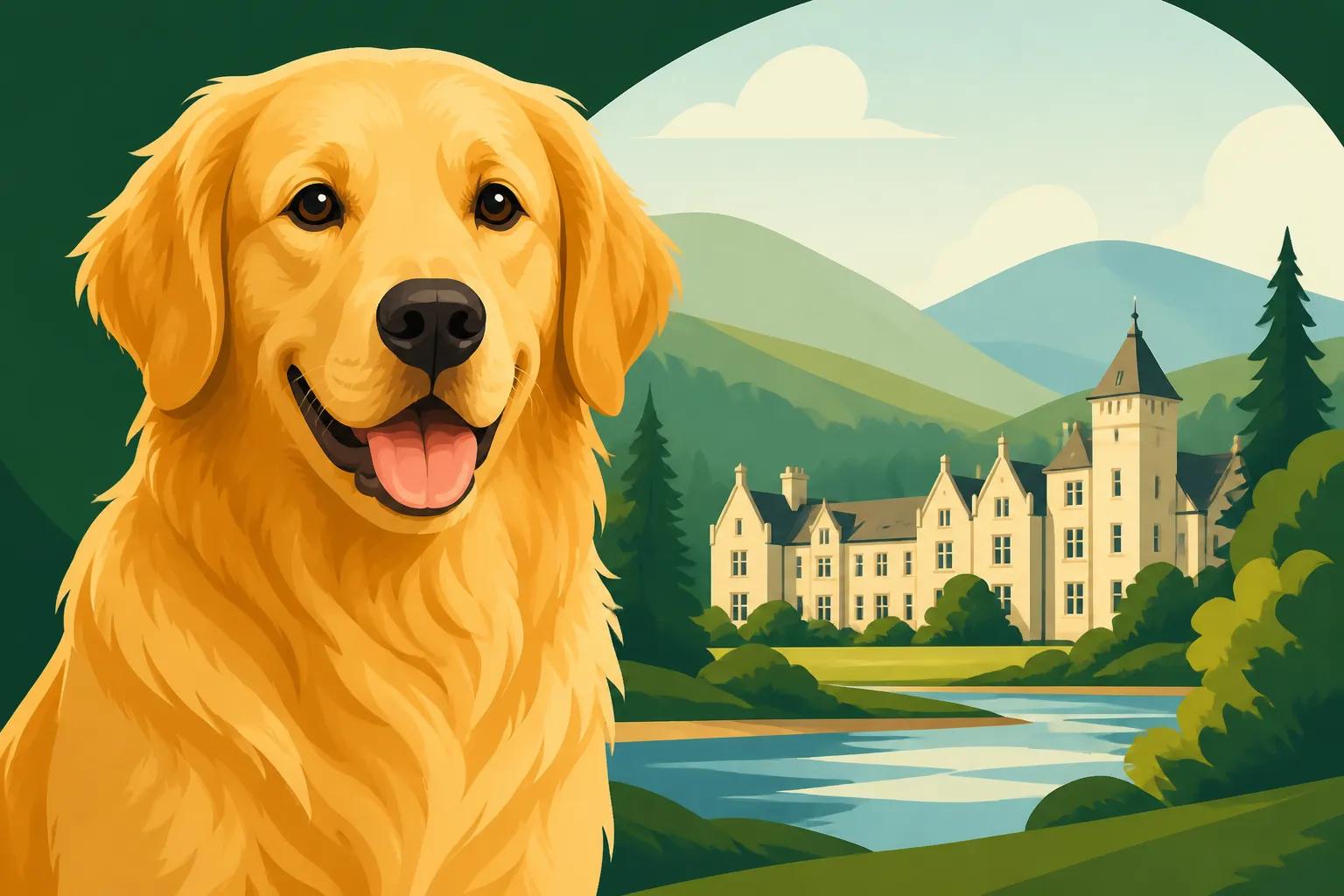
Imagine a place of rolling hills, dense woodlands, and crystal-clear lochs, all under the vast, often dramatic, Scottish sky. That's the breathtaking setting of the Guisachan Estate, near Tomich, Inverness-shire. This geographical isolation was crucial. It meant that Lord Tweedmouth could control his breeding lines without much outside interference, ensuring the purity and consistent development of the traits he desired. The estate was vast, offering ample space for the dogs to run, train, and develop their retrieving skills in natural environments – from open moorland to dense thickets and icy waters. The climate, too, played a role; a robust, water-resistant double coat, a hallmark of the Golden Retriever, would have been essential for working in the often-chilly and wet Scottish weather. This environment wasn't just a backdrop; it was an active participant in the breed's formation, selecting for hardiness, endurance, and an innate drive to work alongside their human companions. When you see your Golden bounding through tall grass or splashing in a pond, you're seeing echoes of their Guisachan heritage.
The Mansion and Kennels
The centerpiece of the Guisachan Estate was, of course, the grand mansion, a fitting residence for a man of Lord Tweedmouth's stature. But for us Golden Retriever enthusiasts, the true heart of the estate was undoubtedly the kennels. These were not mere dog runs; they were meticulously maintained facilities where the foundational dogs were housed and cared for. We can picture the rows of eager Golden puppies, their soft coats shimmering yellow, awaiting their daily training sessions. The structure and layout of these kennels would have been designed to ensure the health and well-being of the dogs, facilitating breeding, whelping, and the early socialization crucial for developing their renowned temperament. While the mansion was for human comfort, the kennels were where the serious work of breed development took place. It was here that the specific traits – the gentle mouth, the biddable nature, the intelligence, and the beautiful coat – were nurtured through careful selection and consistent care. Even now, envisioning these kennels helps us connect with the hands-on dedication that brought our Golden companions into existence.
The Foundational Dogs: Nous, Belle, and Beyond
The story of the Golden Retriever isn't just about a place; it's about specific individuals – dogs whose genes became the very blueprint for the breed we adore today. Without the right combination of traits in those initial pairings, the Golden Retriever as we know it might never have existed. It truly underscores the power of selective breeding and the insight of a dedicated breeder.
Nous and Belle: The Original Pair
The undisputed patriarch and matriarch of the Golden Retriever breed are Nous and Belle. Nous, a yellow Wavy-Coated Retriever, was acquired by Lord Tweedmouth in 1864 from a shoemaker in Brighton. He was a striking dog, standing out with his unique yellow coat amidst his black-coated brethren. Lord Tweedmouth, discerning the potential in this unusual color and Nous's excellent retrieving ability, chose him for his breeding program. Belle, a Tweed Water Spaniel, was specifically selected for her exceptional retrieving skills, water proficiency, and gentle disposition. The Tweed Water Spaniel, a now extinct breed from the Scottish Borders, was known for its dense, curly coat, liver color, and keen intelligence – perfect traits to complement Nous. The first litter from Nous and Belle, born in 1868, included four yellow puppies: Cowslip, Primrose, Crocus, and Ada. These four puppies are universally recognized as the direct ancestors of every single Golden Retriever alive today. This foundational pairing established the core characteristics that would define the breed: retrieving prowess, a kindly disposition, and that distinctive golden hue. The careful selection of these two dogs highlights Lord Tweedmouth's clear vision and understanding of canine genetics. You can read more about these pivotal dogs in Nous and Belle: The Golden Retriever's Foundation Pair.
The "Yellow Retriever" Lines
From those initial four puppies, Lord Tweedmouth continued his breeding program, meticulously tracking the lineage. He kept Cowslip, one of the female puppies from the Nous and Belle litter, and bred her back to a different dog, a Red Setter named Sampson, to introduce new blood and further refine the desired traits. He also selectively bred within his emerging "yellow retriever" lines, often using dogs from other Wavy-Coated Retriever kennels, but always prioritizing the yellow coat and exceptional retrieving ability. The goal was consistency, both in appearance and in working aptitude. For a period, these dogs were actually known as "Yellow Retrievers" or "Flat-Coat Goldens" before the name "Golden Retriever" eventually stuck. This era of focused development ensured that the breed's core qualities were solidified. The dogs were not just beautiful; they were highly functional, intelligent, and possessed the friendly, biddable nature that we cherish in Goldens today. This commitment to maintaining the specific "yellow" color and exceptional retrieving skills, even as the lines expanded, shows the deep commitment to the nascent breed's identity. Understanding this early nomenclature helps us appreciate the journey to the widely recognized name we use today.
Life at Guisachan: A Golden Retriever's Paradise
Life for a Golden Retriever at Guisachan was far from idle. These weren't pampered show dogs, though they were certainly cherished. They were working companions, bred and trained for a specific, demanding purpose. This active lifestyle, combined with careful husbandry, forged the physical and mental resilience that remains a hallmark of the breed.
Purpose-Bred for Retrieval
Lord Tweedmouth specifically developed the Golden Retriever to excel as a gun dog, particularly for retrieving waterfowl and upland game during hunts on his expansive estate. This meant they needed more than just a good nose or a pretty coat. They required exceptional stamina to work all day in varied terrain and often harsh weather, a powerful swimming ability to retrieve birds from cold lochs and rivers, and most crucially, that "soft mouth." A soft mouth meant they could carry delicate game birds back to their master without crushing or damaging them. Training at Guisachan would have been rigorous, focusing on obedience, scent work, and perfecting the retrieve. The dogs would have learned to mark fallen birds, navigate challenging cover, and respond instantly to commands. This intense focus on a working purpose instilled in the breed an inherent drive to retrieve, a trait many Golden owners see today when their dog enthusiastically brings them a favorite toy, or even a pair of slippers! It's a fundamental part of What Golden Retrievers Were Bred to Do. This deep-seated instinct isn't just cute; it's a direct link to their historical role as invaluable partners to hunters.
Training and Companionship
Beyond their role in the field, the Golden Retrievers at Guisachan were also valued companions. Lord Tweedmouth and his family understood that a dog that could work closely with humans needed a temperament that was both biddable and affectionate. The dogs lived in close proximity to their human handlers, not just in isolated kennels. This constant interaction was vital for their socialization and for fostering that strong bond that Golden Retrievers are famous for. Training was likely conducted with patience and positive reinforcement, as was common for retrieving breeds, focusing on building trust and cooperation. Imagine the dogs learning to "heel" gracefully alongside their master, or "sit" patiently during long waits in the field, all while being showered with praise and affection. This combination of purpose-driven training and genuine companionship meant that the Goldens developed not only into expert retrievers but also into remarkably friendly, intelligent, and loyal dogs. This dual role—worker and family member—is precisely why the Golden Retriever's Golden Retriever Temperament and Personality is so balanced and beloved today. They were truly partners, in every sense of the word.
The Legacy of Guisachan and Its Modern Relevance
While the grand mansion of Guisachan now lies in ruins, its legacy is anything but forgotten. The work done there over a century and a half ago continues to shape the Golden Retriever breed and influences how we appreciate these dogs today. It’s a powerful reminder that every wagging tail and gentle nudge carries with it a rich history.
Influence on the Breed Standard
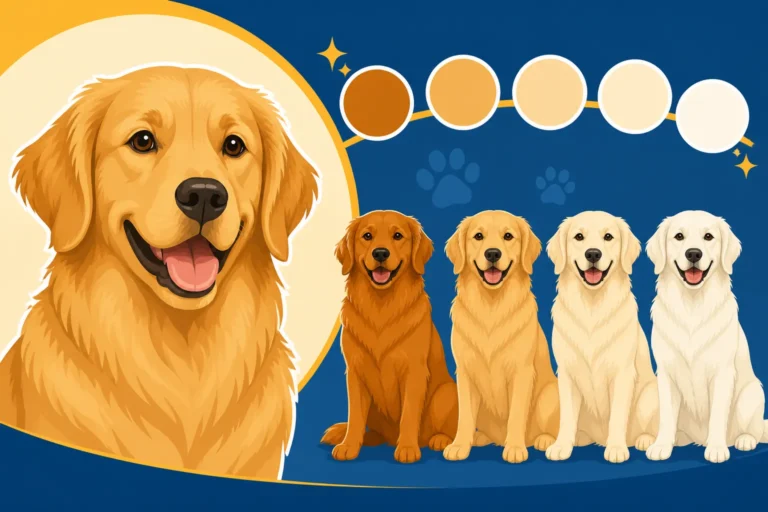
Lord Tweedmouth's meticulous record-keeping and deliberate breeding at Guisachan established the fundamental characteristics that would eventually become the foundation of the Golden Retriever breed standard. This standard, adopted by kennel clubs worldwide, outlines the ideal physical appearance, temperament, and working attributes of the breed. Think about the distinctive golden coat, ranging from light cream to a rich, dark golden, which directly traces back to Nous and his "yellow" lineage. The strong, intelligent head, the kind expression, the powerful build designed for endurance, and the water-repellent double coat – all of these features were cultivated and refined at Guisachan. Furthermore, the breed standard emphasizes the Golden Retriever’s inherent kindness, intelligence, and eagerness to please, qualities that were carefully selected for their utility in a working dog and their suitability as a companion. So, when judges assess a Golden in the show ring, or when you simply admire your own dog's classic good looks, you're seeing the direct, lasting influence of the Guisachan breeding program. The entire breed’s identity is steeped in this heritage.
The Guisachan Gathering
In a testament to the enduring legacy of Guisachan, the Golden Retriever Club of Scotland, in collaboration with the Golden Retriever Club of America and others, periodically hosts a remarkable event known as the Guisachan Gathering. This international pilgrimage brings Golden Retriever owners, breeders, and enthusiasts from all over the world to the historic grounds where the breed began. It’s a truly moving experience, seeing hundreds, sometimes thousands, of Goldens running and playing on the very land their ancestors once roamed. The gathering isn't just a celebration; it's an opportunity to connect with the breed’s roots, share stories, participate in events, and honor Lord Tweedmouth’s vision. It underscores the global community united by this beloved breed and serves as a powerful reminder of the importance of preserving canine heritage. For many, it's a deeply emotional experience, a chance to walk in the paw prints of history and reaffirm their love for these extraordinary dogs. Seeing so many beautiful Goldens together, all descendants of that original Guisachan line, is a truly special sight that reinforces the global appeal and enduring nature of the breed.
Visiting Guisachan Today: A Pilgrimage for Golden Lovers
The Guisachan Estate, though changed dramatically over the years, remains a sacred site for anyone who loves Golden Retrievers. While the grand manor may be a ruin, the spirit of the place endures, offering a unique connection to the breed's foundational history. For many, a visit here is more than just tourism; it's a pilgrimage.
What Remains of the Estate
Today, the once-grand Guisachan mansion stands largely as a beautiful ruin, reclaimed by nature to some extent. The roof is gone, and the walls are open to the elements, but its skeletal structure still hints at its former glory. The surrounding estate, however, retains much of its original character with vast stretches of land, woodlands, and the serene Scottish landscape that was so integral to the Goldens' development. While the kennels where Nous and Belle lived are no longer standing as intact structures, their approximate location is known and marked. Visitors can explore the grounds, walk the paths where the original Goldens would have trained, and soak in the atmosphere of this historical site. It's a place that evokes a strong sense of history, allowing you to mentally picture Lord Tweedmouth with his dogs, working and training them amidst the stunning scenery. For those interested in seeing the physical remnants, What Is Left of the Guisachan Estate Today offers a deeper look.
| Feature | Original Guisachan (Late 1800s) | Modern Guisachan (Today) |
|---|---|---|
| Mansion | Grand, fully functional residence | Largely a beautiful, atmospheric ruin, open to elements |
| Kennels | Meticulously maintained, active breeding | Foundations or traces remain; not intact structures |
| Land Use | Active hunting estate, game management | Natural landscape, some public access, conservation focus |
| Golden Presence | Site of original breeding and training | Site of historical significance, occasional gatherings of Goldens |
| Accessibility | Private estate of Lord Tweedmouth | Accessible to the public, especially during gatherings |
| Purpose | Creation and refinement of the breed | Commemoration of breed origins, historical appreciation |
Paying Homage to the Origin
Visiting Guisachan is a profoundly personal experience for many Golden Retriever owners. It's a chance to walk the hallowed ground where their beloved breed first took shape. You can stand on the very earth where Nous and Belle romped, where the first Golden puppies, like Crocus, Cowslip, and Primrose, learned the ropes of retrieving. For some, it involves a quiet moment of reflection, imagining the sights and sounds of the estate in its prime. Others might bring a photo of their own Golden, feeling a tangible connection across generations. It’s an opportunity to truly appreciate the painstaking effort and foresight that went into creating these remarkable dogs. Many visitors leave feeling a renewed sense of gratitude for Lord Tweedmouth's enduring legacy and the gift of the Golden Retriever. This feeling of connection to the past deepens the bond we feel with our own furry family members, making their presence in our lives even more meaningful. When you watch your own Golden enthusiastically chase a ball or snuggle up beside you, you're witnessing the continuation of a lineage that started right here, at Guisachan. Imagine the stories your dog could tell if they knew their ancestral home!
The Lasting Impact of Guisachan on Golden Retriever Ownership
The story of Guisachan isn't just ancient history; it deeply informs how we understand and care for Golden Retrievers today. Knowing their origins helps us appreciate their instincts, their needs, and even their quirks. It reminds us that these dogs were bred for more than just beauty; they were bred for a partnership, a role they still excel at in our modern homes.
Understanding the Breed's Core Instincts
Because Golden Retrievers were so intentionally bred at Guisachan for retrieving, these instincts are still incredibly strong in every Golden today. This is why they love to carry things around – a treasured toy, your socks, a leaf from the yard, or even that package you just received from Chewy. It's not just a random habit; it's a direct link to their ancestors being taught to gently carry game. This strong retrieving drive means that mental and physical stimulation through games of fetch, puzzle toys, and even just letting them "help" carry groceries are not just fun, but essential for their well-being. Without an outlet for these innate drives, a Golden can become bored or even destructive, finding their own "jobs" to do, which might not always align with your household rules. Recognizing this deep-seated history allows us to better meet their needs, providing enrichment that taps into their genetic programming. It's about respecting the animal they were created to be.
The Importance of Health and Temperament
Lord Tweedmouth's careful breeding also laid the groundwork for the Golden Retriever's famously stable and friendly temperament. He selected for dogs that were not only skilled in the field but also biddable and good-natured. This emphasis on temperament is crucial for a dog that works closely with humans and often lives as a family companion. While modern breeders have expanded upon these foundations, the core genetic legacy of good temperament from Guisachan remains vital. Similarly, Lord Tweedmouth would have aimed for robust, healthy dogs capable of enduring the rigors of hunting. Today, responsible breeders continue this tradition by focusing on health clearances for conditions like hip and elbow dysplasia, eye diseases, and heart conditions. Just like those early Goldens at Guisachan, our dogs thrive when their physical and mental health are prioritized. Knowing their history helps us appreciate why seeking out a reputable breeder who conducts thorough health screenings and prioritizes temperament is so important. These foundations from Guisachan are literally embedded in their DNA. For more on health, consider Health Clearances a Golden Retriever Breeder Must Show.
Connecting to a Global Community
The story of Guisachan isn't just about one man and his dogs; it's about the creation of a breed that has touched millions of lives worldwide. When you see another Golden Retriever at the park, there's an instant camaraderie, a shared understanding of the joy and sometimes the challenges of living with these wonderful dogs. This connection, whether it's at a local dog park or an international event like the Guisachan Gathering, stems from that single point of origin. It reminds us that we are all part of a larger family, united by our love for these incredible canines. This shared heritage fosters a global community of Golden Retriever enthusiasts, all tracing their dog's lineage back to those Scottish Highlands. It's a powerful testament to the enduring appeal and universal love for a breed born from a dedicated vision over a century and a half ago.
Disclaimer
This article is for general informational purposes only and does not constitute professional advice. Laws, prices and regulations vary by location and change over time. Consult a qualified professional for guidance on your specific situation.