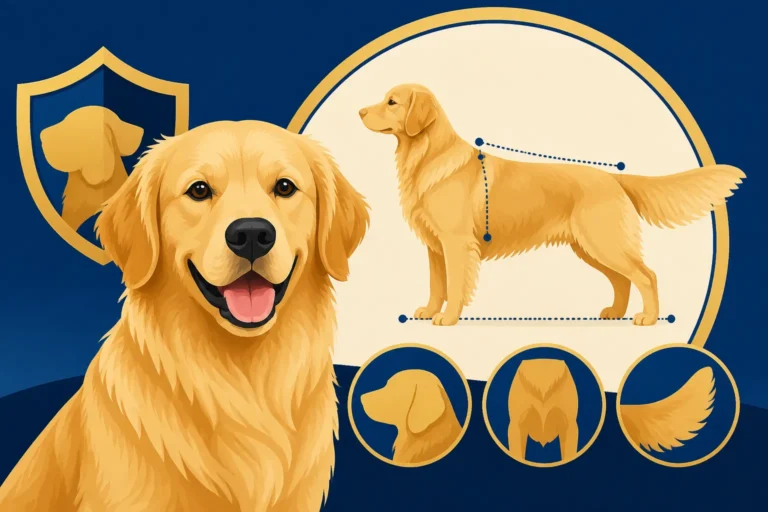
What Golden Retrievers Were Bred to Do
It’s easy to look at our Golden Retrievers today, curled up on the couch, retrieving a beloved tennis ball from the yard, or gently greeting a stranger, and think of them purely as the wonderful family companions they are. But behind that sweet, biddable nature lies a rich history of purpose and work. Understanding what Golden Retrievers were originally bred to do isn't just a fun historical tidbit; it actually illuminates so much about their instincts, their temperament, and why they behave the way they do even in modern homes. This guide will take you on a journey to their Scottish roots, helping you appreciate the intentional breeding that created this magnificent dog and how those traits still shine through.
The Scottish Origins: Lord Tweedmouth's Vision
Imagine the rugged, beautiful landscape of the Scottish Highlands in the mid-19th century. This was a time and place where hunting, particularly waterfowl and upland game birds, was not just a sport for the wealthy but also a practical way to manage land and provide food. But hunters faced a problem: many existing retriever breeds were either excellent in water but struggled on land, or vice-versa. There was a desperate need for a dog that could do it all – traverse rough terrain, plunge into icy lochs, and return delicate game without damaging it. This is where Dudley Coutts Marjoribanks, the first Lord Tweedmouth, enters the story. He recognized this gap and set out with a clear vision: to create the ultimate gundog.
Blending Breeds for a Specific Purpose
Lord Tweedmouth was not just a casual dog owner; he was a meticulous breeder who kept detailed studbooks. His goal was to combine the best traits of several breeds to create a superior retriever. The foundation of his breeding program began in 1868 with a yellow Wavy-Coated Retriever named Nous, which he acquired from a shoemaker in Brighton. Nous was then bred with a Tweed Water Spaniel named Belle. Now, if you're not familiar with the Tweed Water Spaniel, you're not alone – this breed is unfortunately extinct today, but it was known for its keen retrieving abilities, intelligence, and a strong affinity for water, making it a crucial component in the Golden Retriever's genetic makeup. This initial pairing, between Nous and Belle, produced four puppies: Crocus, Cowslip, Primrose, and Ada, essentially the foundation of what we now know as the Golden Retriever. This was a deliberate, scientific approach to dog breeding, long before DNA testing was even a dream. You can dive deeper into this fascinating history by reading Lord Tweedmouth and the First Golden Retrievers and The Guisachan Estate Where Golden Retrievers Began.
The Genesis of the "Soft Mouth"
One of the most remarkable and defining characteristics of the Golden Retriever is their "soft mouth." This isn't just a cute quirk; it was a paramount trait that Lord Tweedmouth specifically bred for. When a hunter shoots a bird, whether it falls on land or into water, the retriever's job is to bring it back unharmed. A dog with a hard bite would damage the game, making it unsuitable for the table or presentation. Therefore, a dog that could gently carry a bird, without crushing its delicate bones or puncturing its skin, was invaluable. The Tweed Water Spaniel, with its retrieving prowess, likely contributed significantly to this trait. Modern Goldens still exhibit this "soft mouth" instinct. You might notice your Golden carrying a toy gently, bringing you a slipper without a mark, or even holding your hand in their mouth without applying pressure. It’s a direct link back to their ancestral purpose and a beautiful testament to how specialized breeding can shape a dog's fundamental behaviors.
The Guisachan Estate and Its Legacy
The entire breeding program flourished at Lord Tweedmouth's estate, Guisachan, nestled in the Scottish Highlands near Glen Affric. This expansive property, with its lochs, rivers, and dense cover, provided the perfect testing ground for his developing breed. Dogs weren't just bred; they were worked. They learned to navigate the terrain, retrieve in challenging conditions, and demonstrate their exceptional temperament in demanding situations. The estate itself played a critical role in shaping the breed's capabilities. It was here that the dogs honed their skills, where their intelligence and eagerness to please were nurtured, and where their distinctive golden coats helped them blend into the Scottish moorland. The environment was a living classroom, proving the efficacy of Tweedmouth's selective breeding. While the estate is no longer a private residence, its legacy lives on in every Golden Retriever around the world, a constant reminder of their working heritage. For more on the breed's early roots, check out The Tweed Water Spaniel Behind Every Golden Retriever.
The Role of a "Gundog" in the 19th Century
To truly appreciate what Golden Retrievers were bred to do, we need to understand the demanding life of a gundog in the 19th century. These weren't simply pets that occasionally went hunting; they were highly valued working partners, integral to the success of a hunting expedition. Their role required a specific set of skills, an unwavering temperament, and incredible stamina. A good gundog was a significant investment, both in terms of breeding and training, and its performance directly impacted the hunter's day.
Retrieving Game from Land and Water
The primary job of a Golden Retriever was, as their name suggests, to retrieve. This meant locating fallen game – often birds like grouse, pheasant, or waterfowl – and bringing them back to the hunter. This task was fraught with challenges. Birds might fall in dense undergrowth, making them hard to spot, or they might land in freezing cold water, requiring the dog to plunge in without hesitation. The Golden Retriever was specifically developed to excel in both scenarios. Their dense, water-resistant double coat provided insulation against the cold, and their powerful swimming ability meant they could retrieve ducks from icy lakes or swift rivers. On land, their keen nose and persistent nature allowed them to track and find game in thickets and tall grasses, often long after the shot. This versatility was groundbreaking and made them indispensable to hunters who needed a reliable partner in all conditions.
The Importance of a Calm Demeanor
While the physical prowess was vital, an equally important trait bred into Goldens was their calm and biddable temperament. Imagine a hunting party: loud gunshots, excited dogs, and the potential for chaos. A gundog needed to remain steady, focused, and quiet until given the command to retrieve. A dog that broke too early, chased game wildly, or was easily distracted would ruin the hunt. Golden Retrievers were selectively bred for their intelligence, trainability, and eagerness to please, which translated into a dog that could wait patiently by its master's side, observing where the game fell, and then execute its task with precision. This calm, focused demeanor is still a hallmark of the breed today, making them excellent candidates for everything from service work to therapy roles. It's the reason they often sit politely when strangers approach, or wait for their cue during a training session.
Working Alongside Hunters for Hours
Hunting expeditions in the Highlands weren't quick affairs; they could last for many hours, sometimes an entire day, covering significant distances across challenging terrain. This meant a gundog needed exceptional stamina and a tireless work ethic. Golden Retrievers were bred to keep going, to maintain their focus and enthusiasm through repeated retrieves, often in harsh weather conditions. They weren't just expected to retrieve; they were expected to be a constant, reliable partner. This explains why modern Goldens often seem to have an endless supply of energy and thrive on having a "job" to do. A short walk around the block might not be enough to satisfy their deeply ingrained need for activity and purpose. This historical context helps us understand why mental and physical enrichment are so crucial for these dogs, even if their "work" today is simply bringing you a toy they picked out from a full bin from Chewy.
Key Instincts Inherited from Their Ancestors
The meticulous breeding efforts of Lord Tweedmouth left an indelible mark on the Golden Retriever breed, embedding certain instincts deeply into their genetic code. These aren't just learned behaviors; they are inherent drives that manifest in various ways, even in Goldens who have never seen a hunting field. Recognizing these instincts helps us to better understand, train, and live harmoniously with these wonderful dogs.
The Drive to Retrieve
It's right there in their name: "Retriever." This isn't just a suggestion; it's a fundamental aspect of their being. Golden Retrievers possess an incredibly strong, almost obsessive, drive to pick up and carry objects. Whether it's a thrown ball, a dropped glove, the mail, or even a leaf, many Goldens feel compelled to bring it to you. This instinct was critical on the hunting field, ensuring that valuable game was always brought back. Today, this translates into their love for games of fetch, their tendency to carry toys around the house, and their delight in "helping" by bringing you things. This drive is so strong that it forms the basis of many positive reinforcement training techniques. It's a key part of Golden Retriever Retrieving Instinct and How to Use It. Providing appropriate outlets for this instinct, such as regular fetch sessions or puzzle toys, is vital for their mental and physical well-being.
Water Affinity and Swimming Prowess
Given their Tweed Water Spaniel ancestry and the need to retrieve waterfowl from lochs and rivers, it's no surprise that most Golden Retrievers have a deep-seated love for water. For many Goldens, the sight of a pond, lake, or even a kiddie pool is an irresistible invitation. Their thick, water-repellent double coat, webbed feet, and powerful swimming stroke make them exceptionally well-suited for aquatic activities. This affinity means that many Goldens will happily plunge into water, often without a second thought, to retrieve a toy or just for the sheer joy of it. This isn't just about fun; swimming provides excellent low-impact exercise that is particularly beneficial for their joints. If you have a Golden, encouraging this natural love for water, with proper safety precautions, can be a fantastic way to bond and exercise them. Learn more about encouraging this behavior in Teaching a Golden Retriever to Swim.
An Innate Desire to Please
Perhaps the most beloved trait of the Golden Retriever, one that makes them so wonderfully trainable and such joyful companions, is their profound desire to please their people. This "biddability" was crucial for a gundog that needed to follow complex commands, often from a distance, and remain focused amidst distractions. A dog that wants to work with you, that actively seeks your approval, is much easier to train and live with. This trait contributes to their reputation as intelligent dogs, often ranking high in studies of canine intelligence. When you combine this desire to please with their natural retrieving instincts and athleticism, you get a dog that is highly motivated to engage in training, learn new tricks, and participate in a wide array of activities. This is explored further in articles like Golden Retriever Intelligence Rankings. This innate eagerness to please is why they often respond so well to positive reinforcement methods and thrive on having clear guidance and consistent interaction from their families.
How Breeding Influenced Modern Golden Retriever Traits
The foundational breeding principles established by Lord Tweedmouth continue to resonate through the generations of Golden Retrievers, shaping the characteristics we cherish in them today. While their primary role has largely shifted from the hunting field to the family home, these ingrained traits are still profoundly influential. Understanding this connection helps us appreciate their quirks and cater to their inherent needs.
The "Soft Mouth" in Daily Life
The legendary "soft mouth" trait, so vital for retrieving delicate game, is still very much alive in our modern Goldens. You'll see it manifest in subtle yet endearing ways every day. It's why your Golden can gently carry a raw egg in their mouth without breaking it (a popular demonstration of the trait!). It's why they might bring you a fragile piece of mail, a baby's pacifier, or even a tissue, all without causing damage. This gentle nature extends beyond just carrying objects; it often reflects in how they interact with people, particularly children or other small animals. They tend to be very careful and mindful in their play, instinctively understanding how much pressure to apply. This trait is a direct nod to their working ancestry and one of the reasons they are often considered so safe and trustworthy around vulnerable family members. For an in-depth look, see Why Golden Retrievers Have Soft Mouths.
Goldens as Service and Therapy Animals
The unique combination of intelligence, biddability, gentle demeanor, and their "soft mouth" makes Golden Retrievers exceptionally well-suited for roles as service and therapy dogs. Their desire to please, coupled with their calm and confident nature, allows them to excel in tasks that require focus, patience, and a reliable temperament. They can be trained to retrieve dropped items, open doors, provide deep pressure therapy, or offer comfort to those in hospitals or schools. Their innate empathy and ability to connect with humans on a deep level are invaluable in these capacities. When you see a Golden Retriever calmly guiding a person with visual impairments or gently resting their head on someone in distress, you're witnessing the culmination of generations of intentional breeding for temperament and utility. They are not just performing tasks; they are offering companionship and support, roles for which their ancestors were unwittingly prepared. This noble work is detailed in Golden Retrievers as Service and Therapy Dogs.
Understanding Their High Energy and Trainability
While Goldens are known for their calm nature indoors, it's a common misconception that they are low-energy dogs. In reality, their ancestry as tireless gundogs means they possess a significant amount of energy and require substantial physical and mental stimulation. A bored or under-exercised Golden can quickly become a destructive one, channeling their pent-up energy into chewing furniture, digging holes, or excessive barking. Their high trainability, a direct result of their intelligence and eagerness to please, is a gift, but it also means they thrive on having "jobs" and regular engagement. This could be daily long walks, runs, swimming, or engaging in dog sports. It also means they love learning new commands and tricks. Providing outlets for both their physical energy and mental acuity is paramount for a happy, well-adjusted Golden. If your Golden seems to be constantly looking for something to do, remember, it's just their heritage shining through!
The Evolution from Field Dog to Family Companion
The journey of the Golden Retriever from the misty Scottish hunting fields to the heart of family homes worldwide is a testament to their adaptability and enduring charm. While their original purpose shaped their core traits, the modern world demands a different kind of role. This evolution, however, isn't without its challenges, as those deeply ingrained instincts still need appropriate outlets.
Adapting to Modern Households
For generations, Golden Retrievers were bred for a specific job: working alongside hunters. Today, the vast majority of Goldens are beloved family pets. This shift means they've had to adapt to a lifestyle where their retrieving skills aren't necessarily put to use bringing back game, but rather a slobbery tennis ball. They've transitioned from being working partners to cherished members of the household, often navigating suburban backyards, city parks, and cozy living rooms instead of vast estates. This adaptation speaks volumes about their flexible and sociable nature. Their gentle temperament, patience, and eagerness to please have made this transition seamless, making them ideal companions for families with children, other pets, and even first-time dog owners. However, this domestic life also places a greater responsibility on owners to ensure their Goldens are still getting the mental and physical stimulation their heritage demands.
Maintaining Their Working Spirit in a Pet Environment
Even though most Goldens aren't actively hunting, their "working spirit" remains vibrant. This isn't just about physical exercise; it's about giving them a sense of purpose and engagement. Many Goldens thrive when they have a routine, learn new things, or are involved in family activities. This could be anything from carrying in the mail, "helping" with chores (like gathering scattered toys into a basket, with a little training), or participating in structured training classes. Think of it as providing alternative "jobs" that tap into their natural instincts. Interactive toys, like those found on Chewy, that dispense treats or require problem-solving can be great ways to keep their minds engaged. When a Golden feels useful and mentally stimulated, they are generally happier and better-behaved companions. Ignoring this inherent need to "work" can lead to frustration for the dog, manifesting in undesirable behaviors.
The Challenge of Channeling Natural Instincts
One of the biggest challenges for Golden Retriever owners is appropriately channeling their dog's powerful natural instincts. Without proper outlets, the very traits that made them exceptional gundogs—like their strong retrieving drive, love of chewing, and boundless energy—can become problematic. For example, that "soft mouth" might turn into an urge to mouth people if not redirected with appropriate chew toys. Their digging instinct, once useful for unearthing buried game, can now lead to crater-like holes in your prize-winning petunias. It's crucial for owners to understand these innate drives and provide constructive ways for their Goldens to express them. Consistent training, plenty of exercise, engaging play, and mental enrichment are key to preventing these natural behaviors from becoming nuisances. It's about providing an environment where a Golden can be a Golden, just in a modern context.
Differences Between Field and Show Line Goldens Today
While all Golden Retrievers share the same foundational ancestry, generations of selective breeding for different purposes have led to some noticeable distinctions between "field" (or working) lines and "show" (or conformation) lines. These differences aren't about one being "better" than the other, but rather about suiting different lifestyles and expectations. Understanding these variations can be incredibly helpful when choosing a Golden Retriever puppy or adopting an adult dog.
Physical Traits and Build Variations
One of the most obvious distinctions between field and show line Goldens is their physical appearance.
Field Line Goldens (sometimes called "American Field Goldens" or "Dark Goldens" due to common coloration) tend to have:
- A more athletic, lean, and sometimes lankier build.
- Less dense bone structure, giving them a lighter, more agile appearance.
- A shorter, often darker coat, typically in shades of medium to dark gold or red. This coat is usually less feathered, making it lower maintenance in terms of grooming.
- More streamlined heads and longer muzzles, built for endurance and agility in the field.
Show Line Goldens (often referred to as "American Show Goldens" or "English Creams" if they derive from European show lines) typically have:
- A heavier, more substantial bone structure and a blockier build, aligning with the breed standard for conformation.
- A thicker, often lighter-colored coat, ranging from pale cream to rich gold, with extensive feathering on the legs, tail, and chest. This coat often requires more grooming.
- Broader heads, shorter muzzles, and a generally "prettier" or more majestic appearance, as bred for the show ring.
This table summarizes some of the key physical differences:
| Feature | Field Line Golden Retriever | Show Line Golden Retriever |
|---|---|---|
| Build | Leaner, more athletic, lighter bone structure | Heavier, blockier, more substantial bone |
| Coat Color | Often medium to dark gold, red; less feathering | Often lighter cream to rich gold; extensive feathering |
| Coat Length | Shorter | Longer |
| Head Shape | More streamlined, longer muzzle | Broader, blockier head, shorter muzzle |
| Energy Look | Appears more "ready to work" | Appears more "regal" or "classic" |
You can delve deeper into these physical traits by reading How Field Golden Retrievers Are Built Differently.
Temperamental and Drive Differences
Beyond the physical, there are often distinct temperamental and drive differences that stem from their specialized breeding.
Field Line Goldens are bred for their intense working drive, speed, and endurance. They typically exhibit:
- Higher energy levels and an almost insatiable desire to retrieve.
- More intense focus and drive for training, often needing a "job" to be truly content.
- A quicker, more agile movement style.
- A very strong "off switch" when not working, but require significant daily exercise and mental stimulation to achieve it.
- More independent problem-solving skills, honed by navigating complex retrieving scenarios.
Show Line Goldens, while still possessing the core Golden Retriever temperament, are bred for their calm, stable demeanor and ability to stand patiently in the show ring. They generally exhibit:
- Moderate energy levels, still requiring good exercise but perhaps less intensity than a field line.
- A more laid-back disposition, often content with being a companion without an intense "job" focus.
- A strong desire to please and a generally biddable nature, making them highly trainable for companionship.
- A more classic "Golden" appearance and a tendency to be extremely friendly and gregarious.
It's important to remember these are generalizations, and individual personalities will always vary. However, these distinctions are why certain lines are often chosen for specific purposes. Field Line Golden Retriever Traits and American Show Line Golden Retriever Traits offer more insights.
Choosing the Right Line for Your Lifestyle
When considering a Golden Retriever, whether from a breeder or a rescue, understanding the differences between field and show lines is crucial for a successful match. If you're an active individual or family who enjoys hiking, running, dog sports, or even actual hunting, a field line Golden might be a fantastic fit. They thrive on having a purpose and excel in activities that challenge them physically and mentally. You'll likely be looking for a dog that can keep up with you and shares your love for outdoor adventures. Their drive means they need consistent training and engagement, so be prepared to invest time in that.
On the other hand, if you're looking for a slightly more relaxed companion, perhaps for a family with younger children or a less intensely active lifestyle, a show line Golden might be more suitable. They still need regular exercise and training, of course, but their inherent drive for "work" might be less pronounced, making them more content with being a beloved family pet first and foremost. They are often incredibly tolerant and affectionate, fitting beautifully into a home where their primary role is companionship. Researching breeders and their specific lines, and discussing your lifestyle openly, is key to finding a Golden Retriever whose traits align best with your expectations.
Activities That Honor Their Heritage
Even if your Golden Retriever will never set paw on a hunting field, there are countless ways to honor their rich heritage and provide outlets for their deeply ingrained instincts. Engaging them in activities that tap into their natural abilities isn't just fun; it's vital for their physical and mental well-being, helping to prevent boredom and behavioral issues.
Canine Sports: Agility, Obedience, and Rally
Golden Retrievers excel in a wide array of canine sports, largely because these activities leverage their intelligence, athleticism, and eagerness to please.
- Agility: This fast-paced sport involves navigating an obstacle course with jumps, tunnels, weave poles, and seesaws. Goldens, with their natural athleticism and quick minds, often take to agility with great enthusiasm. It provides both physical exercise and immense mental stimulation, requiring them to think on their feet and work closely with their handler.
- Obedience: This foundational sport is a direct descendant of the precision and responsiveness required of gundogs. Goldens demonstrate their biddability and focus by executing a series of commands such as heeling, retrieving on command, staying in position, and coming when called. It’s a fantastic way to build a strong bond and reinforce good manners while challenging their minds.
- Rally Obedience: Often described as a more relaxed version of traditional obedience, Rally involves navigating a course with numbered stations, each with a different command to perform. It's a great entry point for teams new to dog sports, allowing handlers to talk to and encourage their dogs, which Goldens adore. It keeps them engaged and thinking, all while having fun.
Participating in these sports not only keeps your Golden fit but also strengthens your bond and fulfills their inherent desire to work and please. You can find more about these activities in Golden Retriever Obedience Titles and Sports.
Hunting Tests and Field Trials
For those who truly want to see their Golden Retriever perform what they were originally bred to do, hunting tests and field trials offer structured, competitive environments. These events simulate actual hunting scenarios, allowing Goldens to demonstrate their retrieving skills, scenting ability, and biddable nature.
- Hunting Tests: These are non-competitive events designed to test a dog's natural abilities and trained skills in realistic hunting situations. Dogs are evaluated on their ability to mark fallen birds, retrieve from land and water, respond to commands, and remain steady under distracting conditions. It's a fantastic way to engage your Golden's core instincts without the pressure of a cutthroat competition.
- Field Trials: These are competitive events where dogs are judged against each other on their retrieving abilities, marking skills, style, and control. Field trials are much more intense and demand a very high level of training and natural talent. These events truly showcase the pinnacle of Golden Retriever working ability, where speed, accuracy, and unwavering focus are paramount.
Even if you never plan to hunt, these activities provide an invaluable insight into the Golden Retriever's heritage and offer an incredible outlet for their natural drives. Many Golden Retrievers, particularly those from field lines, absolutely light up when given the opportunity to participate in such events.
Scent Work and Nose Games
A gundog's nose is one of its most critical tools. After all, finding fallen game, especially in dense cover, relies heavily on scent. Modern Goldens still possess this incredible olfactory prowess, and engaging them in scent work or nose games is a wonderful way to provide mental enrichment and tap into this primal instinct.
- Scent Work (Nosework): This sport teaches dogs to find specific target odors (like essential oils) hidden in various environments, mimicking the work of detection dogs. Goldens, with their excellent noses and methodical searching abilities, often excel at this. It's a low-impact activity that can be done by dogs of all ages and physical conditions, and it is incredibly tiring for their brains, providing a profound sense of satisfaction.
- Nose Games at Home: You don't need formal classes to engage your Golden's nose. Simple "find it" games where you hide treats or toys around the house or yard can be incredibly stimulating. Snuffle mats, puzzle toys (like those available from Chewy that require sniffing and pawing to release treats), and even just letting them sniff on a long leash during walks are all ways to honor their superb sense of smell. These games provide a wonderful mental workout, helping to keep a Golden happy and fulfilled, even on a rainy day when outdoor exercise might be limited.
By providing opportunities for your Golden Retriever to engage in these activities, you're not just exercising them; you're celebrating their history, honoring their intrinsic nature, and fostering a deeper bond rooted in understanding what these magnificent dogs were truly bred to do.
Disclaimer
This article is for general informational purposes only and does not constitute professional advice. Laws, prices and regulations vary by location and change over time. Consult a qualified professional for guidance on your specific situation.