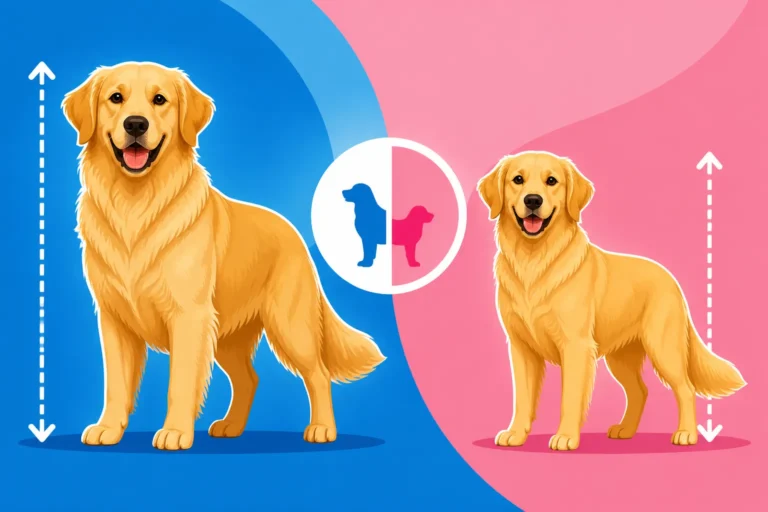
Golden Retriever Ear Feathering and Coat Length
One of the most defining characteristics of our beloved Golden Retrievers is their magnificent, flowing coat. While every Golden owner adores that signature silky fur, managing the distinct feathering, especially around their ears, can sometimes feel like a full-time job. This guide will walk you through everything you need to know about the Golden Retriever's ear feathering and overall coat length, helping you understand its purpose, how to maintain its beauty, and avoid common pitfalls.
The Golden Retriever's Iconic Double Coat
Before we dive into the specifics of feathering, it's crucial to understand the foundation: the Golden Retriever's double coat. This isn't just for looks; it's a highly functional piece of canine engineering, designed to protect them in various environments and perform the retrieving tasks they were originally bred for. It's a hallmark of the breed, a beautiful testament to their heritage.
The Purpose of the Double Coat
Imagine a Golden Retriever bounding through icy water to retrieve a duck. Their coat is perfectly adapted for this. The outer coat, often called the guard coat, consists of longer, water-repellent hairs that shed water and protect against thorns and brambles. It's smooth, often wavy, and lies close to the body. Beneath this lies the undercoat – a dense, soft, and woolly layer that acts as insulation. In winter, this undercoat thickens to keep them warm, and in summer, it thins out to help regulate body temperature. Trying to manage this coat without understanding its function can lead to frustration, especially when shedding season hits. If you've ever found yourself asking why your Golden seems to be constantly shedding, it's largely thanks to this highly effective insulation system. You can read more about it in Golden Retriever Shedding and How to Manage It.
What the Breed Standard Says About the Coat
The official breed standard for Golden Retrievers emphasizes a dense, water-repellent outer coat with a firm, straight or wavy texture. The undercoat should be thick enough to provide good protection. Extreme length or an overly coarse coat is often considered undesirable in the show ring, but for us everyday owners, it means a coat that requires regular attention to stay healthy. The standard also specifically mentions the presence of feathering, which we'll explore in more detail, as a defining characteristic. This feathering isn't just an aesthetic choice; it serves to protect sensitive areas of the dog's body, providing an extra layer of defense against cold water, debris, and injury.
The Distinctive Feathering of a Golden Retriever
Feathering is those longer fringes of hair you see on specific parts of a Golden Retriever's body. It's one of the things that gives them their elegant, flowing appearance. But it's not just ornamental; like the rest of their coat, it has a practical purpose linked to their working past as retrievers.
Where Feathering Appears
You'll notice feathering most prominently on a Golden's ears, chest, legs (both front and back), and tail.
- Ears: The feathering on the ears can grow quite long, sometimes extending past the ear leather itself. This provides an additional barrier for the ear canal against water and debris, which is crucial for a water-loving breed.
- Chest and Undersides: Longer hair on the chest and belly helps protect the delicate skin there, especially when moving through brush or swimming in cold water.
- Legs: The backs of the front legs and the back of the thighs (often called "breeches") have distinct feathering. This protects the joints and skin during activity.
- Tail: The tail, often described as having a "merry" flag of feathering, is not only beautiful but helps with balance in the water and can act as a rudder.
Each section of feathering contributes to the overall function and aesthetic of the Golden Retriever, painting a picture of a dog built for both beauty and utility.
The Function of Feathering
Beyond looking lovely, feathering serves several practical purposes. For a dog bred to retrieve game from dense cover and icy waters, these longer hairs provide extra insulation and protection. On the legs, they shield against scrapes and provide a bit more warmth. On the chest and belly, they add another layer against cold water and rough terrain. The tail feathering, as mentioned, aids in buoyancy and steering while swimming. It's a natural design that helps them do what they do best, whether that's working in the field or just splashing around at the local lake.
Ear Feathering: A Closer Look
The feathering on a Golden Retriever's ears is particularly noteworthy. It's often the first place new owners notice matting and requires diligent care to keep it healthy and free of issues. Long, flowing ear feathering is beautiful, but it can also be a magnet for trouble if neglected.
Managing Length and Preventing Mats
Golden Retriever ear feathering can grow quite long, sometimes appearing almost like bangs hanging down. While this looks charming, it can easily collect burrs, dirt, food, and moisture. This combination, especially with their floppy ears, creates a perfect breeding ground for mats. Mats behind and under the ears are incredibly common and can be painful for your dog, pulling on their skin. Regular, gentle brushing is absolutely essential here. You'll want to use a slicker brush and a metal comb to work through the feathering, paying extra attention to the areas where the ear joins the head and behind the ear where friction can cause tangles. Many owners find that a good detangling spray can make this process much easier. Preventing mats is always easier than removing them, so make brushing a daily or every-other-day habit, even if it's just a quick swipe around the ears. Consider using products from Chewy to help with routine grooming.
Ear Health and Feathering
The dense feathering, combined with floppy ears, can create a warm, moist environment within the ear canal, making Golden Retrievers particularly prone to ear infections. While the feathering itself isn't the direct cause, it can hinder airflow and trap moisture. This is why proper ear hygiene is critical. After swimming or bathing, ensure you thoroughly dry the inside of your Golden's ears. Your vet might recommend a specific ear cleaner to help maintain a healthy ear canal environment. If you notice your Golden shaking their head, scratching at their ears, or if there's any redness, odor, or discharge, it's time for a vet visit, as these are classic signs of an ear infection. Ear Infections in Floppy-Eared Goldens delves deeper into these common issues. Some owners opt for a slight trim of the feathering directly around the ear opening to increase airflow, but this should be done carefully to avoid cutting the ear leather itself.
Overall Coat Length and Management
Beyond the distinct feathering, the overall length of a Golden Retriever's coat contributes to its striking appearance and requires consistent care. It's not just about brushing; it's about understanding how their coat functions and how to support its health year-round.
Factors Affecting Coat Length
The length and density of a Golden Retriever's coat can vary depending on several factors, including genetics, age, and even whether they are from field lines or show lines. Generally, show line Goldens tend to have more profuse feathering and a heavier coat overall, designed for that flowing, glamorous look in the ring. Field line Goldens, bred for working, often have a slightly shorter, less dense coat that is more practical for agility and less likely to snag in brush. As Goldens age, their coat might also become thicker and longer, sometimes even changing in texture. Understanding your individual dog's coat type will help you tailor your grooming routine.
The Importance of Regular Brushing
Regular brushing is the cornerstone of Golden Retriever coat care. It helps remove loose hair, preventing mats and tangles, distributes natural oils, and stimulates circulation for a healthy skin and coat. For their heavy double coat, you'll need a few essential tools: a slicker brush for detangling and removing loose hair, an undercoat rake to get through that dense insulating layer during shedding season, and a metal comb for checking for mats in sensitive areas like the feathering. Aim for at least 2-3 times a week, and daily during their "coat blows" in spring and fall. Neglecting brushing, even for a few days, can quickly lead to painful mats, especially in the feathering. For an in-depth guide on the right techniques, check out Brushing a Golden Retriever's Coat Properly.
The Dangers of Shaving a Golden Retriever
It might seem tempting to shave down a Golden Retriever's coat in the summer, especially with all that fur and the heat. However, this is generally not recommended and can actually do more harm than good. A Golden's double coat acts as a natural insulator against both cold and heat. Shaving it removes this natural protection, leaving their delicate skin exposed to sunburn and insect bites. It can also interfere with their body's natural temperature regulation. Furthermore, when the coat grows back, it often comes in coarser and can damage the delicate balance between the undercoat and guard coat, leading to patchiness or an inability to properly shed. Instead of shaving, focus on regular grooming, access to shade, and plenty of fresh water to keep them cool. Learn more about this common misconception in Why You Never Shave a Golden Retriever.
Grooming and Maintenance for Feathering and Coat Length
Maintaining a Golden Retriever's glorious coat requires commitment, but with the right tools and techniques, it becomes a bonding experience rather than a chore. It's all about consistent care, prevention, and knowing when to seek professional help.
Essential Tools for Coat Care
Having the right arsenal of grooming tools makes all the difference. Beyond the basic slicker brush, undercoat rake, and metal comb, consider adding a few more items to your kit:
- De-shedding tool: While an undercoat rake is good, some specialized de-shedding tools can be very effective, especially during heavy shedding. Just be careful not to overuse them, as they can sometimes cut the guard hairs.
- Blunt-nosed scissors: These are invaluable for carefully trimming small mats in tricky areas like behind the ears or between paw pads. Always use extreme caution.
- Nail clippers or a Dremel: While not directly coat-related, well-maintained nails are crucial for comfort and gait.
- Dog-specific shampoo and conditioner: Choose products designed for double coats that won't strip natural oils.
- High-velocity dryer: If you bathe your Golden at home, a high-velocity dryer is a game-changer for drying that dense coat thoroughly, preventing skin issues, and speeding up the process. You can find many of these items, including grooming tables and specialty brushes, on Chewy.
Bathing Your Golden Retriever Correctly
Bathing a Golden Retriever isn't just about getting them wet; it's a process that requires attention to detail, especially with their long coat and feathering. Before the bath, always thoroughly brush your Golden to remove as much loose hair and as many tangles as possible. This prevents mats from tightening when wet. Use a good quality dog shampoo, lathering thoroughly, and rinse, rinse, rinse! Any shampoo residue left behind can irritate the skin. Follow up with a conditioner, especially on the feathering, to help keep it soft and tangle-free. The most critical step is drying. Their dense coat holds a lot of water. If not dried completely, it can lead to skin infections and that dreaded "wet dog" smell. Towel dry as much as possible, then use a dog-specific blower or a regular hairdryer on a cool setting, constantly moving it to avoid hot spots. Work in sections, brushing as you dry to ensure all layers are dry. For more on proper bathing, see How Often to Bathe a Golden Retriever.
Professional Grooming vs. Home Care
Many Golden Retriever owners find a combination of home care and professional grooming to be the most effective approach. Daily or weekly brushing, ear cleaning, and paw pad trims can be done at home. However, a professional groomer can provide services like thorough de-shedding treatments, sanitary trims, and expert shaping of feathering that can be difficult for an owner to do safely and effectively. They also have specialized equipment, like powerful dryers, that make the job much quicker and more thorough. A professional groomer can also spot potential skin or ear issues that you might miss. Consider scheduling professional grooming every 6-8 weeks, especially if you find yourself struggling with mats or excessive shedding. This can be a great way to keep your Golden's coat in top condition without the constant struggle.
| Grooming Task | Frequency (Approx.) | Importance for Feathering/Coat Length | Notes |
|---|---|---|---|
| Brushing | Daily-Weekly | High | Essential for preventing mats, removing loose hair, distributing oils. More frequent during coat blows. |
| Bathing | Monthly-Quarterly | Medium-High | Cleans coat, prevents skin issues. Ensure thorough drying to prevent hot spots and ear infections. |
| Ear Cleaning | Weekly | High | Prevents infections, especially with floppy ears and dense feathering. |
| Paw Pad Trimming | Monthly | Medium | Prevents slipping and collecting debris. Longer hair between pads can lead to mats and discomfort. |
| Sanitary Trim | Monthly-Bimonthly | Medium | Keeps areas around genitals clean and prevents matting. |
| Feathering Trimming | Bimonthly-Quarterly | Medium (for neatness/function) | Can be done carefully at home or by a professional to neaten up long feathering and improve airflow. |
| Nail Trimming | Bi-weekly | Low (indirect) | Important for overall comfort and health, prevents joint issues from long nails. |
Remember, managing your Golden Retriever's coat, especially the beautiful feathering around their ears, is an ongoing process. It takes dedication, but the reward is a healthy, happy dog with a stunning coat that truly shines. Embracing a consistent grooming routine, whether it's daily brushing or regular trips to a professional groomer, is an act of love that benefits both you and your furry companion.
Disclaimer
This article is for general informational purposes only and does not constitute professional advice. Laws, prices and regulations vary by location and change over time. Consult a qualified professional for guidance on your specific situation.