How Fast Hemangiosarcoma Moves in Goldens
One of the most devastating realities for Golden Retriever owners is the speed and stealth with which certain cancers can strike, and few are as brutally fast as hemangiosarcoma. This guide is dedicated to helping you understand just how quickly this aggressive cancer progresses in our beloved Goldens, what to look for, and why early detection, though incredibly challenging, is absolutely critical.
Understanding Hemangiosarcoma's Aggressive Nature
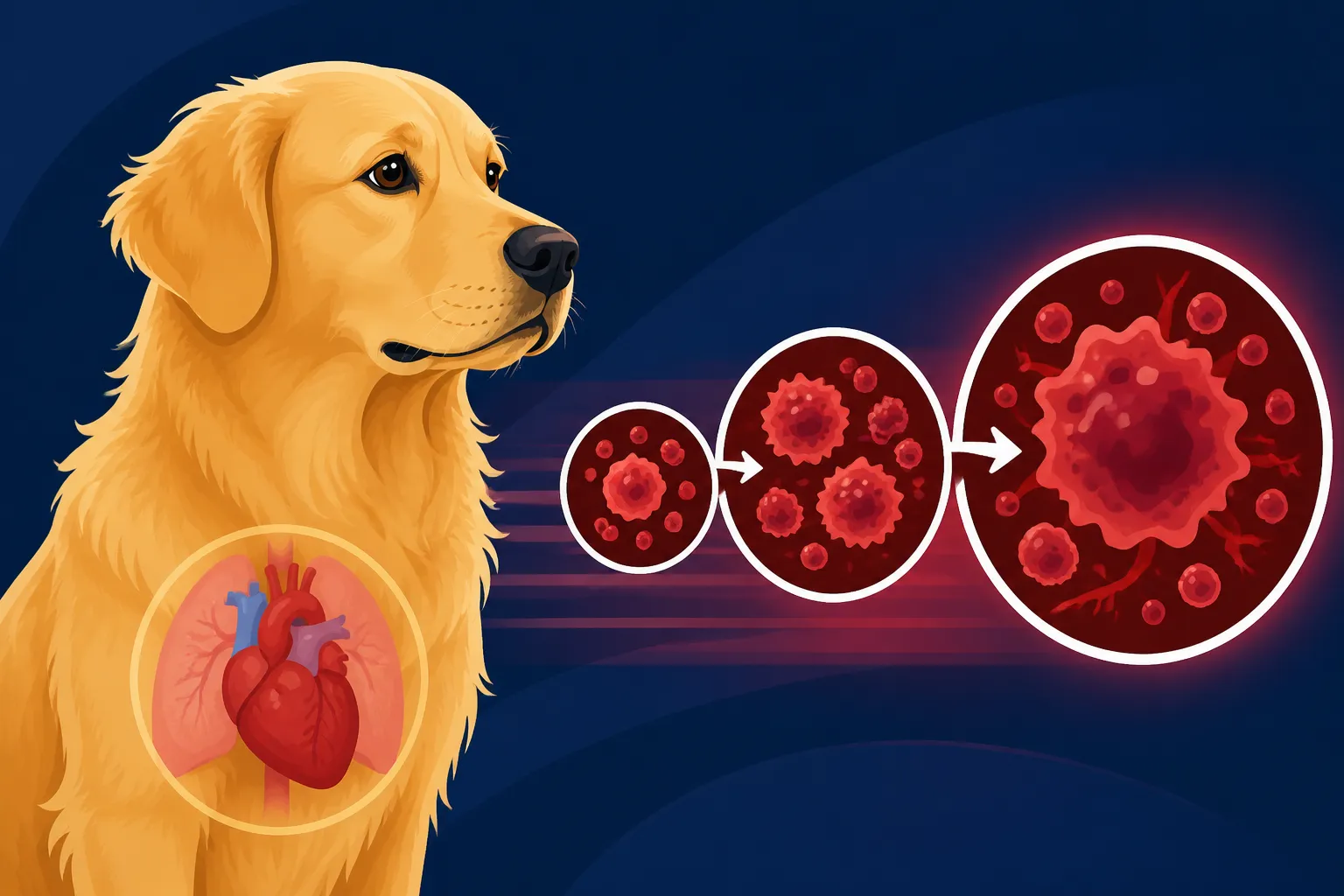
Hemangiosarcoma is a malignant tumor of the cells that line blood vessels (endothelial cells). This means it can pop up almost anywhere in the body where there are blood vessels, but it most commonly affects the spleen, heart, liver, and skin. What makes it particularly terrifying for Golden Retriever families is its notorious speed and tendency to metastasize (spread) rapidly and silently before any outward signs are apparent.
The Insidious Onset of Symptoms
The "how fast" of hemangiosarcoma truly begins with its insidious onset. In many cases, a Golden Retriever might appear completely healthy one day, and then suddenly collapse due to internal bleeding the next. This isn't because the tumor appeared overnight, but because it grew internally, often on an organ like the spleen, without causing noticeable pain or discomfort until it ruptured. Imagine your typically bouncy, happy Golden. They might be a little more tired than usual after a walk, or perhaps skip a meal once in a while – minor things that most of us would chalk up to an off day. These subtle shifts can be the only early indicators, if any, that something deeply serious is unfolding beneath the surface. For a deeper dive into the overall prevalence, check out our article on Cancer in Golden Retrievers and Why the Breed Is Hit Hardest.
Because these tumors are blood-filled, they are inherently fragile. As they grow, they can spontaneously bleed within the body, causing episodes of weakness, lethargy, or even sudden collapse. These episodes might be transient; the bleeding could stop on its own, your Golden might rally, and you might think it was just a strange occurrence. This temporary recovery makes it incredibly difficult to catch the cancer in its earliest, most treatable stages, as the dog appears to bounce back, giving a false sense of security.
Common Locations and Metastasis Patterns
While hemangiosarcoma can occur anywhere, its favorite haunts are internal organs, which contributes significantly to its rapid, silent progression. The spleen is the most common site, followed by the right atrium of the heart, the liver, and occasionally the skin or muscle tissue. When it arises on the spleen, a tumor can grow quite large without causing outward symptoms, shielded by the dog's rib cage. It's only when this fragile, blood-filled mass ruptures that the real crisis hits.
The aggressive nature of hemangiosarcoma means that even small primary tumors have a very high likelihood of microscopic metastasis by the time they are diagnosed. This means tiny cancer cells have already broken away from the main tumor and traveled through the bloodstream to other parts of the body, most commonly the liver, lungs, and brain. This propensity for rapid and widespread metastasis is why the speed of progression is so alarming; by the time you see symptoms, it's often already a systemic disease. A Golden Retriever might have a primary splenic tumor removed, but if those microscopic metastases are already seeded in the lungs, new tumors can develop and grow rapidly there, leading to a recurrence of symptoms within weeks or a few short months. Understanding Hemangiosarcoma in Golden Retrievers more broadly can provide additional context.
Factors Influencing Progression Speed
The speed at which hemangiosarcoma progresses isn't always uniform, though it is generally very fast. Several critical factors play a role in how rapidly the disease takes hold and impacts your Golden Retriever.
Tumor Grade and Stage
Like many cancers, hemangiosarcoma is assigned a grade and stage, which are crucial indicators of its aggressiveness and spread. The grade refers to how abnormal the cancer cells look under a microscope – basically, how "mean" they are. High-grade tumors are made of very abnormal, rapidly dividing cells and tend to progress much faster. The stage, on the other hand, describes how far the cancer has spread in the body.
| Stage | Description | Typical Progression | Median Survival Time (approx.) |
|---|---|---|---|
| Stage I | Localized tumor, no metastasis | Days to weeks | ~6-9 months (with aggressive treatment) |
| Stage II | Tumor with local spread (e.g., rupture, regional lymph node involvement) | Days to weeks | ~3-6 months (with aggressive treatment) |
| Stage III | Distant metastasis (e.g., spread to liver, lungs, heart) | Hours to days (crisis often imminent) | ~1-3 months (with aggressive treatment) |
Note: These are general approximations and can vary widely based on individual circumstances and treatment efficacy.
Unfortunately, most Golden Retrievers diagnosed with hemangiosarcoma are already at Stage II or III due to the silent nature of the disease and its aggressive metastatic tendencies. This means that by the time overt symptoms appear, the cancer has often had a significant head start, rapidly progressing to involve multiple organs, making treatment far more challenging and survival times shorter. For information on recognizing critical health changes, see Golden Retriever Cancer Warning Signs to Watch For.
Location of the Tumor
The primary location of the hemangiosarcoma dramatically affects how quickly it becomes life-threatening. A tumor on the spleen, for instance, can grow large without obvious signs until it bleeds. When it ruptures, it can cause rapid, catastrophic blood loss into the abdomen. This can lead to shock and death very quickly, often within hours if not addressed immediately.
Heart-based hemangiosarcomas are arguably even more insidious. These tumors grow on the right atrium and can cause fluid to accumulate around the heart (pericardial effusion), slowly compressing the heart and making it unable to pump blood effectively. The symptoms might be subtle at first – weakness, exercise intolerance, coughing – but can quickly escalate to sudden collapse and death as the heart becomes critically compromised. Skin or subcutaneous hemangiosarcomas, while still aggressive, are often detected earlier because they are visible lumps. However, even these can be quite aggressive and require prompt treatment.
Overall Health and Age of the Golden Retriever
The overall health, age, and underlying conditions of your Golden Retriever can also influence how quickly hemangiosarcoma progresses and how well they can cope with it. Older Goldens, for instance, are at a significantly higher risk for this cancer; the Average Age of Cancer Diagnosis in Goldens for hemangiosarcoma tends to be in the senior years. A dog that is already dealing with other health issues, such as heart disease or kidney problems, may be less resilient to the sudden blood loss or systemic impact of hemangiosarcoma.
A younger, healthier Golden might initially withstand a bleeding episode better, giving owners a slightly larger window for intervention, but the underlying cancer's aggressive nature remains. Likewise, Goldens with other immune-mediated conditions or those on certain medications might also experience faster progression or more severe symptoms. It's truly a heartbreaking reality that this robust breed, known for its vitality, is so susceptible to such a fast-acting disease. Regular comprehensive check-ups, as outlined in Why Goldens Need Vet Visits Twice a Year, become even more critical as they age.
Recognizing the Urgent Warning Signs
Given how rapidly hemangiosarcoma progresses, recognizing the warning signs and acting swiftly can make a difference, even if the prognosis remains guarded. These signs often stem from internal bleeding, which can be acute or chronic.
Subtle Early Indicators
Catching hemangiosarcoma in its absolute earliest stages is incredibly difficult because symptoms are often vague and easily dismissed. However, paying close attention to any changes in your Golden's routine or energy levels is paramount. Look for:
- Subtle Lethargy or Weakness: Your Golden might seem a little less enthusiastic about walks, slower to get up, or generally less energetic. They might nap more frequently.
- Reduced Appetite: Perhaps they don't finish their meals, or turn their nose up at a treat they usually adore.
- Intermittent Lameness or Stiffness: If a tumor is bleeding into a muscle or joint space, it can cause transient pain.
- Mild Abdominal Distension: If there's slow, chronic bleeding into the abdomen from a splenic tumor, you might notice a slightly bloated appearance that comes and goes.
- Pale Gums: This is a sign of anemia, which can develop from chronic blood loss. Gently lift your Golden's lip and look at the color of their gums; they should be a healthy bubblegum pink. If they are very pale or white, seek immediate veterinary attention.
These signs, individually, could point to many less severe conditions. But when they occur in a Golden Retriever, especially an older one, they warrant a prompt veterinary visit. Sometimes, even what seems like a minor stumble could be an early symptom. When discussing potential medical expenses for diagnostics and treatments, having pet insurance like Healthy Paws can ease the financial burden of these early, exploratory vet visits.
Signs of Internal Bleeding and Crisis
The true "how fast" of hemangiosarcoma often becomes terrifyingly clear when a major bleeding event occurs. This is an emergency and requires immediate veterinary care. These signs usually indicate that a tumor has ruptured or is causing significant internal hemorrhage:
- Sudden Weakness or Collapse: Your Golden might suddenly drop to the ground, struggle to stand, or be unable to move.
- Pale Gums: This is a critical indicator of severe blood loss. If their gums are white or very pale, it's an emergency.
- Rapid, Shallow Breathing: The body tries to compensate for oxygen loss due to reduced blood volume.
- Distended Abdomen: A belly that appears swollen and hard to the touch, especially if it happens rapidly, often means there's a significant amount of blood accumulating internally.
- Rapid Heart Rate: Another compensatory mechanism for blood loss.
- Depression and Lack of Responsiveness: Your Golden might be disoriented, unresponsive to their name, or unable to focus.
If you observe any of these severe signs, do not delay. Get your Golden Retriever to the nearest emergency veterinary hospital immediately. Time is absolutely of the essence in these situations. Early cancer detection tests, though not foolproof, are becoming more available. Our piece on Screening an Older Golden Retriever for Cancer offers more information on proactive measures.
The Importance of Regular Vet Check-ups
Given the silent and aggressive nature of hemangiosarcoma, regular, thorough veterinary check-ups are your best defense, even if they don't guarantee early detection. Your veterinarian can often catch subtle changes that you might miss, such as a new heart murmur (suggesting a heart-based tumor), or an unusual finding on abdominal palpation (possibly indicating a splenic mass).
During these visits, your vet might recommend routine blood work, including a complete blood count (CBC) to check for anemia, and even ultrasound screenings for older Golden Retrievers. While not every vet performs routine screening ultrasounds, it’s a conversation worth having, especially for a breed so prone to this disease. These regular exams also create a baseline for your dog's health, making it easier to identify when something changes. Remember, a plan from Healthy Paws can help cover the costs of these critical diagnostic tests, allowing you to pursue every avenue for your beloved companion without undue financial stress.
Prognosis and Treatment Options
The discussion around hemangiosarcoma is often heartbreaking because, even with aggressive treatment, the prognosis is generally poor due to the rapid progression and metastatic potential. However, understanding the available options can help owners make informed decisions during a challenging time.
Typical Survival Times with and without Treatment
Without any intervention, the progression of hemangiosarcoma is tragically fast. For a ruptured splenic tumor, a Golden Retriever might only survive a few hours to a few days. For heart-based tumors, the timeline can be a bit longer, perhaps a few weeks, but the quality of life deteriorates rapidly.
With treatment, the goal is often to extend good quality of life rather than achieve a full cure. The standard approach typically involves emergency surgery to remove the primary tumor (e.g., splenectomy for a splenic tumor), followed by chemotherapy to target any remaining microscopic cancer cells. Even with this aggressive approach, the median survival time for splenic hemangiosarcoma is often only 3-6 months. Some dogs might defy the odds and live longer, but this is less common.
Chemotherapy for a Golden Retriever is often well-tolerated, but it is a serious undertaking with potential side effects. Our article on What Chemotherapy Involves for a Golden Retriever can offer more details. It's a race against time, as the cancer cells that have already spread can rapidly establish new tumors. For cardiac hemangiosarcoma, surgery is much riskier and less common; palliative care, such as fluid drainage around the heart, is often the primary treatment, providing a temporary reprieve.
Emergency Interventions and Palliative Care
When a Golden Retriever presents with a ruptured hemangiosarcoma, the immediate focus is on stabilizing them. This involves blood transfusions, intravenous fluids, and pain management. If they stabilize enough, emergency surgery to remove the bleeding tumor (most commonly the spleen) is performed. This surgery can be life-saving in the short term, buying your Golden precious time, but it doesn't cure the underlying cancer.
Palliative care focuses on comfort and quality of life when a cure isn't possible or desired. This can include medications to manage pain, reduce inflammation, control internal bleeding, and improve energy levels. For some families, palliative care, combined with supportive home care, is the compassionate choice. This allows them to cherish their remaining time with their beloved Golden, focusing on comfort rather than aggressive treatments. Deciding Whether to Treat or Palliate a Golden's Cancer is a deeply personal and difficult decision. Pet insurance, such as that offered by Healthy Paws, can alleviate some of the financial pressure during these times, covering everything from emergency surgery to ongoing palliative medication, allowing owners to focus on their dog's well-being.
The Emotional Toll on Owners
Perhaps the fastest-moving aspect of hemangiosarcoma is the emotional toll it takes on Golden Retriever owners. The suddenness of diagnosis, often after an emergency, leaves little time to process. One day your Golden is fetching balls, the next you're faced with a devastating, rapidly progressing cancer. This shock, combined with the difficulty of making swift, profound treatment decisions under pressure, can be overwhelming.
Owners often feel guilt, wondering if they missed earlier signs or could have done something differently. It's crucial to remember that hemangiosarcoma is incredibly stealthy, and its nature means it often shows no obvious signs until it's very advanced. The rapid progression often leaves families reeling, grappling with the swift decline of a cherished family member. This challenging journey often leads to difficult discussions about End-of-Life Decisions for a Golden Retriever, a conversation no owner ever wants to have. The Golden Retriever Lifetime Study, which follows How Many Goldens the Lifetime Study Follows, aims to better understand and combat diseases like hemangiosarcoma, offering hope for future generations and supporting owners in their difficult decisions.
Disclaimer
This article is intended for informational purposes only and does not constitute veterinary medical advice. Always consult with a qualified veterinarian for any health concerns or before making any decisions about your Golden Retriever's care.