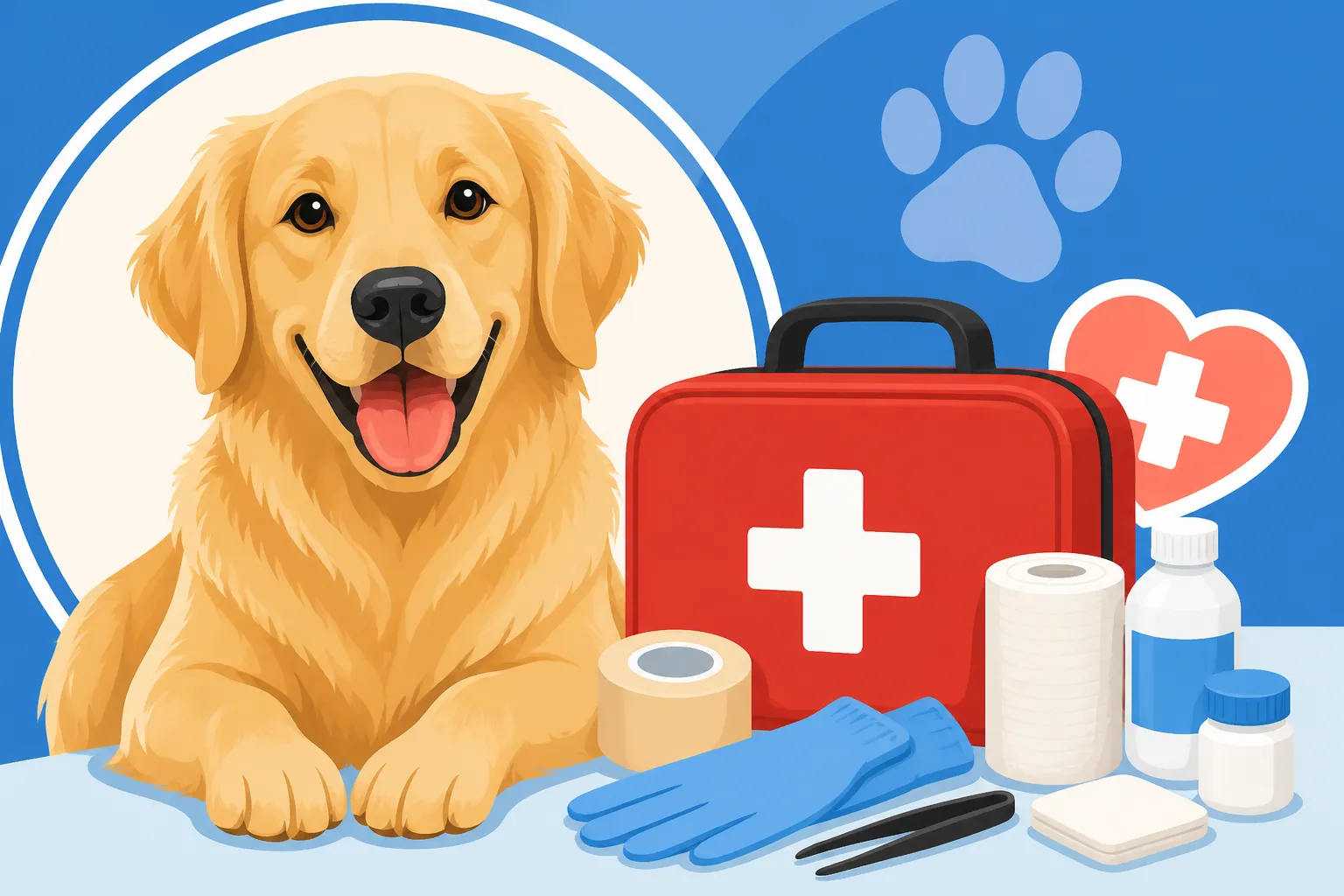
Building a First Aid Kit for a Golden Retriever
Life with a Golden Retriever is often a joyous whirlwind of walks, cuddles, and endless games of fetch. But even with the most vigilant care, accidents happen – a cut paw on a hidden piece of glass, an unexpected allergic reaction, a sudden upset tummy, or a nasty scrape during an enthusiastic romp. These moments can be incredibly frightening, leaving you scrambling for solutions. This guide is here to help you feel prepared and empowered by walking you through exactly how to build a comprehensive first aid kit tailored specifically for your beloved Golden.
Why Every Golden Retriever Owner Needs a Dedicated First Aid Kit
It’s easy to think a vet trip is always the first and only answer, and often it is. But sometimes, a minor incident occurs late at night, on a weekend hike, or when you’re simply too far from immediate professional help. Having a well-stocked first aid kit isn't about replacing veterinary care; it's about providing immediate, crucial support that can stabilize your Golden, alleviate discomfort, and potentially prevent a small problem from escalating into a serious emergency while you make your way to the clinic. Think of it as a bridge to professional help, a way to administer comfort and initial treatment when every second counts.
The Unpredictable Nature of Golden Retrievers
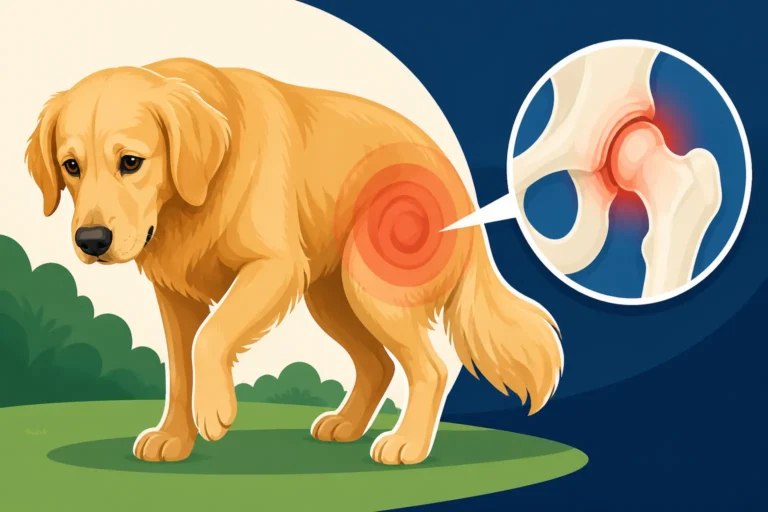
Goldens, with their adventurous spirits and desire to explore, often find themselves in situations where minor injuries are a real possibility. They love to charge through bushes, splash in streams, and investigate every interesting smell, which means thorns, sharp sticks, or contaminated water can sometimes be part of the package. Their long, feathery coats can also hide cuts or scrapes that might go unnoticed until they become irritated. Whether it's a bee sting that causes swelling, a minor cut from a broken branch, or an upset stomach from scavenging something questionable on a walk, a first aid kit helps you manage these common occurrences with confidence.
Bridging the Gap to Veterinary Care
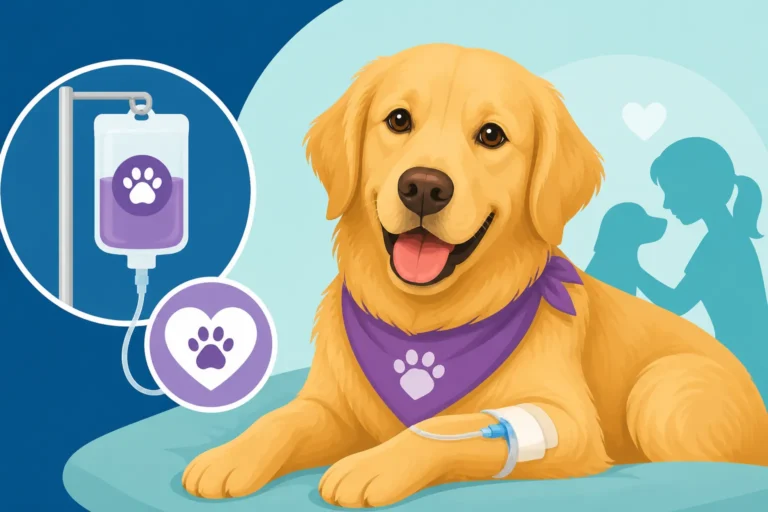
Imagine you're on a camping trip, miles from the nearest vet, and your Golden suddenly starts limping with a deep paw pad cut. Or perhaps it's Sunday evening, your regular vet is closed, and the emergency clinic is an hour's drive away. In these scenarios, a properly equipped first aid kit allows you to clean the wound, apply pressure to stop bleeding, and bandage it securely, giving you precious time to reach professional medical attention. It's about being proactive and having the tools to handle immediate needs, ensuring your dog's comfort and safety until expert help is available. This preparedness can significantly reduce stress for both you and your Golden.
Essential Supplies for Your Golden Retriever's First Aid Kit
Building a first aid kit isn't just about throwing random items into a box. It requires thoughtful consideration of the types of injuries or ailments your Golden might encounter. Let's break down the must-have components into categories, explaining why each item is important for your furry family member.
Wound Care and Bandaging Materials
Cuts, scrapes, and punctures are unfortunately common, especially for an active breed like the Golden. Proper wound care is paramount to prevent infection and facilitate healing.
- Antiseptic Wipes or Solution: Look for chlorhexidine or povidone-iodine. These are excellent for cleaning wounds without stinging, unlike alcohol or hydrogen peroxide which can damage tissue. Gently clean around the wound to remove dirt and debris.
- Sterile Saline Solution: This is perfect for flushing out wounds, especially those on sensitive areas like the eyes or deep paw cuts, without causing irritation. You can find small, individual vials at most pharmacies.
- Non-Stick Gauze Pads: These are crucial for covering wounds. The non-stick variety prevents the gauze from adhering to the wound bed, which can be painful and cause re-injury when removed. Have a variety of sizes on hand.
- Self-Adhering Bandage Wrap (Vet Wrap): This flexible, stretchy wrap sticks to itself, not to your dog's fur. It's ideal for securing gauze pads, creating compression wraps, or providing light support for sprains. Be careful not to wrap it too tightly, which can cut off circulation. You should always be able to slip two fingers comfortably under the wrap.
- Adhesive Tape: Medical tape can be used to secure gauze, particularly in areas where self-adhering wrap might be awkward, or to hold down bandage ends.
- Blunt-Tip Scissors: Essential for cutting bandages, gauze, or even carefully trimming fur around a wound if necessary. The blunt tips reduce the risk of accidentally poking your dog.
- Tweezers: For removing splinters, thorns, ticks, or small debris from wounds. Precision is key here.
- Disposable Gloves: Always wear gloves when dealing with wounds to protect both yourself from potential contaminants and your Golden from bacterial transfer.
Medications and Topical Treatments
While some medications require a vet's prescription, there are several over-the-counter options and topical treatments that are safe and effective for initial first aid.
- Prescribed Medications: If your Golden has any ongoing conditions, ensure you have an emergency supply of their regular medications. This could include pain relievers, anti-inflammatories, or allergy medications.
- Benadryl (Diphenhydramine): This antihistamine is a lifesaver for mild allergic reactions, like bee stings or bug bites, which can cause swelling and itchiness. Always consult your vet for the correct dosage based on your Golden's weight, and only use the plain diphenhydramine formulation, not those with decongestants or pain relievers.
- Styptic Powder or Cornstarch: For minor nail bleeds, which can happen if you trim a nail too short. Styptic powder helps clot the blood quickly. Cornstarch can work in a pinch.
- Antacid (e.g., Famotidine): For occasional upset stomachs or acid reflux, which Goldens can sometimes experience, particularly if they've eaten something they shouldn't have. Again, confirm dosage with your vet.
- Hydrocortisone Cream (1%): A small amount can be applied to insect bites or mild skin irritations to reduce itching and inflammation. Avoid applying to open wounds or areas your dog might lick excessively. If your Golden is prone to Golden Retriever Hot Spots and What Causes Them, this can provide temporary relief until you can see the vet.
- Activated Charcoal (Vet-approved form): This can be used in some cases of poisoning to absorb toxins. Crucially, this should only be administered under direct veterinary instruction, as it's not appropriate for all toxins and can be dangerous if given incorrectly.
General Care and Diagnostic Tools
Beyond specific treatments, having tools to assess your Golden's condition and provide general care is vital.
- Digital Rectal Thermometer: Knowing your dog’s temperature is crucial. A normal temperature for a Golden Retriever is between 101.0 and 102.5°F (38.3-39.2°C). A temperature outside this range can indicate a serious problem.
- Petroleum Jelly or K-Y Jelly: To lubricate the thermometer for comfortable insertion.
- Flashlight/Penlight: Essential for examining ears, eyes, and looking into wounds in low light.
- Emergency Contact Information: A laminated card with your vet's number, the nearest emergency vet clinic, and the ASPCA Poison Control hotline (1-888-426-4435) is non-negotiable. Save these numbers in your phone too.
- Spare Leash and Collar: You never know when you might need an extra, especially if you need to safely restrain an injured dog.
- Muzzle: An injured or scared dog, even the sweetest Golden, can lash out. A soft muzzle can protect you and others while you administer first aid or transport them. Ensure it’s a comfortable, breathable type that allows panting.
- Small Blanket or Towel: For warmth, cushioning, or to help gently move an injured dog.
Here's a quick reference table for your Golden Retriever's first aid kit:
| Category | Item | Purpose | Notes |
|---|---|---|---|
| Wound Care | Antiseptic Wipes/Solution | Cleaning minor cuts & scrapes | Chlorhexidine or Povidone-Iodine based |
| Sterile Saline Solution | Flushing wounds, eye irritation | Gentle, non-irritating | |
| Non-Stick Gauze Pads | Covering wounds, absorbing blood | Various sizes | |
| Self-Adhering Bandage (Vet Wrap) | Securing dressings, light support | Avoid wrapping too tightly | |
| Adhesive Tape | Securing gauze, general fastening | ||
| Blunt-Tip Scissors | Cutting bandages, trimming fur | Safety first for your Golden | |
| Tweezers | Removing splinters, ticks, debris | Fine-tipped for precision | |
| Disposable Gloves | Hygiene, protection for handler | Latex-free if allergies are a concern | |
| Medications (Vet-Approved) | Benadryl (Diphenhydramine) | Mild allergic reactions (bug bites, stings) | Plain formulation only; know dosage |
| Styptic Powder / Cornstarch | Stopping minor nail bleeds | Essential for nail trims | |
| Antacid (Famotidine) | Upset stomach, acid reflux | Vet-approved dosage only | |
| Hydrocortisone Cream (1%) | Reduce itching from bites/irritations | Avoid open wounds, prevent licking | |
| Activated Charcoal | Only with vet guidance for certain poisonings | Critical to consult vet immediately | |
| General & Diagnostic | Digital Rectal Thermometer | Checking body temperature (Normal: 101-102.5°F) | Lubricate with petroleum jelly |
| Petroleum/K-Y Jelly | Thermometer lubrication | ||
| Flashlight/Penlight | Examining eyes, ears, wounds | Crucial in low-light conditions | |
| Emergency Contact Card | Vet, Emergency Vet, Poison Control numbers | Laminated, easily accessible | |
| Spare Leash & Collar | Restraint, backup | Keep in kit or nearby | |
| Muzzle | Preventing bites from an injured/scared dog | Comfortable, breathable type | |
| Small Blanket/Towel | Warmth, cushioning, gentle transport | Soft material |
Beyond the Basics: Advanced Preparations and Skills
Having the physical kit is just one part of being prepared. True readiness involves knowing how to use the items effectively, understanding when to seek immediate veterinary help, and having a financial plan for unexpected emergencies.
Knowing When to Act and When to Call the Vet Immediately
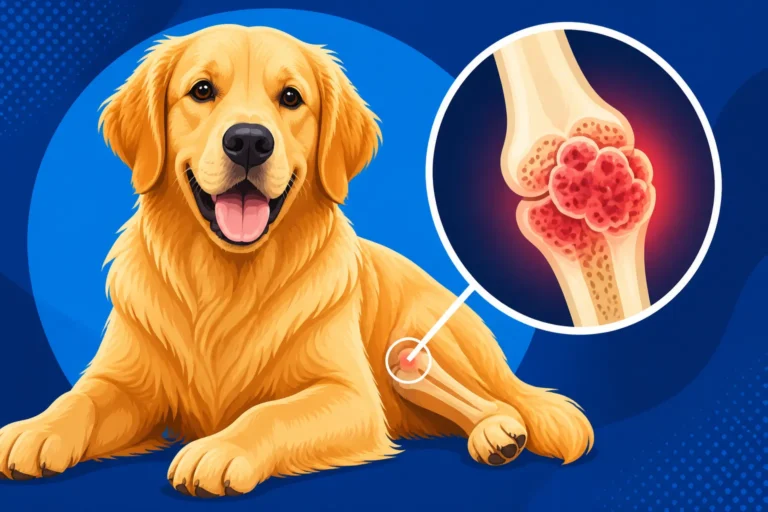
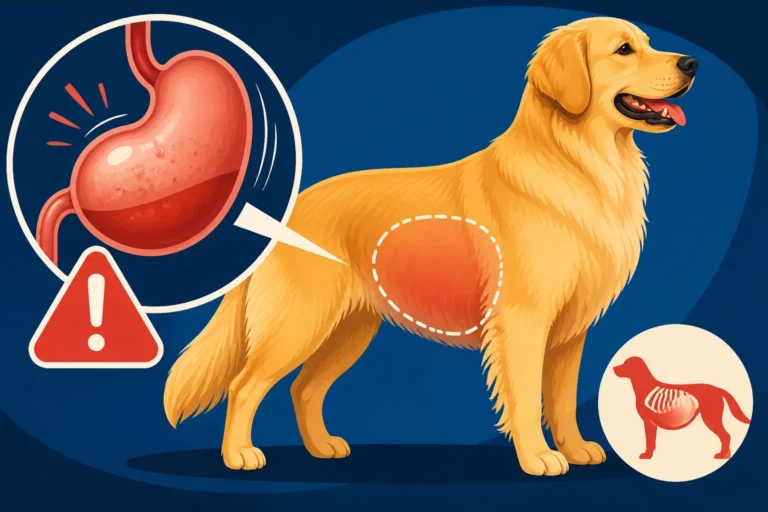
This is perhaps the most critical "tool" in your first aid kit: your judgment. A first aid kit is for immediate, temporary relief and stabilization, not a substitute for professional veterinary care, especially for a large breed like a Golden Retriever. You need to recognize the signs that warrant an immediate trip to the vet, such as excessive bleeding, deep wounds, suspected fractures, severe lameness, difficulty breathing, continuous vomiting or diarrhea, collapse, loss of consciousness, or signs of bloat (a life-threatening condition for deep-chested dogs like Goldens). If you suspect your dog has ingested something toxic, like chocolate or grapes, you must call your vet or poison control before attempting any home remedies. Learning about Bloat Symptoms Every Golden Retriever Owner Should Know and What to Do If a Golden Retriever Eats Chocolate can save precious time.
Even for seemingly minor issues, if your Golden isn't improving rapidly, or if you're ever in doubt, err on the side of caution and contact your veterinarian. It’s always better to be safe than sorry, and a quick phone call can often guide your next steps. Being able to calmly describe the situation and the first aid you've administered will help your vet provide better advice.
Pet First Aid and CPR Training
Just like with humans, knowing pet first aid and CPR can be a literal lifesaver. Many local organizations, like the American Red Cross or private pet care companies, offer courses specifically for dog owners. These courses teach you hands-on skills such as:
- How to properly apply bandages without cutting off circulation.
- Recognizing and responding to choking.
- Administering CPR.
- Identifying and responding to Signs of Heatstroke in a Golden Retriever.
- Stabilizing an injured limb.
- Dealing with venomous bites or stings.
Having these skills empowers you to act confidently and correctly in stressful situations, potentially making a huge difference in the outcome for your Golden. You'll learn the correct way to handle an injured or panicked dog, which is vital for both your safety and theirs.
Emergency Financial Planning and Pet Insurance
Let's be realistic: vet emergencies can be incredibly expensive. A first aid kit helps with immediate care, but it doesn't cover the cost of X-rays, stitches, medications, or even surgery that might be required. Having a plan for these costs is just as important as having a physical kit. Consider setting up a dedicated emergency fund specifically for your dog, much like How Big an Emergency Fund a Golden Retriever Needs.
Alternatively, or in conjunction, consider investing in pet insurance. Companies like Healthy Paws, Trupanion, or Embrace offer various plans that can cover a significant portion of unexpected vet bills for accidents, illnesses, and emergencies. This peace of mind allows you to focus on your Golden's recovery rather than worrying about the financial strain during an already stressful time. Researching Pet Insurance for a Golden Retriever options thoroughly will help you find a plan that fits your budget and your Golden's potential needs, especially considering some of the breed-specific health concerns. When unforeseen emergencies strike, like a sudden injury or illness, knowing you have financial backing can make all the difference in making the best treatment decisions for your beloved companion.
Maintaining and Using Your Golden Retriever's First Aid Kit
A first aid kit is only useful if it's well-organized, fully stocked, and you know how to access and use its contents efficiently. Don't just assemble it and forget it!
Regular Checks and Replenishment
Just like your human first aid kit, your Golden’s kit needs routine attention.
- Check Expiration Dates: Medications, antiseptic solutions, and even sterile saline have expiration dates. Mark your calendar to check these items every six months or at least annually. Discard anything expired and replace it promptly.
- Restock Used Items: After any incident, immediately replace anything you've used. Don't wait until the next emergency to realize you're out of gauze or vet wrap.
- Assess Condition of Supplies: Bandages can become brittle, tape loses its stickiness, and gloves can tear. Ensure all items are in good condition.
- Update Contact Information: If you move, change vets, or new emergency clinics open, update your laminated contact card.
Storing your kit in an easily accessible, clearly marked container is also crucial. A tackle box, a dedicated plastic bin, or even a robust backpack can work well. Make sure it's kept in a cool, dry place, away from extreme temperatures that could degrade medications or supplies. Many people keep a smaller, portable version in their car for walks, hikes, or road trips.
Practicing Basic First Aid Techniques
You don't want the first time you try to bandage a paw to be when your Golden is panicking and bleeding. Practice basic techniques with your dog when they are calm and healthy.
- Bandaging: Gently wrap a paw or leg with self-adhering wrap, just for practice. Offer treats and praise to make it a positive experience. This will help your dog tolerate it better if it ever needs to be done for real.
- Temperature Taking: Practice inserting a lubricated digital thermometer rectally. Start with short durations and reward heavily. This will reduce stress if you ever need to get an accurate temperature during an illness.
- Muzzle Training: Introduce the muzzle positively, associating it with treats and good things. This prevents it from being a scary, novel item only brought out during emergencies.
- Examining Paws and Ears: Regular checks of your Golden's paws and ears will not only help you catch issues early but also desensitize them to handling. This makes it easier to clean a wound or apply a topical treatment if needed. You can check out Golden Retriever Ear, Paw and Nail Care for more tips on routine maintenance.
By familiarizing both yourself and your Golden with these procedures in a low-stress environment, you build confidence and reduce anxiety, making genuine emergency situations much more manageable. Remember, a prepared owner is a calm owner, and a calm owner makes for a calmer Golden Retriever during times of distress.
Disclaimer
The information provided in this guide is for informational purposes only and is not intended to be a substitute for professional veterinary advice, diagnosis, or treatment. Always seek the immediate advice of your veterinarian or other qualified animal health provider with any questions you may have regarding a medical condition or before undertaking any new health regimen for your pet.