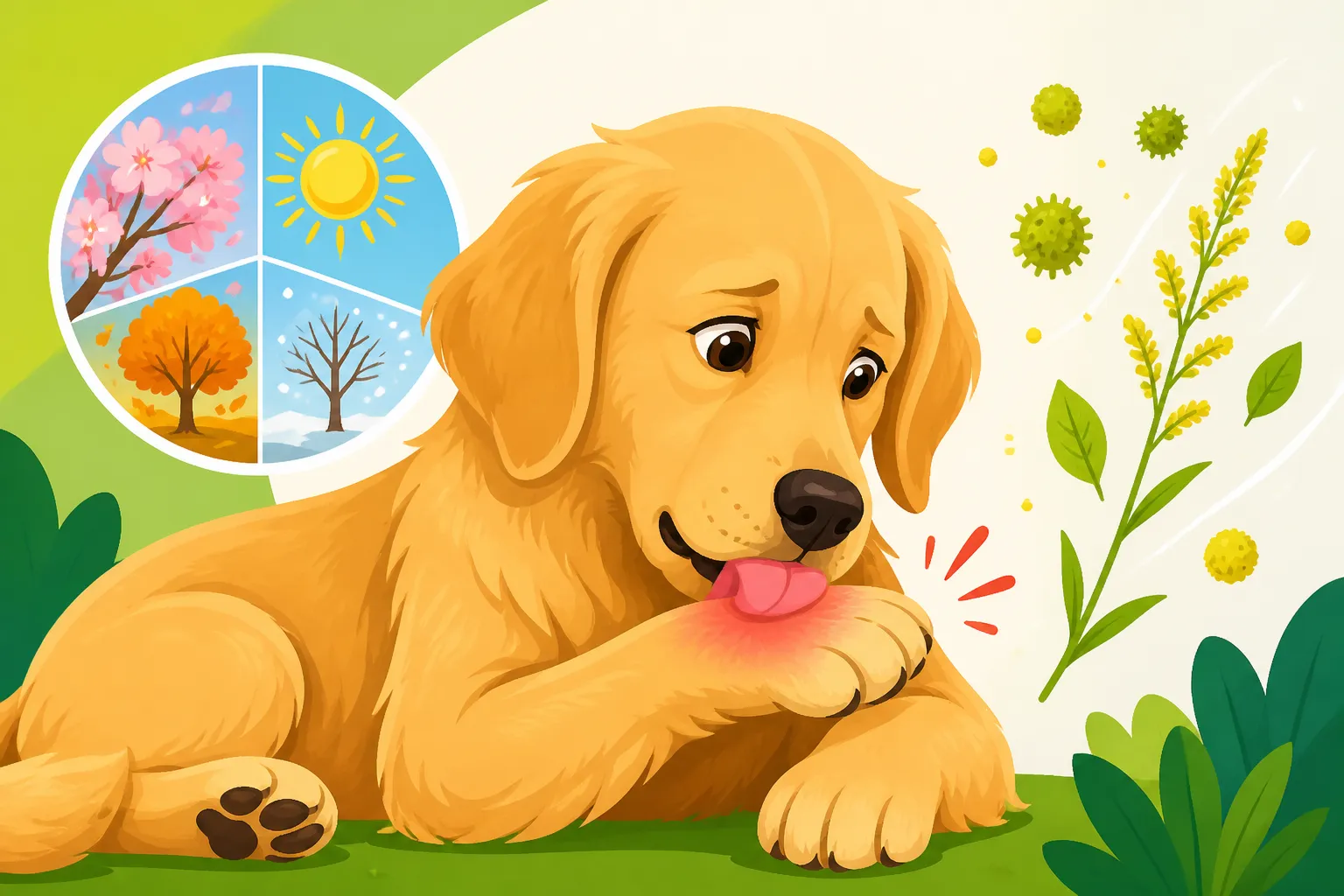
Golden Retriever Paw Licking and Seasonal Allergies
Few things are more frustrating for a Golden Retriever owner than watching their beloved companion relentlessly lick and chew at their paws, often to the point of irritation or raw skin. This persistent behavior isn't just a quirky habit; it's a clear signal that something is bothering them, and more often than not, seasonal allergies are the primary culprit. This comprehensive guide will delve deep into understanding why Golden Retrievers are so prone to these environmental sensitivities, how to identify the specific triggers, and most importantly, what practical steps you can take at home and with your vet to bring your furry friend much-needed relief.
The Itchy Truth Behind Golden Retriever Paw Licking
That incessant paw licking, the one that makes a wet, slurping sound and leaves your Golden's paws damp and sometimes red, isn't just boredom. It's often their way of trying to soothe an intense itch, a hallmark symptom of allergic dermatitis. While it might seem localized to the paws, it's usually a manifestation of a systemic allergic reaction to something in their environment. Understanding this underlying cause is the first step toward effective management.
Why Goldens Are Prone to Allergies
Golden Retrievers, with their beautiful double coats and friendly dispositions, are unfortunately genetically predisposed to a range of allergic conditions. This breed, like many others, carries certain genetic markers that make their immune systems overreact to otherwise harmless substances in the environment. This immune system hypersensitivity often presents as atopic dermatitis, or environmental allergies. It's not uncommon to see several Goldens in the same family or lineage struggle with similar issues, highlighting the hereditary component. You can dive deeper into these common issues in our guide on Golden Retriever Skin, Ear and Allergy Problems.
Their thick double coat, while gorgeous, can also trap allergens close to the skin, prolonging exposure and exacerbating the itch. When these allergens settle on the skin, a Golden's immune system mistakenly identifies them as a threat, triggering a cascade of inflammatory responses. This inflammation leads to itching, and the dog's natural instinct is to lick, chew, and sometimes even bite at the affected areas, especially the easily accessible paws. It's a vicious cycle that can be incredibly distressing for both the dog and their owner.
The Cycle of Licking and Infection
What starts as an allergic itch can quickly spiral into a secondary infection, making the problem even worse. When a Golden Retriever constantly licks and chews their paws, they introduce moisture and bacteria from their mouth onto already inflamed skin. This warm, moist environment between their paw pads and toes is the perfect breeding ground for yeast and bacteria to proliferate.
You might start to notice a yeasty, Frito-like smell coming from their paws, or the skin might appear reddish-brown, especially between the toes or where the fur is lighter. This discoloration is often due to porphyrin staining, a pigment in their saliva that oxidizes when exposed to air. If left unchecked, these secondary infections can become incredibly painful, leading to oozing sores, crusting, and even limping. At this point, topical treatments alone are often insufficient, and systemic antibiotics or antifungals from your veterinarian become necessary to clear up the infection before addressing the underlying allergy.
Pinpointing Seasonal Allergy Triggers for Your Golden
Identifying the specific culprits behind your Golden's seasonal paw licking is crucial for effective management. While it can feel like a guessing game, understanding common seasonal allergens can provide significant clues. It's a detective job, but you're a good detective!
Common Environmental Allergens by Season
Seasonal allergies, as the name suggests, tend to flare up at specific times of the year, directly correlating with the life cycles of various plants and fungi.
- Spring: As the world awakens, so do tree pollens. Oak, maple, birch, and cedar trees release tiny pollen grains that become airborne and settle everywhere, including on your Golden's coat and paws. Grass pollens also begin to emerge as spring turns to early summer. If your Golden starts licking their paws intensely as soon as the weather warms up and greenery bursts forth, tree or grass pollen is a highly suspected trigger.
- Summer: This season often brings an abundance of grass and weed pollens. If your Golden enjoys romping through fields or tall grass, they're directly exposed to these irritants. Additionally, mold and mildew can become more prevalent in humid conditions, both outdoors and sometimes even indoors. A dog allergic to grasses might show symptoms most severely after walks in grassy parks.
- Fall: For many dogs, fall is ragweed season, a notorious allergen responsible for a lot of human hay fever, and dog allergies too. As leaves begin to fall and decompose, mold spores also become more widespread. Dogs rolling in leaf piles or sniffing around damp garden beds can pick up these allergens. The distinct timing of these flare-ups, year after year, provides strong evidence of a seasonal environmental allergy.
Differentiating Seasonal from Food Allergies
While the focus here is on seasonal allergies, it's important to understand how they differ from food allergies, as symptoms can sometimes overlap. The key distinction often lies in the timing. Seasonal allergies will typically follow a predictable pattern, appearing and receding with the changing seasons. Your Golden might be perfectly fine in winter but start licking their paws come spring, then again in the late summer/early fall.
Food allergies, on the other hand, usually present year-round, regardless of pollen counts or outdoor conditions. They can also manifest with additional symptoms like gastrointestinal upset (vomiting, diarrhea) alongside skin issues. If your Golden is itchy and uncomfortable all the time, or if their symptoms don't follow a clear seasonal pattern, it's worth exploring the possibility of a food allergy with your vet. Our article on Golden Retriever Food and Skin Allergies offers a deeper dive into this topic.
Here’s a quick overview of common seasonal triggers and their typical impact:
| Season | Common Allergens | Primary Symptoms | Additional Notes |
|---|---|---|---|
| Spring | Tree pollen (oak, birch, maple), early grass pollen | Paw licking, scratching, red skin, mild ear irritation | Symptoms often begin shortly after trees bud and bloom. |
| Summer | Grass pollen, weed pollen (e.g., plantain), mold | Intense paw licking, itchy belly/armpits, ear infections | Worse after outdoor activities; humidity can increase mold. |
| Fall | Ragweed, other weed pollens, decomposing leaf mold | Paw licking, skin inflammation, recurrent ear infections | Symptoms often coincide with cooler, damp weather and leaf fall. |
| Winter | Indoor allergens (dust mites, dander), dryness | Less common for seasonal, but indoor allergens persist | Dry air can exacerbate existing skin sensitivities. |
Effective At-Home Strategies for Paw Licking Relief
While you'll undoubtedly want to consult your veterinarian for persistent issues, there are many proactive steps you can take at home to ease your Golden Retriever's discomfort and help manage seasonal allergies. These strategies focus on reducing allergen exposure and providing symptomatic relief.
Daily Paw Care Routine
One of the most immediate and effective ways to help a paw-licking Golden is to establish a diligent paw care routine, especially after they've been outside. Think of it like washing your hands after touching something irritating; the goal is to remove allergens before they can cause a reaction.
Immediately after walks or outdoor play, use a damp cloth, a specialized paw wipe, or a shallow foot bath with lukewarm water to thoroughly clean their paws. Pay close attention to the spaces between their paw pads and toes, as this is where pollen and other irritants tend to accumulate. You can use a gentle, dog-specific shampoo or even a diluted apple cider vinegar rinse (1 part vinegar to 10 parts water) if your vet approves and there are no open sores. Completely dry their paws afterwards to prevent moisture-related infections, which Goldens with their dense fur are particularly prone to. If you find your Golden is constantly licking their paws even after diligent cleaning, or if their paws appear red and inflamed, you might consider protective booties for walks, especially during peak allergen seasons. This acts as a physical barrier against environmental triggers.
Environmental Management Indoors
Just because your Golden is inside doesn't mean they're free from allergens. Many environmental irritants, such as dust mites, mold spores, and even human or other pet dander, can accumulate indoors and contribute to year-round or seasonal flare-ups. Taking steps to minimize these indoor allergens can make a significant difference.
Regular vacuuming with a vacuum designed for pet hair, like a Dyson or Shark model, can help remove allergens from carpets and upholstery. If you have hard floors, frequent damp mopping is even better. Consider investing in a high-efficiency particulate air (HEPA) filter for your furnace or standalone air purifiers for the rooms where your Golden spends the most time. Washing your dog's bedding at least once a week in hot water can also eliminate dust mites and accumulated outdoor allergens. Even regularly wiping down surfaces in your home can reduce the overall allergen load, providing a cleaner, more comfortable environment for your sensitive Golden. This is particularly important because Goldens are known for their How Much a Golden Retriever Sheds Year Round, which can contribute to indoor allergen build-up.
Dietary Support and Supplements
What goes into your Golden Retriever can also play a role in their skin health and ability to cope with allergies. A healthy skin barrier is your dog's first line of defense against environmental irritants, and certain nutrients can support this.
Omega-3 fatty acids, found in fish oil, are renowned for their anti-inflammatory properties and can significantly improve skin and coat health. Supplements containing high-quality EPA and DHA can help reduce the intensity of allergic reactions by promoting a stronger skin barrier and lessening overall inflammation. Many owners find success with adding a daily dose of fish oil, like Nordic Naturals or Zesty Paws, to their Golden's food. Learn more about the benefits in our article Fish Oil for a Golden Retriever's Coat. Probiotics, which support gut health, can also indirectly boost the immune system and reduce allergic responses, as a healthy gut is linked to overall immune function. Always discuss any new supplements with your veterinarian to ensure they are appropriate for your specific dog and won't interact with any existing medications or conditions.
When to Call the Vet: Professional Diagnosis and Treatment
While at-home care is incredibly helpful, there comes a point when persistent paw licking and allergic symptoms warrant a professional veterinary visit. Delaying veterinary intervention can lead to more severe discomfort, pain, and more complicated treatment down the line.
Recognizing When It's More Than "Just Allergies"
It's easy to dismiss occasional paw licking as a minor annoyance, but severe or chronic symptoms demand attention. If your Golden Retriever's paw licking becomes constant, if the skin is broken, raw, or bleeding, or if you notice a foul odor, it's definitely time to see the vet. These are clear signs of a secondary bacterial or yeast infection, which will require specific medication. You might also notice your Golden limping, avoiding putting weight on a paw, or showing other subtle Signs a Golden Retriever Is in Pain.
Other red flags include swelling of the paw, discharge between the toes, or if the licking is accompanied by other allergy symptoms like recurrent ear infections, intense scratching elsewhere on the body (especially armpits, groin, or face), or even gastrointestinal upset. These symptoms indicate a systemic problem that needs professional diagnosis and a tailored treatment plan to prevent long-term damage and improve your dog's quality of life. Sometimes, what looks like allergies can even be mistaken for behavioral issues, but ignoring the physical discomfort won't solve anything. It's also important to differentiate between allergic paw licking and more benign behaviors like a puppy being Why Golden Retriever Puppies Are So Mouthy during their teething phase.
Veterinary Diagnostics and Treatment Options
When you visit your veterinarian for paw licking, they will conduct a thorough physical examination and likely recommend some diagnostic tests. They'll probably take skin scrapes or cytology samples from the affected paws to look for yeast, bacteria, or mites under a microscope. This helps identify any secondary infections that need to be treated alongside the allergies. Your vet might also discuss allergy testing, which can involve blood tests or intradermal skin testing performed by a veterinary dermatologist. These tests aim to identify the specific environmental allergens your Golden is reacting to.
Treatment for seasonal allergies in Goldens is multifaceted and often requires a combination approach. For immediate relief, your vet might prescribe anti-inflammatory medications like corticosteroids (e.g., prednisone) for short-term use, or newer, more targeted anti-itch medications like Apoquel or Cytopoint. Apoquel is an oral medication that works quickly to stop the itch cycle, while Cytopoint is an injectable antibody therapy that provides itch relief for 4-8 weeks. Secondary infections will be treated with appropriate antibiotics or antifungals, either oral or topical. It's a significant investment, but services like Healthy Paws pet insurance can often help cover these diagnostic and treatment costs, providing peace of mind during expensive allergy flare-ups.
Long-Term Management and Prevention
Managing seasonal allergies in Golden Retrievers is often a lifelong commitment, not a one-time fix. Once specific allergens are identified, your vet might recommend allergen-specific immunotherapy, often called allergy shots or oral drops (sublingual immunotherapy). This treatment gradually exposes your dog to increasing doses of the allergens they react to, aiming to desensitize their immune system over time. It's a long-term commitment (often 6-12 months before significant improvement is seen) but can be very effective in reducing the need for other medications.
Working closely with your veterinarian to develop a comprehensive, long-term management plan is essential. This plan might include a combination of immunotherapy, regular bathing with medicated shampoos, dietary supplements, and strategic use of anti-itch medications during peak allergy seasons. Regular check-ups, often twice a year, as detailed in Why Goldens Need Vet Visits Twice a Year, are crucial to monitor your Golden's condition, adjust treatments as needed, and catch any new issues early. Remember that consistency in treatment and environmental management is key to keeping your Golden comfortable and preventing severe flare-ups. Healthy Paws is one of many pet insurance providers that can help manage the ongoing costs of chronic conditions like allergies.
Disclaimer
The information provided in this article is for general informational purposes only and is not a substitute for professional veterinary advice. Always consult with a qualified veterinarian for any health concerns or before making any decisions related to your pet's health and treatment.