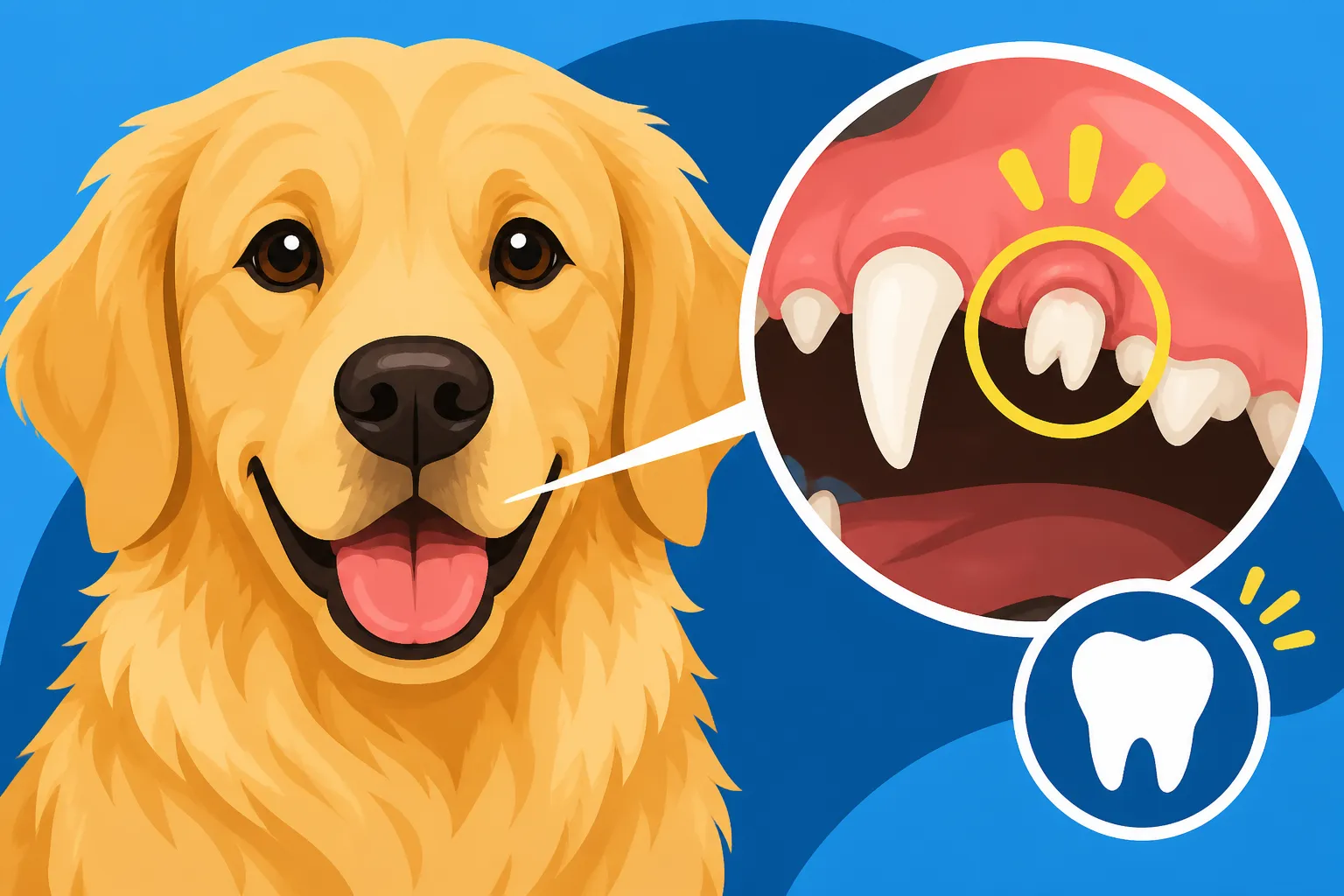
Retained Baby Teeth in a Golden Retriever
It’s a common scenario for Golden Retriever puppy parents: you’re marveling at their rapid growth, watching their goofy play, and then you notice something a little off in their mouth. Perhaps a permanent tooth is poking through right next to a baby tooth that just refuses to budge. This guide will walk you through everything you need to know about retained baby teeth in Golden Retrievers, why it happens, the potential problems it can cause, and most importantly, what steps you need to take to keep your furry friend's smile healthy and comfortable.
Understanding the Dental Dynamics in Golden Retriever Puppies
Just like human children, Golden Retriever puppies are born without teeth and develop a set of "baby" or "deciduous" teeth before their permanent adult teeth emerge. It’s a natural process, but sometimes, nature needs a little nudge.
The Normal Puppy Teething Timeline
A Golden Retriever puppy typically starts developing their baby teeth around 3-4 weeks of age. By the time they're 6-8 weeks old, they usually have a full set of 28 deciduous teeth. These tiny, needle-sharp teeth are infamous for making puppy nipping feel a lot more intense!
The shedding process usually begins around 3-4 months of age. You might find tiny teeth on the floor or in their chew toys, or your puppy might just swallow them (which is perfectly normal). The permanent teeth, all 42 of them for an adult Golden, start pushing through. Incisors and canines generally appear first, followed by premolars and molars. By the time your Golden Retriever puppy is 6-7 months old, they should have shed all their baby teeth and have a nearly complete set of adult teeth. This is a crucial window for growth and development, which is why monitoring their mouth is so important. You can learn more about this whole process in our article, The Golden Retriever Teething Timeline.
Why Baby Teeth Sometimes Stick Around
So, why do some Golden Retriever puppies hold onto their baby teeth when they should be falling out? The primary reason is often a lack of proper root reabsorption. When a permanent tooth is ready to erupt, it's supposed to push up directly underneath its deciduous counterpart. This pressure stimulates the roots of the baby tooth to gradually dissolve, allowing it to loosen and fall out.
However, if the permanent tooth doesn't erupt in the correct position, or if there's a genetic predisposition to delayed shedding, the baby tooth's roots might not resorb as they should. This leaves the baby tooth firmly anchored while the adult tooth tries to find its own path, often erupting right alongside it. While smaller breeds are often more prone to retained deciduous teeth due to jaw structure and overcrowding, Goldens can absolutely experience this issue. Sometimes, it's just a stubborn tooth, or perhaps the adult tooth has simply erupted slightly off-kilter, missing the mark to push out its predecessor.
Here's a quick overview of the expected tooth development:
| Tooth Type | Eruption Age (Deciduous) | Shedding Age (Deciduous) | Eruption Age (Permanent) | Total Permanent Teeth |
|---|---|---|---|---|
| Incisors | 3-6 weeks | 3-5 months | 3-5 months | 12 |
| Canines | 3-6 weeks | 4-6 months | 4-7 months | 4 |
| Premolars | 3-6 weeks | 4-6 months | 4-6 months | 16 |
| Molars | N/A | N/A | 5-7 months | 10 |
Note: Molars only appear as permanent teeth, not deciduous ones.
The Hidden Dangers of Lingering Puppy Teeth
It might seem like a minor thing, a cute little extra tooth, but retained baby teeth are more than just a cosmetic concern for your Golden Retriever. They can lead to a cascade of painful and costly dental and health problems if not addressed.
Impact on Adult Tooth Alignment and Health
The most immediate and concerning issue with retained baby teeth is how they interfere with the proper eruption and alignment of the permanent teeth. Imagine two teeth trying to occupy the same small space. The adult tooth, blocked by the baby tooth, might erupt at an awkward angle, or it could even become impacted, meaning it can't fully emerge. This often leads to a condition called malocclusion, or a "bad bite," where the upper and lower teeth don't fit together correctly.
For a Golden Retriever, a misaligned bite can cause a host of problems. Teeth might rub against each other, leading to abnormal wear and tear. More seriously, a permanent tooth growing into the wrong spot can dig into the soft tissues of the gums or the roof of the mouth, causing chronic pain, inflammation, and even ulcers. This constant irritation can make eating uncomfortable and even lead to infections, deeply impacting your dog's quality of life.
Oral Health Complications and Disease
Beyond alignment issues, retained baby teeth create a perfect storm for poor oral hygiene and the early onset of dental disease. The extra tooth, crammed into an already tight space, makes it incredibly difficult to clean effectively. Food particles, plaque, and tartar easily get trapped between the baby and adult tooth, and between teeth that are too close together.
This accumulation leads to gingivitis, which is inflammation of the gums. If left untreated, gingivitis progresses to periodontal disease, a serious infection that affects the supporting structures of the teeth – the gums, bone, and ligaments. Periodontal disease is painful, can cause tooth loss, and the bacteria from chronic oral infections can even travel through the bloodstream to affect vital organs like the heart, kidneys, and liver. This is a very common issue that Goldens can face, and understanding Golden Retriever Dental Care at Home can help prevent these complications.
Discomfort and Behavioral Changes
A Golden Retriever suffering from retained baby teeth might not always show obvious signs of pain, but they are likely experiencing discomfort. This discomfort can manifest in subtle behavioral changes that owners might miss. They might be less enthusiastic about chewing their favorite toys, or they might become pickier with their food, preferring softer meals.
You might also notice them pawing at their mouth more often, rubbing their face, or excessive drooling. Bad breath, officially known as halitosis, is another tell-tale sign of dental issues, often indicating the presence of infection and bacteria. A dog that is constantly in pain, even low-grade, will generally be less active, less playful, and their overall demeanor might change. Catching these quiet signs of discomfort is crucial for your Golden's well-being.
Detecting Retained Teeth and Seeking Veterinary Care
Recognizing a retained baby tooth early on and getting professional veterinary help is key to preventing long-term problems for your Golden Retriever.
When to Check Your Golden Retriever Puppy's Mouth
Regularly checking your Golden Retriever puppy's mouth should be part of your routine from the moment you bring them home. This not only helps you spot issues like retained teeth but also gets them comfortable with having their mouth handled, which is vital for future vet visits and home dental care.
Start around 4-5 months of age. Gently lift their lips and examine their gums and teeth. What you're looking for is any instance where a permanent tooth is coming in, and the corresponding baby tooth is still there. The most common culprits are the canine teeth, both upper and lower, and the incisors. If you see two teeth in one spot where there should only be one, it's time to mark it down. Remember, by 6-7 months, all baby teeth should be gone. If any are still present past this point, they are considered retained. Don't hesitate to mention any concerns during their regular Golden Retriever Puppy Vaccination Timeline appointments.
The Importance of a Veterinary Examination
As soon as you suspect a retained tooth, or even just have a gut feeling something isn't quite right with your Golden's mouth, schedule a vet visit. Your veterinarian has the expertise to thoroughly examine your puppy's mouth, check the alignment of their bite, and identify any issues. During this examination, they can confirm if a tooth is indeed retained.
Often, these examinations coincide with other routine procedures, such as when it's time for Spaying and Neutering Timing for Goldens. Since these surgeries already require general anesthesia, it’s often the ideal time to address retained baby teeth. This saves your Golden from needing a separate anesthetic event, which is always a bonus. Your vet might also recommend dental X-rays to assess the roots of the retained tooth and to ensure there are no other underlying issues, such as unerupted permanent teeth or jaw abnormalities. This comprehensive check-up ensures that your vet has a complete picture of your Golden's oral health.
The Surgical Extraction Process
If a retained baby tooth is identified and it's clear it won't fall out on its own, the recommended course of action is usually surgical extraction. This isn't just about pulling the tooth; it's a careful procedure performed under general anesthesia to ensure your Golden's comfort and safety. The veterinary team will ensure proper monitoring throughout the procedure.
The goal is to remove the entire baby tooth, including its roots, without damaging the developing permanent tooth. This often requires careful technique and sometimes even sectioning the baby tooth to remove it cleanly. After extraction, your vet will likely prescribe pain medication and possibly antibiotics to prevent infection. They'll also give you instructions for post-operative care, which usually involves feeding soft food for a few days and limiting strenuous activity. While this can seem like an unexpected expense, pet insurance providers like Healthy Paws can often help cover a portion of unexpected surgical costs, making essential treatments more manageable for owners. Understanding the potential for Golden Retriever Emergency Vet Bills can help you prepare financially.
Ensuring Long-Term Oral Health After Extraction
Removing retained baby teeth is a critical step, but it’s just the beginning of a lifelong commitment to your Golden Retriever's oral health.
Post-Extraction Care and Recovery
After your Golden Retriever has had retained teeth extracted, follow your veterinarian's post-operative instructions meticulously. This typically involves feeding a soft diet for 3-7 days to prevent irritation or damage to the extraction sites. Kibble can be softened with warm water or broth, or you can opt for canned prescription diets. Your vet will prescribe pain medication to keep your Golden comfortable during recovery, and it's vital to administer it as directed.
You’ll also need to monitor the extraction sites for any signs of infection, such as redness, swelling, discharge, or foul odor. Most Goldens recover quickly, often within a week or two, and soon return to their usual playful selves. A follow-up visit may be scheduled to ensure proper healing and to check the alignment of the permanent teeth that are now free to grow properly. This careful recovery period sets the stage for a healthier mouth.
Maintaining Optimal Dental Hygiene at Home
Once your Golden's mouth has healed, establishing a consistent home dental care routine is paramount. Regular tooth brushing is the gold standard for preventing plaque and tartar buildup. Start slowly, using a dog-specific toothbrush and toothpaste (never human toothpaste, as it contains ingredients toxic to dogs like xylitol). Aim for daily brushing, even if it's just for a minute or two, focusing on the outside surfaces of the teeth.
Beyond brushing, you can incorporate other dental aids like veterinary dental chews and water additives designed to reduce plaque. Look for products that have been approved by the Veterinary Oral Health Council (VOHC) for proven efficacy. These aren't substitutes for brushing but can be helpful complements. Even with diligent home care, most Golden Retrievers will benefit from professional dental cleanings at the veterinary office every 1-2 years. These procedures allow for a thorough cleaning, scaling above and below the gumline, and polishing, often requiring anesthesia. Learning How Often Golden Retrievers Need Dental Cleaning can help you plan.
The Role of Nutrition and Chew Toys
What your Golden Retriever eats and chews also plays a role in their dental health. While specialized dental diets exist, a high-quality, balanced diet is fundamental for overall health, which includes oral health. For teething puppies, offering appropriate chew toys can help massage their gums and encourage the shedding of baby teeth. When choosing Chew Toys That Survive a Golden Retriever, always opt for toys that are appropriately sized and durable, but not so hard they risk breaking teeth (avoid antlers, bones, or very hard nylon chews).
Furthermore, maintaining a healthy weight for your Golden Retriever is important for their overall well-being, including dental health. Obesity can exacerbate many health issues, and while not directly causing dental problems, a healthier dog is generally better equipped to fight off infections. This broader approach to health, encompassing diet, exercise, and preventative care, works hand-in-hand with specific dental practices. Consider exploring options for Pet Insurance for a Golden Retriever to help with unexpected dental procedures or ongoing preventative care, as many plans offer wellness add-ons that can cover cleanings. Healthy Paws is one provider that could assist in managing these costs.
By being proactive, observant, and working closely with your veterinarian, you can ensure your Golden Retriever maintains a healthy, happy smile for many years to come, preventing unnecessary pain and avoiding more serious health complications down the road.
Disclaimer
The information provided in this article is for general informational purposes only and is not a substitute for professional veterinary advice. Always consult with a qualified veterinarian for any health concerns or before making any decisions about your pet's medical care.