Spaying and Neutering Timing for Goldens
Deciding when to spay or neuter your beloved Golden Retriever can feel like navigating a minefield of conflicting advice. You hear everything from "do it early to prevent cancer" to "wait as long as possible for joint health," and it's enough to make any responsible Golden owner feel overwhelmed and unsure. This comprehensive guide is here to cut through the noise, offering clear, research-backed information to help you make the best, most informed decision for your unique Golden.
The Evolving Advice on Spay/Neuter Timing
For years, the standard advice from many veterinarians was to spay or neuter puppies around six months of age. This recommendation was largely driven by concerns about pet overpopulation and the belief that earlier sterilization offered significant health and behavioral benefits. However, as our understanding of canine physiology and breed-specific health concerns has grown, that one-size-fits-all approach has started to change, particularly for breeds like our beloved Goldens.
Traditional Recommendations and Their Basis
The traditional "six-month rule" was born from a very pragmatic place: preventing unwanted pregnancies and litters. Animal shelters faced — and still face — immense pressure from overpopulation, and early spay/neuter was seen as a crucial tool in this fight. On the individual pet level, early sterilization was also believed to prevent certain cancers, such as mammary tumors in females, and to reduce marking behaviors or aggression in males. It was a straightforward recommendation that seemed to serve multiple important purposes, and for many years, it was rarely questioned. Many vets were taught this as the golden standard for good pet ownership, and it became deeply ingrained in veterinary practice and public perception.
New Research and Breed-Specific Concerns
However, more recent, large-scale studies have started to reveal a more nuanced picture, especially when it comes to specific breeds like Golden Retrievers. These studies, some spanning many years and involving thousands of dogs, have highlighted that the timing of sterilization can have different, sometimes profound, impacts on certain breeds due to their unique genetic predispositions and growth patterns. For Goldens, in particular, the focus has shifted to the role of sex hormones in bone development, joint health, and the immune system. We're learning that removing these hormones too early might disrupt critical developmental processes, potentially increasing the risk of certain orthopedic conditions and even some cancers later in life. This isn't to say early spay/neuter is bad for every dog, but it certainly suggests that a more individualized, breed-aware approach is warranted for our Goldens.
Benefits of Spaying or Neutering Your Golden Retriever
Despite the evolving conversations around timing, the decision to spay or neuter still carries significant, undeniable benefits for individual dogs and the broader community. It's not a question of if for most owners, but when. These benefits span across population control, behavioral improvements, and crucial health protections.
Population Control and Behavioral Advantages
From a societal perspective, spaying and neutering are the most effective tools we have against pet overpopulation. Every year, millions of unwanted animals end up in shelters, many of whom never find a forever home. By sterilizing your Golden, you're directly contributing to reducing this tragic number, ensuring no accidental litters add to the burden.
On a behavioral front, the advantages can be quite noticeable, especially with intact males. Neutering often reduces hormonally driven behaviors like roaming in search of mates, excessive marking (both indoors and out), and some forms of aggression towards other intact males. While it's not a magic bullet for all behavioral issues – training and socialization are still paramount – removing the hormonal drive can certainly make management easier. For females, spaying eliminates the messy and inconvenient heat cycles, which typically occur twice a year and can last for several weeks. During this time, female Goldens can attract unwanted male attention, requiring strict supervision to prevent accidental breedings. Spaying removes this entire cycle, making life cleaner and less stressful for both dog and owner.
Health Benefits for Males and Females
Beyond behavior, there are clear health advantages to spaying and neutering. For male Goldens, neutering completely removes the risk of testicular cancer, a relatively common cancer in older intact males. It also significantly reduces the incidence of benign prostatic hyperplasia (enlarged prostate), which can cause discomfort and difficulty urinating, and perianal tumors. While these conditions are often treatable, prevention is always preferable.
For female Goldens, spaying dramatically reduces the risk of mammary tumors (breast cancer), especially if performed before their first or second heat cycle. The risk of mammary cancer increases with each subsequent heat cycle. Spaying also eliminates the risk of pyometra, a life-threatening uterine infection that is surprisingly common in intact older females. Pyometra requires emergency surgery and can be fatal if not treated promptly. Additionally, spaying prevents uterine and ovarian cancers, though these are less common than mammary tumors or pyometra. Overall, these health benefits alone are often compelling enough for owners to choose sterilization.
Potential Risks of Early Spay/Neuter in Goldens
While the general benefits of spaying and neutering are well-established, specific timing can introduce different considerations for Golden Retrievers. Recent research, particularly from studies focusing on larger breeds, has highlighted potential downsides to early sterilization that Golden owners should be aware of.
Orthopedic Concerns and Joint Health
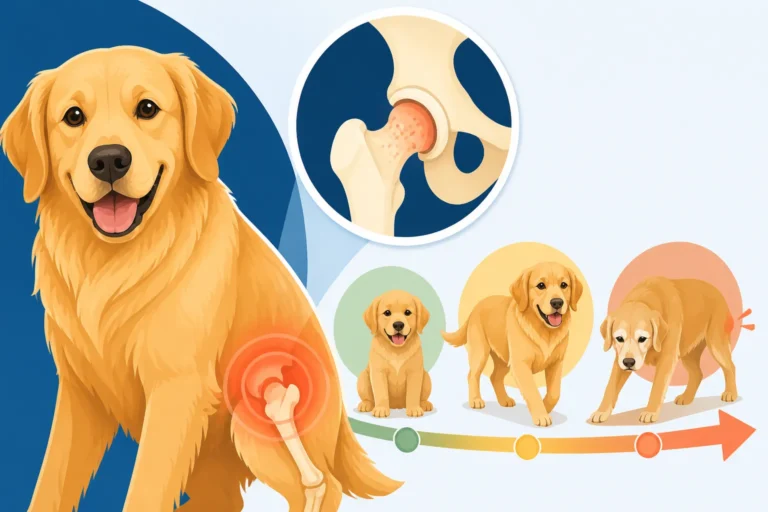
One of the most significant concerns for Golden Retrievers when it comes to early spay/neuter is its potential impact on joint health. Goldens are already predisposed to debilitating conditions like Golden Retriever Hip and Elbow Dysplasia Explained and Golden Retriever Arthritis and Joint Decline. Sex hormones play a crucial role in the development and closure of growth plates, the areas of cartilage in puppies' long bones where new bone is formed. If these hormones are removed before the growth plates have fully closed, bones can grow longer than they otherwise would. This altered growth can lead to changes in joint structure and biomechanics, potentially increasing the risk and severity of hip and elbow dysplasia, as well as cranial cruciate ligament (CCL) tears.
Studies have shown a higher incidence of these orthopedic issues in Goldens sterilized at a young age (e.g., before six months or even a year) compared to those altered later or left intact. For a breed that already struggles with joint problems, anything that might exacerbate this risk needs serious consideration. For example, a male Golden neutered at six months might have a significantly higher chance of developing a CCL tear compared to a male neutered at 18-24 months. These kinds of injuries often require expensive surgery and long recovery times, leading to significant stress for both dog and owner.
Increased Cancer Risk
Perhaps one of the most counterintuitive findings is that for Golden Retrievers, early spay/neuter might actually increase the risk of certain cancers, rather than decrease it. While spaying dramatically reduces mammary cancer, studies, including those reviewed by organizations like the Golden Retriever Club of America, have indicated a higher incidence of other serious cancers in Goldens sterilized early. These include:
- Hemangiosarcoma: A highly aggressive cancer of the blood vessels, notoriously difficult to treat and a leading cause of death in Golden Retrievers.
- Lymphoma: Another common and serious cancer in Goldens, affecting the lymphatic system.
- Mast Cell Tumors: While often benign, aggressive forms can occur, and some studies suggest an increased risk with early spay/neuter.
- Osteosarcoma: A bone cancer that can be devastating.
The exact mechanisms aren't fully understood, but it's believed that the lifelong absence of sex hormones might alter immune function or cellular processes in a way that makes Goldens more susceptible to these specific cancers. Given that Cancer in Golden Retrievers and Why the Breed Is Hit Hardest, any factor that could potentially heighten this risk is a major concern for Golden owners. Owners need to understand that this is a complex trade-off: reduced risk of reproductive cancers versus potentially increased risk of other aggressive cancers.
Other Health Implications
Beyond joints and cancer, early spay/neuter has been linked to a few other health considerations in Golden Retrievers:
- Urinary Incontinence: Female Goldens spayed early, particularly before their first heat cycle, have a higher reported incidence of urinary incontinence, a condition where they involuntarily leak urine. This can be a lifelong management issue, requiring medication.
- Hypothyroidism: While not definitively conclusive across all studies, some research suggests a potential link between early sterilization and an increased risk of hypothyroidism, a common endocrine disorder in Goldens that requires lifelong medication. You can learn more about Golden Retriever Hypothyroidism Symptoms Owners Notice.
- Weight Gain: Sterilized dogs, both male and female, tend to have a lower metabolic rate and a higher propensity for weight gain. This isn't directly a risk of early spay/neuter, but it's a general consideration that becomes even more important for Goldens, as How Extra Weight Shortens a Golden Retriever's Life and contributes to joint stress. Owners must be diligent about diet and exercise regardless of when their Golden is altered.
It's important to stress that these are risks and associations found in studies, not guarantees. Every Golden Retriever is an individual, and some will develop these conditions regardless of spay/neuter timing, while others will never experience them. The goal is to understand these potential risks to make the most informed decision possible.
Considering Individual Factors and Vet Consultation
Given the complexities and the breed-specific nuances for Golden Retrievers, there's no longer a universal "right answer" for spay/neuter timing. The best decision will always be a personalized one, taking into account your dog's individual circumstances, your lifestyle, and, most importantly, the advice of your trusted veterinarian.
Age, Sex, and Lifestyle Considerations
The emerging research suggests that the ideal timing for sterilization can vary depending on whether your Golden is male or female.
- For Male Golden Retrievers: Many studies now point towards waiting until a male Golden is at least 12-18 months of age, or even older, up to 24 months. This allows the growth plates to fully close and for the dog to mature physically under the influence of his natural hormones. This delayed neutering may help mitigate the increased risk of certain orthopedic conditions and some cancers. However, waiting longer means managing an intact male, which can come with its own set of challenges, such as marking, increased roaming instinct, and potential for intact male aggression. If you live in a multi-dog household with intact females or frequent dog parks, this might be a more difficult path to navigate.
- For Female Golden Retrievers: For females, the situation is slightly different. Waiting until at least one or two heat cycles (which typically occur around 6-12 months for the first one, then every 6-8 months thereafter) seems to offer the best balance. This allows for proper growth plate closure, potentially reducing orthopedic risks, and may also lower the risk of urinary incontinence. However, waiting for heat cycles means meticulously managing them to prevent accidental pregnancies. This involves strict confinement, avoiding dog parks, and constant supervision during the heat. The risk of mammary cancer also slightly increases with each heat cycle, so it's a balance between protecting against orthopedic issues and managing reproductive cancer risk.
Your lifestyle plays a huge role here. Are you able to meticulously manage an intact dog, especially a female in heat? Do you have other intact dogs? Do you live in an area where your dog will encounter many other dogs? These practical considerations are just as important as the health data.
The Role of Your Veterinarian
Ultimately, your veterinarian is your primary partner in making this decision. They know your Golden's individual health history, can assess their growth and development, and understand the prevalence of various diseases in your local area. Don't hesitate to schedule a dedicated appointment to discuss spay/neuter timing.
When you talk to your vet, come prepared with questions. Ask about the specific risks and benefits they've seen in their practice for Golden Retrievers. Discuss your lifestyle, your ability to manage an intact dog, and your concerns. A good vet will provide you with the most up-to-date information, tailoring their advice to your specific situation rather than just sticking to outdated protocols. They can also perform physical examinations to check on your Golden's growth plate status and overall health.
Remember, research is constantly evolving, and what was considered best practice five or ten years ago might be different today. Don't be afraid to seek out a vet who is knowledgeable about breed-specific spay/neuter timing, especially for large breeds like Goldens. They can help you navigate the nuances and recommend a personalized plan that minimizes risks and maximizes health for your furry family member. Regular Why Goldens Need Vet Visits Twice a Year become even more critical when discussing these long-term health strategies.
Making the Best Decision for Your Golden
Choosing the right time to spay or neuter your Golden Retriever is one of the most significant health decisions you'll make for them. It involves weighing a complex array of factors, from preventing unwanted litters to mitigating the risks of various diseases. There's no single "perfect" answer, but by understanding the pros and cons, you can make the most responsible choice for your unique companion.
Weighing Pros and Cons for Your Specific Situation
Let's summarize the key considerations in a way that might help you frame your discussion with your veterinarian.
| Factor | Early Sterilization (e.g., < 12 months) | Later Sterilization (e.g., > 12-24 months) |
|---|---|---|
| Population Control | Excellent prevention of unwanted litters. | Still prevents litters, but requires careful management of intact dog. |
| Mammary Cancer (Females) | Lowest risk if spayed before first or second heat. | Slightly increased risk with each heat cycle. |
| Pyometra (Females) | Eliminated. | Eliminated. |
| Testicular Cancer (Males) | Eliminated. | Eliminated. |
| Prostate Issues (Males) | Reduced risk. | Reduced risk. |
| Joint & Orthopedic Health | Potentially increased risk of hip/elbow dysplasia, CCL tears due to altered growth plate closure. | Potentially reduced risk of orthopedic issues, allowing full growth. |
| Certain Cancers (e.g., Hemangiosarcoma, Lymphoma) | Potentially increased risk in Golden Retrievers. | Potentially reduced risk, allowing hormonal influence throughout growth. |
| Urinary Incontinence (Females) | Potentially increased risk. | Potentially reduced risk. |
| Hypothyroidism | Possible increased risk. | Less clear association, possibly lower risk. |
| Behavioral Issues | May reduce some hormonally driven behaviors (roaming, marking, aggression in males). | Requires management of intact behaviors; behavioral benefits may be less pronounced. |
| Recovery | Generally easier recovery for younger, smaller puppies. | Potentially slightly longer recovery for older, larger dogs. |
| Management | Simpler; no heat cycles or intact male behaviors to manage. | Requires careful management of heat cycles, roaming, marking, etc. |
This table highlights the delicate balance. If you are concerned about Golden Retriever Hip Dysplasia Symptoms by Age or the devastating impact of Hemangiosarcoma in Golden Retrievers, then delaying spay/neuter might be a choice you consider. On the other hand, preventing mammary tumors or pyometra is also incredibly important.
The decision is deeply personal and should be made in conjunction with your vet, considering your specific dog's health, temperament, and your household dynamics. It’s also crucial to remember that good breeding practices, including thorough Health Clearances a Golden Retriever Breeder Must Show, are foundational to your Golden's health, regardless of when they are altered.
Long-Term Health Planning and Financial Preparedness
Whatever timing you decide upon, proactive health planning and financial preparedness are non-negotiable for Golden Retriever ownership. These dogs, while wonderful companions, are prone to certain health challenges, whether related to spay/neuter timing or not.
Regular veterinary check-ups are paramount. Screening an Older Golden Retriever for Cancer becomes incredibly important as they age, and monitoring for signs of Golden Retriever Arthritis and Joint Decline is also crucial. Discussing Golden Retriever Genetic Tests Worth Running with your vet can also provide insights into predispositions.
Financially, unexpected health issues can arise at any time. A sudden emergency, like a CCL tear or a cancer diagnosis, can lead to vet bills in the thousands. Having an emergency fund specifically for your dog is a smart move. Another excellent option is pet insurance. Companies like Healthy Paws offer comprehensive coverage that can alleviate the financial stress of major medical events, allowing you to focus on your Golden's recovery rather than the bill. Knowing that you have support for those big, unforeseen costs, regardless of the choices you've made about spay/neuter timing, provides invaluable peace of mind. A good policy from Healthy Paws can truly be a lifeline, ensuring your Golden gets the best possible care without you having to second-guess the expense.
Ultimately, your Golden Retriever is part of your family. By researching, consulting with your vet, and preparing for their long-term health needs, you're setting them up for the happiest, healthiest life possible.
Disclaimer
The information provided in this guide is for informational purposes only and does not constitute veterinary medical advice. Always consult with a qualified veterinarian for any health concerns or before making any decisions about your Golden Retriever's medical care, including spay and neuter timing. Individual results may vary, and the best course of action for your pet should be determined by a veterinary professional.