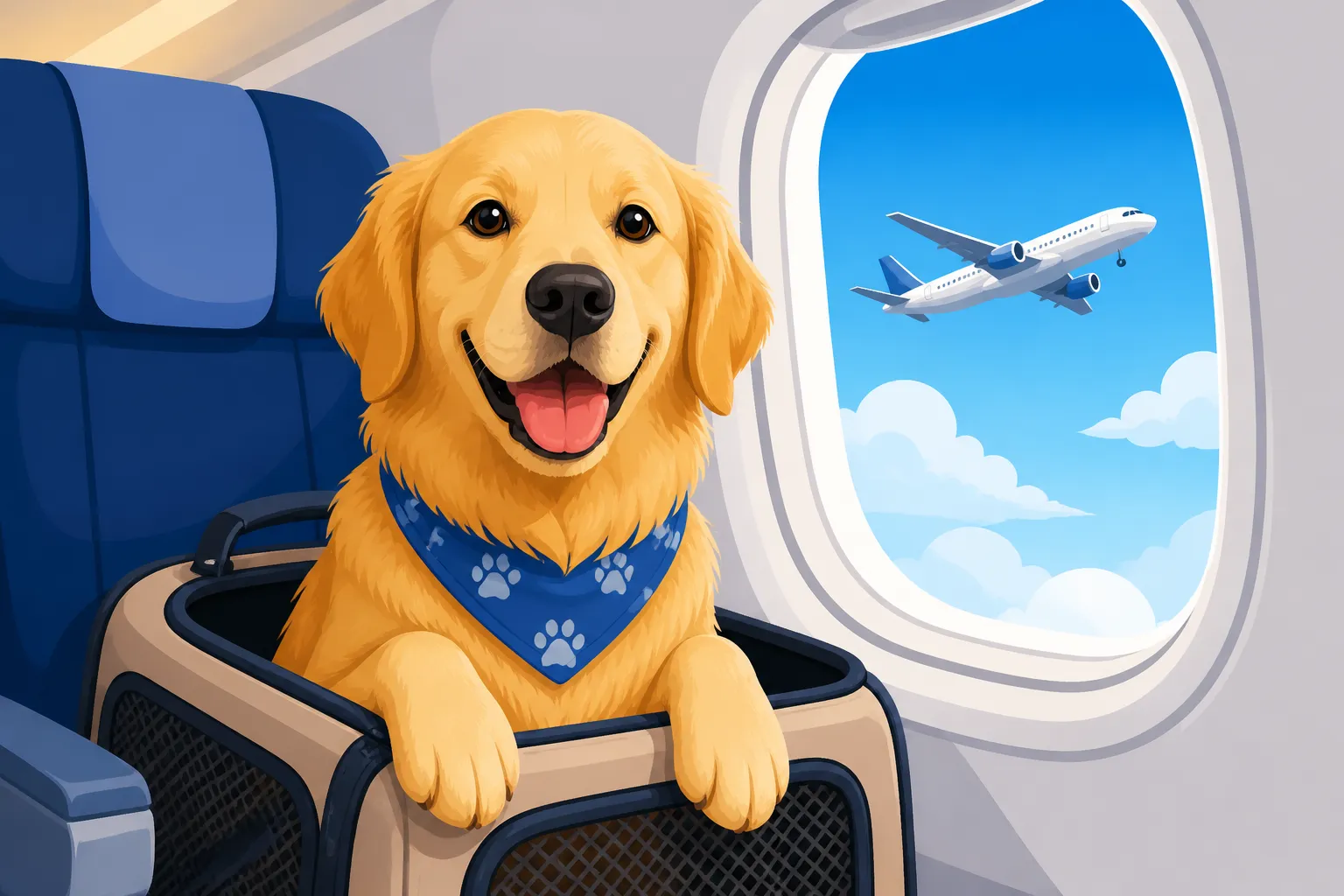
Flying With a Golden Retriever
The thought of flying with your beloved Golden Retriever can feel incredibly daunting, often bringing up anxieties about their safety and comfort during what can be a stressful journey for any of us. Unlike smaller pets who might fit under an airplane seat, Goldens, by their very nature and size, present unique logistical challenges, typically requiring travel in the cargo hold. This guide will walk you through everything you need to know to navigate the complexities of air travel with your Golden, from understanding airline policies and preparing your dog to managing the travel day itself, helping to make the experience as smooth and safe as possible for your furry family member.
Understanding the Realities of Flying with a Large Dog
Bringing a Golden Retriever along for air travel isn't like taking a small lap dog. Their size and weight put them into a different category entirely, leading to specific rules and a different kind of travel experience. It's a reality check many Golden owners face, often with a heavy heart, but understanding these realities is the first step toward a safe journey.
Cargo Travel Versus In-Cabin Limitations
Let's get this out of the way upfront: your Golden Retriever will almost certainly be traveling in the cargo hold. While the idea might stir up a lot of worry and sadness, it's the standard for large breeds like ours. The in-cabin pet policy for most airlines strictly limits pets to small carriers that fit underneath the seat in front of you. This usually means a combined weight limit for the pet and carrier, typically around 15-25 pounds, and carrier dimensions that are simply too small for even a Golden Retriever puppy, let alone a fully grown, majestic adult. Service dogs are, of course, a different category with specific regulations, but for a family pet, cargo is the path.
This separation can be incredibly tough emotionally. We love our Goldens like children, and the thought of them being in an unfamiliar environment, out of our sight, is enough to make anyone second-guess their travel plans. It's a valid frustration, and it's okay to feel that pang of anxiety. However, airlines have procedures and specially designed, temperature-controlled, pressurized compartments for live animal transport, which are vastly different from the general baggage area. Understanding this distinction can help ease some of the worry, knowing they aren't just tossed in with suitcases.
Airline-Specific Pet Policies
The rules for flying pets, particularly in cargo, aren't uniform across the board. Every airline has its own set of policies, and these can change with little notice. What works for Delta might be a no-go for United, and a flight on American Airlines could have different requirements than Alaska Airlines. It’s crucial to delve deep into the specific airline's pet cargo guidelines before you even book your own ticket.
For example, many airlines impose temperature embargoes. This means that if the ground temperature at any point of your journey (origin, layover, or destination) is too hot (often above 85°F or 29°C) or too cold (below 20°F or -7°C), your Golden won't be allowed to fly. These restrictions are put in place for the animal's safety, as extreme temperatures can be deadly, especially during loading and unloading. This often limits travel for Goldens to specific times of the year or particular flight times. Beyond temperature, you’ll need to understand their health certificate requirements, booking windows for pets, and any specific crate labeling rules. Some airlines might even have restrictions on certain breeds, though Golden Retrievers are generally not considered a restricted breed due to their sturdy build and non-brachycephalic (short-nosed) facial structure.
Costs Involved with Flying a Golden Retriever
Let’s not sugarcoat it: flying a Golden Retriever isn't cheap. The costs quickly add up, and it's far more than just the price of your own ticket. First and foremost are the cargo fees themselves, which can range anywhere from a few hundred dollars to over a thousand, depending on the airline, the route, and the size and weight of the crate. These aren't just "pet fees" in the traditional sense; they're charges for specialized handling and transportation.
Then you have the cost of getting your Golden ready to fly. This includes a mandatory veterinary check-up and the issuance of a health certificate, which typically needs to be completed within 10 days of travel (sometimes even less for international flights). This visit can run you a good chunk of change, especially if your vet identifies any underlying issues that need addressing before flight. You might want to consider how this fits into your overall budget, and whether investing in Pet Insurance for a Golden Retriever might be a wise decision if unexpected vet bills arise from travel or other unforeseen circumstances. On top of that, you'll need an IATA-compliant travel crate, which can be a significant investment itself, often costing hundreds of dollars for the large size a Golden requires. Finally, factor in potential costs for transportation to and from the cargo facility at both ends of your journey, which might be separate from the passenger terminals.
Essential Preparations Before Booking Your Flight
The key to a successful flight with your Golden Retriever lies almost entirely in meticulous preparation. This isn't a last-minute endeavor; it requires weeks, if not months, of planning and training. Cutting corners here can lead to stress, denied boarding, or worse.
Health and Veterinary Clearances
This is perhaps the most critical step. Your Golden Retriever must be in excellent health to endure air travel, and your veterinarian is your indispensable partner in this. Schedule a comprehensive check-up well in advance of your planned travel dates. Discuss your travel plans explicitly with your vet, including the destination, as different regions and countries have varying health requirements. They'll ensure your Golden is up-to-date on all vaccinations, which is a non-negotiable for air travel. If you're wondering about routine care, remember that Why Goldens Need Vet Visits Twice a Year is important for overall health, but even more so when preparing for something as demanding as flying.
The vet will issue a health certificate, which is a document stating that your Golden is healthy enough to fly and free of contagious diseases. This certificate has a very specific validity window – often just 10 days, but sometimes even shorter for international travel – so timing its issuance is crucial. Do NOT, under any circumstances, sedate your Golden for the flight. Vets and airlines strongly advise against it because sedatives can interfere with their respiratory and cardiovascular systems, making it difficult for them to regulate body temperature and breathe normally at altitude, potentially leading to serious health complications or even death. If you're concerned about anxiety, discuss natural calming aids or pheromone products with your vet instead.
Choosing the Right Travel Crate
An IATA (International Air Transport Association) compliant travel crate isn't just a suggestion; it's a mandatory requirement for cargo travel. This isn't your everyday wire crate or soft-sided carrier. For a Golden Retriever, you're looking for a rigid, sturdy plastic or wooden crate that provides enough space for them to stand up naturally, turn around, and lie down comfortably. The specific dimensions will depend on your Golden's height and length, so measure them carefully!
The crate must have proper ventilation on at least three sides, a leak-proof bottom (often with absorbent bedding), and secure metal fasteners holding it together, not plastic clips. Labels clearly stating "Live Animal" with arrows indicating "This Way Up" are essential, along with your contact information, your Golden's name, and instructions for feeding and watering. You'll also need attached food and water dishes that can be filled from the outside without opening the crate door. Brands like Petmate and Vari Kennel are popular choices that meet these standards. You can often find a good selection of IATA-compliant crates on reputable pet supply sites like Chewy, making it easier to compare options and ensure you get the right fit. Get the crate well in advance and start acclimating your Golden to it. Make it a positive, comfortable space with treats, toys, and soft bedding. This crate training is paramount to reducing their stress during the actual journey.
Airline Selection and Booking Strategies
Once you understand the general requirements and have your Golden's health and crate needs in mind, it's time to choose your airline and book. Direct flights are almost always preferable for pet travel to minimize handling, loading, and unloading, and reduce the chances of delays or mishaps during layovers. If a direct flight isn't possible, choose a layover with ample time for airline staff to safely transfer your pet, but not so long that your Golden is waiting for extended periods.
The time of year and day you fly also matters immensely due to those temperature embargoes we discussed earlier. For Goldens, this usually means booking flights in the cooler months (fall, winter, early spring) and opting for early morning or late evening flights during the summer to avoid the midday heat. Call the airline directly to book your Golden’s spot – do not rely on online booking for pets traveling in cargo. Confirm availability, policies, and prices with an agent. Make sure their name and your confirmation number are noted. Be prepared to be flexible with your travel dates and times; the safety of your Golden should always take precedence over convenience. For international or complex trips, some owners even consider specialized pet transport services, though these come with a higher price tag.
The Travel Day: Minimizing Stress and Ensuring Safety
The day of travel will undoubtedly be hectic, but with thorough preparation, you can minimize stress for both you and your Golden. It's about a calm, methodical approach to ensure every detail is covered.
Pre-Flight Routine and Last-Minute Checks
On the morning of the flight, a calm routine is your best friend. Give your Golden plenty of exercise to tire them out slightly – a long walk or a good play session will help them relax during the journey. However, limit their food intake for about 4-6 hours before the flight to reduce the chance of an upset stomach or accidents in the crate. A small amount of water is fine, but avoid excessive drinking right before drop-off. If your Golden is prone to anxiety, you might use a pheromone spray like Adaptil or a Thundershirt during this pre-flight period, as recommended by your vet.
Double-check the crate. Ensure all "Live Animal" stickers, "This Way Up" arrows, and your contact information are prominently displayed. Tape a copy of your Golden's health certificate and any other necessary documents (like an import permit for international travel) to the top of the crate in a clear, waterproof pouch. Inside the crate, include absorbent bedding, and one of your worn shirts or a small blanket with your scent can offer comfort. Secure food and water dishes inside the crate, making sure they are accessible for airline staff to refill from the outside. Lastly, confirm your Golden is wearing a sturdy collar with up-to-date ID tags, and ensure their microchip registration is current and linked to your correct contact information. Knowing their Microchipping a Golden Retriever and What It Costs is a one-time expense but provides lifelong peace of mind.
Airport Procedures and Drop-off
Plan to arrive at the airport earlier than you normally would. Pet drop-off for cargo usually happens at a separate cargo facility, not the main passenger terminal, so factor in extra time for navigation and parking. When you arrive, the airline staff will inspect your Golden's crate to ensure it meets all requirements, check your paperwork, and confirm all details. This is often where any last-minute issues might arise, so remaining calm and prepared is vital.
The actual drop-off can be emotionally challenging. Your Golden will sense your anxiety, so try to project a calm, reassuring demeanor. A final, gentle pat and some comforting words are all you can offer at this point. It’s okay to feel a pang in your heart as you hand them over; it’s a natural part of caring so deeply for your dog. Trust that the airline personnel are trained to handle live animals and that their safety is a priority. After drop-off, make your way to the passenger terminal for your own flight, keeping your pet's air waybill number handy for tracking.
During and After the Flight
While your Golden is in transit, try to focus on the journey and prepare for their arrival. Some airlines offer tracking services for live animal cargo, which can provide immense peace of mind. If you experience any flight delays or cancellations, immediately contact the airline's cargo or pet desk to inquire about your Golden's welfare and new arrangements. They should have procedures in place to care for pets during extended waits.
Upon arrival at your destination, head directly to the designated cargo area or baggage claim, as instructed by the airline. Be patient, as retrieving live animals can sometimes take a little longer than regular luggage. When your Golden's crate appears, inspect it carefully for any damage and check on your dog. Offer immediate relief with a potty break and fresh water. Don't rush into a bustling environment; find a quiet area where they can decompress. Observe them closely for any signs of illness, injury, or severe stress. Remember, even with the best preparation, travel can be hard on a dog, and issues like Bloat in Golden Retrievers and the Signs Owners Miss can be exacerbated by stress, so watch for any unusual behavior or physical symptoms. Give them time, comfort, and a calm, familiar environment once you reach your final destination.
Special Considerations and Common Concerns
Flying with a Golden Retriever involves more than just a ticket and a crate; there are layers of complexity, especially when crossing borders or managing your dog's well-being. Anticipating these allows for smoother travel.
International Travel and Quarantines
When your travel plans extend beyond national borders, the complexity of flying with your Golden Retriever amplifies significantly. Each country has its own set of import regulations for live animals, and these can be incredibly strict, requiring extensive veterinary preparation that often needs to start months in advance. You're looking at more than just a health certificate; requirements might include specific blood tests, like rabies titer tests, multiple rounds of vaccinations, microchip implantation, and even obtaining an import permit from the destination country.
Some countries, like Australia, New Zealand, and Hawaii (a US state, but with very strict protocols to protect its unique ecosystem), have mandatory quarantine periods. This means your Golden Retriever could be separated from you for weeks or even months upon arrival, confined to an approved quarantine facility. This can be emotionally taxing for both pet and owner, and it's absolutely crucial to research these requirements thoroughly and precisely adhere to every step. Missing a single deadline or requirement can result in your Golden being denied entry or facing an even longer quarantine. Consulting with a professional pet relocation service can be invaluable for international moves, as they specialize in navigating these intricate regulations.
Sedation and Alternative Calming Methods
We've already touched on the dangers of sedating your Golden for a flight, but it bears repeating: it's a practice strongly discouraged by veterinarians and airlines due to the risks of respiratory and cardiovascular problems at altitude. The last thing you want is for your dog to be unable to properly respond to changes in air pressure or temperature. Their natural ability to adjust is vital.
If you're worried about your Golden’s anxiety, there are safer, vet-approved alternatives to explore. A Thundershirt, which applies gentle, constant pressure, can have a calming effect similar to swaddling a baby. Pheromone collars or sprays, such as Adaptil, release synthetic canine appeasing pheromones that can help reduce stress. Some natural calming supplements, often containing ingredients like L-theanine or chamomile, can be discussed with your vet. Remember, the goal is to support their natural coping mechanisms, not suppress them entirely. Also, ensuring your Golden is well-exercised and has had a light, easily digestible meal before travel can contribute to their comfort. Consider a brand like Ollie, which offers fresh, human-grade food that is often gentle on sensitive stomachs, to maintain their routine and minimize digestive upset during the days leading up to and immediately following travel.
Mitigating Risks and Unexpected Issues
Despite all the planning, unforeseen issues can arise. What happens if your flight is canceled, rerouted, or significantly delayed while your Golden is already checked in? This is a valid fear. Most airlines have protocols for these situations, which typically involve moving pets to a temperature-controlled, secure area and providing food and water. However, it’s wise to have an emergency plan. Always include an emergency contact number on your Golden’s crate labels, along with clear feeding and medication instructions if applicable. A detailed itinerary and a printout of all airline pet policies can also be helpful.
Understanding airline liability is also important. While airlines take precautions, incidents can occur. Familiarize yourself with their policies regarding injury, loss, or death of a pet during transport. This is where having Golden Retriever Emergency Vet Bills or a robust pet insurance plan like Healthy Paws could offer a financial safety net if the unthinkable happens. Ultimately, flying a Golden Retriever in cargo carries inherent risks, and every owner must weigh those against the necessity of travel. The emotional toll on both you and your dog is real, and it’s important to acknowledge that. Sometimes, particularly for shorter trips or if your dog is highly anxious, ground transportation might be a less stressful alternative.
Comparing Major US Airline Pet Cargo Policies
Airline policies are dynamic and subject to change, so always verify directly with the airline for the most current information. This table provides a general overview of common aspects of pet cargo travel for Golden Retrievers on major U.S. carriers.
| Feature | American Airlines | Delta Air Lines | United Airlines | Alaska Airlines |
|---|---|---|---|---|
| Availability | Check with cargo department; limited on certain flights | Delta Cargo; specific aircraft may have limits | United Cargo; size/route restrictions apply | Alaska Air Cargo; seasonal and route limits |
| Breed Restrictions | Generally Golden Retrievers are accepted; check specific rules | Generally Golden Retrievers are accepted; check specific rules | Generally Golden Retrievers are accepted; check specific rules | Generally Golden Retrievers are accepted; check specific rules |
| Temperature Embargoes | Yes, common for extreme heat/cold (e.g., usually >85°F, <20°F) | Yes, common for extreme heat/cold (e.g., usually >80°F, <20°F) | Yes, common for extreme heat/cold (e.g., usually >85°F, <20°F) | Yes, common for extreme heat/cold (e.g., usually >85°F, <20°F) |
| Health Certificate | Required within 10 days of travel | Required within 10 days of travel | Required within 10 days of travel | Required within 10 days of travel |
| Crate Requirements | IATA compliant, rigid, appropriate size | IATA compliant, rigid, appropriate size | IATA compliant, rigid, appropriate size | IATA compliant, rigid, appropriate size |
| Booking Window | Usually 2-10 days prior (varies) | Varies, often several days in advance | Typically within 14 days of travel | Recommend booking early, check specific limits |
| Cost Range (Domestic) | ~$200 – $600+ (one-way, depending on weight/route) | ~$200 – $600+ (one-way, depending on weight/route) | ~$200 – $600+ (one-way, depending on weight/route) | ~$150 – $400+ (one-way, depending on weight/route) |
Disclaimer
The information provided in this guide is for general informational purposes only and is not a substitute for professional veterinary advice or the official policies of specific airlines. Pet travel regulations, especially for international flights, are subject to change and vary widely. Always consult directly with your veterinarian and the chosen airline(s) to obtain the most accurate and up-to-date requirements and recommendations for flying with your Golden Retriever.