Bloat in Golden Retrievers and the Signs Owners Miss
It's a terrifying thought for any Golden Retriever owner: one minute your happy, energetic dog is fine, and the next they're restless, drooling, and trying to vomit without success. This isn't just an upset stomach; it could be bloat, or more accurately, Gastric Dilatation-Volvulus (GDV), a rapidly progressive and life-threatening condition where your dog's stomach fills with gas and twists. This guide is here to walk you through understanding what bloat is, recognizing the often-missed early signs, and knowing exactly what to do to protect your beloved Golden.
Understanding Gastric Dilatation-Volvulus The Medical Side of Bloat
Bloat, medically known as Gastric Dilatation-Volvulus (GDV), is one of the most feared emergencies for owners of deep-chested breeds, and Golden Retrievers, unfortunately, fall into this high-risk category. It's a condition that progresses with frightening speed, turning a seemingly healthy dog into one fighting for its life in a matter of hours, sometimes even minutes. Understanding the mechanics of what happens inside your dog's body during GDV is crucial for appreciating its severity and acting swiftly.
What Happens Inside Your Golden's Body
At its core, bloat begins with gastric dilatation, which simply means the stomach becomes distended, or swollen, with gas, fluid, or food. This initial distension can be incredibly uncomfortable for your Golden. Imagine a balloon rapidly inflating inside their abdomen; it puts immense pressure on surrounding organs, including the diaphragm, making it hard for them to breathe. This alone is painful and dangerous, but it's often only the prelude to the far more critical event: volvulus.
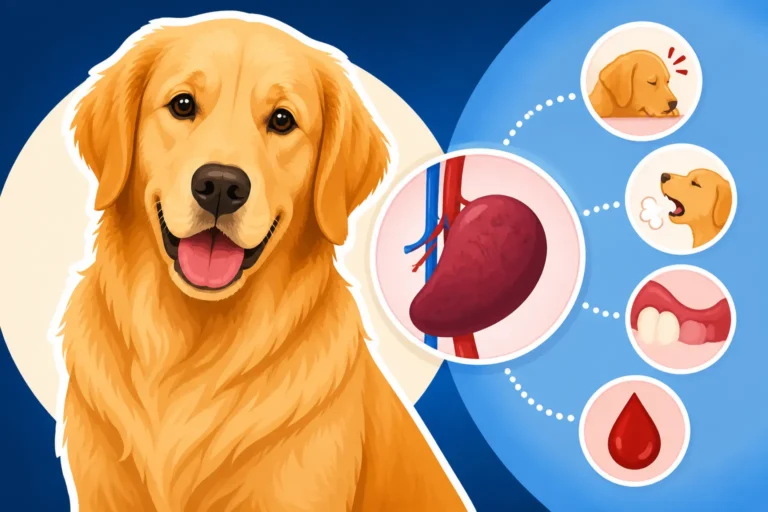
Volvulus occurs when the distended stomach twists upon itself, usually clockwise, sometimes by 180 degrees or more. This twisting motion effectively pinches off both the entrance (esophagus) and exit (duodenum) of the stomach. Now, any gas or fluid produced in the stomach is trapped, intensifying the distension. More critically, the twisting cuts off blood supply to the stomach wall and often involves the spleen, which is attached to the stomach. Without proper blood flow, the stomach tissue begins to die, leading to necrosis. The lack of blood return also impacts the entire circulatory system, sending the dog into shock. This is why it's not "just gas" – it's a severe mechanical failure with systemic consequences.
Why Deep-Chested Breeds Like Goldens Are Vulnerable
Golden Retrievers, with their deep and narrow chests, are anatomically predisposed to GDV. Think of it like a long, cylindrical object (the stomach) suspended in a tall, narrow cavity (the chest). There's more room for it to swing, rotate, and ultimately twist, compared to a shorter, rounder chest cavity where the stomach is more constrained. This unique body conformation, while beautiful, is a significant risk factor. Other deep-chested breeds like Great Danes, Weimaraners, German Shepherds, and Standard Poodles also share this vulnerability.
The exact mechanism isn't fully understood, but the theory is that the greater space allows the stomach more freedom of movement. Ligaments that typically help hold the stomach in place can become stretched or weaker over time, especially in older dogs, further increasing the risk. When comparing Goldens to breeds with broader, shallower chests, the difference in internal structure becomes clear. In essence, your Golden's elegant build, unfortunately, comes with a higher chance of this devastating condition, making awareness and vigilance absolutely paramount. This is why knowing the specific risks for a Bloat Risk in a Deep-Chested Golden is so important for every owner.
The Subtle Early Warning Signs of Bloat You Might Overlook
One of the most challenging aspects of bloat in Golden Retrievers is that the initial signs can be incredibly subtle and easily mistaken for general discomfort or a mild stomach upset. Many owners, ourselves included, have kicked themselves for not recognizing these early whispers of a serious problem. It’s not always the dramatic, obvious distension that gets your attention first; often, it’s a series of small, unusual behaviors that, in hindsight, scream "emergency."
Behavioral Changes and Discomfort
Your Golden Retriever's personality is typically an open book: happy, eager, and full of life. So, when their behavior starts to shift, even subtly, it's a huge red flag for bloat. One of the most common early indicators is restlessness and pacing. They can't seem to get comfortable, constantly shifting positions, standing up, lying down, and then standing up again. They might look at their flank repeatedly, almost as if trying to understand what’s happening in their abdomen. This isn't just boredom; it's a clear sign of internal discomfort.
Beyond pacing, you might notice an unusual level of anxiety in your dog. They might appear worried, agitated, or even start to hide in unusual places, seeking solitude when they're typically glued to your side. A normally affectionate Golden might become withdrawn, refusing to engage in play or seek attention. They might also make repeated attempts to lie down, only to stand up again quickly because the pressure on their stomach is too intense. These seemingly minor shifts in their typical cheerful demeanor can be the very first warnings that something far more serious than a simple tummy ache is brewing. Always pay attention to Signs a Golden Retriever Is in Pain, as this restlessness is a key one.
G.I. Symptoms That Aren't Just an Upset Stomach
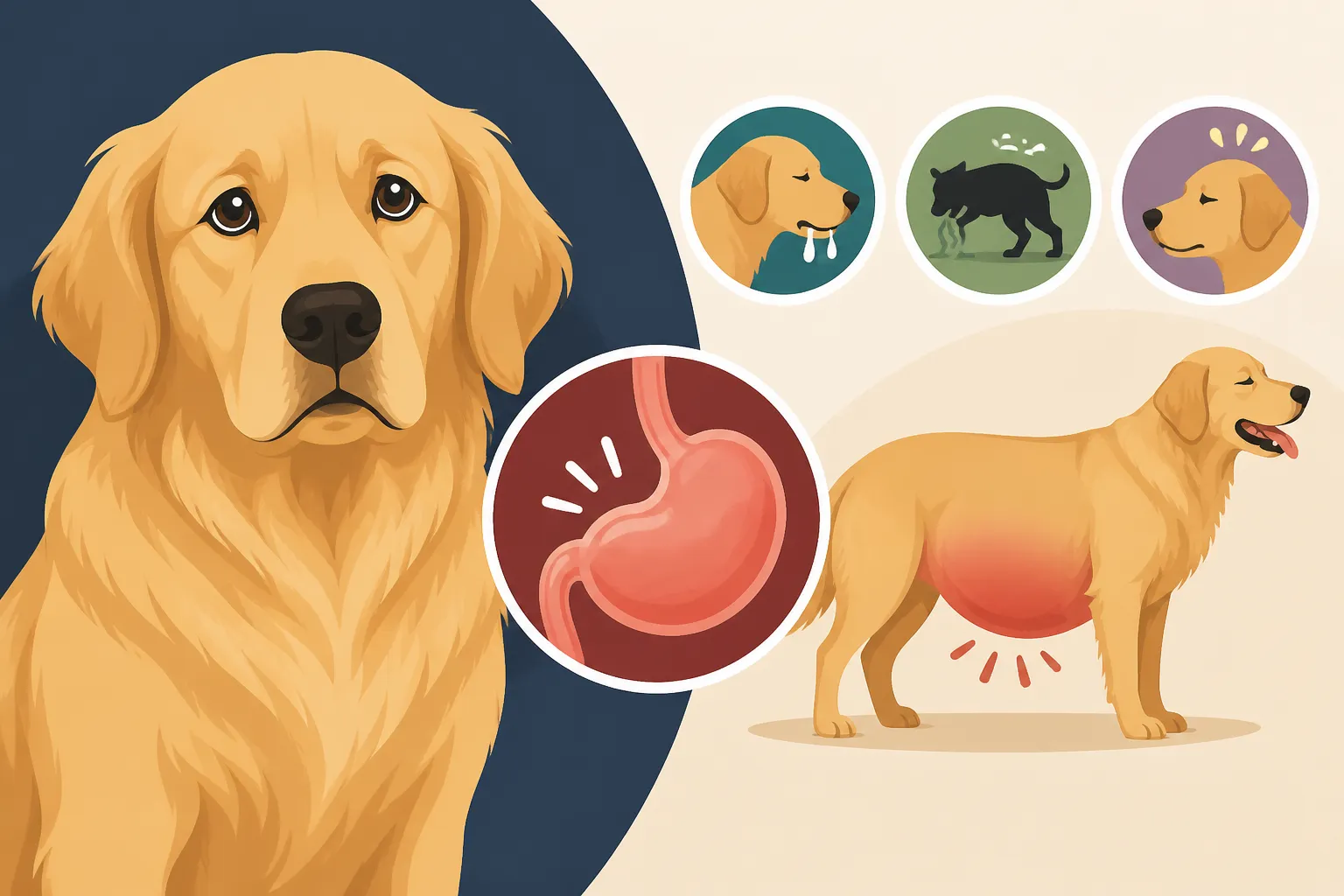
While many digestive issues can cause mild symptoms, certain gastrointestinal signs, when coupled with behavioral changes, become highly suspicious for bloat. The most classic, and often misunderstood, symptom is unproductive retching or dry heaving. Your Golden will look like they're trying desperately to vomit, their body convulsing, but nothing or very little comes up – maybe just a bit of foamy saliva. This is because the twisted stomach prevents anything from leaving, even gas or stomach contents. Many owners mistake this for a persistent need to vomit and assume it's just a bug, not realizing the critical nature of the unproductive aspect.
Alongside the dry heaving, you might notice excessive drooling or lip licking. This is often an automatic response to nausea and discomfort. Your Golden might also display a heightened level of salivation, sometimes leaving puddles. While a mild drool can be normal, a sudden increase, especially when combined with retching, should raise alarms. Another less obvious sign can be mild abdominal distension. In the very early stages, this might not be a dramatic, drum-tight belly. It could just be a slight swelling that’s barely perceptible, or a feeling of tautness when you gently press your hand against their side. For Goldens with thick coats, this can be especially hard to spot. Don't wait for a visibly enormous stomach; any unusual swelling or hardness should prompt immediate veterinary attention. Keep an eye out for changes in bowel movements too – a lack of stool or straining can also be related to the severe internal pressure.
Recognizing Advanced Symptoms The Emergency Stage
When bloat progresses, the subtle signs give way to more pronounced and unmistakable indicators of a severe crisis. At this stage, your Golden Retriever is in extreme danger, and immediate veterinary intervention isn't just recommended, it's absolutely critical for survival. Missing these advanced symptoms means losing precious time that could save their life.
Visible Physical Manifestations
At this advanced stage, the signs of bloat become much harder to ignore. The most obvious, and often terrifying, symptom is pronounced abdominal swelling and hardness. The abdomen, particularly on the left side (though it can spread), will become noticeably distended, feeling hard and taut like a drum. If you gently tap it, you might hear a hollow, drum-like sound due to the trapped gas. This isn't just a slightly full belly; it's a visibly altered physical state.
Accompanying the swelling, you'll likely see other severe physical changes. Your Golden's gums might appear pale or even bluish, indicating a lack of oxygenated blood circulating throughout their body. Their breathing will become rapid and shallow, as the distended stomach pushes against the diaphragm, making it incredibly difficult for their lungs to expand fully. They might pant continuously, struggling for air. You might also notice a rapid heart rate as their body tries to compensate for the compromised blood flow. In severe cases, your dog may become weak, stumble, or even collapse, unable to stand or move, signifying that their body is shutting down under the stress of the condition.
Signs of Shock and Critical Condition
As GDV progresses without intervention, your Golden Retriever's body rapidly goes into shock. This is a life-threatening state where the body's organs are not receiving enough blood flow, leading to cellular damage and potential organ failure. Signs of shock are paramount and indicate an extreme emergency. You might notice their extremities feeling cold to the touch, particularly their paws and ears, as blood is shunted away from the periphery to protect vital organs.
Another critical sign is a delayed capillary refill time (CRT). You can check this by gently pressing on your dog's gum until the color drains, then releasing. The normal pink color should return in less than two seconds. If it takes longer, or if their gums remain pale or grayish, it’s a severe indicator of poor circulation. At this point, your Golden will likely be lethargic, unresponsive, or barely aware of their surroundings. Their eyes might appear glazed over, and they may not react to your voice or touch. This is not just a sick dog; this is a dog in a critical, life-threatening situation that demands immediate, emergency veterinary care. There is no time to wait; every minute matters.
Common Misconceptions About Bloat What It's Not
Bloat is a condition shrouded in misinformation and old wives' tales, which can sadly lead to dangerous delays in treatment. As a Golden Retriever owner, it's vital to separate fact from fiction. Understanding what bloat isn't is just as important as knowing what it is, especially when every moment counts in a genuine emergency.
Not Just Overeating or Gas
One of the most pervasive myths about bloat is that it's simply a severe case of indigestion, overeating, or common gas. While your Golden might indeed feel full and gassy, GDV is fundamentally different from a typical upset stomach. When your dog overeats or has regular gas, that gas can usually be expelled through burping or flatulence. The stomach remains in its normal position, and digestion, though perhaps uncomfortable, proceeds.
In bloat, the crucial difference is the twisting (volvulus). This twisting traps the gas and fluid within the stomach, preventing it from escaping. The stomach then continues to distend, putting immense pressure on internal organs and cutting off blood flow. So, while gas is a symptom of GDV, it's not the cause in the same way that a simple gaseous buildup is. This is why attempting to relieve the gas at home, such as by massaging the belly, is not only ineffective but can waste precious time. You're dealing with a mechanical obstruction, not just a digestive hiccup.
The Myth of Raised Food Bowls
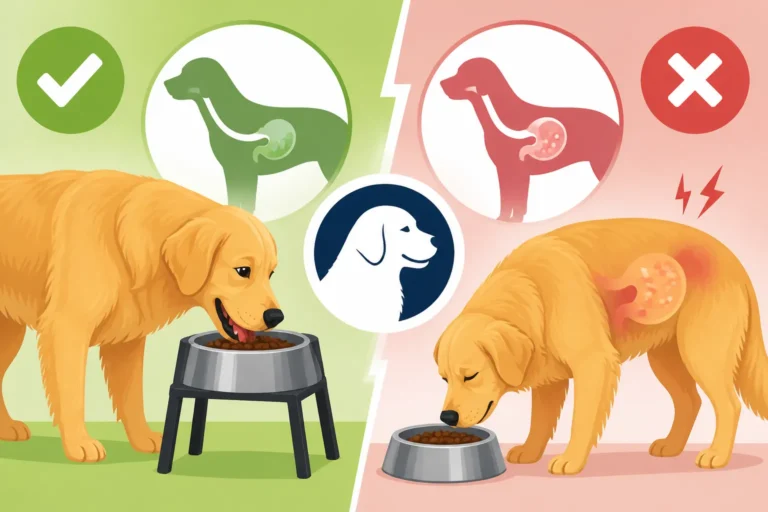
For years, it was common practice, even recommended by some vets, to feed large, deep-chested dogs from raised food bowls to supposedly aid digestion and prevent bloat. The logic seemed sound: if the dog didn't have to bend their neck down, they'd swallow less air and digest better. However, recent scientific studies, most notably research conducted by the Purdue University College of Veterinary Medicine, have challenged and largely debunked this long-held belief. In fact, some studies suggested that raised food bowls might actually increase the risk of GDV in large and giant breeds.
The hypothesis is that when dogs eat from a raised bowl, they might eat faster, thus ingesting more air, or that the angle of their esophagus and stomach might be compromised in a way that contributes to twisting. While the definitive mechanisms are still being explored, the prevailing veterinary recommendation has shifted dramatically. Most vets now advise feeding large-breed dogs, including Golden Retrievers, from bowls placed on the floor. If you've been using a raised bowl, it's worth discussing this with your vet to ensure you're following the most current guidelines to minimize risk for your beloved companion. This is a critical point when discussing Whether Elevated Bowls Cause Bloat in Goldens.
Risk Factors for Bloat in Golden Retrievers
While bloat can strike any dog, certain factors significantly increase a Golden Retriever's susceptibility. Understanding these risk factors allows owners to be more proactive in prevention and quicker to recognize the danger signs. It's not always one single thing, but often a combination of genetics, habits, and environmental triggers that contribute to the perfect storm for GDV.
Diet and Eating Habits
How and what your Golden Retriever eats plays a surprisingly significant role in their bloat risk. One of the biggest culprits is eating too quickly, often called "gulping." When a dog rapidly inhales their food, they inevitably swallow a considerable amount of air along with it. This swallowed air can contribute to the initial gastric distension, setting the stage for a twist.
The size and frequency of meals are also important. Feeding your Golden one large meal a day increases the volume of food and gas in their stomach at one time, placing more stress on the organs and making them heavier, thus more prone to twisting. Instead, multiple smaller meals throughout the day are generally recommended to reduce the stomach's workload and minimize the amount of food and gas present at any single moment. The type of food has also been debated; while some older studies suggested certain dry kibble ingredients might increase risk, current evidence is less conclusive and varies. However, it's always wise to choose a high-quality large breed dog food designed for slower digestion. Crucially, avoiding vigorous exercise around meal times is paramount. A Golden Retriever should have a period of rest (at least an hour) before and after eating to allow for proper digestion and reduce stomach movement. This is a key consideration when Choosing Dog Food for a Golden Retriever.
Age, Genetics, and Temperament
Beyond diet, intrinsic factors like age, genetics, and even temperament can influence a Golden's risk for bloat. Older Goldens (typically over 7 years old) are generally at higher risk. As dogs age, the ligaments that help hold the stomach in place can stretch and weaken, providing less stability and making the stomach more susceptible to twisting. This is just another reason why Caring for a Senior Golden Retriever involves increased vigilance for various health issues.
Genetics also plays a significant role. If a Golden Retriever has close relatives (parents, siblings) who have experienced bloat, their own risk increases substantially. This suggests a hereditary predisposition, though the exact genes involved are still being researched. This is why reputable breeders often inquire about bloat history in their lines. Furthermore, a Golden's temperament, specifically tendencies towards anxiety or stress, can be a contributing factor. Highly anxious or nervous dogs, or those prone to stress, may be more susceptible to bloat episodes. Stress can alter digestive processes and potentially contribute to gas buildup or muscular spasms in the stomach.
Exercise and Stress Triggers
The timing and intensity of physical activity, especially around meal times, can be a major bloat trigger. Vigorous exercise immediately before or after meals is a huge no-no for Golden Retrievers. A full stomach, coupled with the jostling and internal movement from running, jumping, or intense play, can easily encourage the stomach to shift and twist. Think about vigorously shaking a full water bottle – it’s a similar principle. It's recommended to allow at least an hour of calm activity before meals and a minimum of one to two hours of complete rest afterward.
Similarly, drinking large amounts of water too quickly, especially after exercise or when overheated, can also contribute to stomach distension. While hydration is crucial, encouraging your Golden to drink smaller amounts more frequently, rather than guzzling a whole bowl at once, can help mitigate this risk. Finally, stressful situations can act as a trigger for some dogs. Events like car travel, vet visits, changes in routine, boarding, or separation anxiety can lead to physiological changes that might increase bloat risk. Maintaining a consistent routine and finding ways to mitigate stress for your Golden, such as through calm environments and reassurance, can be part of a comprehensive prevention strategy.
Immediate Action Steps When You Suspect Bloat
This is the moment of truth for any Golden Retriever owner. Suspecting bloat is not a time for "wait and see." It's a dire emergency where every single second truly matters. Your ability to act quickly and decisively will directly impact your Golden's chances of survival. Panic is a natural reaction, but you must channel that into immediate, effective action.
Time is Tissue Call Your Vet Immediately
Let me be absolutely clear: if you suspect bloat in your Golden Retriever, you need to call your veterinarian or the nearest emergency veterinary clinic IMMEDIATELY. Do not waste time searching online for home remedies, trying to induce vomiting, or hoping your dog will "sleep it off." This condition progresses with terrifying speed. The phrase "time is tissue" couldn't be more apt; the longer the stomach remains twisted, the more its blood supply is cut off, and the more tissue begins to die. This can lead to irreversible damage to the stomach and other organs, even if the twist is eventually corrected.
When you call, clearly state that you suspect GDV/bloat in your Golden Retriever. Explain the symptoms you're observing (e.g., unproductive retching, pacing, distended abdomen). This allows the veterinary staff to prepare for your arrival, ensuring they have a surgical team ready and an examination room clear for immediate assessment. Don't be shy about emphasizing the urgency. They understand that bloat is a true emergency and will appreciate your prompt communication. If your regular vet isn't open, know the number and location of your nearest 24/7 emergency animal hospital before an emergency strikes. You might not have the presence of mind to look it up when your dog is in distress.
Preparing for the Emergency Vet Visit
While the urgency is paramount, there are a few things you can do to prepare for the emergency vet visit that will help both you and your Golden. First and foremost, keep your dog as calm and comfortable as possible. This might involve gently guiding them into your vehicle, avoiding sudden movements or jostling. Speak in soothing tones. Trying to physically manipulate their abdomen, force them to burp, or administer any at-home "cures" can actually do more harm than good and waste critical time. Their stomach is already compromised; any additional stress or physical pressure can worsen the situation.
Before heading out, if possible, quickly gather any relevant medical records, especially if you're going to an unfamiliar emergency clinic. This can include their vaccination history, known allergies, and any current medications. Don't worry if you can't find everything; getting your dog there is the priority. During the drive, try to maintain a calm environment in the car. Having a friend or family member drive, if possible, allows you to focus solely on comforting your Golden. Understand that once you arrive, the veterinary team will jump into action immediately. They'll likely assess your dog, possibly take X-rays, and begin stabilization before discussing options. Be prepared for a potentially significant financial outlay for emergency surgery and intensive care. This is where having pet insurance, such as a plan from Healthy Paws, can be an absolute lifesaver, allowing you to focus on your Golden's care rather than the daunting costs.
Prevention Strategies for Golden Retriever Owners
The best defense against bloat is a strong offense. While GDV can never be entirely prevented, there are numerous proactive steps Golden Retriever owners can take to significantly reduce their dog's risk. These strategies often involve mindful feeding practices, careful management of exercise, and for some, considering a preventative surgical procedure.
Feeding Practices to Minimize Risk
One of the most impactful areas where owners can make a difference is in their Golden Retriever's feeding routine. Instead of feeding one large meal a day, break it down into two or three smaller meals. This reduces the volume of food in the stomach at any given time, making it less prone to distension and twisting. For example, if your Golden typically eats 3 cups of kibble daily, divide it into 1.5 cups twice a day, or even 1 cup three times a day.
Slow feeder bowls or puzzle toys are excellent tools for Goldens who tend to "inhale" their food. These bowls have ridges or compartments that force your dog to eat around obstacles, significantly slowing down their ingestion and reducing the amount of air swallowed. You can find many options from brands like Outward Hound or even just sprinkle their meal across a wide baking sheet. Another critical component is ensuring a period of rest before and after meals. Ideally, your Golden should have at least 30 minutes of calm activity before eating and a solid 1 to 2 hours of rest afterward. No running, jumping, or intense play during this sensitive window. Always ensure fresh, clean water is available, but if your Golden tends to gulp large amounts, especially after exercise, offer smaller, more frequent refills instead of an overflowing bowl. These simple adjustments can make a profound difference.
Prophylactic Gastropexy A Surgical Option
For many Golden Retriever owners, especially those with a strong family history of bloat, a prophylactic gastropexy is a serious consideration. This is a surgical procedure where the stomach is permanently attached, or "tacked," to the abdominal wall. The goal of gastropexy is not to prevent the stomach from filling with gas (dilatation), but to prevent it from twisting (volvulus). Even if the stomach distends with gas, it cannot rotate, thus preventing the life-threatening aspect of GDV.
Gastropexy is often performed at the same time as a spay or neuter operation in younger Goldens, as it requires general anesthesia, and combining procedures minimizes the number of times your dog needs to go under. It can also be performed later in life as a standalone procedure for at-risk adult dogs. While it is surgery and comes with the inherent risks of anesthesia and recovery, its effectiveness in preventing future gastric volvulus is very high. It’s a decision that should be made in consultation with your veterinarian, weighing your Golden's individual risk factors, age, and overall health. Some pet insurance providers, including Healthy Paws, may cover prophylactic gastropexy if it's performed in conjunction with a covered medical necessity or as part of a wellness rider, so it's worth checking your policy details. This topic is also relevant to discussions on Spaying and Neutering Timing for Goldens.
Managing Stress and Exercise
Beyond diet and surgery, managing your Golden Retriever's lifestyle can also help reduce bloat risk. A consistent routine can greatly benefit dogs, particularly those prone to anxiety. Predictability in feeding times, walks, and rest can help lower overall stress levels. Think about how a predictable schedule helps humans feel more secure; dogs are similar.
Careful management of exercise remains paramount. As mentioned, avoiding vigorous play or running immediately before or after meals is crucial. Instead, opt for gentle leash walks or quiet playtime. This doesn't mean your Golden shouldn't get enough exercise; they absolutely need it for their physical and mental well-being. It just means being smart about when and how they exert themselves relative to eating and drinking. If your Golden is prone to anxiety from external stressors (loud noises, new environments, separation), actively work to recognize and mitigate these stressors. This might involve creating a calm "safe space" in your home, using calming pheromones, or even working with a veterinary behaviorist if anxiety is severe. Reducing overall stress contributes to a healthier digestive system and potentially lowers susceptibility to bloat. For more on stress management and recognizing health issues, consider reading about Golden Retriever Hypothyroidism Symptoms Owners Notice, as stress can exacerbate many conditions.
What to Expect at the Emergency Veterinary Clinic
Arriving at the emergency vet with a suspected bloat case can be chaotic and frightening. Knowing what the veterinary team will do, and what the potential outcomes are, can help you navigate this stressful situation with a little more understanding. The process is typically fast-paced and focused on stabilization and diagnosis. This is why Why Goldens Need Vet Visits Twice a Year is always emphasized, but these emergency visits are a whole different level of urgency.
Diagnosis and Initial Stabilization
The moment your Golden Retriever arrives at the emergency clinic with suspected bloat, the veterinary team will move quickly. They'll immediately conduct a brief but thorough physical exam to assess your dog's overall condition, checking vital signs, gum color, and capillary refill time. The most definitive diagnostic tool for GDV is an X-ray of the abdomen. This imaging will clearly show if the stomach is distended with gas and, crucially, if it has twisted into the characteristic "double bubble" or "Popeye arm" shape that confirms volvulus.
While X-rays are being taken, initial stabilization efforts will begin simultaneously. This typically involves placing an intravenous (IV) catheter to administer fluids rapidly. IV fluids are critical to combat shock and support blood pressure, which is often severely compromised in GDV cases. Your Golden will also likely receive pain medication to alleviate their intense discomfort and antibiotics to help prevent potential infection. In some cases, if the stomach is severely distended with gas and has not yet twisted completely, the vet might attempt to decompress the stomach by inserting a tube down the esophagus or, in more urgent situations, by using a large-bore needle directly through the abdominal wall (trocarization) to release the trapped gas. These initial steps are vital to stabilize your dog before any surgical intervention.
Surgical Intervention and Post-Op Care
Once your Golden is stabilized and GDV is confirmed, surgical intervention is almost always necessary to correct the twisted stomach. The surgery, known as a gastrectomy, involves carefully untwisting the stomach back to its normal anatomical position. The veterinary surgeon will also thoroughly inspect the stomach wall and spleen for any damage. If parts of the stomach tissue have died due to lack of blood flow, those necrotic areas will need to be surgically removed. In severe cases, the spleen may also need to be removed if it has been too badly damaged by the twisting.
After the stomach is repositioned, the surgeon will typically perform a gastropexy (stomach tacking) to permanently attach the stomach to the abdominal wall. This is a crucial step to prevent future episodes of volvulus, as dogs who have experienced GDV once are at a very high risk of recurrence. Post-operative care is intensive and critical for recovery. Your Golden will be closely monitored in the ICU for several days, receiving continued IV fluids, strong pain management, and antibiotics. Complications such as cardiac arrhythmias, further shock, infection, or peritonitis (inflammation of the abdominal lining) are possible, so vigilance is key. The costs associated with emergency GDV surgery, hospitalization, and post-operative care can be substantial, often running into thousands of dollars. Having a robust pet insurance plan from a provider like Healthy Paws can significantly ease this financial burden, allowing you to make the best medical decisions for your Golden without overwhelming stress. For more on the financial aspect, consider learning about Emergency Bloat Surgery Costs for a Golden.
Disclaimer
This article is intended for informational purposes only and does not constitute veterinary advice. If you suspect your Golden Retriever is experiencing bloat or any other medical emergency, please contact your veterinarian or nearest emergency veterinary clinic immediately. Always consult with a qualified veterinary professional for diagnosis and treatment.