Why a Golden Retriever Digs Up the Yard
It can be incredibly frustrating to walk into your yard, ready to enjoy a beautiful afternoon, only to find it riddled with craters, fresh mounds of earth, and your beloved Golden Retriever looking up at you with a dirt-smudged grin. You've invested time and effort into your lawn, and now it looks like a lunar landscape. This guide is here to help you understand why your Golden Retriever digs up the yard, explore the common motivations behind this behavior, and, most importantly, provide actionable strategies to manage and redirect it.
The Instinctual Drive to Dig
While Golden Retrievers are known for their gentle mouths and retrieving prowess, they are still dogs, and dogs have a natural, inherent drive to dig. It’s a behavior rooted deep in their evolutionary past, even if it feels completely out of place in your meticulously kept backyard. Understanding these primal urges is the first step toward finding a harmonious solution.
Ancestral Roots and Modern Manifestations
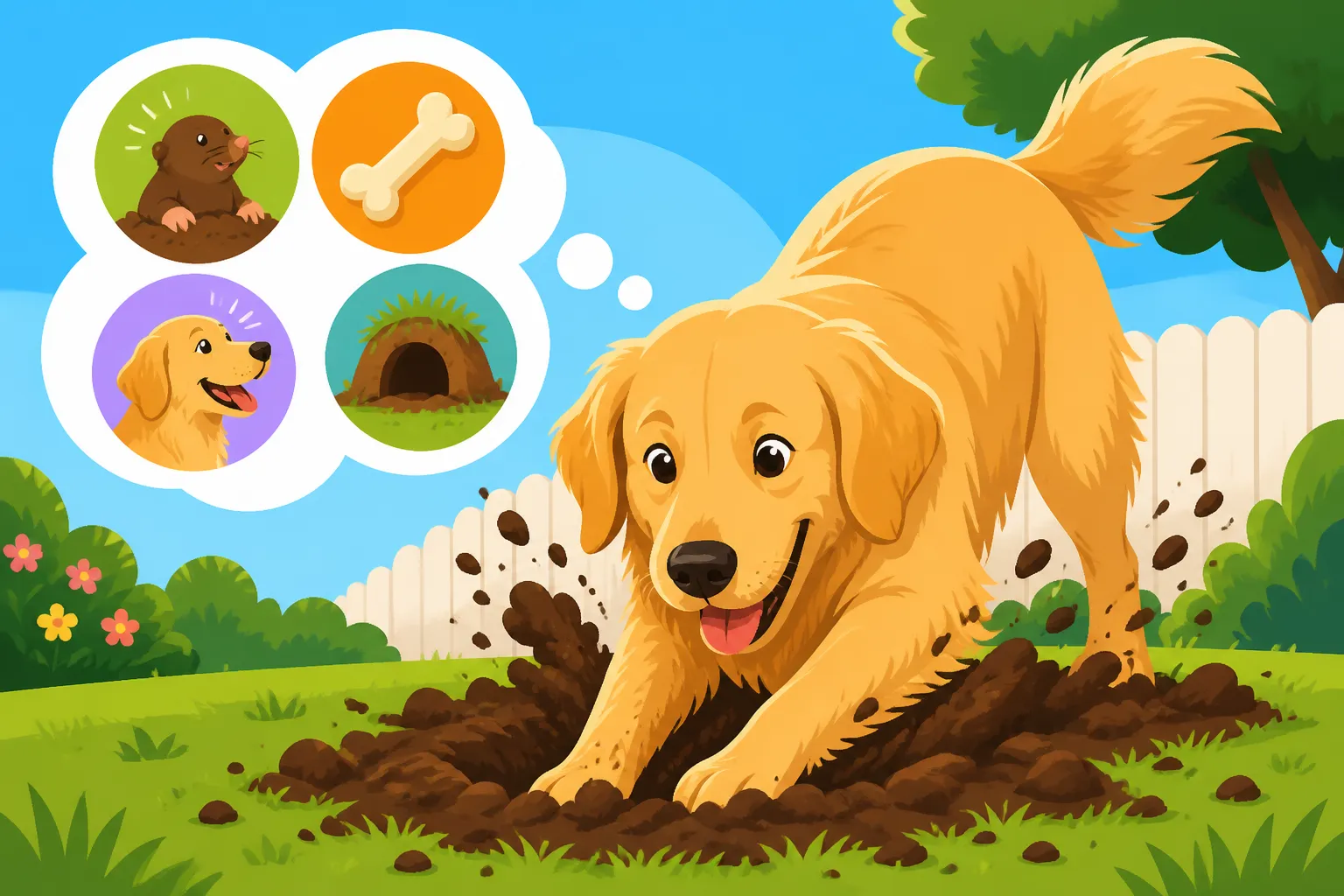
Think about what dogs' ancestors did in the wild. They weren't just chasing squirrels; they were hunting small prey, creating dens for shelter and raising pups, and caching food for later. Each of these activities involved digging. While your Golden isn't likely hunting voles for survival or burying a deer carcass, the genetic programming is still there, ready to be triggered.
For instance, a sudden rustle in the bushes might activate their prey drive, causing them to frantically dig where they think a critter might be. It’s an exhilarating game for them, even if there’s nothing there. Sometimes, they might just enjoy the sensation of moving earth with their paws and nose, a satisfying sensory experience that connects them to their wild heritage. It’s not malicious; it's just a dog being a dog, often following an instinct that makes perfect sense to them, even if it bewilders us. Our Goldens might be far removed from their wild counterparts, but those ancient instincts are incredibly persistent.
Comfort Seeking and Temperature Regulation
One of the most common, and often overlooked, reasons a Golden Retriever might start digging is simply to make themselves more comfortable. Imagine wearing a thick winter coat on a hot summer day. That's a bit like what a Golden Retriever experiences with their dense double coat. When the sun is beating down, and there's nowhere cool to relax, they'll instinctively seek out the cooler earth beneath the surface.
By scraping away the top layer of warmer soil, they can reach the damp, cool dirt underneath, creating a makeshift "burrow" or shallow bed. It's their natural air conditioning system. This behavior is particularly prevalent in warmer climates, during the peak of summer, or in yards that lack sufficient shade. If your Golden doesn't have a shaded spot, an elevated cooling bed, or access to indoor relief during the hottest parts of the day, digging a cool hollow might seem like the most logical solution in their canine mind. Consider if there’s a lack of adequate shade or a comfortable outdoor lounging spot. This often becomes more noticeable as your Golden gets older and might seek out softer spots for their joints. You might even notice them digging near fences or under trees where the ground is already a bit softer and shadier.
Behavioral and Environmental Triggers
Beyond instinct, several behavioral and environmental factors can prompt a Golden Retriever to turn your yard into a construction site. These triggers often stem from unmet needs or external stimuli that your dog is reacting to in the only way they know how. Addressing these underlying causes is key to curbing the digging habit.
Boredom and Lack of Mental/Physical Stimulation
This is perhaps the biggest culprit for many Golden Retriever owners. Goldens are intelligent, active dogs with a strong desire to be engaged. If they aren't getting enough physical exercise or mental stimulation, that pent-up energy and clever mind will find an outlet – and often, that outlet is destructive. Digging is an incredibly satisfying and self-rewarding activity for a bored dog. It's physically demanding, it offers mental engagement as they "solve" the problem of moving earth, and it can even lead to exciting discoveries like roots or insects.
Think of it this way: if your Golden is left alone in the yard for hours with nothing to do but sniff around and gaze at the fence, they're going to get creative. A long daily walk might not be enough for some Goldens, especially younger, more energetic ones. They need vigorous play, training sessions, and opportunities to use their brains. Without these, digging becomes their chosen form of "self-employment," a way to pass the time and expend energy. Activities like a good game of fetch, swimming, or even structured training sessions can significantly reduce this kind of digging. You might also want to look into Mental Enrichment for a Bored Golden Retriever to give their minds a workout too.
Anxiety, Stress, or Fear
Sometimes, digging isn't about fun or comfort; it's a coping mechanism for anxiety, stress, or fear. Dogs, like people, exhibit different behaviors when they're feeling overwhelmed. For some Goldens, digging can be a self-soothing act, a way to expend nervous energy or even try to "escape" an uncomfortable situation.
Common stressors might include loud noises like thunderstorms or fireworks, which can send a sensitive Golden into a panic. They might try to dig under a fence to get away from the perceived threat. Separation anxiety is another major factor. If your Golden is stressed when left alone, they might dig at escape points, trying to reunite with you, or simply dig to relieve the intense feelings of loneliness and fear. This isn't just a casual excavation; it can be frantic, desperate digging. Observing when and where your Golden digs can offer clues. Do they only dig when you're gone? Is it always along the fence line? These observations can point to underlying anxiety or escape attempts. It's a clear sign that something is amiss, and they need help processing those big emotions. You can learn more about this by reading Separation Anxiety in Golden Retrievers.
Seeking Attention or Escaping
Goldens are incredibly social creatures who thrive on interaction with their human families. If they're not getting enough attention, they might discover that digging, while it might earn them a scolding, at least gets a reaction. For a dog feeling ignored, even negative attention is still attention. This becomes a learned behavior: "If I dig, my human comes outside and talks to me!" Even if it's "No, stop digging!" it's still engagement.
Another common motivation, especially if you have an intriguing world just beyond your fence, is the desire to escape. If there are tempting smells, squirrels, other dogs, or even people walking by, a Golden's curiosity or prey drive might compel them to try and tunnel their way out. This is particularly true if the fence isn't secure at the bottom. They might spot a weakness, a loose patch of soil, or a slight gap and think, "Aha! Freedom!" A bit of exposed rebar or chicken wire along the bottom of the fence can make a big difference in deterring these escape artist tendencies.
Practical Solutions to Manage Digging
Now that we’ve explored the "whys" of Golden Retriever digging, let’s dive into the "hows" of managing and redirecting this behavior. It’s rarely about punishing the dog; it’s about understanding their needs and providing appropriate outlets.
Increasing Exercise and Mental Enrichment
For many Golden Retrievers, simply being tired – both physically and mentally – is the best deterrent to unwanted digging. A dog with satisfied energy levels is far less likely to invent their own entertainment in your flowerbeds.
- Boost Physical Activity: Goldens need more than a leisurely stroll around the block. Aim for at least 60-90 minutes of vigorous exercise daily. This could mean a long walk, a run, or an extended game of fetch in a safe, open space. Swimming is another fantastic low-impact exercise that Goldens usually adore and that truly tires them out. Remember that a young Golden's joints are still developing, so intense, repetitive impact activities should be introduced gradually. For ideas on how to really wear them out, check out Fetch Games That Tire a Golden Retriever.
- Provide Mental Stimulation: Their brains need a workout too! Incorporate daily training sessions, even short ones, to practice commands or learn new tricks. Puzzle toys, especially those that dispense treats, can keep their minds engaged when you can't actively play with them. You can find a wide variety of these on platforms like Amazon, offering different levels of difficulty to keep things interesting. Snuffle mats, lick mats, and treat-dispensing balls are excellent choices. Consider structured activities like obedience classes, agility, or even scent work, which Goldens often excel at due to their strong noses. BAXTER & Bella offers excellent online training resources that can guide you through various mental enrichment exercises and obedience training from the comfort of your home.
Creating a Designated Digging Zone
Instead of fighting your Golden's natural instinct to dig, why not embrace it and redirect it to an acceptable area? This is often the most successful strategy, as it acknowledges and satisfies the urge rather than trying to suppress it entirely.
- Set Up a "Sandbox": Choose an out-of-the-way spot in your yard, perhaps a corner that's already a bit worn down or where you don't mind a little mess. Create a designated digging pit or "sandbox" for your Golden. You can use a child's sandbox, a raised garden bed, or simply designate an area of loose soil. Fill it with sand or a mix of sand and dirt that's easy for them to dig in.
- Make it Enticing: To teach your Golden to use this spot, make it the most interesting place in the yard. Bury high-value treats, their favorite chew toys, or even a bone a few inches deep. When they start to dig in this area, praise them enthusiastically and reward them. If you catch them digging elsewhere, gently redirect them to their digging pit and encourage them there. Consistency is key here. Over time, they'll learn that this is the fun, acceptable place to dig. Start by burying things that are easy to find and gradually increase the challenge as they get the hang of it. Supervise them during their "digging time" to ensure they stay in their designated zone.
Addressing Environmental Factors and Training
Beyond enrichment and redirection, taking a look at your Golden's environment and integrating specific training can resolve or mitigate persistent digging issues.
- Environmental Comfort: If your Golden is digging for comfort or to cool down, provide better alternatives. Ensure there’s ample shade in your yard, either from natural trees or a shade sail. Offer a raised dog bed, a cooling mat, or even a small kiddie pool with a few inches of water (many Goldens love this!). Making their outdoor space as comfortable as possible reduces the need for them to dig their own solutions. Always ensure they have access to fresh water, especially when outdoors.
- Fence Security: For the escape artists, inspect your fences regularly. Look for weak spots, gaps under the fence, or areas where the soil has eroded. You can reinforce the bottom of fences with chicken wire laid flat on the ground and secured, or by burying mesh or concrete blocks along the perimeter. This makes it much harder for them to dig under. Sometimes, even adding a visual barrier can help reduce the temptation of what's on the other side.
- Behavioral Training: Basic obedience commands can be very useful. Teaching a solid "leave it" or "come" command can help you intervene when you see them starting to dig in an undesirable spot. Practice these commands regularly, rewarding them heavily for compliance. If the digging is linked to separation anxiety, you'll need to address the anxiety itself with specific training protocols, potentially with the help of a professional trainer. This might involve gradually increasing alone time, using calming aids, or behavior modification techniques. BAXTER & Bella also provides comprehensive online training programs that can help you tackle more complex behavioral issues like anxiety, providing structured guidance and support. For digging linked to attention-seeking, ensure you're giving your Golden plenty of positive attention when they are engaging in desired behaviors, rather than only reacting when they do something "wrong."
By combining these strategies – meeting their exercise and mental needs, providing an appropriate outlet for digging, and addressing any environmental or anxiety triggers – you can help your Golden Retriever stop excavating your yard and enjoy their outdoor space in a way that works for everyone.
| Reason for Digging | Underlying Need/Trigger | Recommended Solutions |
|---|---|---|
| Boredom/Excess Energy | Lack of physical or mental stimulation | Increase daily exercise, provide puzzle toys, structured training, interactive play |
| Comfort/Temperature | Seeking cool spot, relief from heat | Provide shade, cooling mats, elevated beds, kiddie pool, indoor access in heat |
| Prey Drive | Instinct to hunt small animals | Monitor yard for rodents, redirect with fetch, designated digging pit for 'hunting' toys |
| Anxiety/Stress | Separation anxiety, fear of loud noises | Address anxiety triggers, build alone-time tolerance, consult a professional trainer |
| Attention Seeking | Desire for owner interaction (even negative) | Increase positive attention for good behavior, ignore digging if possible, redirect |
| Escape Attempt | Desire to get outside the yard, curious about stimuli | Secure fence lines, bury mesh along perimeter, remove outside temptations |
Disclaimer
This article is for general informational purposes only and does not constitute professional advice. Laws, prices and regulations vary by location and change over time. Consult a qualified professional for guidance on your specific situation.