Cold Weather and a Golden Retriever’s Double Coat
For many Golden Retriever owners, the sight of their beloved companion bounding through fresh snow is a quintessential joy. But as temperatures drop, a common concern bubbles up: how well can these wonderful dogs truly handle the biting cold? It's a valid worry, as we want nothing more than to ensure our furry family members are safe and comfortable. This guide will delve deep into the natural defenses of a Golden Retriever's magnificent double coat, clarify when they might need a little extra help, and provide practical tips for keeping them cozy and healthy through the chilliest months.
Understanding the Golden Retriever's Double Coat
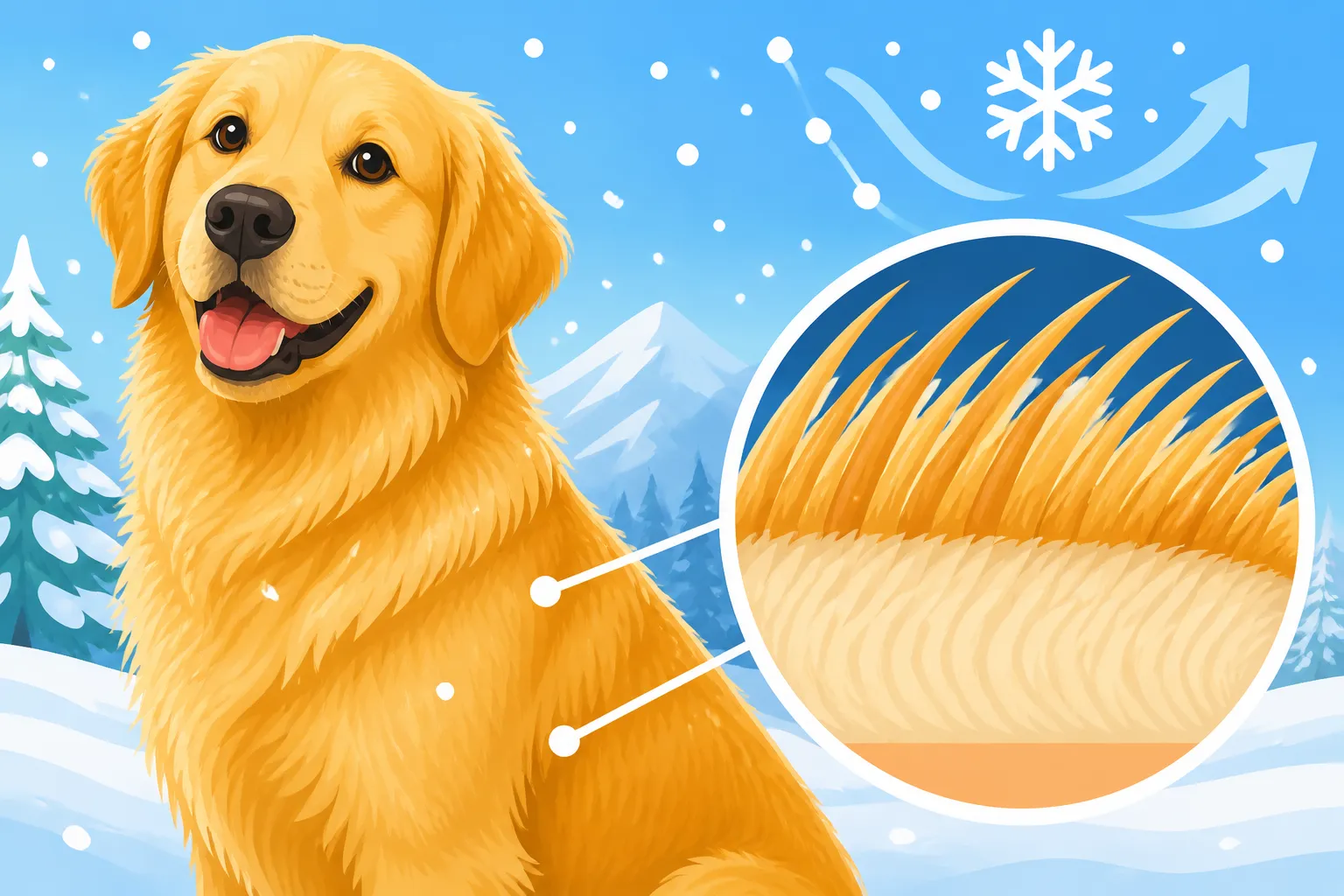
Golden Retrievers are practically built for colder climates, thanks in large part to their incredible double coat. This isn't just a single layer of fur; it's a sophisticated, multi-layered insulation system that has evolved over generations to protect them from the elements, including harsh winds, frigid temperatures, and even water. It's truly a marvel of natural engineering, and understanding how it works can help us appreciate just how resilient our Goldens are.
The Insulating Power of the Undercoat
Beneath that gorgeous, flowing outer layer lies the unsung hero of cold weather protection: the undercoat. This layer is dense, soft, and typically much shorter than the topcoat. Its primary function is thermoregulation – essentially, it traps a layer of air close to the dog's body, which is then warmed by their body heat. This trapped warm air acts as a natural barrier, preventing the cold from penetrating and keeping their core temperature stable. Think of it like wearing a very effective thermal base layer. In really cold weather, the individual hairs of the undercoat can even stand up slightly, increasing the amount of trapped air and enhancing their insulation. This is why a thick, healthy undercoat is absolutely crucial for a Golden Retriever's comfort in winter. Proper grooming, which we'll touch on later, is vital to maintain this protective layer.
The Protective Role of the Outer Coat
While the undercoat provides the warmth, the outer coat, often called the guard coat, plays an equally important role. This top layer consists of longer, coarser, and somewhat water-resistant hairs. These aren't just for show; they act as a physical shield against snow, sleet, and rain. The longer hairs shed water and ice, preventing them from reaching the insulating undercoat and saturating it. If the undercoat gets wet and matted, it loses much of its ability to trap air and keep the dog warm, making them much more susceptible to the cold. The outer coat also helps protect their skin from windburn and minor abrasions that can occur when romping through snowy, icy terrains. It's a combination of protection and insulation that makes the Golden Retriever's coat so effective. When considering your dog's overall health and well-being, remember that Grooming a Golden Retriever's Double Coat is more than just aesthetics; it's about maintaining this vital protective system.
When a Golden Retriever Needs Extra Protection
While their double coat is a fantastic asset, it doesn't make Golden Retrievers impervious to all cold conditions. There are certainly situations and factors that can diminish their natural protection, making them vulnerable to the cold and requiring our intervention. It’s important to recognize these nuances, because every Golden is an individual, and their tolerance can vary. Ignoring these signs can lead to discomfort, or even serious health issues like hypothermia or frostbite.
Age and Health Considerations in Cold Weather
Not all Goldens are created equal when it comes to cold tolerance. Puppies and senior dogs are generally more susceptible to the cold than healthy adults. A young Golden Retriever puppy, still developing their full coat and body fat, doesn't have the same robust internal thermostat as a mature dog. Their smaller body mass means they lose heat more quickly. Similarly, Caring for a Senior Golden Retriever often involves managing chronic conditions like arthritis, which can be exacerbated by cold, damp weather. Older dogs might also have less muscle mass, thinner skin, or health issues like hypothyroidism which affect their ability to regulate body temperature. If your Golden is on medication, or has any existing health conditions, it's wise to consult your vet about specific cold weather precautions. Dogs with heart conditions or other circulatory problems might also struggle more in extreme cold, as their bodies work harder to stay warm. Pay close attention to subtle Signs a Golden Retriever Is in Pain, as cold can amplify joint discomfort.
Extreme Temperatures and Prolonged Exposure
Even the healthiest adult Golden Retriever has limits. While they might tolerate a quick dash outside in sub-zero temperatures, prolonged exposure can still be dangerous. The insulating properties of their coat can only do so much against sustained, extreme cold, especially if accompanied by strong winds or precipitation. Wind chill can drastically reduce the effective temperature, making even a seemingly mild cold day feel much harsher. A good rule of thumb is that if it's too cold for you to comfortably stand outside for an extended period, it's likely too cold for your Golden. Keep an eye on local weather advisories for extreme cold, and be prepared to limit outdoor time accordingly. A quick potty break is fine, but a long walk might need to be reconsidered in favor of indoor activities to provide Mental Enrichment for a Bored Golden Retriever.
Wet Conditions and Loss of Insulation
Perhaps the biggest threat to a Golden Retriever's cold weather comfort isn't just the temperature, but the combination of cold and wet. As mentioned, their outer coat is somewhat water-resistant, but it's not waterproof. If your Golden takes an unplanned dip in an icy pond or spends too much time rolling in slushy snow, their undercoat can become saturated. Once wet, that dense undercoat loses its ability to trap warm air, effectively compromising their primary insulation. This significantly increases their risk of hypothermia. Even if it's not extremely cold, a wet Golden can get chilled very quickly. Always make sure to thoroughly dry your Golden Retriever after any wet outdoor activities, especially focusing on their dense undercoat. Towel drying is a start, but a dedicated dog dryer can be a lifesaver for really saturating wet coats, ensuring they dry completely down to the skin.
Practical Tips for Cold Weather Care
Keeping your Golden Retriever safe and happy during the winter months goes beyond just relying on their amazing coat. A little proactive care and attention to detail can make all the difference, ensuring they remain comfortable and healthy, ready for all those snowy adventures they love.
Assessing Your Golden's Comfort Level
The best indicator of whether your Golden is too cold is, well, your Golden! They can't tell us in words, but their body language speaks volumes. Look for shivering, hunching their back, holding up paws, whining, or trying to seek shelter or get back inside. Some dogs might even slow down their pace significantly or refuse to move. If you notice any of these signs, it's time to cut short the outdoor excursion and get them warm. Pay particular attention to their extremities – ears, paws, and the tip of their tail. If these feel excessively cold to the touch, it's a warning sign. Remember, what feels like a brisk, invigorating walk to you might be pushing your dog's limits, especially if they are older or have underlying health issues. It's always better to err on the side of caution.
Choosing Appropriate Winter Gear
While their double coat offers incredible protection, there are times when a little extra gear can be beneficial, especially for more vulnerable Goldens or in truly extreme conditions. For older dogs, puppies, or those with thin coats or health issues, a well-fitting dog coat or sweater can provide an extra layer of warmth, particularly over their torso where they lose a lot of body heat. Look for waterproof or water-resistant options that allow full range of motion.
For paw protection, winter booties are an absolute game-changer. Not only do they prevent ice balls from forming between their paw pads, but they also shield against harsh road salts, de-icers, and antifreeze, all of which can be irritating or toxic. Even if your dog has a high tolerance for cold, road chemicals are a genuine concern. Brands like Muttluks or Ruffwear offer durable, protective boot options. If booties aren't an option or your dog refuses them, make sure to clean their paws thoroughly with warm water after every outing to remove any chemical residue. You can also use a paw balm like Musher's Secret as a preventative measure to create a protective barrier. When dealing with unexpected vet visits for frostbite or chemical ingestion, having pet insurance like Healthy Paws can provide significant peace of mind.
Here's a quick guide to temperature considerations:
| Temperature Range | Golden Retriever Cold Tolerance | Recommended Action |
|---|---|---|
| Above 45°F (7°C) | Generally comfortable, double coat provides good regulation. | Normal activity levels. Monitor for wetness after play. |
| 32°F – 45°F (0°C – 7°C) | Most adult Goldens are still comfortable. | Normal outdoor time, but watch for signs of discomfort. Consider a coat for older dogs or puppies. Check paws for ice/salt. |
| 10°F – 32°F (-12°C – 0°C) | Good tolerance, but risks increase with wind chill or precipitation. | Limit outdoor sessions to 15-30 minutes. Booties highly recommended. Consider a coat/sweater, especially for less active or sensitive dogs. Monitor body language closely. |
| Below 10°F (-12°C) | High risk of frostbite/hypothermia for any dog, regardless of coat. | Outdoor time should be strictly limited to quick potty breaks (5-10 minutes max). Full winter gear (coat, booties) is essential. Watch for shivering, lameness, or distress. Do not leave unattended. |
| Below 0°F (-18°C) | Extreme danger. | Very short potty breaks only. Avoid long walks entirely. Risk of immediate frostbite and hypothermia is very high. Monitor for any unusual behavior or physical signs of cold stress. |
Adjusting Exercise and Outdoor Time
During winter, you'll likely need to adjust your Golden's exercise routine. While they still need their daily activity, the duration and intensity might need to be scaled back on very cold days. Instead of one long walk, consider several shorter outings interspersed with indoor play and training sessions. Activities like fetch in a long hallway, puzzle toys, or even learning new tricks can provide valuable Mental Enrichment for a Bored Golden Retriever when outdoor time is limited.
Always be mindful of surfaces. Ice and slippery conditions can lead to slips and falls, which are particularly risky for Goldens prone to Golden Retriever Hip and Elbow Dysplasia Explained or Golden Retriever Arthritis and Joint Decline. Stick to cleared paths and avoid icy patches. If you live in an area with heavy snow, consider creating a cleared path in your yard for potty breaks to minimize deep snow exposure. Remember that a Golden Retriever's endurance may be different in the cold. Just like humans, their muscles can get cold and stiff, making them more prone to injury if they exert themselves too much without proper warm-up.
Common Misconceptions About Goldens in Winter
There are a few myths and misunderstandings circulating about Golden Retrievers and their cold tolerance that need to be cleared up. These misconceptions, though often well-intentioned, can sometimes lead to practices that are actually detrimental to your dog's health and comfort in winter.
Shaving the Coat for Winter is Harmful
One of the most persistent and damaging myths is that shaving a Golden Retriever in winter will help them stay warmer, or that it’s somehow beneficial for their coat. This couldn't be further from the truth. In fact, shaving their double coat is one of the worst things you can do. As we discussed, the undercoat is crucial for insulation, trapping warm air. The outer coat protects that undercoat from moisture and wind. When you shave off these layers, you remove their natural insulation and weatherproofing. It's like taking off all your winter clothes and expecting to be warmer.
Not only does it expose them directly to the cold, but shaving can also cause long-term damage to the coat itself. The undercoat often grows back faster and coarser than the guard hairs, leading to an unbalanced coat that can mat more easily and actually lose some of its natural protective qualities. This is why you should Why You Never Shave a Golden Retriever, regardless of the season. Their coat is designed to be efficient; regular brushing helps it do its job, not shaving it down.
Goldens Are Immune to Hypothermia
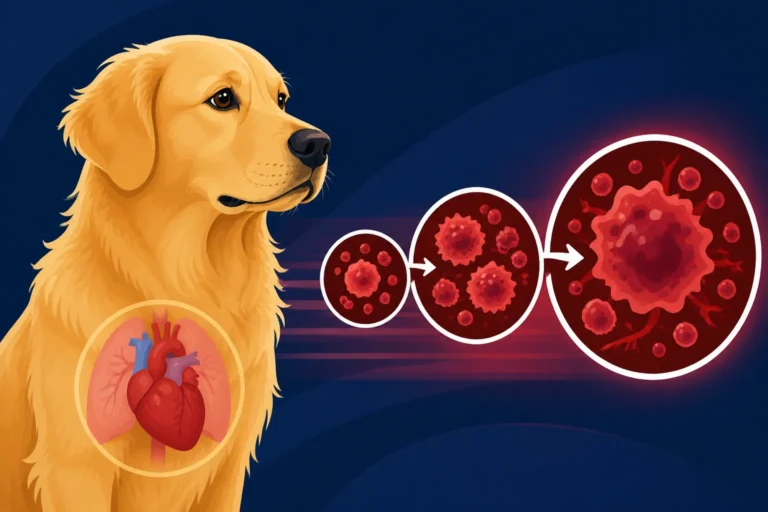
While Golden Retrievers generally have excellent cold tolerance due to their dense double coat, they are absolutely not immune to hypothermia or frostbite. Hypothermia occurs when a dog's body loses heat faster than it can produce it, leading to a dangerously low core body temperature. Frostbite, on the other hand, is damage to body tissues caused by freezing. Common areas affected are ears, tail, and paws, which have less insulation.
Signs of hypothermia can include shivering (which may stop as it worsens), lethargy, weakness, shallow breathing, pale gums, and cold to the touch extremities. In severe cases, it can lead to organ failure and be fatal. Frostbite might first appear as pale or bluish skin that feels cold and firm; later, the affected tissue can become swollen, painful, and even turn black. If you suspect your Golden is suffering from hypothermia or frostbite, immediate veterinary attention is critical. Warm them slowly with blankets, offer warm (not hot) water, and get to an emergency vet right away. This is another scenario where knowing your pet insurance details, perhaps with a provider like Healthy Paws, can be incredibly helpful for managing unexpected emergencies. Being prepared for Golden Retriever Emergency Vet Bills is a crucial part of responsible ownership.
Disclaimer
Please remember that the information provided in this guide is for educational purposes only and should not be considered a substitute for professional veterinary advice. Always consult with a qualified veterinarian for any health concerns or before making any decisions about your Golden Retriever's medical care.