Golden Retriever Hip and Elbow Dysplasia Explained
It's truly heartbreaking to watch your vibrant, happy Golden Retriever start to struggle with everyday movements – a slight limp, a hesitation to jump, or a stiffness after a nap. For many Golden owners, these subtle signs often herald the unwelcome news of hip or elbow dysplasia, two of the most prevalent and painful orthopedic conditions affecting our beloved companions. This comprehensive guide is here to walk you through exactly what these conditions are, how to spot them, what diagnostic steps to expect, and all the available treatment and management options to help your Golden live their happiest, most comfortable life.
Unpacking Hip Dysplasia in Golden Retrievers
Hip dysplasia is a term that strikes fear into the hearts of Golden Retriever owners, and for good reason. It’s a complex, often painful condition that significantly impacts a dog's quality of life. Understanding what's happening within that joint is the first step toward managing it.
What is Hip Dysplasia?
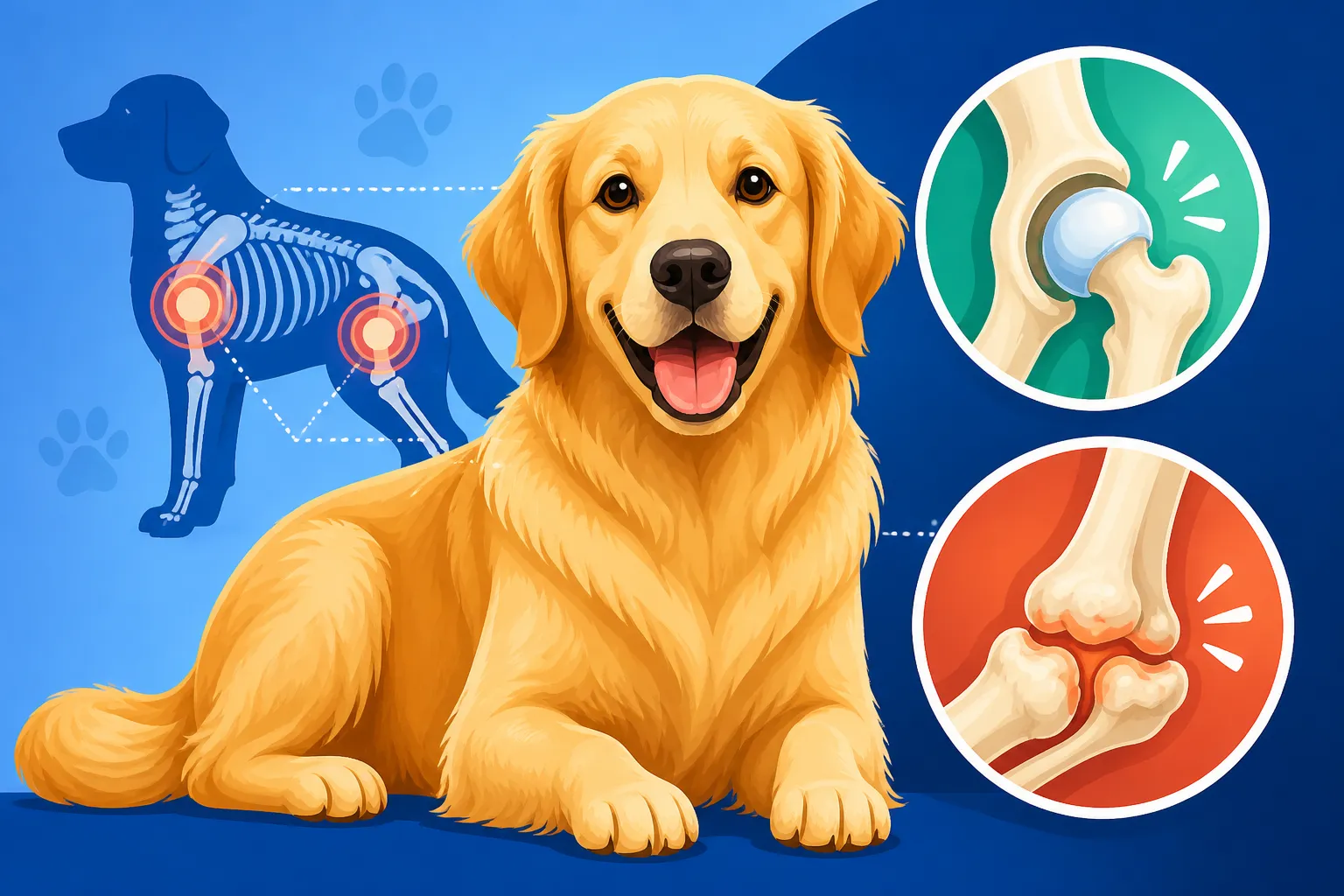
At its core, hip dysplasia is a developmental abnormality of the hip joint. Imagine your Golden's hip as a ball-and-socket joint – the 'ball' is the head of the femur (thigh bone), and the 'socket' is the acetabulum, part of the pelvis. In a healthy hip, this ball fits snugly and smoothly into the socket, allowing for a wide range of motion without friction. With hip dysplasia, however, this perfect fit is compromised. The socket might be too shallow, the femoral head might be misshapen, or, most commonly, the ligaments holding them together become lax. This "laxity" means the ball isn't held tightly within the socket, leading to subluxation, or a partial dislocation. Over time, this abnormal movement causes wear and tear on the cartilage, leading to inflammation, pain, and eventually, the irreversible changes of osteoarthritis. Your dog’s body tries to compensate by laying down new bone, but this often makes the joint even less functional and more painful.
The Genetic Predisposition
It’s an unfortunate truth that Golden Retrievers are genetically predisposed to hip dysplasia. While it’s not as simple as a single "dysplasia gene," it’s understood to be a polygenic trait, meaning multiple genes contribute to its inheritance. This makes breeding out the condition incredibly challenging, even for the most diligent breeders. Because Goldens are a large, fast-growing breed, their genetics, combined with their rapid development, put immense stress on their developing joints. This inherited susceptibility means that even with perfect environmental care, a Golden with the wrong genetic lottery ticket might still develop dysplasia. That’s why ethical breeding practices, which focus on screening parent dogs for generations, are so crucial in trying to reduce the incidence of this heartbreaking condition.
Environmental Factors That Influence Development
While genetics lay the groundwork, environmental factors can absolutely play a significant role in how severely hip dysplasia manifests, or even whether a predisposed dog develops clinical signs at all. One of the biggest culprits, especially in growing puppies, is rapid growth caused by overfeeding. When a Golden Retriever puppy grows too quickly, their bones and joints mature at an accelerated rate that their soft tissues (ligaments, muscles) simply can't keep up with, leading to increased joint laxity.
Another major environmental factor is excessive or inappropriate exercise during puppyhood. High-impact activities like repetitive jumping, long runs on hard surfaces, or frequent stair climbing can put undue stress on their still-developing growth plates and joint structures. Imagine a toddler being forced to run marathons – it just doesn't make sense for their developing bodies. Ensuring your Golden Retriever puppy is on an appropriate large-breed puppy food formula that supports slow, steady growth is vital. Additionally, providing good traction surfaces at home, like rugs on hardwood or tile, can prevent slips and falls that stress developing hips. These seemingly small details can make a big difference in giving your Golden the best chance at healthy joints.
Spotting the Signs of Hip Dysplasia
Recognizing hip dysplasia can be tricky because the signs aren't always obvious, especially in the early stages. Goldens are notoriously stoic, often hiding their discomfort until it becomes quite severe. Being an attentive owner is your best defense.
Early Puppyhood Clues
It's natural to think of joint issues as something that happens to older dogs, but hip dysplasia can begin to show signs in puppies as young as four to six months old. These early clues can be subtle, almost imperceptible if you're not looking for them. You might notice a slight reluctance to play as vigorously as their littermates or a general stiffness, especially after resting or waking up. A classic sign many owners report is a "bunny hopping" gait when their puppy runs – where both hind legs move together, almost like a rabbit, instead of independently. This often indicates discomfort when extending the hip joints. Another subtle cue could be difficulty climbing stairs or getting into a car, or even just a general awkwardness in their hind end movement. If you gently touch their hip area, they might flinch or show signs of pain. These aren’t always clear-cut, but if you see a combination, it's definitely worth a conversation with your vet. For more insights into this specific gait, you might want to read our article on The Bunny Hopping Gait in Golden Retrievers.
Adolescent and Adult Symptoms
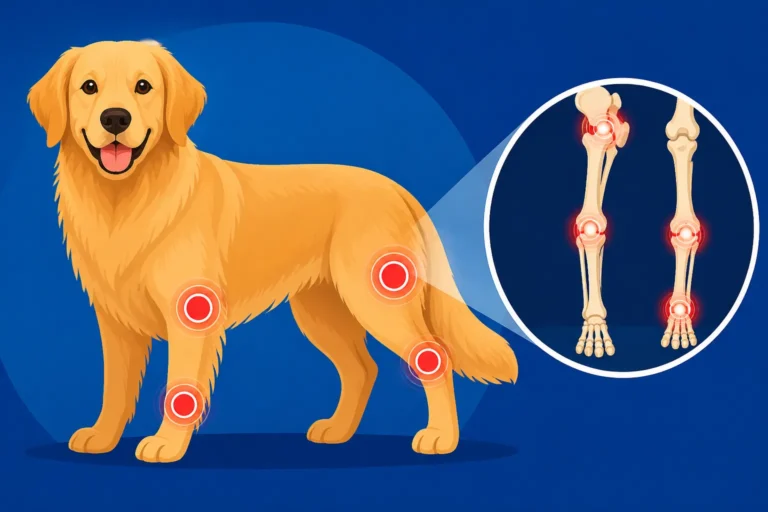
As your Golden Retriever matures, the signs of hip dysplasia can become more pronounced, especially as arthritis begins to set in due to the continuous wear and tear on the compromised joint. You might start noticing significant difficulty rising from a lying position, particularly after periods of rest. They may appear stiff or sore, and that stiffness might even seem to "work out" after a few minutes of movement, only to return later. Lameness in one or both hind legs is common, which might worsen after exercise or cold weather. You could also observe a distinct change in their gait, possibly a waddling walk, or a reluctance to put full weight on one leg.
Another common sign is a noticeable loss of muscle mass in their hindquarters, as they unconsciously try to alleviate pain by using those muscles less. Conversely, they might develop over-muscling in their shoulders and front legs to compensate for the weakness and pain in their rear. Temperament changes can also occur; a dog in chronic pain may become less enthusiastic about walks, less tolerant of handling, or even show mild aggression if their painful areas are touched. Pay close attention to these shifts; they're often your Golden's quiet way of telling you they're hurting.
The Progression to Arthritis
The unfortunate reality of hip dysplasia is that if left unmanaged, the abnormal movement and friction within the joint inevitably lead to degenerative joint disease, or osteoarthritis. This isn't just "aging pains"; it's a chronic, progressive condition where the protective cartilage within the joint gradually erodes, and new bone spurs (osteophytes) form around the joint margins. These changes are irreversible and contribute significantly to increased pain, inflammation, and further reduced mobility. As the arthritis progresses, your Golden may experience more severe stiffness, creaking sounds from the joint, and a dramatically diminished range of motion.
This progression can severely impact their quality of life, making simple activities like playing fetch, running, or even getting up to greet you incredibly painful. The goal of early detection and intervention, whether through conservative management or surgery, is to slow down or minimize the development of this debilitating arthritis, preserving as much comfort and function as possible for your beloved companion throughout their life.
Diagnosing Hip Dysplasia: Imaging and Evaluation
Getting an accurate diagnosis is crucial for creating an effective treatment plan. This process typically involves a thorough physical examination followed by specific imaging techniques.
Physical Examination and Early Indicators
When you bring your Golden Retriever to the vet with concerns about their hips, the appointment will start with a comprehensive physical examination. Your veterinarian will observe your dog's gait, looking for any lameness, stiffness, or an abnormal stance. They'll also carefully palpate, or feel, your Golden’s hips, assessing for pain, instability, and range of motion. For puppies, a key part of this exam might be checking for an "Ortolani sign," which is a distinct "clunk" sensation the vet can feel as they manipulate the hip joint. This sign indicates hip laxity and subluxation – essentially, the ball temporarily pops out and back into the socket. It's an early indicator of dysplasia that is often only detectable in younger dogs before significant arthritic changes occur. Your vet will also check for muscle atrophy in the hindquarters and any compensatory changes in the front end. These routine checks are a critical part of their annual exams, which is why we always recommend checking out our guide on Why Goldens Need Vet Visits Twice a Year.
Understanding OFA Certifications
The Orthopedic Foundation for Animals (OFA) is a widely recognized registry that evaluates hip and elbow health in dogs. For hip dysplasia, the OFA uses a panel of three independent, board-certified veterinary radiologists to review X-rays of a dog's hips. These X-rays are typically taken with the dog under sedation, positioned in a very specific way to stretch out the hips and reveal any signs of laxity or degenerative changes. The hips are then graded on a scale: Excellent, Good, Fair (all considered passing), Borderline, or Mild, Moderate, or Severe Dysplasia.
A key aspect of OFA certification is the age requirement: dogs must be at least 24 months old for their hip evaluations to be registered as a final certification. This is because hip joint development isn't complete until around two years of age, and evaluating earlier could lead to inaccurate assessments. While OFA has an "preliminary" option for younger dogs, the official certification waits until maturity. Breeders committed to improving the breed will always have their breeding dogs OFA certified, providing public documentation of their dog's hip health. To truly understand these ratings, you might want to delve into our article on What Excellent, Good and Fair Mean on a Golden's Hips. The delay until two years of age for official certification is important and is further detailed in our guide Why OFA Waits Until Two Years to Certify.
PennHIP Evaluation: A Different Approach
While OFA is well-established, PennHIP (University of Pennsylvania Hip Improvement Program) offers a different, and often earlier, method for assessing hip laxity. Unlike OFA, which primarily looks at a single, extended view of the hip, PennHIP involves three specific radiographic views: a standard extended view, a compression view (to seat the femoral heads firmly into the acetabula), and a distraction view. The distraction view is the unique aspect of PennHIP, as it uses a specialized device to gently push the femoral heads out of the hip sockets, quantifying the degree of passive hip laxity. This is measured by the "distraction index" (DI), a numerical rating from 0 to 1, where lower numbers indicate tighter hips.
One of the significant advantages of PennHIP is that it can be performed on dogs as young as 16 weeks (4 months) of age, providing an early indicator of hip laxity, long before the two-year mark for OFA. This makes it a valuable tool for breeders to make more informed breeding decisions sooner and for owners to get an early estimate of their puppy's predisposition to hip dysplasia. Understanding the nuances of this index can be quite helpful, so we recommend exploring PennHIP Distraction Index for Golden Retrievers for a deeper dive. The quantitative nature of PennHIP, providing a specific number rather than a subjective grade, allows for a more precise comparison of hip quality.
Here's a quick comparison of the two primary hip evaluation methods:
| Feature | OFA (Orthopedic Foundation for Animals) | PennHIP (University of Pennsylvania Hip Improvement Program) |
|---|---|---|
| Minimum Age | 24 months for final certification | 16 weeks (4 months) |
| Views Taken | Extended hip view | Extended, compression, and distraction views |
| Measurement | Subjective scoring (Excellent, Good, Fair, etc.) | Quantitative Distraction Index (0-1) |
| Focus | Phenotypic assessment (current health) | Genotypic assessment (inherent laxity) |
| Certifier | Three independent radiologists | Certified PennHIP veterinarians |
| Purpose | Screening for breeding, diagnosis | Screening for breeding, early prediction of risk |
Navigating Treatment Options for Hip Dysplasia
Receiving a diagnosis of hip dysplasia for your Golden Retriever can feel overwhelming, but the good news is that there are many ways to manage the condition, ranging from conservative approaches to advanced surgical interventions. The best path forward depends on your dog's age, the severity of their dysplasia, their activity level, and your family's circumstances.
Conservative Management Strategies
For many Goldens, especially those with mild to moderate dysplasia or those for whom surgery isn't an option, conservative management can provide significant relief and improve their quality of life. The cornerstone of this approach is maintaining an ideal body weight. Every extra pound puts additional stress on already compromised joints, accelerating the progression of arthritis. Our guide on Golden Retriever Weight and Joint Damage really highlights the importance of this.
Controlled exercise is also vital: think low-impact activities like swimming or regular, moderate walks, rather than high-impact running or jumping. Physical therapy, including hydrotherapy (underwater treadmill), massage, and targeted exercises, can help build strong supporting muscles around the hip, improve range of motion, and reduce pain. You can find more detailed information about this in our article Physical Therapy for a Golden Retriever With Bad Hips.
Medications often play a key role, including non-steroidal anti-inflammatory drugs (NSAIDs) to manage pain and inflammation, and various joint supplements containing ingredients like glucosamine, chondroitin, and Omega-3 fatty acids to support cartilage health. Some owners also explore alternative therapies like acupuncture or therapeutic laser treatments, which can offer additional pain relief. The goal here is to keep your Golden comfortable and mobile without resorting to surgery.
Surgical Interventions for Puppies and Young Dogs
For very young Golden Retriever puppies diagnosed with significant hip laxity, surgical interventions can be performed to prevent the full development of severe hip dysplasia. One such procedure is Juvenile Pubic Symphysiodesis (JPS). This minimally invasive surgery is performed on puppies typically between 14 and 20 weeks of age (under 5 months). It involves fusing a small portion of the pelvis to encourage the remaining pelvic bone to grow in a way that creates a deeper, more encompassing hip socket. The ideal candidates for JPS are very young puppies with significant laxity but no signs of arthritis yet.
Another option for slightly older but still young dogs (typically 5 to 10 months old) with hip dysplasia but minimal or no arthritic changes is a Triple Pelvic Osteotomy (TPO) or a Double Pelvic Osteotomy (DPO). In these procedures, the surgeon makes cuts in the pelvis bone and rotates the acetabulum (hip socket) to provide better coverage for the femoral head. Plates and screws are then used to stabilize the repositioned bone. The goal of both JPS and TPO/DPO is to improve the biomechanics of the hip joint, reducing laxity and thereby preventing or minimizing the progression of osteoarthritis later in life. These are significant surgeries with substantial recovery periods, but they can offer excellent long-term outcomes for appropriately selected young patients.
Advanced Surgical Options for Mature Dogs
When a Golden Retriever is diagnosed with severe hip dysplasia, especially if significant arthritis has already developed and conservative management is no longer effectively controlling their pain, more advanced surgical options become necessary.
One such option is a Femoral Head Ostectomy (FHO). This procedure involves removing the "ball" portion of the hip joint (the femoral head) entirely. The body then forms a "false joint" of scar tissue, and the surrounding muscles take over stabilizing the hip. FHO is generally recommended for smaller or less active dogs, or for severe cases where the cost or complexity of a total hip replacement is prohibitive. While it can relieve pain, it may not restore full athletic function, and muscle rehabilitation is crucial for a good outcome.
The gold standard for treating severe hip dysplasia in mature Golden Retrievers, offering the best chance for complete pain relief and return to function, is Total Hip Replacement (THR). In a THR, both the damaged femoral head and the acetabulum are replaced with artificial implants, much like human hip replacements. This surgery eliminates the painful bone-on-bone friction and restores normal hip mechanics. It's a complex and costly procedure, requiring a highly skilled veterinary orthopedic surgeon and a dedicated recovery period. However, the success rates are very high, and many Goldens go on to live active, pain-free lives post-THR. If you're considering this, understanding the financial aspect is key; our article on Golden Retriever Hip Surgery Costs and Options provides a detailed breakdown. Pet insurance plans, such as those offered by Healthy Paws, can be an invaluable resource in helping to cover the significant costs associated with these advanced surgical treatments, making them a more feasible option for many families.
Elbow Dysplasia: Another Common Challenge
Just like hip dysplasia, elbow dysplasia is a prevalent and often painful condition that significantly impacts Golden Retrievers. It’s important to understand that "elbow dysplasia" isn't one single disease, but rather a catch-all term for several specific developmental abnormalities that can occur within the elbow joint.
The Complex Nature of Elbow Dysplasia
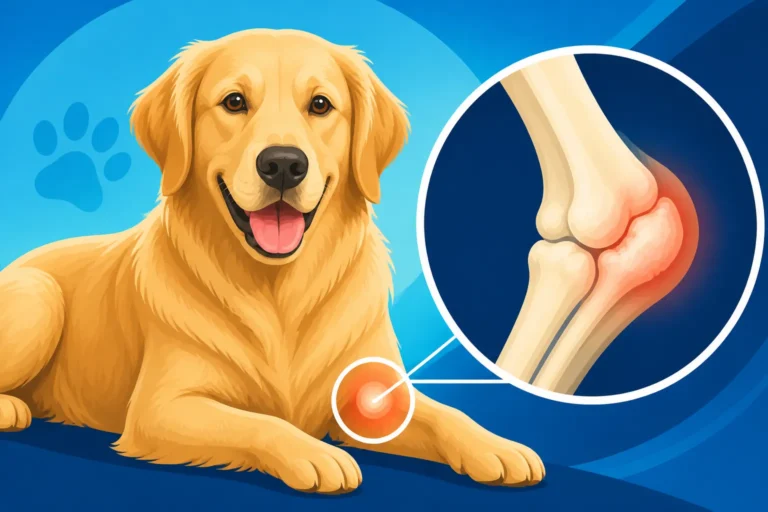
The canine elbow joint is a marvel of engineering, comprising three bones: the humerus (upper arm bone), the radius, and the ulna (lower arm bones). For a healthy, pain-free joint, these three bones must grow and fit together perfectly. Elbow dysplasia occurs when one or more parts of this complex joint develop abnormally, leading to incongruity, instability, and eventually, debilitating osteoarthritis.
There are four primary components often associated with elbow dysplasia:
- Fragmented Coronoid Process (FCP): This is the most common form of elbow dysplasia. A small piece of bone from the ulna breaks off, causing irritation, pain, and inflammation within the joint.
- Ununited Anconeal Process (UAP): A separate growth center of bone on the ulna fails to fuse properly, leading to a loose bone fragment. This is less common in Goldens but seen in some larger breeds.
- Osteochondritis Dissecans (OCD): This involves a defect in the cartilage where it fails to attach properly to the underlying bone, often creating a loose flap of cartilage that causes pain and inflammation.
- Elbow Incongruity: This refers to a mismatch in the length or shape of the three bones forming the joint, leading to abnormal weight bearing and pressure points.
Any one of these conditions, or a combination thereof, can lead to chronic pain, lameness, and the inevitable development of severe arthritis in the elbow. Our detailed look into Elbow Dysplasia in Golden Retrievers covers these complexities even further.
Recognizing Elbow Dysplasia Symptoms
Unlike hip dysplasia, which often presents as hind-end lameness, elbow dysplasia manifests as pain and lameness in the forelimbs. The signs can emerge as early as 4-7 months of age, or sometimes not until adulthood. Goldens with elbow dysplasia often exhibit a characteristic "choppy" gait, trying to avoid fully bending or extending the affected elbow. You might notice stiffness, especially after rest, or a reluctance to put full weight on the affected leg.
Other common symptoms include:
- Intermittent lameness that may worsen after exercise.
- Pain when the elbow is extended or flexed by your vet.
- Decreased range of motion in the elbow joint, making it hard for them to fully straighten their leg.
- Swelling or warmth around the elbow joint in some cases.
- Licking the affected elbow.
- A tendency to hold the elbow away from the body or to turn the paw out.
It's important to remember that elbow dysplasia is often bilateral, meaning both elbows are affected, even if one appears more painful or lame than the other. Because Goldens are so stoic, they might shift their weight or adapt their movement in subtle ways, making it hard for owners to pinpoint the exact source of pain until the condition is quite advanced.
Diagnostic Steps for Elbow Issues
If you suspect your Golden Retriever has elbow dysplasia, your veterinarian will follow a systematic approach to reach a diagnosis. The process begins with a thorough physical examination, similar to the hip dysplasia assessment. Your vet will palpate your dog's elbows, looking for swelling, warmth, and pain upon manipulation, particularly when flexing or extending the joint. They'll also observe your Golden's gait closely, looking for characteristic lameness or changes in how they bear weight on their front limbs.
The primary diagnostic tool for elbow dysplasia is radiography (X-rays). Multiple views of the elbow joint are typically taken to visualize all the complex structures and identify any abnormalities like fragmented coronoid processes, ununited anconeal processes, or signs of osteochondritis dissecans. These X-rays often require the dog to be sedated to ensure proper positioning and clear images.
In cases where X-rays are inconclusive or more detailed information is needed, your vet might recommend advanced imaging techniques such as a computed tomography (CT) scan. A CT scan provides highly detailed, three-dimensional images of the bone and joint structures, allowing for much more precise identification of subtle lesions or joint incongruity that might be missed on standard X-rays. This level of detail is crucial for planning the most appropriate surgical intervention. Early and accurate diagnosis is key to implementing an effective treatment plan and slowing the progression of secondary arthritis.
Treating and Managing Elbow Dysplasia
Once diagnosed, managing elbow dysplasia in your Golden Retriever involves a combination of strategies tailored to the specific form and severity of the condition, as well as your dog’s age and overall health. The goal is always to minimize pain, maintain function, and slow the progression of secondary osteoarthritis.
Non-Surgical Approaches to Relief
For many Goldens, especially those with mild elbow dysplasia or whose condition is diagnosed later in life with established arthritis, non-surgical (conservative) management is the first line of treatment. This approach mirrors many aspects of hip dysplasia management. Weight management is paramount; keeping your Golden at a lean, healthy weight significantly reduces the load on their painful elbow joints.
Controlled exercise is also critical. Focus on regular, low-impact activities like swimming or leash walks on soft surfaces, avoiding strenuous activities that involve jumping, twisting, or hard stops. Physical rehabilitation is incredibly beneficial, including hydrotherapy, therapeutic exercises to build supporting muscle, and modalities like cold laser therapy or acupuncture to reduce pain and inflammation.
Your veterinarian will likely prescribe pain relief medications, typically non-steroidal anti-inflammatory drugs (NSAIDs), to manage discomfort and reduce inflammation. Long-term use of joint supplements containing glucosamine, chondroitin, and Omega-3 fatty acids can also help support joint health and potentially slow cartilage degradation. These non-surgical methods aim to improve comfort and mobility, allowing your Golden Retriever to maintain a good quality of life.
Surgical Options for Elbow Dysplasia
When conservative management is no longer sufficient, or in cases of severe elbow dysplasia, surgical intervention often becomes necessary, especially for younger dogs. The specific surgery depends on the underlying problem:
- Arthroscopy is a common and often preferred method for treating fragmented coronoid processes (FCP) and osteochondritis dissecans (OCD). This minimally invasive procedure involves making small incisions and inserting a tiny camera (arthroscope) and specialized instruments into the joint. The surgeon can then visualize the joint surfaces, remove loose cartilage or bone fragments, and smooth any rough areas. This approach results in less pain, quicker recovery, and less damage to surrounding tissues compared to traditional open surgery.
- For cases involving ununited anconeal process (UAP), the loose fragment may be removed or, in some instances, surgically reattached.
- If elbow incongruity is a significant issue, procedures like ulnar osteotomy (cutting and shortening the ulna bone) may be performed to restore proper alignment and reduce abnormal pressure within the joint.
The primary goals of these surgeries are to remove sources of irritation, stabilize the joint, reduce pain, and slow down the inevitable progression of osteoarthritis. While surgery can significantly improve comfort and function, it's important to understand that it does not "cure" elbow dysplasia; ongoing management will almost always be necessary.
Long-Term Outlook and Continued Care
Even with successful surgical intervention for elbow dysplasia, the long-term reality is that most Goldens will still develop some degree of osteoarthritis in the affected joint. This is because the underlying developmental abnormality often causes irreversible changes, and continued wear and tear, even after correction, can lead to progressive joint degeneration.
Therefore, lifelong management and continued care are crucial. This typically involves:
- Regular veterinary check-ups to monitor joint health and adjust treatment plans as needed. These twice-yearly visits are so important, as highlighted in our guide Why Goldens Need Vet Visits Twice a Year.
- Ongoing weight management to keep stress off the joints.
- Continued controlled exercise with an emphasis on low-impact activities.
- Prescription medications (e.g., NSAIDs, other pain relievers) as required to manage flare-ups or chronic pain.
- Joint supplements to support cartilage health.
- Physical therapy sessions to maintain muscle strength and flexibility.
- Home modifications like ramps or elevated food bowls to minimize strain.
The goal is to proactively manage the condition to maximize comfort and mobility throughout your Golden's life. This ongoing commitment can be financially substantial, and this is where a good pet insurance plan, such as those offered by Healthy Paws, can provide significant peace of mind. Knowing that you have support for continuous treatments and potential future interventions allows you to focus on giving your Golden the best possible care without constant financial worry.
The Role of Responsible Breeding and Prevention
While we can't completely eliminate the risk of hip and elbow dysplasia in Golden Retrievers, responsible breeding practices and diligent puppy care are our most powerful tools in preventing and mitigating these conditions.
Health Clearances: A Non-Negotiable for Breeders
For any prospective Golden Retriever owner, understanding and demanding health clearances from breeders is absolutely non-negotiable. Reputable breeders are deeply committed to reducing the incidence of genetic diseases in their lines, and this starts with comprehensive health screening of parent dogs. For hip and elbow dysplasia, this means both parent dogs should have current, publicly verifiable certifications from organizations like the Orthopedic Foundation for Animals (OFA) or PennHIP.
These clearances should show an OFA rating of Fair, Good, or Excellent for hips, and Normal for elbows. It's not enough for a breeder to simply say their dogs are "clear by parentage" or "vet checked." You need to see the actual certificates and be able to verify them on the OFA website. Ask for the registered names and numbers of both parents, and then look them up yourself. This transparency is a hallmark of ethical breeding. Our comprehensive guide on Health Clearances a Golden Retriever Breeder Must Show provides even more detail on what to look for. Choosing a reputable breeder who prioritizes these health screenings is the single most impactful decision you can make to increase the likelihood of your Golden having healthy joints. To learn more about identifying such breeders, refer to our article on Finding a Reputable Golden Retriever Breeder.
Nurturing Healthy Growth in Puppies
Once you bring your Golden Retriever puppy home, you become the primary caregiver responsible for their healthy development. One of the most critical aspects of preventing or minimizing the impact of dysplasia, even in genetically predisposed puppies, is managing their growth rate. Rapid growth due to overfeeding is a significant environmental risk factor. Goldens need a large-breed puppy food formulated specifically to support slow, controlled growth, which typically has a lower calorie density and a balanced calcium-to-phosphorus ratio. Our guide on Why Large Breed Formula Matters for a Golden explains this in detail. Avoid free-feeding your puppy; instead, follow feeding guidelines and monitor their body condition closely.
Equally important is managing their exercise. While Goldens are energetic, strenuous, high-impact activities like long runs, repetitive jumping, or frequent stair climbing should be strictly limited during their crucial growth phases. Their growth plates are still open and vulnerable to injury until they close, typically around 12-18 months of age. Over-exertion can damage these developing joints. Our article on Forced Exercise and Golden Retriever Growth Plates offers essential advice on this. Instead, focus on short, controlled play sessions on soft surfaces and leash walks. Additionally, ensure your home has good traction, especially if you have slippery hardwood or tile floors, to prevent slips and falls that can jar developing joints.
Lifelong Joint Support
Prevention and management don't stop after puppyhood; they're a lifelong commitment for a Golden Retriever, especially given their breed's predisposition to joint issues. Maintaining an ideal body weight throughout your Golden's entire life is perhaps the most crucial factor. Even a few extra pounds put significant strain on their hips and elbows, accelerating the onset and progression of arthritis. Work closely with your vet to determine and maintain your Golden's lean body condition.
A balanced, consistent exercise routine is also vital. This means regular, moderate activity that keeps muscles strong without overstressing joints. Low-impact exercises like swimming are excellent for Goldens as they build muscle without concussive force. Our guide on Swimming as Exercise for a Golden Retriever offers great tips. As your Golden ages, consider incorporating joint supplements such as glucosamine, chondroitin, MSM, or Omega-3 fatty acids, even if they don't yet show signs of pain. These can help support cartilage health and reduce inflammation proactively. For a deeper look into the care of older Goldens and joint health, our article Caring for a Senior Golden Retriever is an excellent resource. Regular veterinary check-ups, especially twice a year as they enter their senior years, are essential for early detection and intervention. Proactive care, combined with the safety net of pet insurance like Healthy Paws, allows you to provide the best possible lifelong joint support, ensuring your Golden remains as comfortable and active as possible for many cherished years.
Disclaimer
The information provided in this guide is intended for informational purposes only and does not constitute veterinary medical advice. Always consult with a qualified veterinarian for any health concerns or before making any decisions about your Golden Retriever's health or treatment plan.