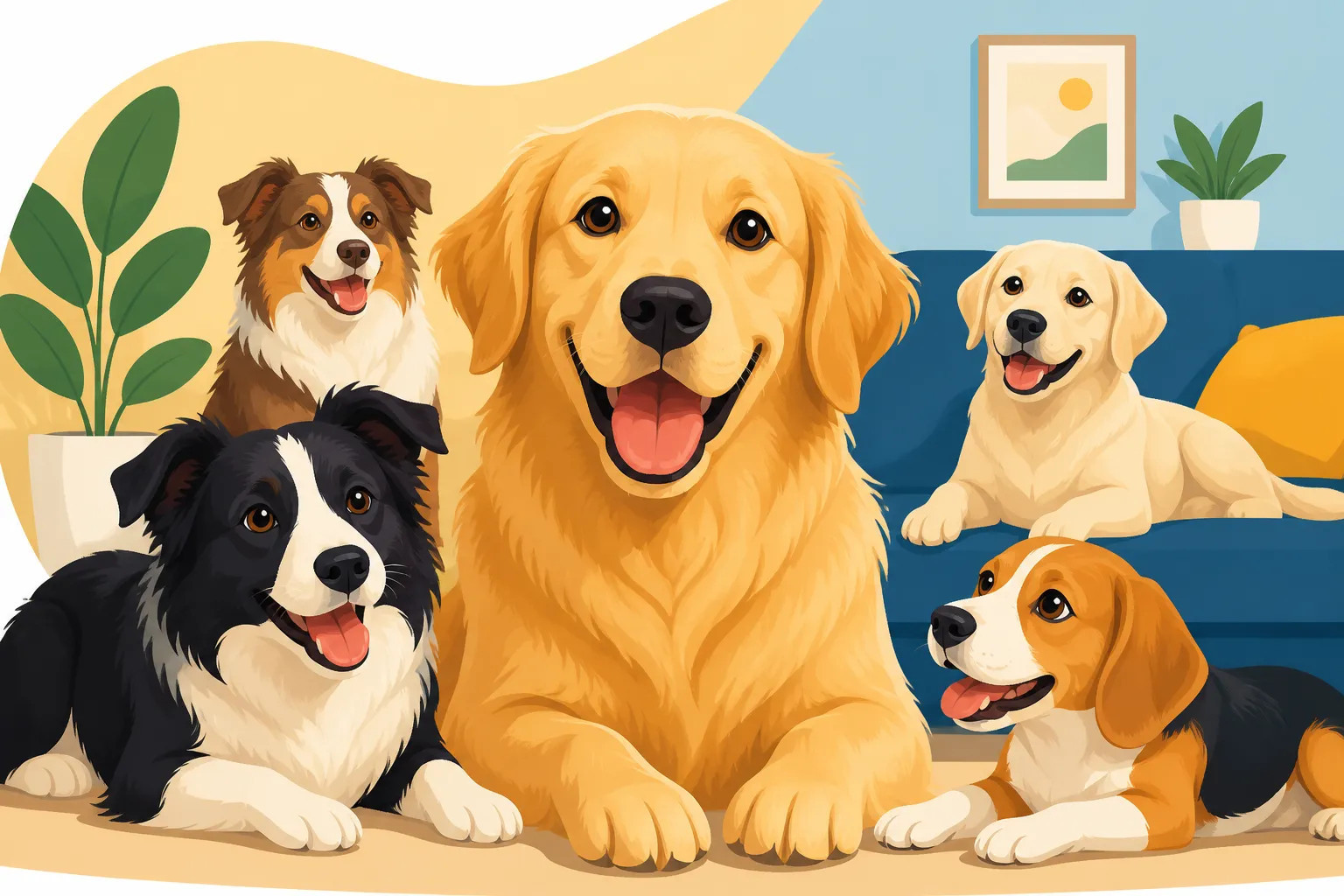
Golden Retrievers in Homes With Multiple Dogs
Bringing a new dog into a home where another furry family member already reigns can be a mix of excitement and apprehension. Many of us dream of a multi-dog household, especially with the famously friendly Golden Retriever, but the reality of ensuring everyone gets along can feel daunting. This guide is here to walk you through how Golden Retrievers typically fit into existing canine families, offering practical advice for harmonious introductions and a happy, integrated pack.
Understanding the Golden Retriever's Pack Mentality
Golden Retrievers are renowned for their gentle dispositions, intelligence, and unwavering loyalty. These traits make them fantastic family dogs, but how do they translate to living with other canines? Understanding their inherent social nature is the first step to a successful multi-dog household.
Their Natural Affection for Canine Companions
One of the most beloved aspects of the Golden Retriever breed is their generally sociable and non-aggressive nature. They were bred to work closely with humans and other dogs, often alongside fellow retrievers in the field. This history has ingrained in them a strong desire for companionship and a natural inclination towards friendliness. When introduced properly, a Golden Retriever will often welcome another dog into their fold, viewing them as a potential playmate, snuggle buddy, and fellow explorer of all things fun.
It's common for Golden owners to feel a little hesitant about introducing a new dog, worrying about jealousy or squabbles. But more often than not, Goldens thrive on having a canine friend. They appreciate the constant company, the opportunity for interactive play, and the shared experiences that only another dog can provide. This isn't to say every Golden will instantly be best friends with every dog they meet – individual personalities always play a role – but the breed's general tendency leans heavily towards harmonious coexistence. They're often quite forgiving and willing to work things out, which is a huge bonus in a multi-dog setting. You'll often see them initiating play bows or offering a favorite toy, signaling their desire for friendship.
Reading Golden Retriever Body Language with Other Dogs
Even with their friendly nature, understanding your Golden Retriever's body language, and that of their canine companion, is absolutely critical. Dogs communicate constantly, and catching subtle cues can prevent misunderstandings or escalate minor tensions. A Golden's relaxed posture, loose tail wags (not stiff, frantic ones), soft eyes, and an open mouth with a "smile" are all signs of happy, comfortable interaction. Play bows, where they lower their front end and stick their rear in the air, are universal invitations to play.
However, keep an eye out for signs of stress or discomfort. A Golden might yawn excessively, lick their lips, turn their head away, or show a stiff body if they're feeling uneasy. A tucked tail, flattened ears, or an intense, unblinking stare could indicate apprehension or a perceived threat. Sometimes, what looks like rough play might actually be one dog trying to tell the other to back off. If a Golden is consistently rolling onto their back, exposing their belly, but also averting their gaze or trying to get away, they might be showing appeasement rather than inviting belly rubs. Learning these nuances, both in your Golden and the other dog, allows you to step in and redirect situations before they become problematic. For example, if you see one dog stiffen when the other approaches a high-value chew, that's your cue to provide separate, safe chewing spots. Understanding these signals will help you foster positive interactions and ensure everyone feels secure and understood within the pack.
Introducing a Golden Retriever to Your Existing Canine Resident(s)
The first impressions between dogs can set the tone for their entire relationship. Rushing an introduction or forcing interaction in a high-stress environment can create unnecessary tension. A thoughtful, gradual approach is always best.
The Crucial First Meeting Protocol
When you're bringing a new Golden Retriever into a home with an existing dog, the initial meeting should always happen on neutral territory. This means somewhere neither dog considers "theirs," like a local park or a friend's fenced yard. Both dogs should be on separate leashes, handled by calm and confident adults. Keep the first interaction short and positive – think a brief sniff, a little walk side-by-side (giving plenty of space), and then disengage before either dog becomes overwhelmed or stressed. It's much better to end on a good note and leave them wanting more than to push them until an argument breaks out.
Avoid face-to-face greetings initially, as this can be confrontational in dog language. Instead, try parallel walking. This allows them to become aware of each other's presence, scent, and movement without the pressure of direct interaction. After a successful neutral meeting, subsequent interactions can be moved to the home, but with continued supervision and management. Have a separate space prepared for the new Golden – a crate, a room with a baby gate, or a designated area – where they can decompress and feel safe away from the resident dog. This gradual integration helps both dogs adjust to the new dynamic at their own pace.
Managing Resources and Preventing Conflict
One of the biggest areas for potential conflict in a multi-dog household revolves around resources: food, water, toys, beds, and even human attention. Golden Retrievers, while generally easygoing, are still dogs with natural instincts, and some can be prone to Golden Retriever Resource Guarding if not managed carefully. To prevent issues, it's vital to provide ample resources for all dogs, and to make sure they can enjoy them without feeling threatened.
Feeding time is a prime example. Always feed dogs separately, whether in different rooms, in their crates, or at a distance where they can't easily access each other's bowls. This eliminates competition and allows each dog to eat peacefully. The same goes for high-value chews or special toys; offer them when dogs are separated or provide multiple, identical items so there's no reason to fight over one. Ensure there are enough comfortable sleeping spots for everyone, perhaps even one more bed than you have dogs, giving them options. When it comes to attention, be mindful not to shower one dog with affection while completely ignoring the other. Try to give each dog individual quality time, even if it's just a few minutes of petting or a short one-on-one training session. It reassures them that they are still valued members of the family. Utilizing a platform like Chewy can be helpful for finding multiple identical toys or spacious dog beds, ensuring each dog feels they have their own special items.
Navigating Life in a Multi-Dog Golden Household
Once the initial introductions are complete, the real work of living together begins. A happy multi-dog household thrives on routine, fairness, and a consistent approach from you, the human leader of the pack.
Establishing Routine and Individual Attention
Dogs, including our beloved Goldens, are creatures of habit. A predictable daily routine provides a sense of security and stability, which is especially important when you have multiple personalities living under one roof. Consistent feeding times, potty breaks, exercise schedules, and quiet times help everyone understand what to expect. While a shared routine is good, it's equally important to carve out dedicated, individual time for each dog. Just because they have a canine companion doesn't mean they don't still crave that one-on-one bond with you.
This individual attention might look like a solo walk around the block, a focused training session on specific commands, or just quiet cuddle time on the couch without another dog vying for affection. For a Training a Golden Retriever From Puppy to Adult approach, these one-on-one sessions are crucial for reinforcing good behavior and deepening your individual bond. For an older dog, it might be a gentle grooming session or a quiet game of fetch. Goldens are known for How Affectionate Golden Retrievers Are, and they truly cherish these moments. It prevents any dog from feeling overlooked or jealous and reinforces their unique place in the family. This also helps with potential behavioral issues, as a dog acting out might just be seeking some focused attention.
Common Challenges and Troubleshooting Tips
Even in the most harmonious multi-dog homes, challenges are bound to arise. One of the most common issues is differences in play style or energy levels. A young, boisterous Golden Retriever puppy might want to play constantly, while an older, more sedate resident dog prefers quiet naps. This can lead to frustration for both parties. You might see the older dog snapping or grumbling, while the puppy becomes insistent. Another common challenge is minor squabbles over perceived high-value items or prime napping spots.
When these situations arise, intervention is key. First, ensure adequate exercise for all dogs to burn off excess energy, tailoring it to their individual needs. For play mismatches, manage their interactions. Use baby gates or crates to provide "cool-down" periods or quiet spaces for the older dog. Always supervise play, especially with a young Golden, to make sure it remains fair and balanced. Redirect over-zealous play with appropriate toys or a brief training exercise. If a squabble occurs, separate the dogs calmly and assess the situation. Was it over a toy? Was someone in another's personal space? Understanding the trigger helps you prevent future incidents. You might consider specific training to solidify manners, especially if you have adopted an adult Golden Retriever who might have pre-existing habits. Remember, consistency and patience are your best tools in troubleshooting these minor bumps in the road.
Benefits of a Golden Retriever in a Multi-Dog Home
While adding another dog brings its own set of considerations, the rewards, especially with a Golden Retriever, are often incredibly rich and fulfilling for both the dogs and their human companions.
Enhanced Socialization and Play Opportunities
Having a Golden Retriever as part of a multi-dog household offers unparalleled benefits in terms of socialization and physical activity. Dogs are pack animals by nature, and the presence of a canine companion can provide a constant source of mental and physical stimulation that even the most dedicated human simply cannot replicate. A Golden who might be a bit shy on their own can gain confidence from a bolder resident dog, while a puppy will naturally learn appropriate social cues and boundaries from an older, well-adjusted canine mentor. This organic learning process is invaluable for developing a well-rounded, socially adept dog.
Furthermore, a multi-dog home means built-in playmates! Golden Retrievers are known for their love of play, and having another dog to chase, wrestle, and engage in games with can significantly contribute to their overall happiness and well-being. They can burn off energy together in healthy ways, reducing the likelihood of boredom-induced destructive behaviors. Instead of chewing your furniture, they might be wrestling with their buddy or chasing each other in the yard. This constant engagement can also be a huge help if your Golden struggles with Golden Retriever Separation Anxiety Signs, as they have a comforting presence even when you're not home. Websites like Chewy offer a fantastic array of durable toys perfect for multiple dogs, ensuring there are plenty of options for shared fun and individual play.
The Joy of a "Golden Pack"
There's something truly special about observing the unique dynamic of a "Golden Pack," whether it's two Goldens or a Golden alongside other breeds. The bonds that form between resident dogs are often heartwarming to witness. They learn to communicate with each other, developing their own secret language of nudges, glances, and play invitations. You'll often find them curled up together, sharing a bed, or even instinctively coordinating their patrols of the backyard.
The benefits extend beyond just the dogs. For us, their human companions, having multiple dogs can amplify the joy and love in our homes. There's a certain energy and vibrancy that only a multi-dog household can provide. It's a symphony of happy paws, contented sighs, and the occasional synchronized zoomie session. While the thought of Whether Two Golden Retrievers Are Easier Than One might initially seem overwhelming, many owners find that a second, well-introduced dog can actually enhance the quality of life for the first, creating a more balanced and enriched environment. The companionship they provide each other can alleviate boredom and loneliness, allowing for a more serene household even when you're busy. Watching them interact, comfort each other, and simply exist together is a constant source of entertainment and a beautiful testament to the power of canine friendship.
| Introduction Stage | Approach | Goal |
|---|---|---|
| Initial Neutral Meet | On-leash, outside home, brief parallel walk | Positive first impression, low pressure |
| Controlled Home Visits | Leashed inside, separate rooms/crates, supervised play | Gradual exposure to home environment, establish safe zones |
| Unleashed & Supervised | Off-leash in secure area, ample toys/space, short durations | Allow natural interaction, intervene if needed |
| Resource Management | Separate feeding, multiple beds/toys, individual attention | Prevent competition, ensure fairness, reduce conflict |
| Routine & Integration | Consistent schedules, one-on-one time for each dog | Build security, reinforce individual bonds, maintain harmony |
Disclaimer
This article is for general informational purposes only and does not constitute professional advice. Laws, prices and regulations vary by location and change over time. Consult a qualified professional for guidance on your specific situation.