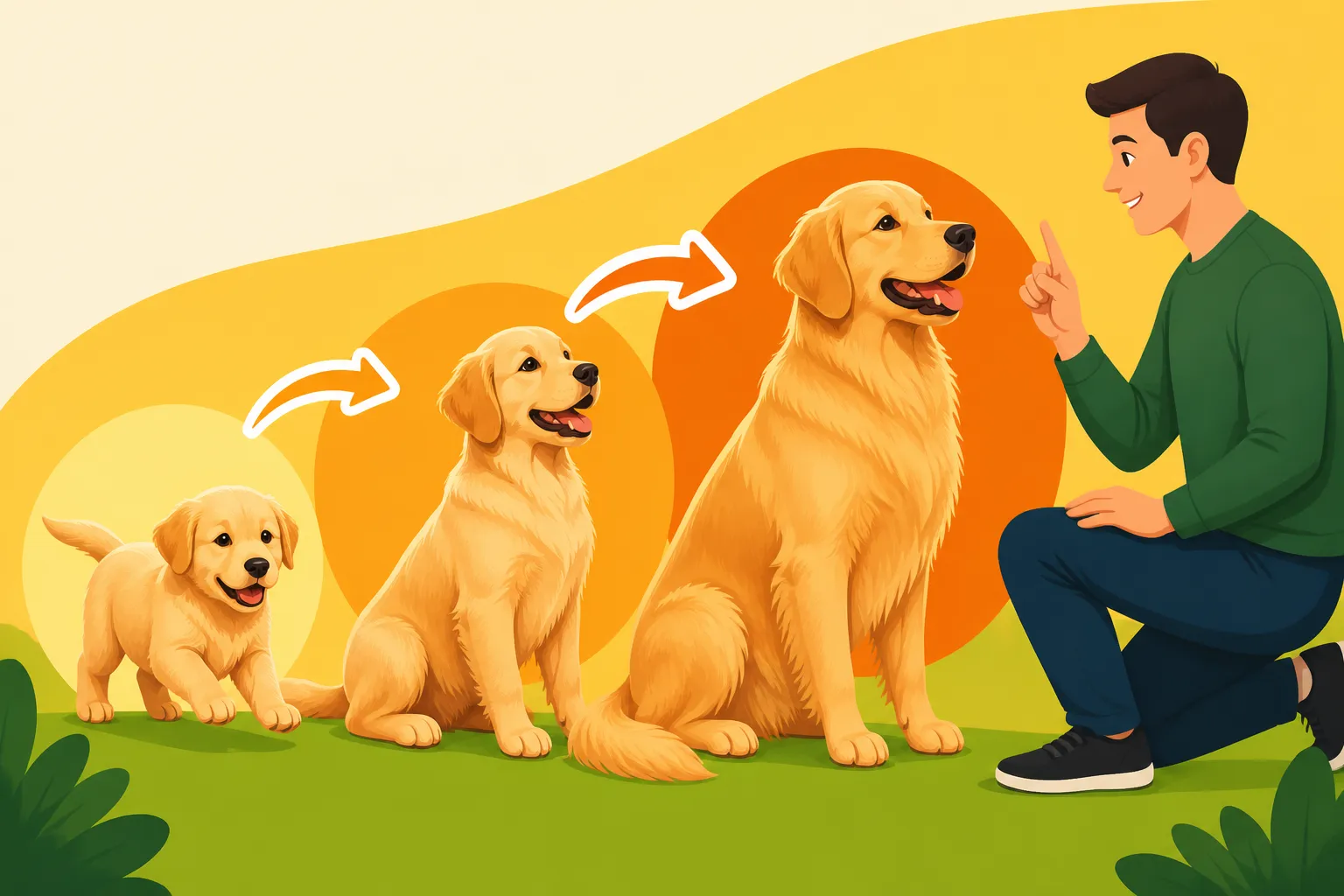
Training a Golden Retriever From Puppy to Adult
Bringing home a Golden Retriever puppy is an incredibly exciting time, full of dreams of a loyal, well-behaved companion. However, the reality of a land-shark puppy, incessant potty accidents, and a dog that pulls like a freight train can quickly dim that vision, leaving many owners feeling overwhelmed and unsure where to start. This comprehensive guide will walk you through the journey of training your Golden Retriever, from those adorable, chaotic puppy days right through to a calm, well-adjusted adult, offering practical advice and empathetic understanding every step of the way.
Laying the Golden Foundation: Early Puppy Training
The moment your Golden Retriever puppy steps paw into your home, the training has already begun. Every interaction, every moment, is a learning opportunity for them, whether you intend it or not. Focusing on positive reinforcement from day one is paramount with this intelligent and eager-to-please breed. They thrive on praise, treats, and affection, and harsh corrections can easily damage their gentle spirit and willingness to work with you.
Understanding Your Golden Retriever's Temperament
Golden Retrievers are renowned for their incredible temperament – often described as friendly, intelligent, and devoted. They were originally bred to be working partners, retrieving game for hunters, and this history means they come hardwired with a desire to please and a strong work ethic. However, it also means they are energetic and require consistent mental and physical stimulation. Don't mistake their sweet nature for passivity; an untrained Golden can quickly become a boisterous, overwhelming family member. Understanding The Golden Retriever Temperament and Personality is the first step to tailoring your training approach.
The Power of Positive Reinforcement
Positive reinforcement isn't just about handing out treats; it's about making desired behaviors rewarding so your puppy is more likely to repeat them. When your puppy sits, you praise and give a treat. When they chew their toy instead of your furniture, you lavish them with attention. This method builds a strong, trusting bond between you and your Golden, making training a joyful experience for both of you. It's not about bribery; it's about communication, clearly showing your dog what you want them to do.
Many new puppy owners find themselves a bit lost on how to implement a consistent positive reinforcement plan. Online resources, like the structured programs offered by BAXTER & Bella, can be incredibly helpful for guidance on scheduling, lesson plans, and troubleshooting specific issues. They can provide a roadmap, especially for those who haven't trained a dog before. Consistency from every family member is crucial; if one person allows a behavior and another corrects it, your puppy will become confused.
Navigating the Naughty Nipping Phase
One of the most common, and often frustrating, puppy behaviors is nipping and biting. Those sharp little teeth can feel like needles, and it's easy to worry that your sweet Golden will grow up to be aggressive. Rest assured, this is a completely normal developmental stage for Golden Retriever puppies. They use their mouths to explore the world and interact with their littermates. Your job is to teach them bite inhibition – how to control the pressure of their bite – and what is appropriate to chew.
Why Golden Retriever Puppies Are So Mouthy
Golden Retriever puppies are indeed notoriously mouthy, a trait that stems directly from their retrieving heritage. They were bred to carry things gently in their mouths, and this instinct starts early. When they're young, they don't have hands, so their mouth is their primary tool for interaction, play, and exploration. Understanding Why Golden Retriever Puppies Are So Mouthy can help you approach this phase with more patience and less frustration. They're not trying to be mean; they're just being a puppy!
Teaching Bite Inhibition
Teaching bite inhibition is crucial. When your puppy nips too hard, let out a high-pitched "yelp!" like a littermate would, and immediately withdraw your attention. This could mean standing up and turning your back, or even leaving the room for 10-20 seconds. This teaches them that hard bites end the fun. If they continue to nip, you can escalate by putting them in a brief "time-out" in their crate or a puppy-proofed area.
Consistency is key here. Everyone in the household, from adults to older children, needs to respond the same way to a painful bite. Once your puppy starts to understand the "ouch" response, you can begin to teach them to bite softer. For example, if they mouth you gently, reward it. The goal isn't to stop them from ever touching you with their mouth, but to teach them to do so softly and appropriately.
Redirecting Nipping to Appropriate Chew Toys
Always have a variety of appropriate chew toys readily available. When your puppy starts to nip your hands or clothes, immediately redirect their attention to a suitable chew toy. Praise them enthusiastically when they take the toy in their mouth. Durable rubber toys, rope toys, and puzzle toys are excellent choices. Rotate their toys regularly to keep them interesting and prevent boredom.
You can find a fantastic selection of durable chew toys on Amazon, often featuring different textures and materials to keep your Golden engaged. Frozen kongs stuffed with peanut butter or plain yogurt can be a lifesaver for redirecting biting, soothing sore gums during teething, and providing mental stimulation. This redirection teaches your puppy that certain items are for chewing, and your hands are not.
Mastering Essential Manners: Potty Training and Crate Success
Potty training and crate training are foundational aspects of raising a well-behaved Golden Retriever. They provide structure, safety, and ultimately, freedom for your dog and peace of mind for you. While these can feel like monumental tasks, with consistency and patience, your Golden will grasp them quickly.
Establishing a Potty Training Schedule
Potty training a Golden Retriever requires vigilance and a strict schedule, especially in the early weeks. Puppies have small bladders and limited control. Take your puppy out frequently: first thing in the morning, after every meal, after naps, after play, and right before bed. Always take them to the same designated potty spot and reward them immediately with praise and a high-value treat the moment they finish. Avoiding punishment for accidents indoors is critical; instead, simply clean up thoroughly and recommit to more frequent outings.
A good rule of thumb is that a puppy can hold their bladder for roughly one hour per month of age, plus one. So, a three-month-old puppy might manage four hours. However, this is just a guideline, and it's always better to take them out more often. Consider reading Potty Training Schedule for a Golden Puppy for a detailed plan. If you live in an apartment, frequent trips outside, even in bad weather, are essential.
Successful Crate Training for Your Golden
Crate training is not just about house training; it provides your Golden Retriever with a safe, den-like space where they can feel secure. A crate should never be used for punishment. Introduce the crate positively by making it comfortable with soft bedding and toys. Feed meals inside, throw treats in, and offer praise when your puppy voluntarily enters. Start with short periods, gradually increasing the time, always ensuring they have recently pottied and are tired.
Your crate should be large enough for your adult Golden Retriever to stand up, turn around, and lie down comfortably. For puppies, look for crates that come with a divider so you can adjust the space as they grow, preventing them from using one end as a potty area. For detailed guidance on this, check out Crate Training a Golden Retriever Puppy. Many owners find that the security and routine of a crate drastically reduce puppy anxiety and destructive chewing, especially when they can't be supervised.
Building a Reliable Companion: Recall and Leash Skills
Two of the most important skills for any dog owner, especially with an active breed like the Golden Retriever, are a rock-solid recall and polite leash manners. These skills ensure your dog's safety and allow you to enjoy walks and adventures without stress.
Mastering the "Come" Command (Recall)
A reliable recall – meaning your Golden comes running every single time you call them – is a lifesaver. Start practicing in a quiet, distraction-free environment. Use a happy, enthusiastic tone and a high-value treat or favorite toy as a reward. As your puppy reliably comes indoors, gradually introduce mild distractions, then move to a fenced yard, and finally to safe, open areas using a long line for control. Never punish your dog if they eventually come after ignoring your call; celebrate their arrival!
Consider varying your location and the distractions you introduce. Start with simple things like calling them away from a toy, then progress to calling them when another dog is across the park (while they're still on a long line, of course). Building Reliable Recall in a Golden Retriever takes time, consistency, and a lot of positive associations. Make coming to you the most wonderful thing in their world.
Teaching Loose Leash Walking
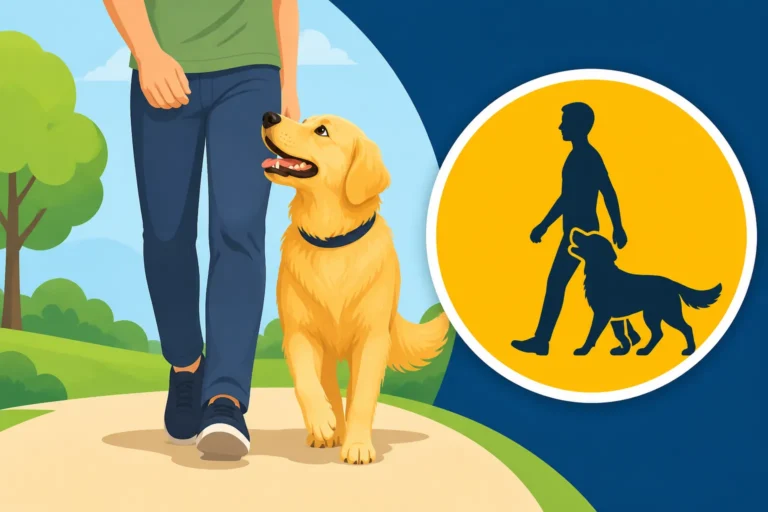
Walking a strong, enthusiastic Golden Retriever who pulls can quickly turn a pleasant stroll into a wrestling match. Teaching loose leash walking early prevents this frustration. The key is to reward your dog for walking with a loose leash, not for pulling. Every time your Golden walks calmly beside you with a slack leash, mark that moment with a "yes!" or clicker and a treat. If they pull, simply stop walking. The moment the leash goes slack, start walking again. This teaches them that pulling gets them nowhere, but a loose leash earns forward momentum and rewards.
Consistency is, once again, crucial. Use a comfortable, well-fitting harness that discourages pulling, such as a front-clip harness, as these often redirect their forward momentum. Avoid retractable leashes, as they actually encourage pulling. For more in-depth techniques, explore Loose Leash Walking With a Golden Retriever. Remember, your Golden wants to explore, and learning to do so politely will make every walk more enjoyable for both of you.
Tackling Adolescent Antics: Jumping, Chewing, and Counter Surfing
Just when you think you've got this puppy thing figured out, your Golden Retriever hits adolescence. This phase, roughly between 6 months and 2 years, often feels like a regression. They might forget all their manners, test boundaries, and suddenly develop new, frustrating habits. Understanding that this is a normal part of development, rather than a sign of a failed training effort, is key to getting through it with your sanity intact.
Stopping the Excitable Jumper
A jumping Golden Retriever, especially a large adult, can easily knock over children or elderly guests. The best way to stop jumping is to prevent it from being rewarded. This means ignoring the jumping behavior completely. When your Golden jumps on you or a guest, turn your back, fold your arms, and completely disengage. Only when all four paws are on the floor do you offer praise and attention.
Teach an incompatible behavior, like "sit," as an alternative. When someone approaches, ask your Golden to sit. Reward them heavily for sitting calmly. Guests need to be consistent too – no petting or acknowledging the dog until they are sitting. It might take a few awkward minutes, but the consistency will pay off. For more tips on managing enthusiastic greetings, you can delve into articles like "Golden Retriever Greeting Manners at the Door."
Preventing Counter Surfing and Food Stealing
Golden Retrievers are notoriously food-motivated, which often translates into skilled counter surfers and opportunistic food thieves. Prevention is your first line of defense: never leave food unattended on counters or low tables. If it's not there, they can't steal it. Beyond prevention, teach a strong "leave it" command. Practice with low-value items on the floor, gradually increasing the value and adding distractions.
When you catch your Golden attempting to counter surf or steal food, calmly interrupt the behavior without scolding (which can make them sneakier). Immediately redirect them to an appropriate chew toy or a designated "place" command. Consistency is vital; if they get a reward even once from the counter, they'll keep trying. For ideas on managing this, "Stopping a Golden Retriever From Counter Surfing" could offer more detailed strategies.
Managing Destructive Chewing
During adolescence, Golden Retrievers still have a strong urge to chew, sometimes even more intensely than as puppies. This isn't out of spite; it's often due to boredom, anxiety, or simply an innate need to exercise their jaws. Provide a plethora of appropriate chew toys, ensuring they are durable and safe for a strong chewer. Puzzle toys that dispense treats can keep them engaged for extended periods.
If you find your Golden chewing on furniture or shoes, immediately redirect them to their own chew toy. Supervise them closely, especially when they are young and unsupervised chewing is most likely to occur. When you can't supervise, use their crate or a puppy-proofed area. This phase can be particularly trying, and specific advice on Golden Retriever Chewing Through Adolescence can provide much-needed support.
Beyond Basic Obedience: Socialization and Advanced Training
Once your Golden Retriever has a grasp on basic manners, the world of advanced training and proper socialization opens up. These next steps are crucial for developing a well-rounded, confident, and happy adult dog who can comfortably navigate various environments and interactions.
The Importance of Socialization Beyond Puppyhood
Socialization isn't just for puppies; it's an ongoing process throughout your Golden's life. While the critical socialization window for puppies closes around 16 weeks, continuing to expose your adolescent and adult Golden to new sights, sounds, people, and friendly dogs in a positive way is essential. This helps maintain their confidence and prevents the development of fear or reactivity. Arrange playdates with known, friendly dogs, visit different parks, and take them on car rides to new places.
Enrolling in group classes, even beyond puppy basics, can be incredibly beneficial. Advanced obedience, agility, or even trick classes provide structured opportunities for socialization and mental enrichment. For new puppy owners, a class often advertised as "Puppy Classes Worth It for a Golden Retriever" can be a foundational step for both training and early socialization. These classes help both you and your puppy build confidence in new situations.
Introducing Your Golden to Children and Other Pets
Golden Retrievers are renowned for being wonderful family dogs, but proper introductions to children and other pets are still vital for safety and harmony. Always supervise interactions between your Golden and children, teaching both to be respectful. Children should learn how to properly pet a dog, avoid bothering them while eating, and understand canine body language. For their part, your Golden should learn to be gentle and patient.
When introducing your Golden to other pets, particularly cats, do so gradually and always on leash initially. Ensure the other pet has an escape route. Reward calm behavior from both animals. Never force interactions. Golden Retrievers can live peacefully with cats and other animals, but it takes careful management and positive reinforcement during the introduction phase to build a foundation of trust.
Exploring Advanced Training and Dog Sports
Golden Retrievers excel in various dog sports and advanced training due to their intelligence and athleticism. Once basic obedience is solid, consider exploring activities like:
- Agility: Navigating obstacle courses with speed and precision.
- Obedience/Rally: Performing precise obedience exercises and following a course of commands.
- Dock Diving: Jumping off a dock into water to retrieve a toy.
- Scent Work: Using their incredible noses to find hidden scents.
- Therapy Work: Sharing their calm, comforting presence in hospitals, schools, or nursing homes. Golden Retriever Therapy Dog Certification Steps can guide you if this interests you.
These activities provide immense mental and physical stimulation, deepen your bond, and showcase the incredible versatility of the breed. They channel that natural retrieving instinct and boundless energy into productive, fun outlets.
Addressing Common Behavioral Challenges
Even with the best training, Golden Retrievers can develop behavioral quirks or challenges. It's important to address these issues promptly and with an understanding of their root cause. Often, behaviors like excessive barking or digging stem from unmet needs for exercise, mental stimulation, or security.
Understanding and Managing Separation Anxiety
Golden Retrievers are highly social dogs and can be prone to separation anxiety, especially if they are left alone for long periods without adequate preparation. Signs can include destructive chewing, excessive barking or howling, inappropriate urination or defecation, or frantic attempts to escape when left alone. This isn't "bad behavior" but a sign of genuine distress. Ignoring Golden Retriever Separation Anxiety Signs will only worsen the issue.
Managing separation anxiety involves gradually increasing alone time, starting with very short durations and building up. Ensure your Golden is well-exercised and has had a potty break before you leave. Provide engaging puzzle toys (which you can find on Amazon) or a long-lasting chew to distract them. Desensitize them to your departure cues (keys jingling, putting on your coat). In severe cases, consult with a professional dog behaviorist or veterinarian for guidance.
Controlling Excessive Barking
Golden Retrievers typically aren't excessive barkers, but they will bark to alert, demand attention, or express boredom. To manage barking, first identify the trigger. Are they barking at people walking past the window? At every noise outside? Or demanding you throw the ball? Once you know the trigger, you can address it.
If it's attention-seeking, ignore the barking until there's a moment of silence, then reward. If it's alert barking at windows, use management like privacy film or teach a "quiet" command: allow a few barks, say "quiet," and then redirect their attention with a treat. If boredom is the cause, increase their exercise and mental enrichment. Remember, a tired Golden is a quiet Golden.
Discouraging Digging Behavior
While not as common in Goldens as some other breeds, some Golden Retrievers will develop a digging habit, especially if left unsupervised in a yard for long periods. This can be due to boredom, trying to cool off in hot weather, or simply enjoying the sensory experience. Instead of punishing the digging, which can just make them sneakier, try redirecting the behavior.
Consider creating a designated "digging pit" in your yard. Loosen the soil, bury some toys or treats there, and encourage your Golden to dig in that specific spot. Reward them when they use the pit. Ensure they have plenty of shade and water in hot weather to prevent them from digging to escape the heat. More importantly, increase their exercise and mental stimulation to combat boredom, which is often the primary driver.
Lifelong Learning: Keeping Your Adult Golden Engaged
Training isn't something you finish when your Golden Retriever turns two. It's a lifelong journey that strengthens your bond, keeps their intelligent minds sharp, and adapts to their changing needs as they age. An engaged Golden is a happy Golden, regardless of their age.
The Power of Mental Stimulation
Golden Retrievers are smart dogs, and physical exercise alone isn't always enough to satisfy them. Mental stimulation is just as crucial. Incorporate daily brain games into their routine. This could include puzzle toys, teaching new tricks, scent work games (like hiding treats around the house for them to find), or even just practicing existing commands in novel environments.
Consider varying your walks to new locations, allowing them to sniff and explore different scents. Enrichment toys, easily found on Amazon, can keep them occupied and mentally challenged. Regular mental workouts help prevent boredom-related behaviors and keep their minds agile well into their senior years. For more ideas on keeping their minds active, check out Mental Enrichment for a Bored Golden Retriever.
Adapting Training for the Senior Golden Retriever
As your Golden Retriever enters their senior years, their physical capabilities and energy levels will change. Their training should adapt accordingly. While they might not be able to run long distances or jump as high, their minds can still be active. Gentle obedience refreshers, teaching new, low-impact tricks, or engaging in slower-paced scent games can be wonderful ways to keep them mentally stimulated without overtaxing their bodies.
Be mindful of any pain or discomfort they might be experiencing due to arthritis or other age-related conditions. Use positive reinforcement gentle cues, and modify exercises to suit their physical limitations. Training should always be a positive, enjoyable experience. Understanding how to support them in their later years, including their care needs, can be found in our guide on Caring for a Senior Golden Retriever. Their willingness to please never truly fades, but their bodies may need a little extra consideration.
Training Milestones by Age
Here’s a general overview of Golden Retriever training milestones, though every dog is an individual and progresses at their own pace:
| Age Range | Key Training Focus | Common Challenges | Essential Tools |
|---|---|---|---|
| 8-16 Weeks (Puppy) | Foundation: House training, crate training, bite inhibition, socialization, name recognition, "sit," "stay," early recall. | Nipping, potty accidents, crying in crate, short attention span. | Crate, enzymatic cleaner, chew toys, high-value treats, puppy classes, short leash. |
| 4-6 Months | Basic Obedience: Refine all commands, loose leash walking, continued socialization, "leave it," "drop it," coming when called. | Increased energy, more confident nipping, testing boundaries, getting into things. | Front-clip harness, longer line for recall, puzzle toys, regular puppy-proofed space. |
| 6 Months – 1.5 Years (Adolescence) | Adolescent Proofing: Reliable recall with distractions, advanced leash manners, managing excitement, intro to dog sports. | "Teenage regression," selective hearing, jumping, counter surfing, destructive chewing, increased independence. | Long line, higher-value rewards, consistent training sessions, dog sports classes, professional trainer (if needed). |
| 1.5 Years+ (Adult) | Refinement & Engagement: Maintain good manners, advanced tricks, dog sports, therapy work, mental enrichment, public manners. | Boredom-related behaviors, guarding habits, reactivity (if not socialized), stiffness or pain in older adults. | Variety of enrichment toys, regular exercise, continued socialization, senior-friendly activities, vet check-ups. |
Disclaimer
This article is for general informational purposes only and does not constitute professional advice. Laws, prices and regulations vary by location and change over time. Consult a qualified professional for guidance on your specific situation.