Golden Retrievers in Upland and Waterfowl Work
Many Golden Retriever owners today adore these dogs for their gentle nature, boundless affection, and stunning good looks, often seeing them primarily as beloved family companions. However, what many might not realize is that the Golden Retriever's very essence, its history, and many of its cherished traits stem directly from its original purpose: a highly capable and intelligent gundog, specifically bred for retrieving game in diverse and challenging environments. This guide will take a deep dive into the historical and practical roles Golden Retrievers play in both upland bird hunting and waterfowl work, exploring the specific attributes that make them such invaluable partners in the field.
The Golden Retriever's Original Purpose: A Hunter's Companion
The Golden Retriever didn't just appear out of nowhere as a pretty face. They were meticulously developed in the mid-19th century by Lord Tweedmouth at his Guisachan Estate in the Scottish Highlands, with a very clear job description in mind. He needed a dog that could excel in the rough terrain and often cold, wet conditions of his hunting estate, retrieving shot game without damaging it, and doing so with a calm, biddable demeanor.
Bred for Retrieval, Not Just Beauty
Lord Tweedmouth's goal was to create a superior retriever, capable of handling game birds with utmost care. He cross-bred a yellow Tweed Water Spaniel (now extinct, but known for its retrieving ability) with a Wavy-Coated Retriever, and later introduced Irish Setter and Bloodhound lines to enhance scenting ability and bone structure. This careful selective breeding wasn't about appearance; it was about performance. He sought a dog with intelligence, endurance, a strong desire to please, and, critically, a gentle mouth. Where the Golden Retriever Came From can shed more light on their origins.
The result was a dog uniquely suited to the specific demands of hunting. They needed to work closely with their handler, take direction, and possess the stamina to work all day. These foundational traits are still deeply embedded in the breed's DNA, even in those Goldens who have never seen a bird in their lives. Their inherent biddability and desire to retrieve are testaments to this heritage.
The "Soft Mouth" Advantage in Waterfowl
One of the most defining characteristics of a Golden Retriever is its "soft mouth." This isn't just a quaint term; it's a crucial attribute for a gundog. A dog with a soft mouth retrieves game, particularly delicate birds like pheasants or ducks, without crushing or puncturing them. Imagine a hunter spending hours in a blind, waiting for the perfect shot, only for their dog to bring back a ruined bird. That's a huge problem.
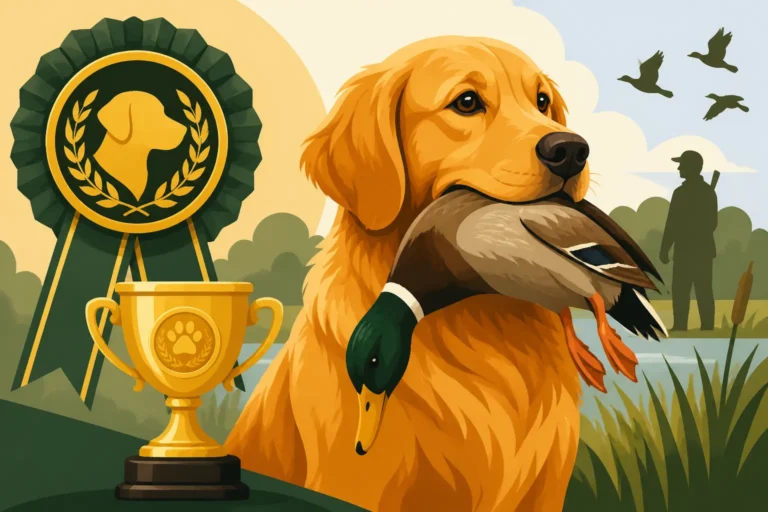
Golden Retrievers are trained and bred to pick up a bird gently, carrying it securely but without applying excessive pressure. This skill is paramount in waterfowl hunting where ducks and geese are often retrieved from water and need to be presented to the hunter in good condition. The dog's ability to hold a raw egg without breaking it is often used as a demonstration of this remarkable trait, though it's a parlor trick more than a training technique. Why Golden Retrievers Have Soft Mouths dives deeper into this unique trait.
Unwavering Temperament Under Pressure
Hunting, especially waterfowl hunting from a blind, can be a high-stress environment. There are sudden loud noises from gunshots, the excitement of falling birds, and often long periods of waiting in between. A gundog needs to remain calm, focused, and steady, even amidst this chaos. A dog that whines, breaks early, or is easily spooked can ruin a hunt for everyone.
Golden Retrievers are renowned for their stable and even temperaments. This inherent calm allows them to remain quiet and attentive in a duck blind for hours, then explode into action when commanded. They possess a remarkable ability to switch from patient waiting to intense focus and drive. This mental fortitude is what makes them such reliable partners in the field, capable of handling pressure without becoming overwhelmed or disobedient.
Golden Retrievers in Waterfowl Hunting
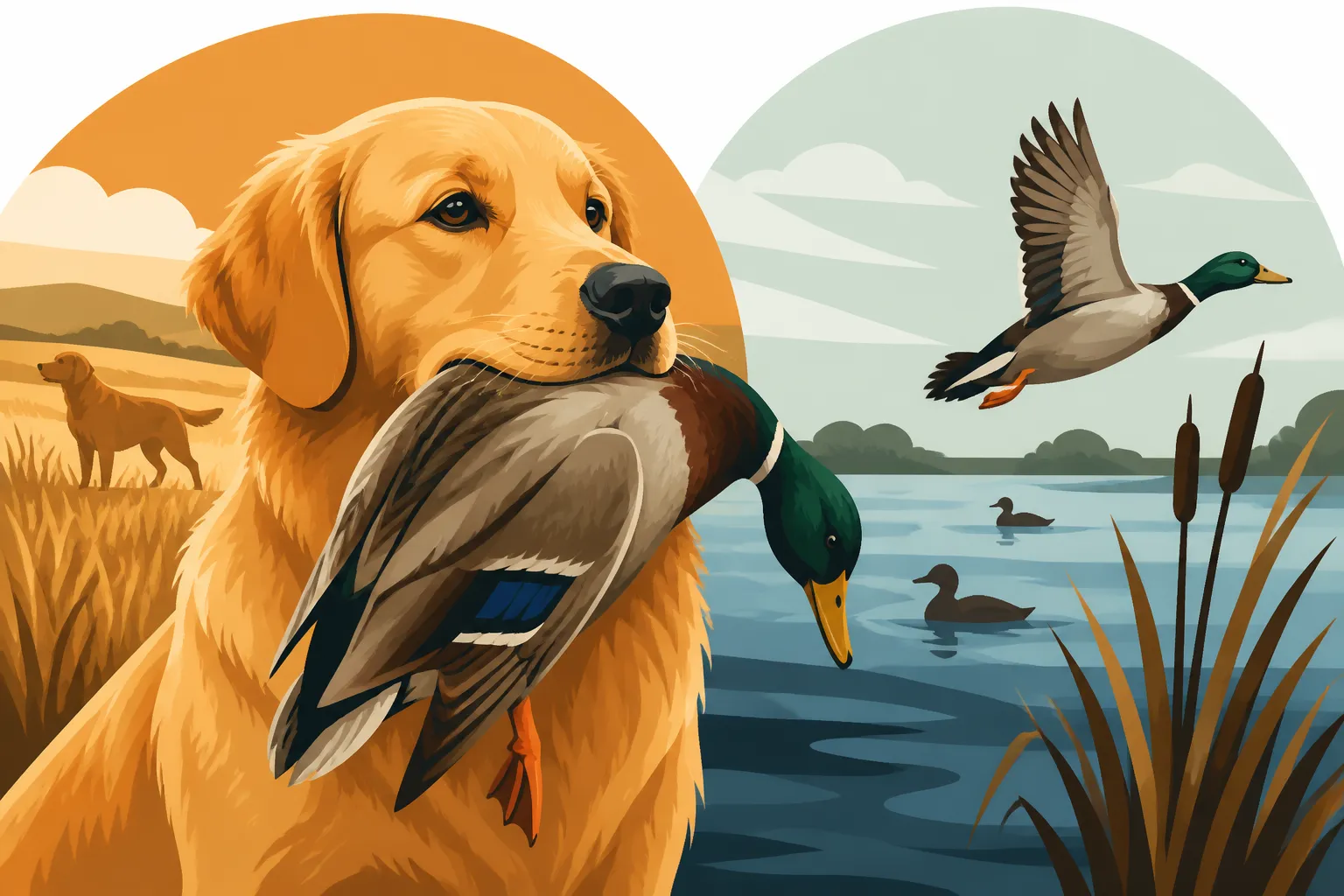
When you picture a Golden Retriever, often you'll imagine them happily splashing in water. This isn't just a cute quirk; it's a direct link to their history as exceptional waterfowl retrievers. They were quite literally built for the job.
Braving the Elements for the Retrieve
Waterfowl hunting often means working in cold, icy, and challenging conditions. Ducks and geese are shot over ponds, lakes, rivers, and marshes, requiring a dog to dive into frigid water and swim long distances to retrieve. This is where the Golden Retriever's physical attributes truly shine. Their dense, water-repellent double coat provides excellent insulation against the cold, allowing them to remain warm even after repeated plunges into icy water. What Makes a Golden Retriever's Coat Water Resistant explains this further.
Furthermore, their strong, muscular build and powerful swimming ability make navigating difficult aquatic environments seem effortless. They are tireless in their pursuit, driven by their innate desire to retrieve. It’s not uncommon to see a Golden break through thin ice or power through strong currents, all in the service of bringing back a downed bird.
Marking and Memory: Essential Waterfowl Skills
Waterfowl hunting isn't just about swimming; it demands exceptional intelligence and memory. When multiple birds are shot, a good retriever must "mark" where each bird falls, often simultaneously. This means watching the trajectory of each bird, mentally noting its landing spot, and then retrieving them in order, or as directed by the handler.
Golden Retrievers excel at this. Their keen eyesight allows them to track birds against the sky, and their sharp minds can recall several fall locations. A skilled Golden will retrieve one bird, return it to hand, and then, with a simple cast from the handler, immediately turn and head towards the next marked bird. This ability to remember multiple "marks" is a critical skill that saves hunters immense time and effort in recovering game.
Steadiness in the Blind
A successful waterfowl hunt often hinges on remaining hidden and quiet. Any movement or noise from a dog in the blind can spook incoming birds, sending them flying off and ruining the opportunity. This is why steadiness is such a highly prized trait in a waterfowl retriever. A Golden Retriever is expected to sit calmly and quietly in the blind, even as birds fly overhead, guns are fired, and the excitement builds.
They learn to wait patiently for the command to retrieve, resisting the urge to break early and dash out. This disciplined behavior is a testament to their biddability and their deep desire to please their handler, traits that are a hallmark of the breed. They are masters of composure, even when their instincts are screaming at them to go.
Golden Retrievers in Upland Bird Hunting
While often associated with water, Golden Retrievers are equally adept in upland hunting, working through fields, forests, and thick cover to find and retrieve birds like pheasants, grouse, and quail.
Flushing and Quartering
Upland hunting requires a different set of skills than waterfowl work. Here, the dog often works ahead of the hunter, systematically searching for game birds hiding in vegetation. This is called "quartering," where the dog moves back and forth in a zigzag pattern across a field, covering ground efficiently within gun range.
Once a bird is located, the Golden is trained to "flush" it, meaning to push it out of its hiding spot so the hunter can get a shot. They must do this assertively, but also in a controlled manner, staying within range and responding to the handler's whistles and hand signals. Their natural athleticism and eagerness make them excellent at covering ground and working through dense cover.
Scent Work and Tracking Abilities
Golden Retrievers possess an excellent sense of smell, which is invaluable in upland hunting. They use their noses to locate birds that might be hiding deep within thickets or running ahead on the ground. A good upland Golden will follow a scent trail, pinpointing the bird's location, and then signaling its presence to the hunter.
Their ability to track a wounded bird is also paramount. A bird that is hit but not immediately killed might run or hide. A Golden Retriever's determination and superior scenting ability allow them to follow these faint trails, often through difficult terrain, ensuring that no game is wasted. This tracking skill, honed over generations, makes them incredibly efficient and ethical hunting partners.
Endurance for Long Days in the Field
Upland hunting can be physically demanding, covering miles of varied terrain over several hours. A dog needs incredible stamina and a robust constitution to keep up the pace all day long. Goldens are bred with remarkable endurance, capable of sustained activity without quickly tiring.
Their strong musculature and agile movement allow them to navigate diverse landscapes, from open fields to dense woodlands, without undue fatigue. They are powerful athletes, and a well-conditioned Golden can maintain its enthusiasm and work ethic from dawn till dusk. For a closer look at ensuring your Golden is fit for such work, you might check out Exercise a Golden Retriever Needs Each Day. Quality nutrition is also key for these active dogs, and many owners look to reputable suppliers like Chewy for high-performance dog food that supports their energy levels.
Training a Golden Retriever for Field Work
Training a Golden Retriever for serious field work is a dedicated journey, transforming a natural retriever into a finely tuned hunting machine. It builds upon their innate instincts and refines them into precise, reliable behaviors.
Early Foundations and Socialization
The journey begins early, ideally in puppyhood, with basic obedience and extensive socialization. A Golden Retriever puppy needs to learn critical commands like "sit," "stay," "here" (recall), and "heel" with absolute reliability. These are the building blocks for more complex field work. Training a Golden Retriever From Puppy to Adult covers these initial steps. Equally important is exposure to various environments, sounds, and textures, including gunshots (at a distance initially), water, and different types of cover.
Puppy retrieving games are also introduced early, encouraging their natural desire to fetch while teaching them to deliver items gently to hand. This early foundation instills confidence, builds a strong bond between dog and handler, and prepares them for the rigorous demands of advanced training.
Specific Field Training Regimens
Once basic obedience is solid, specific field training begins. This often includes specialized techniques like "force fetch," which ensures the dog will retrieve on command every time, even if reluctant, and deliver the bird consistently to hand. It's a structured method, not about harshness, but about building total reliability. "Collar conditioning" teaches the dog to respond to electronic collar signals as an extension of the handler's voice and hand signals, ensuring control at a distance.
Drills like "lining" (sending the dog straight out in a specific direction), "casting" (directing the dog left or right), and "blind retrieves" (retrieving a bird the dog didn't see fall, guided solely by the handler) are systematically introduced. These exercises build the dog's focus, independence, and responsiveness, preparing them for real-world hunting scenarios. Many dedicated handlers seek out professional gundog trainers who specialize in retriever work to guide them through these advanced stages.
Maintaining Peak Physical Condition
A Golden Retriever that works in the field needs to be in peak physical condition. This means a carefully managed diet of high-quality dog food to provide sustained energy and proper muscle development. For active working dogs, a formula rich in protein and healthy fats is essential. Choosing Dog Food for a Golden Retriever offers guidance on selecting the right nutrition.
Regular, targeted exercise is also crucial, beyond just casual walks. This includes swimming, long runs, and specific conditioning exercises to build stamina, strength, and agility. A fit dog is less prone to injury and can perform consistently throughout a long hunting day. Regular veterinary check-ups and preventative care are non-negotiable to ensure they remain healthy and ready for action. Why Goldens Need Vet Visits Twice a Year underscores the importance of consistent health monitoring.
The Evolution of the Field Golden Versus the Show Golden
Over the decades, as the Golden Retriever's popularity soared, different breeding goals emerged, leading to distinct "lines" within the breed. Today, you often hear discussions about "field line" Goldens versus "show line" Goldens.
Divergent Breeding Goals
The primary goal for field line breeders remains focused on working ability: drive, intelligence, trainability, and physical stamina for hunting. They prioritize traits that make a dog excel in competitive hunt tests and real-world hunting scenarios. Their breeding decisions are made based on proven field performance.
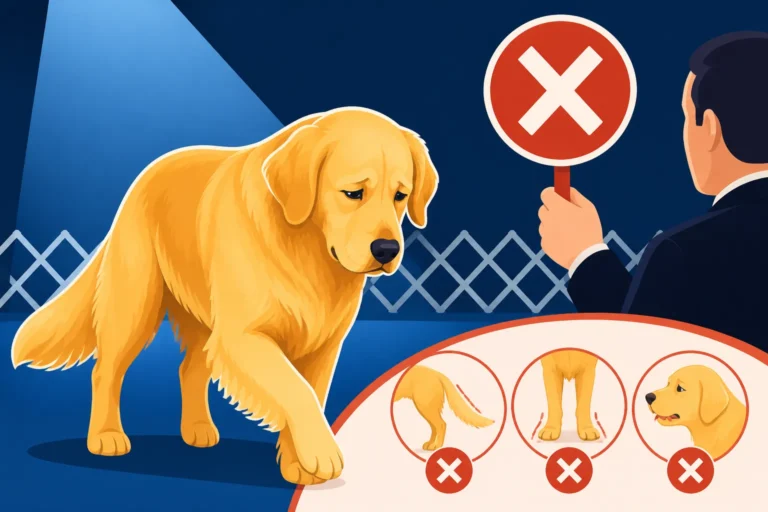
In contrast, show line breeders focus on conforming to the breed standard in terms of appearance and structure, aiming for success in conformation rings. While a good show Golden should still possess a sound temperament and basic retrieving instincts, the emphasis is on aesthetics, gait, and overall conformation. Field, Show and English Cream Golden Retrievers elaborates on these distinctions.
Traits of a Field-Bred Golden
Field-bred Golden Retrievers often have a slightly different look and feel compared to their show-bred cousins. They typically have a more athletic, leaner build, with less bone and slightly shorter, less dense coats, which can dry faster in the field. Their heads may be less "blocky" and their muzzles often a bit longer. Their color can range from very dark red to a lighter gold, but the emphasis is not on specific shades, rather on function.
Temperamentally, field Goldens often exhibit higher drive, more intense focus, and sometimes a more energetic disposition. They thrive on having a job to do and require significant mental and physical stimulation. This high drive, while perfect for the field, means they require an owner committed to providing ample outlets for their energy and intelligence. While all Goldens possess retrieving instincts, it's often more pronounced and easily channeled in a well-bred field line dog.
| Feature | Waterfowl Hunting (Ducks, Geese) | Upland Hunting (Pheasant, Quail, Grouse) | Golden Retriever Strengths |
|---|---|---|---|
| Environment | Cold, icy water; marshes, rivers; blinds | Fields, dense cover, forests, varied terrain | Double coat for cold water, strong swimmer; agile for land. |
| Primary Skill | Marking falls, retrieving from water, steadiness in blind | Scenting, flushing, quartering, tracking wounded game | Excellent memory for marks, keen nose, biddable, high endurance. |
| Key Challenge | Extreme cold, strong currents, multiple falls, long waits | Dense cover, strong winds affecting scent, running birds, varied footing | Physical resilience, mental focus, persistence, athleticism. |
| Temperament | Calm, steady, patient, explosive when commanded | Enthusiastic, keen, focused, responsive to handler signals | Versatile, able to adapt between calm waiting and intense work, strong desire to please. |
| Physical Needs | Insulating coat, powerful swim, stamina | Agility, endurance for covering miles, robust joints | Well-muscled, active, requires specific conditioning for each role. |
Golden Retrievers, whether splashing through an icy marsh or meticulously quartering a field, embody a remarkable blend of athleticism, intelligence, and unwavering loyalty. Their role in upland and waterfowl work is not just a historical footnote but a living tradition, showcasing the breed at its most magnificent. Understanding this deep-rooted heritage enriches our appreciation for every Golden, reminding us that beneath that gentle family companion lies a highly skilled and dedicated gundog, ever ready to answer the call of the wild.
Disclaimer
This article is for general informational purposes only and does not constitute professional advice. Laws, prices and regulations vary by location and change over time. Consult a qualified professional for guidance on your specific situation.