How Often to Clean a Golden Retriever’s Ears
One of the most common worries for Golden Retriever parents, myself included, is keeping those beautiful, floppy ears healthy. It often feels like you're playing a constant game of 'catch up' with moisture, wax, and potential infections, leaving you wondering exactly how often you should be cleaning them. It’s a fine line between diligent care and overdoing it, and frankly, it can be confusing. This guide is going to walk you through everything you need to know about keeping your Golden's ears pristine, preventing those pesky infections, and understanding when to step up your cleaning game (or when to ease back).
Why Golden Retrievers Are Prone to Ear Issues
It’s not just bad luck that our beloved Goldens seem to be more susceptible to ear problems than some other breeds. Their ear structure, a defining characteristic that adds to their charm, is also their Achilles' heel when it comes to ear health. Understanding this anatomical predisposition is the first step toward proactive care.
The Anatomy of a Golden's Ear: Floppy Ears and Hair
Take a moment to truly look at your Golden's ear. Unlike breeds with upright, pricked ears, Golden Retrievers have pendulous, heavy flaps that hang down over the ear canal. This flap acts like a natural curtain, essentially sealing off the ear canal from fresh air circulation. Combine this with the lovely, feathery hair that often grows not just on the outside, but inside the ear canal itself, and you’ve got a recipe for a warm, dark, and often humid environment.
This cozy, cave-like setting is precisely what yeast and bacteria absolutely adore. These opportunistic organisms thrive in such conditions, and a Golden’s ear canal offers them a perfect breeding ground. It’s a constant battle against nature, and it’s why routine care is so vital. If you've ever wondered why your Golden seems to get ear infections more easily than, say, a German Shepherd, this is largely why. It's not a fault in their immune system initially, but rather a design flaw in their otherwise perfect package.
Moisture Trapping and Yeast/Bacterial Growth
Beyond the lack of airflow, the floppy nature of a Golden's ears means they are incredibly effective at trapping moisture. Think about it: your Golden loves to swim, splash in puddles, or even just get wet during a bath. That water can easily get into the ear canal and then struggle to evaporate because the ear flap holds it in. This trapped moisture further exacerbates the warm, dark environment, creating an even more inviting spa day for yeast and bacteria.
When moisture lingers, it raises the humidity inside the ear, allowing microscopic organisms that are normally present in small, harmless numbers to multiply rapidly. This overgrowth leads to irritation, inflammation, and eventually, a full-blown ear infection. It's a frustrating cycle for many Golden Retriever owners, often leading to recurring issues if not managed diligently. The itching and discomfort can become quite severe, and we've all seen our poor Goldens shaking their heads or scratching frantically, wishing we could offer immediate relief.
How Often Should You Clean Your Golden's Ears? The Big Question
This is the million-dollar question every Golden parent asks, and honestly, there's no one-size-fits-all answer. It truly depends on your individual dog, their lifestyle, and their health history. However, we can break it down into general guidelines that will help you create a personalized routine.
Routine Cleaning for Healthy Ears
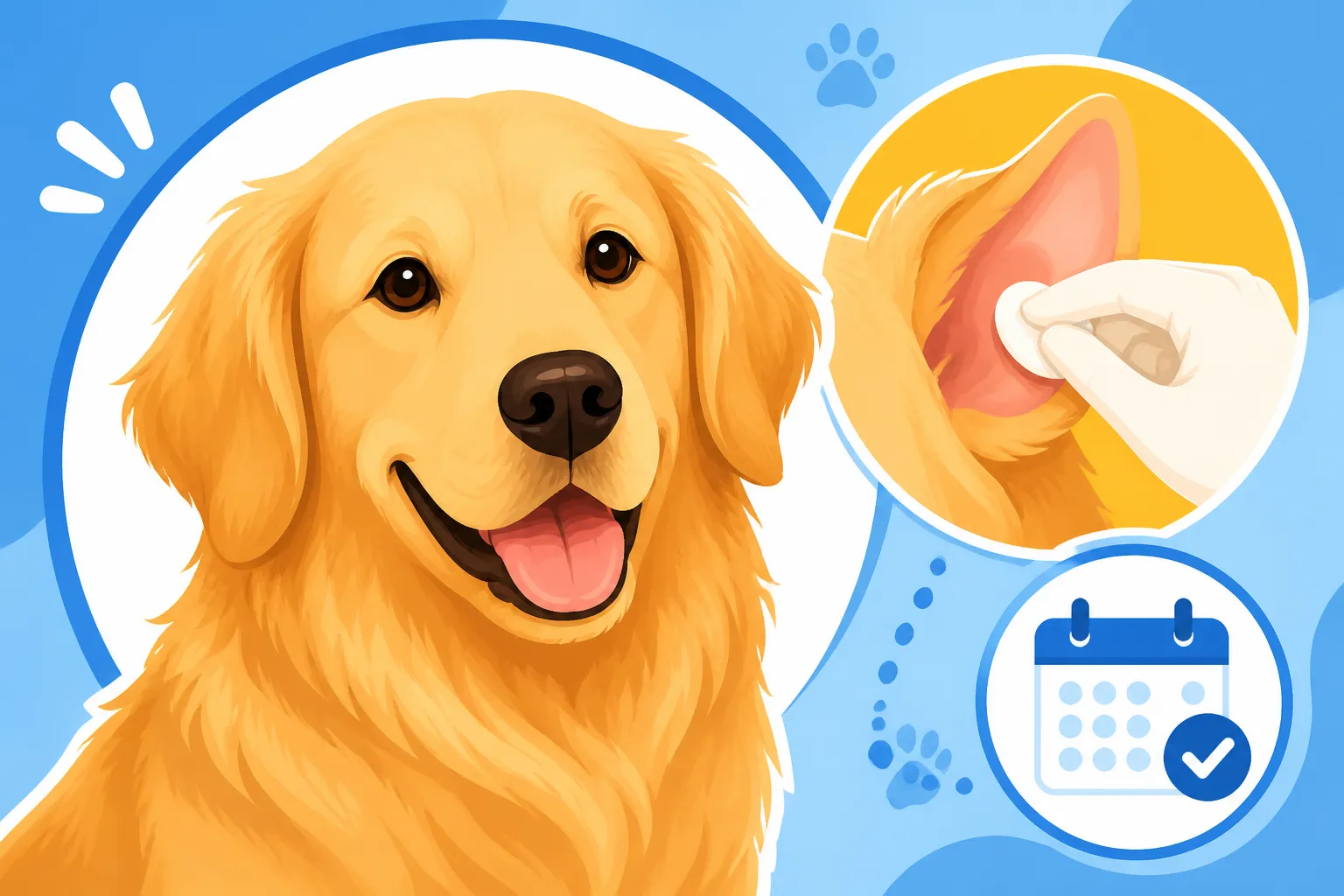
For a Golden Retriever with generally healthy ears – meaning no history of chronic infections, no excessive wax buildup, and no apparent discomfort – a routine cleaning every 2 to 4 weeks is usually a good starting point. This schedule allows you to regularly remove any accumulated dirt, debris, and normal ear wax before it becomes problematic. It's a preventative measure, much like brushing your dog's teeth or regular grooming.
Think of it as part of their regular spa day. You might do it after a bath, or simply as a dedicated task once or twice a month. The goal here isn't to eradicate every speck of natural ear wax, which actually plays a protective role, but to prevent an excessive buildup that could lead to trouble. This routine also gives you an excellent opportunity to visually inspect your Golden's ears and get familiar with what a healthy ear looks and smells like. Early detection of any changes is crucial, and you'll be able to spot subtle shifts long before they escalate into something more serious.
Increased Frequency for Active or Prone Dogs
Now, if your Golden Retriever falls into certain categories, you'll need to increase the frequency of ear cleaning. This is where the 'one-size-fits-all' really breaks down.
- The Avid Swimmer: If your Golden is a water dog – and let's face it, most Goldens are! – spending a lot of time in lakes, rivers, or even your backyard pool, their ears need extra attention. Water trapped in the ear canal is a huge culprit for infections. For these Goldens, cleaning after every swimming session, or at least daily during periods of frequent swimming, is highly recommended. It’s about quickly drying out that ear canal to prevent yeast and bacteria from seizing the opportunity to multiply. You can also try using a specifically formulated ear drying solution after they emerge from the water. Remember, even a quick dip can introduce enough moisture to cause issues.
- Goldens Prone to Infections: Some Goldens, despite your best efforts, just seem to be more susceptible to ear infections, whether it's due to allergies, genetics, or previous unresolved issues. If your vet has identified your dog as prone to ear problems, they might recommend a weekly or even twice-weekly cleaning schedule. This consistent care helps manage the environment inside the ear, keeping those problematic organisms at bay. You'll likely be using a vet-prescribed ear cleaner designed to address specific issues, rather than just a general maintenance solution. This might also be a sign to delve deeper into potential underlying causes, such as food or environmental allergies, which often manifest as ear issues. Golden Retriever Food and Skin Allergies can offer more insights into this connection.
- Dogs with Excessive Wax or Hair: Some Goldens naturally produce more ear wax, or have thicker hair growth within their ear canals. For these dogs, even if they aren't prone to full-blown infections, increased cleaning frequency (perhaps weekly) can prevent uncomfortable blockages and maintain better hygiene. It's important to remember that excessive hair in the ear canal can also be carefully plucked by a groomer or vet to improve airflow, which can dramatically reduce the need for constant cleaning.
When Cleaning Too Often Can Be Detrimental
While the emphasis is often on enough cleaning, it's also possible to overdo it, which can actually cause more harm than good. Excessive cleaning, especially with harsh solutions or rough techniques, can irritate the delicate skin lining the ear canal. This irritation can lead to inflammation, making the ear more susceptible to infection rather than less. It can disrupt the natural protective barrier of the ear and strip away beneficial oils, leaving the ear vulnerable.
If you notice your Golden's ears becoming red, tender, or developing a strong odor after you've cleaned them, you might be cleaning too frequently or using a product that's too harsh. It's always a good idea to consult your veterinarian if you're unsure about the right frequency or technique, especially if your dog's ears seem chronically irritated. They can help you find a balance that promotes health without causing undue stress or damage to the ear canal.
Recognizing the Signs of an Impending Ear Infection
As diligent as we try to be with cleaning, sometimes an ear infection still creeps in. The good news is that Golden Retrievers are usually pretty clear about their discomfort, and knowing what to look for can help you catch an infection early, leading to quicker treatment and less suffering for your beloved companion. Early detection can save a lot of pain and potentially more expensive veterinary interventions down the line.
Visual Cues: Redness, Swelling, Discharge
One of the first things you'll likely notice when checking your Golden's ears (which you'll be doing regularly now, right?) is a change in appearance. A healthy ear canal should be a nice, pale pink, without any obvious redness or swelling. When an infection is brewing, you might see:
- Redness: The skin inside the ear flap and within the canal itself will look inflamed, taking on a more vivid pink or even reddish hue. This is a classic sign of irritation.
- Swelling: The tissues might appear puffy or thickened. In severe cases, the entire ear flap can feel warmer to the touch than the surrounding skin.
- Discharge: This is a big one. Healthy ears typically have minimal, light brown wax. With an infection, you might see an increase in ear wax, and it can change in color and consistency. It could be dark brown, black, yellowish, or even greenish. The texture might be thick, waxy, pus-like, or even crumbly. Pay close attention to this, as different types of discharge can hint at yeast versus bacterial infections.
Remember, a little bit of normal ear wax is fine, but any significant changes in quantity, color, or texture are definite red flags.
Olfactory Warnings: That Unmistakable Stink
Your nose is a powerful diagnostic tool when it comes to Golden Retriever ears. A healthy ear should have a very faint, almost neutral smell. If you catch a whiff of something decidedly unpleasant coming from your dog's ear, an infection is almost certainly at play.
Common odors associated with ear infections include:
- Yeasty smell: Often described as smelling like stale bread, mushrooms, or even a dirty sock. This is a tell-tale sign of a yeast infection, which is incredibly common in Goldens.
- Foul or putrid smell: A more pungent, almost rotten odor usually indicates a bacterial infection, which can sometimes be more serious and require specific antibiotic treatment.
Don't ignore a suspicious smell, even if you don't see overt visual signs yet. Often, the odor is one of the very first indicators that something is amiss deep within the ear canal.
Behavioral Changes: Head Shaking, Itching, Pain
Beyond what you see and smell, your Golden's behavior will often be the loudest alarm bell. They can't tell you in words that their ear hurts, but they'll certainly show you.
Look out for these common behavioral changes:
- Head shaking: This is probably the most common sign. Your Golden will shake their head repeatedly, often with great force, trying to dislodge the discomfort.
- Excessive scratching: They'll use their back paws to scratch at the affected ear, sometimes to the point of breaking the skin and creating secondary infections or "hot spots" around the ear. Golden Retriever Hot Spots and What Causes Them details this type of skin irritation.
- Rubbing ears: They might rub their head against furniture, the carpet, or even your leg, trying to get relief.
- Pain or sensitivity: If your Golden cries out, pulls away, or even snaps when you try to touch or examine their ear, it's a clear sign of pain. This can be especially heartbreaking to witness.
- Tilting head: They might hold their head to one side, favoring the unaffected ear.
- Lethargy or changes in appetite: In more severe cases, or if the infection is causing a lot of discomfort, your Golden might seem generally unwell, less active, or even lose interest in food.
If you notice any of these signs, it's time to call your veterinarian. Don't try to self-diagnose or treat a suspected infection with home remedies. A vet needs to properly identify the type of infection (yeast, bacteria, mites, foreign body) to prescribe the correct medication. Delaying treatment can lead to a more entrenched infection, greater pain for your dog, and potentially more serious complications. Vet Costs for a Golden Retriever Ear Infection can give you an idea of what to expect if a vet visit is needed.
Step-by-Step Guide to Cleaning Your Golden's Ears Safely
Now that you know why and when to clean, let's talk about the how. Approach this with patience and gentleness, and remember that positive reinforcement is key. Your Golden might not love ear cleaning at first, but with a calm demeanor and some tasty treats, it can become a tolerable, even positive, experience.
Gathering Your Supplies
Before you even call your Golden over, get everything ready. This makes the process smoother and less stressful for both of you. You'll need:
- A veterinarian-approved ear cleaner: This is crucial. Don't use rubbing alcohol, hydrogen peroxide, or plain water, as these can irritate the ear canal. Your vet can recommend a good general-purpose cleaner or a specific one if your Golden has particular issues. You can find many reputable brands on Chewy or Amazon. Look for cleaners designed to break down wax and dry the ear canal.
- Cotton balls or gauze squares: Avoid cotton swabs (Q-tips) for cleaning inside the ear canal. They can push debris further down and potentially damage the eardrum. Cotton balls or gauze are perfect for wiping the outer parts and catching excess cleaner.
- Plenty of treats: High-value treats are your best friend here.
- A towel: To catch any drips and for a general cleanup.
- Optional: A helper: Especially if your Golden is new to ear cleaning, an extra pair of hands can be invaluable to keep them steady and distracted with praise and treats.
The Gentle Cleaning Process
With your supplies ready, find a quiet, well-lit spot where you and your Golden can be comfortable.
- Examine the Ear: Gently lift your Golden's ear flap and take a good look inside. Note the color of the skin, any discharge, or unusual odors. This brief inspection helps you assess the current state and decide if a vet visit is needed instead of just a cleaning.
- Apply Cleaner: Hold the ear flap up and carefully squirt the ear cleaner directly into the ear canal until it's full, or almost full. Don't be shy; you need enough liquid to flush out debris. Most Goldens will tolerate this well, but some might flinch initially due to the cold sensation.
- Massage the Base: Gently massage the base of your Golden's ear for about 20-30 seconds. You should hear a squishing sound, which means the cleaner is working its way down and loosening wax and debris. This massage also helps the cleaner penetrate all the nooks and crannies.
- Allow Them to Shake: Step back and let your Golden shake their head vigorously. This is a natural instinct, and it helps dislodge the cleaner and ear wax. It can get a little messy, so have that towel ready!
- Wipe Away Debris: After the head shake, use a cotton ball or gauze wrapped around your finger to gently wipe out any visible dirt, wax, and cleaner from the outer ear canal and the underside of the ear flap. Only clean as far as your finger can comfortably reach. Never force anything into the ear canal. You should see a good amount of debris on the cotton ball, which is exactly what you want! Repeat with fresh cotton balls until they come out relatively clean.
- Praise and Reward: Lavish your Golden with praise and give them several of those high-value treats. Make it a positive experience so they associate ear cleaning with good things.
If you are struggling or your Golden is particularly resistant, consider seeking guidance from your vet or a professional groomer. They can show you the correct technique and help build your dog's tolerance.
Rewarding a Cooperative Golden
This step isn't just a nicety; it's essential for long-term success. Every time you clean your Golden's ears, even if it's a quick wipe, end it with a positive experience. This means:
- Verbal Praise: Use a happy, encouraging tone throughout the process.
- High-Value Treats: Think small pieces of cooked chicken, cheese, or their absolute favorite training treats. Offering these during and immediately after the cleaning helps create a positive association.
- Playtime or Cuddles: Follow up with something they genuinely enjoy, whether it's a quick game of fetch (maybe with their favorite Chew Toys That Survive a Golden Retriever) or a relaxed cuddle session.
By making ear cleaning a consistently positive event, you'll find that your Golden becomes more cooperative over time, making the whole process less stressful for everyone involved. Consistency and positive reinforcement are your allies here.
Beyond Cleaning: Preventing Ear Problems in Goldens
While regular cleaning is a cornerstone of ear health for Golden Retrievers, it's just one piece of the puzzle. A holistic approach to prevention involves several other key practices that can significantly reduce the incidence of ear infections.
Thorough Drying After Water Activities
This point cannot be stressed enough, especially for our water-loving Goldens. Whether they've been swimming in the ocean, a pond, or just had a bath, ensuring their ears are thoroughly dry is critical. Trapped moisture is an open invitation for yeast and bacteria to proliferate, turning a fun splash into a painful infection.
After any water exposure, gently blot the inside of your Golden's ear flap with a soft, absorbent towel. You can also use a cotton ball to carefully dry the outer part of the ear canal, again, only as far as your finger can reach. Some owners even use a low-setting hairdryer (held at a safe distance and never pointed directly into the canal) to help dry the area, but be very cautious not to burn or startle your dog. Specialized ear drying solutions are also available, which can be squirted into the ear after swimming to help evaporate any lingering moisture. Incorporating this simple step into your post-swim routine can dramatically cut down on ear infection risks. Read more on Drying a Golden Retriever's Ears After Swimming.
Regular Vet Checks and Proactive Care
Even with the most diligent home care, regular veterinary check-ups are indispensable for your Golden Retriever's ear health. Your vet can perform a thorough examination using an otoscope, which allows them to see deep into the ear canal and check the eardrum, spotting issues that you might miss. They can identify early signs of inflammation, excessive wax buildup, or even foreign objects that could be lodged inside.
During these visits, discuss any concerns you have, no matter how minor. Your vet can also recommend specific ear cleaners tailored to your Golden's needs or suggest plucking excessive hair from the ear canal if it's contributing to problems. Proactive care, including routine screenings, can catch potential issues before they become full-blown crises, saving your dog discomfort and you potential emergency vet bills. Why Goldens Need Vet Visits Twice a Year offers a broader perspective on the importance of regular health assessments.
Diet and Allergy Management
It might seem unrelated, but diet and allergies play a huge role in the recurring ear infections many Goldens experience. Just like people, dogs can suffer from environmental allergies (pollen, dust mites) or food allergies, and often, the most prominent symptom of these allergies is skin inflammation and ear infections. When a Golden has an allergic reaction, their immune system can go into overdrive, leading to inflammation and increased wax production in the ears, creating that perfect storm for yeast and bacteria.
If your Golden is experiencing chronic or recurrent ear infections, it's crucial to work with your vet to explore potential underlying allergies. This might involve:
- Elimination diet trials: To identify potential food sensitivities. Brands like Ollie, which offer fresh, limited-ingredient options, can sometimes be useful in such trials, but always consult your vet before making significant dietary changes.
- Allergy testing: To pinpoint environmental allergens.
- Medication: To manage allergic reactions, which in turn reduces ear inflammation.
Addressing the root cause of the allergies can be far more effective in preventing ear infections than simply treating each infection as it arises. A healthy diet contributes to a stronger immune system and overall skin health, making your Golden less susceptible to these issues. Golden Retriever Skin, Ear and Allergy Problems delves deeper into these connections.
Here’s a quick overview of ear cleaning frequency based on different scenarios:
| Scenario | Recommended Cleaning Frequency | Notes |
|---|---|---|
| Healthy, Low-Risk Golden | Every 2-4 weeks | General maintenance, removes minor debris and wax. |
| Avid Swimmer Golden | After every swim / Daily | Critical for drying out ear canal, preventing moisture-related infections. |
| Golden Prone to Infections | Weekly / Twice-Weekly | Proactive management, often with vet-prescribed solutions. Consider underlying causes like allergies. |
| Excessive Wax/Hair Golden | Weekly | Prevents buildup, improves airflow. May also benefit from professional hair plucking. |
| Active Infection (Treated by Vet) | As directed by vet | Follow veterinary instructions strictly. Over-cleaning can hinder healing. |
Taking a comprehensive approach that includes attentive cleaning, post-water drying, regular vet check-ups, and addressing underlying allergies will give your Golden Retriever the best chance at a lifetime of healthy, happy ears. It’s a bit of work, but seeing your furry friend comfortable and pain-free is always worth it.
Disclaimer
This article is for general informational purposes only and does not constitute professional advice. Laws, prices and regulations vary by location and change over time. Consult a qualified professional for guidance on your specific situation.