Hot and Cold Weather Care for Goldens
It's incredibly challenging to watch your beloved Golden Retriever struggle with the weather, whether they’re panting heavily after a short walk on a humid day or shivering despite their thick coat during a winter chill. Goldens, with their luxurious double coats and joyful, energetic dispositions, have specific needs when it comes to temperature regulation, and understanding how to protect them from both scorching heat and biting cold is a huge part of responsible ownership. This comprehensive guide will walk you through everything you need to know about keeping your Golden Retriever comfortable and safe year-round.
Understanding Your Golden Retriever's Natural Insulation
Golden Retrievers are renowned for their stunning coats, which are a defining characteristic of the breed. However, this beautiful fur isn't just for looks; it's a highly sophisticated natural insulation system. Understanding how your Golden's coat works is the first step in providing them with proper Hot and Cold Weather Care for Goldens.
The Marvel of the Double Coat
Your Golden Retriever's coat is a marvel of natural engineering, perfectly designed for their original purpose as retrieving dogs in varying climates. It consists of two distinct layers, each with its own crucial function. The outer coat, often called the guard coat, is made up of longer, water-repellent hairs that are slightly wavy or straight. These hairs act like a protective shield, shedding water, dirt, and even snow. This outer layer prevents moisture from reaching the skin, which is vital for keeping them dry and preventing skin irritation.
Beneath this guard coat lies the undercoat, a dense, soft, and fluffy layer of fur. This is where the primary insulation magic happens. The undercoat traps air close to the dog's body, creating a thermal barrier that keeps them warm in cold weather. In warmer weather, this same undercoat helps to keep them cool by preventing heat from penetrating down to the skin and by allowing air to circulate. Think of it like a personal climate control system, adapting to the ambient temperature. It's a misconception that this undercoat is solely for warmth; it's also key to Golden Retriever Heat Tolerance and Overheating by providing a buffer against the sun's rays.
How Goldens Regulate Body Temperature
Beyond their incredible coats, Golden Retrievers, like all dogs, employ several physiological mechanisms to regulate their body temperature. When it's hot, the primary way Goldens cool down is through panting. Unlike humans, dogs don't sweat efficiently through their skin; instead, they rapidly exchange air in their lungs, evaporating moisture from their tongue and respiratory tract. This evaporation helps dissipate heat. You might also notice them seeking shade or lying on cool surfaces, spreading out to maximize contact with cooler ground.
In the cold, their double coat is their first line of defense, trapping body heat. They might also curl up tightly, reducing their exposed surface area to conserve warmth. Shivering is another natural response to cold, as muscle contractions generate heat. However, these natural mechanisms have their limits. A Golden Retriever's ability to maintain a comfortable body temperature can be overwhelmed by extreme conditions, making owner intervention crucial for their safety and comfort.
Misconceptions About Shaving a Golden
It's a common, yet harmful, misconception that shaving a Golden Retriever in the summer will help them stay cooler. Many well-meaning owners believe they are providing relief from the heat by removing their thick coat. However, as we just discussed, the double coat is designed to insulate both from cold and heat. Shaving removes this natural protection, actually exposing their delicate skin to direct sunlight, which can lead to sunburn and an increased risk of skin cancer.
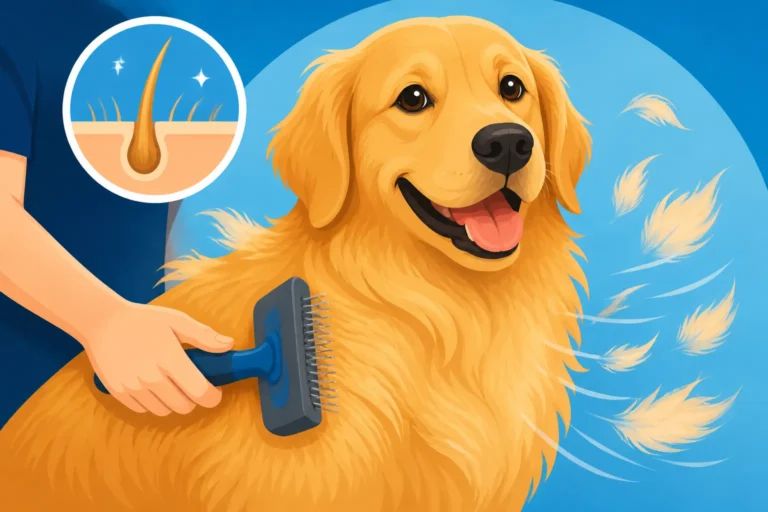
Furthermore, a shaved coat can grow back unevenly, sometimes damaging the texture and integrity of the undercoat. This can compromise its insulating properties in the long run. Instead of shaving, proper grooming, which involves regular brushing to remove loose undercoat, is far more effective. This allows for better air circulation close to the skin without stripping away their vital sun and heat protection. If you're considering shaving, please read Why You Never Shave a Golden Retriever to understand the full implications.
Keeping Your Golden Retriever Cool in Summer
Summer is a wonderful time for outdoor adventures with your Golden, from lakeside swims to long hikes. However, their thick coats and enthusiastic nature can make them susceptible to overheating. It's vital to be vigilant and proactive in hot weather.
Recognizing the Signs of Overheating
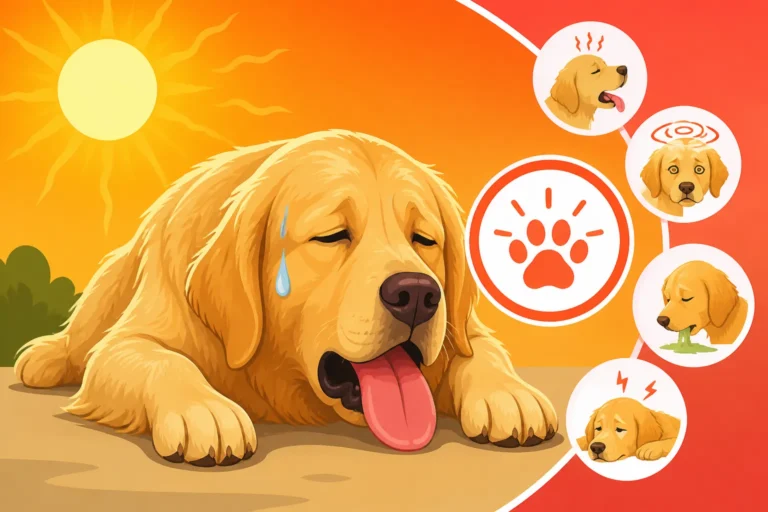
One of the most critical aspects of summer care is knowing how to spot the signs of heatstroke. Goldens, with their dense fur, can quickly reach dangerous body temperatures if not properly monitored. Early signs of overheating include excessive panting, often more rapid and labored than usual, and heavy drooling. Their gums might appear bright red initially, then turn pale or even bluish as their condition worsens. They may also become lethargic, weak, and unsteady on their feet.
As heatstroke progresses, symptoms can become more severe, including vomiting, diarrhea, seizures, and collapse. It’s a frightening situation, and immediate action is required. If you notice these signs, especially after exercise or prolonged sun exposure, move your Golden to a cooler environment immediately, offer small amounts of water, and use cool (not icy) water to wet their fur, focusing on their belly, paw pads, and armpits. Call your vet without delay, as heatstroke is a life-threatening emergency. Knowing Signs of Heatstroke in a Golden Retriever could save your dog's life.
Essential Strategies for Summer Safety
Preventing overheating is always better than treating it. During summer, adjust your Golden's exercise schedule to early mornings or late evenings when temperatures are cooler. Avoid the hottest parts of the day altogether. Always carry fresh water for them, even on short walks, and offer frequent breaks in the shade. Investing in a portable water bottle with an attached bowl can be incredibly helpful. On sites like Amazon or Chewy, you can find a variety of lightweight, collapsible bowls perfect for on-the-go hydration.
Another crucial consideration is pavement temperature. What feels warm to your hand can be scalding hot to your Golden's paw pads. Test the pavement with the back of your hand; if you can't hold it there for five seconds, it's too hot for your dog's paws. Stick to grass or dirt paths, or consider paw protection like booties for walks on hot surfaces. Our article on Hot Pavement and a Golden Retriever's Paws offers more detailed advice. Cooling vests, bandanas, or mats can also provide temporary relief after walks or during periods of rest.
Hydration and Water Activities
Keeping your Golden well-hydrated is paramount in warmer months. Always ensure they have access to fresh, cool water, both indoors and out. Change their water multiple times a day to keep it appealing. You can also add ice cubes to their water bowl as a treat, which many Goldens love. Some owners even freeze dog-safe broths in ice cube trays for an extra hydrating, tasty snack.
Water activities are often a Golden Retriever's favorite way to beat the heat, and it's fantastic exercise. Supervised swimming in lakes, rivers, or kiddy pools can be a lifesaver. Ensure the water quality is safe, and always supervise your Golden, especially if they are not strong swimmers or if currents are present. Even natural swimmers can get into trouble. Don't forget to rinse their coat with fresh water after swimming in chlorine or saltwater to prevent skin irritation. For more on safe water play, check out Swimming Safety for Golden Retrievers. Remember, even while swimming, they can still become dehydrated, so have fresh drinking water available.
Protecting Your Golden Retriever in Winter
While Golden Retrievers are famously tolerant of colder temperatures thanks to their double coats, winter still presents its own set of challenges and risks. You can't just assume their fur is enough for all conditions.
Cold Weather Risks and Vulnerabilities
Even with their magnificent coats, Golden Retrievers are not immune to the dangers of cold weather. Prolonged exposure to freezing temperatures can lead to hypothermia, where their body temperature drops to dangerously low levels. Signs of hypothermia include shivering, lethargy, weakness, and cold ears and paws. Frostbite is another serious concern, especially for exposed areas like paw pads, ears, and tail tips. These areas can become pale, hard, and painful.
Furthermore, winter brings environmental hazards. Icing agents on sidewalks and roads can be toxic if ingested and can irritate paw pads. Rock salt, for instance, can cause chemical burns. Icy surfaces also increase the risk of slips and falls, which can lead to sprains, fractures, or exacerbate existing joint issues like Golden Retriever Arthritis and Joint Decline. Always be mindful of their age and health; senior Goldens or those with certain medical conditions are often more susceptible to the cold. Our guide on Cold Weather and a Golden Retriever's Double Coat delves deeper into these vulnerabilities.
Winter Exercise and Outdoor Adventures
Goldens still need their exercise, even when the snow flies. However, common sense and caution are key. Shorten walks during extreme cold and opt for multiple shorter outings instead of one long one. Make sure they are actively moving to generate body heat, and don't leave them standing still for too long, especially on cold pavement. Keep an eye on their behavior; if they start to shiver excessively, lift their paws, or seem uncomfortable, it's time to head inside.
Consider a warm dog coat or sweater for older Goldens, those with thinner coats, or if temperatures drop significantly below freezing. While their double coat offers good protection, an extra layer can provide comfort and prevent chilling, particularly during less active times outdoors. Indoor enrichment activities are also vital in winter. Puzzle toys from brands like Chewy or Amazon can keep their minds sharp and bodies engaged when outdoor time is limited. Playing fetch in a long hallway or practicing tricks can also burn off energy.
Paw Protection and Skin Care in the Cold
Winter is particularly harsh on a Golden Retriever's paws. The combination of cold, ice, snow, and de-icing chemicals can lead to dry, cracked, and irritated paw pads. It’s essential to clean your Golden's paws thoroughly after every outdoor excursion. Use warm water and a soft cloth to remove any ice, snow, or salt that may have accumulated between their toes or on their pads. This not only prevents irritation but also stops them from licking off potentially harmful chemicals.
Paw balm is an invaluable tool for protecting their pads. Apply a thin layer before walks to create a barrier against harsh elements and after walks to moisturize and soothe. Products like Musher's Secret or various paw balms available on Amazon work wonders. Booties can also offer excellent protection against ice, snow, and salt, though some Goldens take more time to adjust to wearing them. If your Golden is prone to dry or itchy skin in winter due to low humidity indoors, discuss moisturizing shampoos or supplements with your vet. For comprehensive paw care tips, refer to Paw Balm and Salt for a Golden Retriever in Winter.
Year-Round Considerations for Extreme Climates
Living in areas with significant seasonal temperature swings requires a more integrated approach to your Golden Retriever's care. It’s about adapting their routine, environment, and even their diet to support their health through all extremes.
Diet and Hydration Adjustments
While the core principles of feeding your Golden remain constant—a high-quality, balanced diet—you might need to make minor adjustments based on the season and their activity levels. In colder weather, highly active Goldens might naturally burn more calories to maintain body heat, potentially requiring a slight increase in food intake. Conversely, if your Golden is less active in summer due to heat, you might need to slightly reduce their portion size to prevent unwanted weight gain. Always monitor their body condition; you should be able to feel their ribs easily without seeing them. For guidance on appropriate amounts, consult our article How Much an Adult Golden Retriever Eats Daily.
Hydration is crucial year-round, but especially in summer. Beyond providing ample water, you can incorporate moisture-rich foods or toppers. Some owners opt for fresh food diets from services like Ollie, which naturally contain higher moisture content. In winter, ensure their water bowl isn't freezing outdoors if they spend any time outside, and consider adding a pet fountain indoors to encourage more drinking, as dogs are often drawn to moving water.
Indoor Comfort and Environmental Control
Creating a comfortable indoor environment is paramount, particularly when outdoor conditions are harsh. In summer, ensure your home has good air circulation. If you have air conditioning, keep your Golden indoors during peak heat hours. Cooling mats, which activate with pressure or a small amount of water, can be a great relief, giving them a cool spot to rest even without AC. You can find these at pet supply stores or online through Chewy. For homes without central air, strategic use of fans and closing blinds to block sunlight can make a big difference.
In winter, a warm, draft-free bed is essential. Orthopedic beds are not only great for aging joints but also provide good insulation from cold floors. Ensure they have a cozy spot away from cold drafts from windows or doors. Humidifiers can be beneficial in dry winter air to prevent skin irritation and respiratory issues. Regularly grooming your Golden by brushing them to remove loose undercoat helps their coat function optimally, regulating temperature more effectively both indoors and out.
When to Seek Veterinary Advice
Understanding normal behavior and knowing when something is off is a key aspect of year-round Golden Retriever care. If you notice any persistent changes in their eating habits, energy levels, panting, or overall demeanor related to weather extremes, it’s always best to consult your veterinarian. Don't hesitate to reach out if you suspect heatstroke or hypothermia, or if you see signs of frostbite or significant paw irritation.
Regular vet check-ups are also crucial for ensuring your Golden is healthy enough to handle various temperatures. Your vet can advise on appropriate exercise levels for your individual dog, especially if they have underlying health conditions. They can also recommend specific grooming tools, dietary adjustments, or supplements that may benefit your Golden in different seasons, for example, a joint supplement for an older Golden navigating icy conditions. Knowing Why Goldens Need Vet Visits Twice a Year underscores the importance of these routine checks for overall health. Finally, having a well-stocked Building a First Aid Kit for a Golden Retriever that includes items for paw care and wound cleaning can be a lifesaver in minor emergencies.
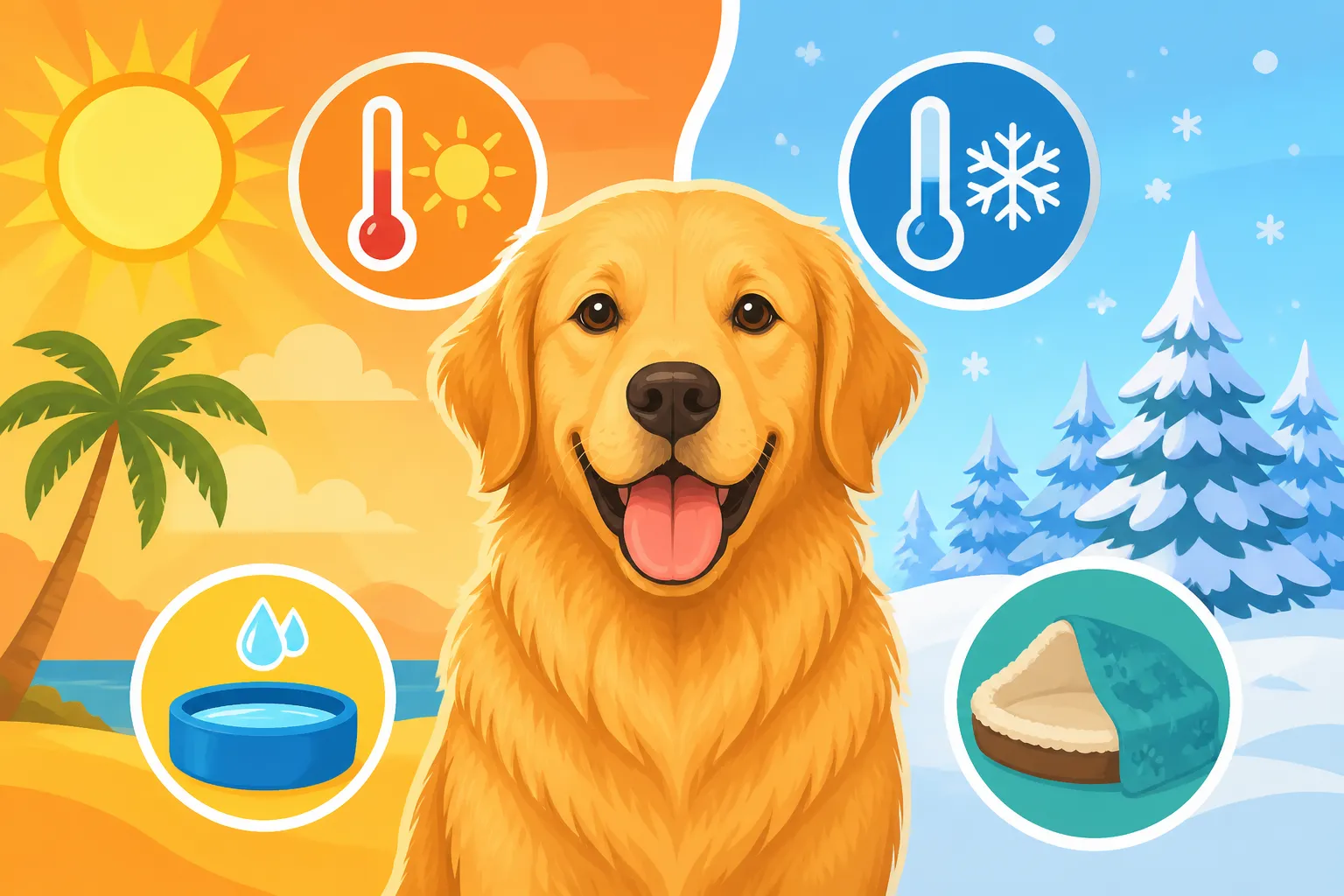
Here's a quick reference table for seasonal care considerations:
| Season | Key Concerns | Essential Care Tips | Recommended Gear/Supplies |
|---|---|---|---|
| Summer | Heatstroke, Dehydration, Hot Pavement, Sunburn | Exercise during cool hours, Ample fresh water, Shade, Avoid hot surfaces, Rinse after swimming, Never leave in car. | Portable water bowl, Cooling vest/mat, Paw balm/booties, Sunscreen (pet-safe) |
| Winter | Hypothermia, Frostbite, Icy surfaces, Salt/chemicals, Dry skin | Shorten outdoor time in extreme cold, Clean paws post-walk, Provide warm, draft-free bedding, Maintain hydration. | Dog coat/sweater, Paw balm/booties, Humidifier, Insulated bed |
| Spring/Fall | Allergies, Mud/Dirt, Coat blowing, Temperature swings | Regular grooming for shedding, Monitor for allergy symptoms, Adjust walks to changing temperatures. | Undercoat rake, Hypoallergenic shampoo, Wet wipes for paws |
Disclaimer
This article is for general informational purposes only and does not constitute professional advice. Laws, prices and regulations vary by location and change over time. Consult a qualified professional for guidance on your specific situation.