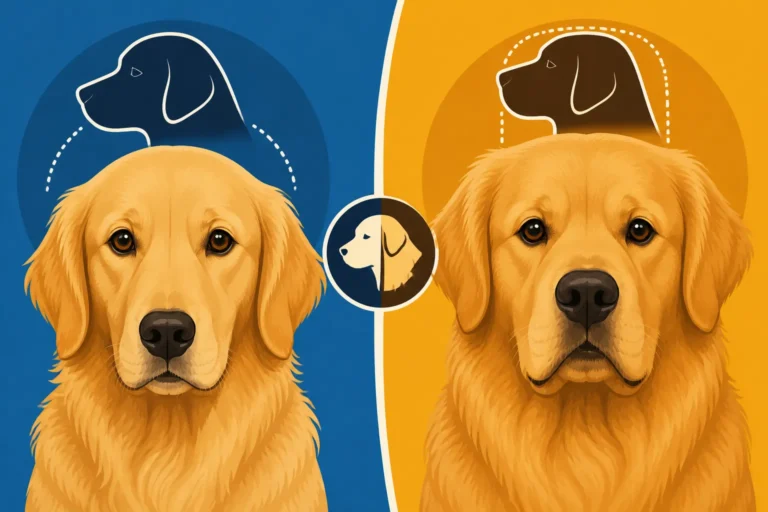
Predicting a Golden Retriever Puppy’s Adult Color
Bringing home a Golden Retriever puppy is one of life’s purest joys, filled with anticipation and endless cuddles. Amidst all the puppy breath and tiny nips, one question often dances in a new owner's mind: what color will this little fluffball actually be when they grow up? It's a common wonder, especially since Golden Retriever puppies often look quite different from their adult selves, and it can be a delightful journey to watch their true coat emerge. This guide will walk you through the fascinating process of how a Golden Retriever puppy's color develops and what clues you can look for to get a peek at their future shade.
The Shifting Shades of a Golden Retriever Puppy
It’s completely normal to bring home a tiny Golden puppy who is a pale cream, only for them to darken into a rich gold, or vice versa. This isn't some kind of canine magic trick; it's a natural part of their development. The genes that dictate coat color are at play, and they express themselves differently as the dog matures. Understanding this spectrum of change helps set realistic expectations and adds an extra layer of enjoyment to watching your beloved companion grow.
Why Puppy Coats Are Often Deceiving
Think of a Golden Retriever puppy's coat as a first draft. It's often softer, fluffier, and can be quite different in shade from the adult coat. This "puppy fuzz" is typically lighter and less dense than the protective double coat they'll develop. As they grow, their guard hairs, which are coarser and typically carry more pigment, start to come in. The undercoat also thickens, and the overall density of the coat changes.
For example, a puppy that appears nearly white might develop a beautiful light golden coat, or one with a slightly darker wash of color might become a deep, rich gold. This happens because the full expression of their genetic coding for color isn't completely "turned on" until they're a bit older, often around 6-12 months, and sometimes even later as their coat continues to mature. It’s a process, not an instant change, and you'll often see gradual darkening or lightening rather than a sudden shift.
The "Ear Test": A Popular but Imperfect Theory
One of the most enduring pieces of folklore among Golden Retriever enthusiasts is the "ear test." The theory goes that the color of a Golden Retriever puppy's ears, particularly the longer feathering inside and around the edges, is a strong indicator of their eventual adult coat color. If the ears are dark, the dog will grow up to be a darker golden; if they're light, the dog will stay lighter.
While many owners swear by this method, it's more of an anecdotal observation than a scientific guarantee. It holds some truth because the feathering on a Golden's ears is often among the first areas where the true adult pigment starts to show. These hairs can be slightly coarser and accumulate more color sooner than the general body coat. However, it's not foolproof. Some puppies with darker ears will indeed grow into dark goldens, while others might surprise you and end up a medium shade. It's a fun trick to try and a decent rough guide, but don't take it as gospel. The overall genetic predisposition and the gradual pigment development across the entire coat are far more significant.
Factors Influencing a Golden's Adult Coat Color
While the "ear test" might be a fun parlor trick, there are more reliable factors that truly influence your Golden's final shade. It's a combination of genetics, environmental factors, and simply the natural aging process. Understanding these elements can give you a better idea of what to expect as your beloved puppy grows.
Genetics: The Primary Driver
At the heart of every Golden Retriever's coat color is its genetic makeup. Golden Retrievers come in a range of shades from light cream to dark golden, and even a rich red, all of which fall under the breed standard. These colors are determined by a complex interplay of genes, primarily at the E locus (Extension) and B locus (Brown/Black). For Goldens, we're mostly looking at genes that modify the intensity of red/yellow pigment.
Think of it this way: all Golden Retrievers carry the genetic potential for various shades of yellow/gold. What makes one a light cream and another a deep red is the expression of modifier genes that either dilute or intensify that pigment. If both parents carry genes for lighter coats, it's highly probable their puppies will also be on the lighter end of the spectrum. Conversely, two parents with rich, dark coats are more likely to produce similarly colored offspring. This is why a reputable breeder can often give you a very good estimate of a puppy's adult color based on the sire and dam's lineage and past litters. For a deeper dive into the breed's color variations, you might find Golden Retriever Colors and What the Standard Allows helpful.
Sun Exposure and Natural Lightening/Darkening
Just like human hair can be lightened by the sun, a Golden Retriever's coat can also change with sun exposure. Dogs who spend a lot of time outdoors in sunny climates may find their coats develop natural highlights or lighten over time. This is especially true for the longer feathering on their legs, tail, and belly, which can sometimes appear bleached.
On the flip side, some Goldens may appear to darken slightly as they mature, even without direct sun. This isn't usually a dramatic change but a subtle deepening of their natural hue as the pigment fully develops in their adult coat. This effect is more about the complete maturation of their hair follicles and the consistent production of pigment. It's a natural part of their coat's life cycle. While diet plays a minor role, ensuring your puppy receives high-quality nutrition from brands you trust, perhaps ordered conveniently from places like Chewy, supports overall coat health, which in turn reflects in its vibrancy.
The Aging Process: Graying and Pigment Changes
As Golden Retrievers enter their senior years, you'll inevitably notice changes in their coat. Just like humans, they start to go gray, most noticeably around their muzzle, eyebrows, and sometimes their chest. This silvery change is a normal sign of aging and is quite endearing.
Beyond graying, the overall coat can sometimes become a bit duller or even thin out slightly with age. The once vibrant golden shades might soften. This is simply a natural part of their life cycle, reflecting changes in their metabolism and cell regeneration. It's a beautiful transformation that reminds us of the many years of love and companionship they've given us. For more insights into an aging Golden, consider reading Caring for a Senior Golden Retriever.
Observing Clues in Your Puppy and Parents
When you're trying to divine your Golden Retriever puppy's future color, you don't have to rely solely on guesswork. There are specific visual cues on the puppy itself, as well as crucial information you can gather about their parents and lineage, that provide the best indications. It’s like being a detective, looking for all the little hints.
Examining the Puppy's Coat and Pigmentation
Even tiny puppies offer some early hints, beyond just the overall shade of their puppy fluff. Here's what to look for:
- Ear Color: As mentioned with the "ear test," the color of the hair on and inside their ears is often a strong indicator. If these areas are noticeably darker than the rest of their body, they're likely to mature into a darker golden. If they remain very light, a lighter adult coat is more probable. This is one of the most consistent early clues you'll find.
- Nose and Paw Pad Pigmentation: While not directly related to coat color, a puppy's nose and paw pad color can tell you about their overall pigment intensity. A jet-black nose and dark paw pads indicate strong pigmentation, which usually correlates with a richer, more vibrant coat color down the line, even if they start out light. A lighter or "dudley" nose (pinkish) would be a fault in the breed standard and typically not seen in well-bred Goldens.
- Body Coat Texture and Density: Feel the texture of their fur. Puppy coats are soft, but you might be able to detect the coarser guard hairs starting to come in, especially along their back. As these new, more pigmented hairs replace the puppy fluff, the true color will begin to emerge. Also, consider the density. A thicker, denser coat often holds more pigment. For understanding how the coat changes, you might be interested in How a Golden Retriever Puppy's Color Changes.
- Eyes: A Golden Retriever should have dark, kindly eyes. This strong eye pigment also contributes to the overall impression of a well-pigmented dog, regardless of the shade of gold.
It’s a subtle art of observation. Over the first few months, you’ll notice patches of new hair growing in that are distinctly different from their original puppy coat. These new hairs are the harbingers of their adult color.
The Importance of Parental History
Hands down, the single best predictor of your Golden Retriever puppy’s adult color is to look at their parents. Genetics play an enormous role, and while there's always a possibility of variation, puppies tend to inherit traits, including color intensity, from their sire and dam.
- Observe the Parents: If you have the opportunity to meet both parent dogs, pay close attention to their coat colors. Are they both very light cream? A medium gold? Or a deep, rich red? Puppies from two very light parents are highly unlikely to turn into a dark red Golden. Likewise, if both parents are a dark, rich gold, their puppies are generally going to mature into similar shades. Seeing the parents provides a direct visual reference that no amount of ear-gazing can replicate.
- Review Previous Litters: A responsible breeder will often have photos or even previous adult offspring from the same pairing or similar pairings. Seeing what colors those puppies matured into offers an even more accurate prediction for your own pup. This demonstrates consistency in their breeding program and helps you visualize the range of outcomes.
- Ask the Breeder: Don't hesitate to ask your breeder about their experience with color predictability in their lines. They have the most intimate knowledge of their dogs' genetic backgrounds and can often provide valuable insights based on generations of breeding. They might tell you, "This pairing usually produces lighter goldens that tend to darken slightly around a year old," or "These puppies often have dark ears and grow into true dark golden coats." This knowledge is invaluable when choosing a puppy, and it also speaks to a breeder's transparency and expertise. When talking to breeders, asking for Health Clearances a Golden Retriever Breeder Must Show is also critical for overall health, not just color.
Remember that the breed standard allows for a wide range of "rich, lustrous golden" shades, from cream to dark golden. Therefore, no matter what shade your puppy matures into, as long as it falls within this range, it's a perfectly wonderful Golden Retriever. For more on the specific shades, check out Light Golden, Golden and Dark Golden Coats.
Realistic Expectations and Embracing the Journey
Ultimately, while it's fun to try and predict your Golden Retriever puppy's adult color, the most important thing is to love and cherish the dog they become, regardless of their shade. Their vibrant personality, unwavering loyalty, and silly antics are what truly define them, not the exact hue of their magnificent coat.
The Beauty of Golden Retriever Variety
One of the wonderful things about the Golden Retriever breed is the incredible spectrum of colors they come in. From the softest, palest creams that almost appear white, to the classic medium gold, all the way to the deep, burnished red Goldens, each shade is beautiful and cherished. These variations add to the unique charm of the breed and ensure that there's a shade to capture every heart.
The AKC breed standard uses terms like "rich, lustrous golden of various shades." This broad description means that as long as the color isn't extremely pale (like pure white) or too dark (like mahogany, which can be seen in some Red Goldens but can push the boundaries), it's considered acceptable. There’s no "best" color; only personal preference. Some people adore the ethereal look of a light cream, while others are drawn to the fiery richness of a dark red. All are equally Golden, and all bring the same incredible temperament and loving nature to their families. The article What English Cream Golden Retrievers Actually Are explores one of these popular variations.
Enjoying the Transformation
Watching your Golden Retriever puppy's coat transform is one of the many delightful experiences of dog ownership. You'll notice subtle changes month by month. Their soft, fluffy puppy fur will gradually give way to a denser, more adult coat. The feathering on their legs, tail, and chest will lengthen and fill out. Their true adult color will slowly emerge, perhaps surprising you, perhaps confirming your earliest guesses based on their ears!
This journey of growth and change is part of the joy. It's a reminder that every dog is an individual, constantly evolving. Rather than fixating on what color they will be, embrace the present moment with your puppy and appreciate the journey of watching them grow and mature. Their coat color is just one small aspect of their overall beauty and character. And no matter the final shade, you'll still need to care for that gorgeous double coat. You'll want durable grooming tools for that; finding a good undercoat rake and slicker brush, easily available through retailers like Chewy, is essential for managing their shedding and keeping their coat healthy. Regular grooming, as discussed in Brushing a Golden Retriever's Coat Properly, will keep their coat looking its best, whatever its color.
So, go ahead and make your guesses, observe the subtle changes, and use the "ear test" if it brings you a smile. But most importantly, enjoy every single moment with your Golden Retriever. Their color is just a beautiful wrapping for the golden heart within.
Grooming and Care for All Golden Shades
Regardless of whether your Golden Retriever turns out to be a light cream, a classic gold, or a rich red, proper coat care is paramount. Their signature double coat is beautiful but requires regular attention to stay healthy and manage shedding.
Essential Grooming Tools
To keep your Golden's coat in top condition, you'll need a few key tools. A good quality undercoat rake is indispensable for removing loose hair from the dense undercoat, especially during seasonal "coat blows" where they shed heavily. A slicker brush is great for the topcoat and for smoothing out the feathering on their legs and tail. A sturdy comb can help with tangles and check for mats.
Investing in these tools early will make grooming a much more pleasant experience for both you and your dog. You can find excellent options for all these grooming essentials at retailers like Chewy, ensuring you have everything you need on hand. For a full guide on maintaining their beautiful coat, check out Grooming a Golden Retriever's Double Coat. Regular brushing not only helps with shedding but also distributes natural oils, keeping their coat shiny and healthy.
Seasonal Coat Changes and Shedding
Golden Retrievers are known for their shedding, and this is true for all colors. They typically "blow" their coat twice a year, usually in spring and fall, in preparation for new seasonal growth. During these times, you'll find yourself brushing more frequently to help remove the dead undercoat. Even outside these peak shedding periods, daily or every-other-day brushing is beneficial.
Don't be alarmed if your Golden's coat appears slightly different in thickness or texture during different seasons. Their coat naturally adapts to protect them from the elements. Regular grooming helps maintain the coat's integrity, prevents matting, and keeps your home a little cleaner from all that beautiful golden hair.
The Role of Diet in Coat Health
While diet doesn't change your Golden's genetic color, it absolutely plays a crucial role in the health and vibrancy of their coat. A high-quality diet, rich in essential fatty acids like Omega-3 and Omega-6, can contribute to a shiny, healthy coat and skin. Look for dog foods that list real meat as the first ingredient and contain beneficial oils.
If your Golden Retriever has a dull coat or dry, flaky skin, discussing their diet with your veterinarian might be helpful. Sometimes, a change in food or the addition of a supplement like fish oil can make a noticeable difference. Just as you care for their overall health, thinking about how their nutrition impacts their coat is an important part of responsible Golden Retriever ownership. For more detailed advice on feeding, consider our guide on Feeding a Golden Retriever Through Every Life Stage.
No matter what shade of golden your puppy eventually becomes, their coat will be a testament to the care and love you provide. The journey of watching them grow, both in personality and in the blossoming of their beautiful, unique color, is truly rewarding. Whether you get your puppy essentials from your local pet store or prefer the convenience of online shopping with services like Chewy, ensure you're setting your Golden up for a healthy and vibrant life.
Disclaimer
This article is for general informational purposes only and does not constitute professional advice. Laws, prices and regulations vary by location and change over time. Consult a qualified professional for guidance on your specific situation.