When a Golden Retriever Stops Jumping on the Couch
It’s a familiar scene in many Golden Retriever households: your furry best friend, with a happy wagging tail, easily leaps onto the sofa to join you for cuddles or a prime napping spot. This joyful, athletic jump is so characteristic of their exuberant nature. But what happens when that effortless leap becomes a hesitation, a struggle, or stops altogether? It's a subtle but deeply concerning change that often signals a deeper issue at play, and understanding why your Golden might suddenly stop jumping on the couch is crucial for their well-being.
Understanding the Shift in Your Golden Retriever's Behavior
When a Golden Retriever, a breed known for its athleticism and desire to be close to its people, suddenly or even gradually gives up their coveted spot on the couch, it's rarely just a quirk. This behavioral change is almost always a red flag that something is amiss, often relating to their physical comfort or health. They aren't trying to be defiant; they're communicating a problem.
Sudden Reluctance and Immediate Pain Signals
Imagine a dog that has always been a "couch potato" suddenly pausing, looking longingly at the sofa, maybe even attempting a jump before yelping or retreating. This kind of sudden reluctance, especially when accompanied by other observable changes, often points directly to acute pain. Your Golden might be experiencing a new injury or a flare-up of an existing condition.
Perhaps they landed awkwardly during a playful romp in the yard, resulting in a muscle strain or a minor sprain. Or maybe they slipped on a slick floor, tweaking their back. Acute pain can be sharp and debilitating, making even simple movements like jumping onto furniture agonizing. They might whine, flinch when touched in certain areas, or move stiffly after rest. They're trying to tell you, in the clearest way they know how, that something hurts. This isn't just about the couch; it's about their overall comfort and mobility. Any sudden change warrants immediate attention.
Gradual Decline and the Onset of Aging
Sometimes, the change isn't sudden, but a slow, almost imperceptible decline. You might notice your Golden taking more time to get up, perhaps needing a little push off their hind legs, or opting for the dog bed instead of the couch more often. This gradual reluctance is frequently tied to the natural, but often challenging, process of aging. Just like us, as Goldens get older, their joints wear down, muscles lose mass, and overall flexibility decreases.
Arthritis is a common culprit here. What once was a smooth, lubricated joint can become inflamed, stiff, and painful with every movement. Even a low jump can put significant strain on aging hips, knees, or a compromised spine. You might notice them favoring a leg, walking with a slightly altered gait, or being less enthusiastic about long walks or intense play. When you consider the deep-chested build of a Golden Retriever, the mechanics of jumping put specific stresses on their back and hindquarters. For an older dog, the comfort of a low, stable dog bed simply outweighs the effort and potential discomfort of reaching the couch. Understanding Caring for a Senior Golden Retriever can offer further insights into these changes.
Common Health Issues Affecting Mobility in Goldens
Golden Retrievers are a robust breed, but they are predisposed to certain health conditions that can severely impact their mobility and, by extension, their ability or willingness to jump. Recognizing these issues is paramount for early intervention and maintaining their quality of life.
Orthopedic Concerns
The most common reasons a Golden might stop jumping revolve around their joints and bones. These issues can range from developmental conditions to degenerative diseases.
Hip and Elbow Dysplasia
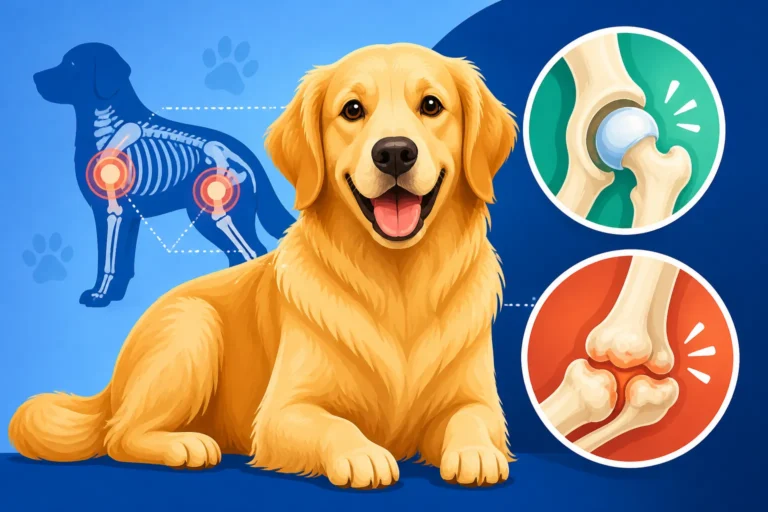
Sadly, hip and elbow dysplasia are all too common in Golden Retrievers. These are genetic conditions where the joints don't form correctly, leading to instability, pain, and eventually arthritis. A dog with hip dysplasia might experience pain when extending their hind legs, which is precisely what's needed for a powerful jump. Elbow dysplasia can cause front limb lameness and discomfort, making it difficult to push off the ground. Even a young Golden Retriever might show early signs of discomfort related to these conditions, becoming reluctant to jump or run with the same gusto. Checking a breeder's health clearances, including OFA or PennHIP certifications for hips and elbows, is crucial when getting a puppy, as these issues can present themselves early on. Our guide on Golden Retriever Hip and Elbow Dysplasia Explained goes into much greater detail.
Arthritis and Joint Decline
Even Goldens with perfectly formed joints can develop osteoarthritis over time, especially as they age. This degenerative joint disease is essentially the breakdown of cartilage cushioning the joints, leading to bone-on-bone friction, inflammation, and chronic pain. The stiffness, soreness, and reduced range of motion associated with arthritis can make jumping onto the couch feel like climbing a mountain. Cold weather often exacerbates arthritic pain, making their reluctance to jump even more pronounced during winter months. Maintaining a healthy weight is absolutely critical here, as Golden Retriever Weight and Joint Damage explains how extra pounds put immense stress on already compromised joints.
Neurological and Soft Tissue Problems
Beyond the joints themselves, issues with the spine or muscles can also lead to a dog's inability or unwillingness to jump. These problems might be less obvious at first glance but are equally serious.
Spinal Issues
Conditions affecting the spine, such as intervertebral disc disease (IVDD) or spondylosis, can cause significant back pain and neurological deficits. IVDD occurs when the cushioning discs between the vertebrae bulge or rupture, pressing on the spinal cord. This can lead to pain, weakness, and even paralysis. A Golden with back pain will instinctively avoid movements that arch or strain their spine, like jumping. Spondylosis is a degenerative condition where bony spurs form along the vertebrae, leading to stiffness. Both can make what was once a natural motion an excruciating experience. You might observe a hunched posture, a reluctance to be picked up, or sensitivity along their back.
Muscle Strains and Ligament Injuries
Just like human athletes, active Golden Retrievers can suffer from muscle strains or ligament tears. A common example is a cranial cruciate ligament (CCL) tear in the knee, which is equivalent to an ACL tear in humans. This injury causes pain and instability in the knee joint, making it impossible to bear weight properly or jump confidently. Other soft tissue injuries, such as a pulled hamstring or groin muscle, can also make jumping painful or impossible. These injuries can be sudden, resulting from a misstep during play or a strenuous activity, and will often cause immediate lameness or a marked change in movement.
What to Do When Your Golden Stops Jumping
Seeing your beloved Golden Retriever struggle with something they once did with ease is heart-wrenching. But don't despair! There are definite steps you can take to understand what's happening and help your furry friend.
Observing and Documenting Changes
Before you even call the vet, become a detective. Your detailed observations will be invaluable to your veterinarian. When did you first notice the change? Was it sudden, or has it been happening gradually over weeks or months? Does your Golden show pain when touched in a specific area? Do they limp after a walk, or are they stiff after getting up from a nap?
Pay attention to their gait, their posture, and their overall demeanor. Are they eating normally? Are they still enthusiastic about walks, even if they're shorter? Sometimes, even filming your dog's movements with your phone can provide crucial visual evidence for the vet. Documenting other subtle Signs a Golden Retriever Is in Pain can help paint a complete picture.
Here's a quick comparison of what to look for:
| Observation Category | Signs of Acute/Sudden Pain | Signs of Gradual/Chronic Discomfort |
|---|---|---|
| Jumping Behavior | Sudden refusal, yelping during attempt, attempts then backs off | Hesitation, slower attempts, preferring lower spots, more often choosing dog bed |
| Mobility | Sudden limping, holding a limb up, reluctance to move, favoring one side | Stiffness after rest, slow to rise, altered gait (e.g., bunny hopping), reduced activity |
| Vocalization/Reaction | Whining, yelping, growling when touched, panting, trembling | Occasional grunts or sighs when moving, less enthusiastic for walks, less playful |
| Posture | Hunched back, tucked tail, guarding a body part | Subtle changes in stance, shifting weight, difficulty lying down comfortably |
| Appetite/Energy | May decrease due to pain | Often unchanged, but general energy level might slowly decline |
Consulting Your Veterinarian
This is the most critical step. If your Golden Retriever has stopped jumping, especially if it's sudden or accompanied by other pain signals, a visit to your veterinarian is non-negotiable. Don't wait to see if it "gets better." Early diagnosis and treatment can prevent conditions from worsening and significantly improve your dog's comfort and prognosis. Your vet will perform a thorough physical examination, checking for tenderness, range of motion, and any neurological deficits. They may recommend diagnostic imaging, such as X-rays or even an MRI, to pinpoint the exact cause of the pain.
Be prepared to discuss your observations in detail. Your vet might suggest pain management strategies, anti-inflammatory medications, joint supplements, or even refer you to a veterinary orthopedic specialist or a physical therapist. Dealing with potential Golden Retriever Emergency Vet Bills can be stressful, but remember that many pet insurance providers, like Healthy Paws, can help cover a significant portion of unexpected veterinary costs related to accidents or illnesses. Having a plan, and potentially pet insurance, can ease the financial burden during difficult times.
Making Your Home More Accessible
While you're working with your vet on a diagnosis and treatment plan, there are many ways you can adapt your home to make life more comfortable for your Golden. This isn't just about managing pain, but also about supporting their mobility and helping them maintain their independence.
Ramps and Pet Steps
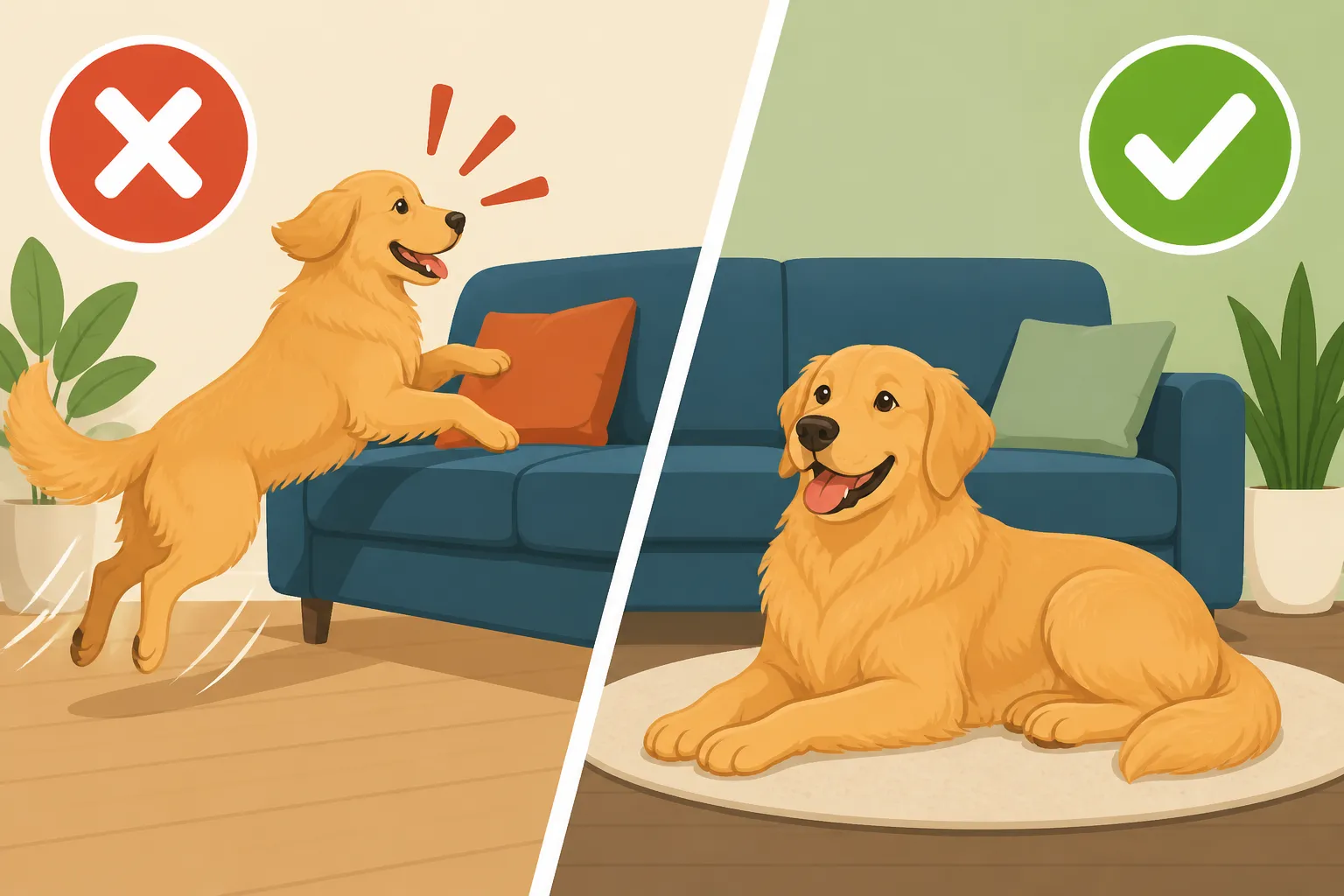
If your Golden loves being on the couch or bed but struggles to get up, consider investing in pet ramps or steps. These provide a low-impact way for them to access their favorite elevated spots without putting strain on their joints. Look for sturdy options with good traction to prevent slips. Introducing these aids gradually with positive reinforcement can help your dog adapt. A ramp might be better for dogs with significant joint issues as it completely removes the impact of stepping. Our article on Do Golden Retriever Puppies Need Ramps? discusses the benefits of joint protection even for younger dogs, but for an older dog struggling, they are invaluable.
Supportive Bedding and Non-Slip Surfaces
Ensure your Golden has a high-quality orthopedic dog bed that provides ample support for their joints. These beds are designed to cushion pressure points and can make a huge difference in their comfort, especially during long periods of rest. Place them in their favorite spots around the house. Additionally, inspect your home for slippery floors. Hardwood, tile, or laminate can be treacherous for a dog with mobility issues. Lay down runners, rugs, or non-slip mats in high-traffic areas to give them better traction and prevent falls that could worsen their condition.
By taking these proactive steps and working closely with your veterinarian, you can help your Golden Retriever navigate any mobility challenges they face, ensuring they remain as comfortable and happy as possible, even if their days of couch-leaping are behind them.
Disclaimer
The information provided in this article is for general informational purposes only and is not intended as a substitute for professional veterinary advice. Always consult with a qualified veterinarian for any health concerns or before making any decisions related to your pet's health and treatment.