Whether Golden Retrievers Can Have Peanut Butter
One of the most common questions new Golden Retriever parents ask, often with a spoonful of the gooey stuff in hand, is whether their beloved furry friend can share a taste of peanut butter. It’s a treat many dogs adore, but the nuances of what kind and how much are crucial for your Golden's safety and health. This comprehensive guide will walk you through everything you need to know about giving peanut butter to your Golden Retriever, from its benefits to the hidden dangers and how to serve it safely.
The Good News About Peanut Butter and Golden Retrievers
For many Golden Retrievers, a dollop of peanut butter is pure bliss. It's often seen as a magic trick for owners, capable of solving a multitude of small problems, from distracting a wiggly pup during nail trims to making medication disappear. When chosen carefully and given in moderation, peanut butter can be a perfectly safe and even beneficial treat.
Why Peanut Butter Can Be a Great Treat
Think about those moments when your Golden Retriever needs a little extra persuasion or a high-value reward. That’s where peanut butter truly shines. Its irresistible smell and taste make it a fantastic motivator during training sessions. Whether you're teaching basic commands or working on something more advanced, a lick of peanut butter from a spoon can be far more exciting than a standard kibble treat. Many owners keep a jar on hand specifically for these purposes.
Beyond training, it's a stellar distraction tool. Does your Golden squirm when you try to brush their teeth or clean their ears? A lick mat smeared with peanut butter, stuck to a wall or the floor, can keep them occupied and still for just long enough to get those less-than-pleasant tasks done. It turns a potentially stressful situation into a relatively calm one, making it easier for both of you. For administering medication, especially pills, a small ball of peanut butter can effectively hide the tablet, making it a much smoother process than wrestling with your dog to get them to swallow a bitter pill.
Nutritional Benefits In Moderation
While primarily a treat, peanut butter does offer some nutritional upsides when given sparingly. It's a decent source of protein, which is essential for muscle development and repair in dogs. Goldens, being active and muscular, benefit from adequate protein intake. It also contains healthy fats, particularly linoleic acid, an omega-6 fatty acid important for skin and coat health, helping to maintain that glorious Golden sheen.
You'll also find some beneficial vitamins and minerals in peanut butter. It typically contains Vitamin E, an antioxidant that supports immune function, and various B vitamins like niacin, which play a role in energy metabolism. These nutrients contribute to your Golden's overall well-being. However, it's vital to remember that these benefits are secondary to its role as a treat. The primary source of your Golden's nutrition should always come from a high-quality, balanced dog food designed for large breeds. Relying too heavily on peanut butter for these nutrients would mean overfeeding calories and fat, which brings its own set of problems.
The Hidden Dangers: What to Watch Out For
While the idea of sharing a treat with your Golden Retriever is appealing, there are critical considerations to keep in mind. Not all peanut butter is created equal, and some varieties can be downright dangerous. Understanding these risks is paramount to ensuring your dog's safety.
Xylitol is a Big NO
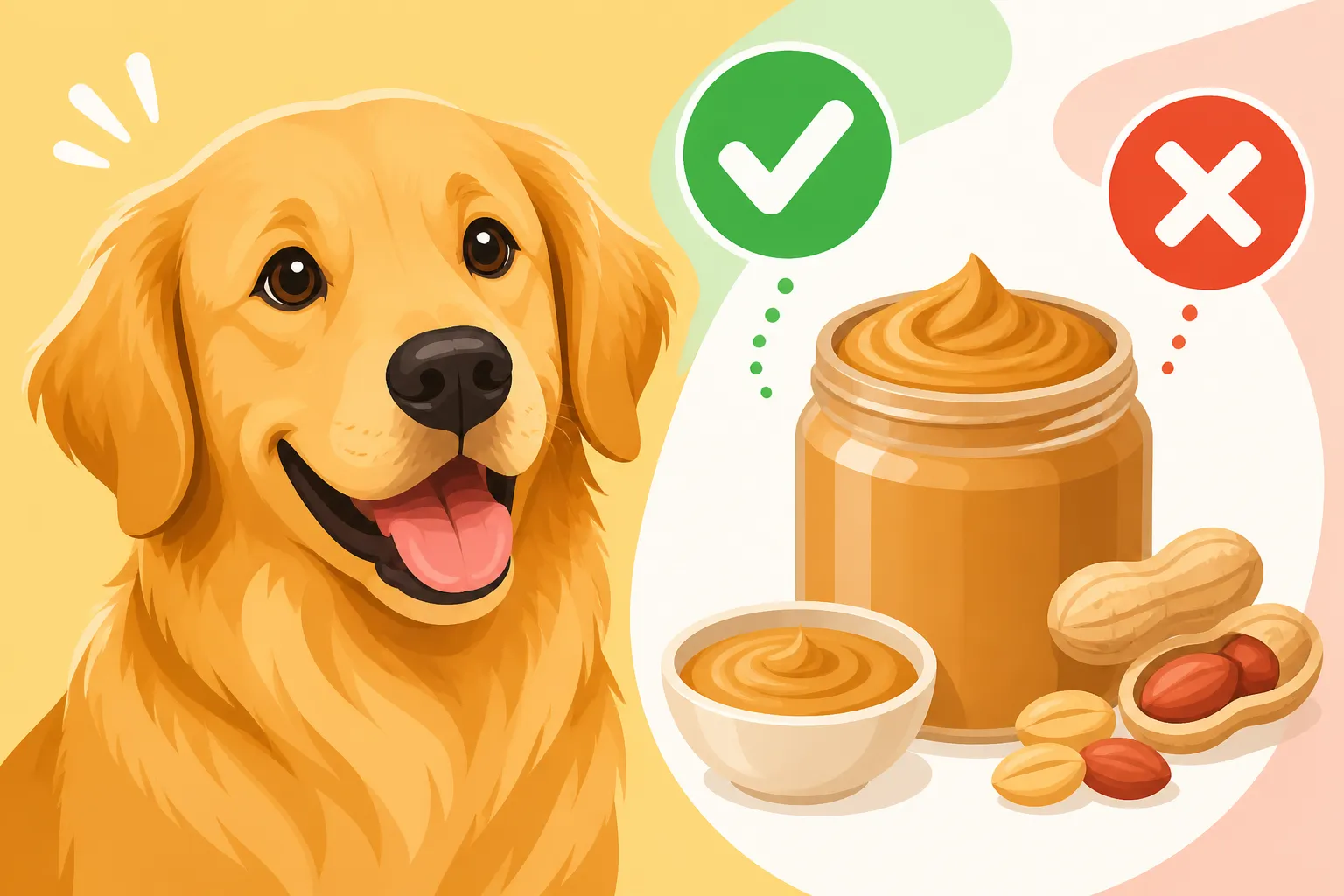
This is the absolute most important warning you need to heed. Xylitol is highly toxic to dogs. It's a sugar substitute found in many "sugar-free" or "reduced sugar" human products, including some brands of peanut butter. Even a small amount can cause a rapid and severe drop in blood sugar (hypoglycemia), seizures, liver failure, and even death. The scary part is that many owners aren't even aware it's an ingredient they need to look for. Always, always check the ingredient list before giving your Golden Retriever any human food, especially peanut butter. If you see xylitol, steer clear. Look for it listed as "xylitol," "birch sugar," or "E967." If you're ever in doubt, it's safer to just toss that jar. If your Golden Retriever accidentally ingests xylitol, it's an immediate emergency; contact your vet or an emergency animal hospital right away. For more details on what to avoid, you might want to read Xylitol and Other Poisons in a Golden's Reach.
High Fat Content and Potential Problems
Even xylitol-free peanut butter is still very high in fat and calories. While some healthy fats are good, too much can lead to significant health issues for your Golden Retriever. One of the most serious concerns is pancreatitis, an inflammation of the pancreas that can be incredibly painful and, in severe cases, life-threatening. Dogs with a history of digestive sensitivities or those prone to weight gain are particularly at risk. A sudden influx of rich, fatty food can easily trigger an episode.
Beyond pancreatitis, excessive peanut butter can contribute to obesity. Golden Retrievers already have a tendency to gain weight, and those extra pounds put undue strain on their joints, exacerbate conditions like hip and elbow dysplasia, and can shorten their overall lifespan. Just a tablespoon of peanut butter can contain upwards of 100 calories, which is a significant portion of a treat allowance for even a large dog. Always consider these caloric implications when offering treats. You can find more information on managing your dog's weight in Putting an Overweight Golden Retriever on a Diet.
Choking Hazards with Thick or Large Amounts
Have you ever tried to eat a spoonful of very thick peanut butter yourself? It can be a challenge, sticking to your palate and making it hard to swallow. The same goes for your Golden Retriever, perhaps even more so. The sticky, dense consistency of some peanut butter can pose a choking hazard, especially if your dog tries to gobble down a large blob. It can get lodged in their throat or, if aspirated, enter their lungs, leading to severe respiratory issues or aspiration pneumonia.
To mitigate this risk, never give large, undiluted dollops of peanut butter directly to your dog. Instead, spread a thin layer on a lick mat or inside a puzzle toy. You can even dilute it slightly with a bit of water or plain yogurt to make it less viscous, especially if you have a particularly enthusiastic eater. Supervising your Golden while they enjoy this treat is always a good idea to ensure they're eating it safely and not getting themselves into trouble with too much stickiness.
Allergies Rare but Possible
While less common than in humans, dogs can develop allergies to various foods, including peanuts. If your Golden Retriever has never had peanut butter before, it's wise to introduce it slowly and in a very small amount, then monitor them for any adverse reactions. An allergic reaction could manifest in several ways, from mild skin irritation like itching, redness, or hives, to gastrointestinal upset such as vomiting or diarrhea. In rare, severe cases, a dog could experience anaphylaxis, which includes symptoms like swelling of the face or throat, difficulty breathing, or collapse.
If you notice any unusual symptoms after your Golden has consumed peanut butter, contact your veterinarian immediately. They can advise you on the best course of action and help determine if peanuts are indeed the culprit. Many owners have to navigate various food sensitivities, so being vigilant about new ingredients is always a good practice. For those concerned about general sensitivities, exploring Golden Retriever Food and Skin Allergies might offer further insights.
Choosing the Right Peanut Butter for Your Golden
With the warnings in mind, the good news is that you absolutely can share peanut butter with your Golden Retriever, provided you select the right kind. It's not about avoiding it entirely, but about being an informed and discerning pet parent.
Reading the Ingredient Label Carefully
This cannot be stressed enough: the ingredient label is your best friend when picking out peanut butter for your dog. Your primary goal is to find a product where the ingredients list is as short and simple as possible. Ideally, you want to see "peanuts" as the only ingredient. Some natural brands might also list "salt," but aim for unsalted if possible, as dogs don't need added sodium in their diet.
Crucially, avoid any peanut butter that lists xylitol or birch sugar. This is non-negotiable. Beyond xylitol, also steer clear of added sugars (like high-fructose corn syrup), artificial sweeteners, and excessive added salt. These ingredients offer no benefit to your Golden and can contribute to dental problems, weight gain, or digestive upset. Many popular supermarket brands contain these extras, so always double-check. Don't assume that if it's "natural" for humans, it's safe for dogs—always read that label!
Consistency Matters
The texture of peanut butter can also impact how safely your Golden can enjoy it. Very thick or chunky peanut butter might be more appealing to some dogs, but it also increases the choking risk. The pieces of peanuts in crunchy varieties aren't easily digestible for some dogs and can also become a hazard. For optimal safety, smooth, natural peanut butter is generally recommended.
If the peanut butter you have is quite thick, consider thinning it out slightly before serving. A small amount of warm water mixed in, or even blending it with a little plain, unsweetened yogurt (which is also safe for most dogs), can make it smoother and easier to swallow without posing a choking threat. Freezing peanut butter inside a Kong or other toy can also make it a safer, longer-lasting treat by slowing down consumption and making it less sticky.
Brand Considerations and Dog-Specific Options
When it comes to sourcing peanut butter, you have a few options. Many human-grade, natural peanut butter brands found in standard grocery stores are perfectly fine, provided you've checked the label for xylitol and excessive additives. Brands that specifically market themselves as "natural" or "organic" often have simpler ingredient lists. You might find a good selection of these on sites like Amazon or Chewy, which often highlight ingredient information clearly.
There are also peanut butter products made specifically for dogs, sometimes called "dog-friendly peanut butter." These are formulated with canine health in mind, often completely free of salt, sugar, and, most importantly, xylitol. While you don't have to buy dog-specific peanut butter, these options can offer extra peace of mind if you're worried about accidental ingredients. Many pet supply stores, or online retailers like Chewy, carry these specialized products. For broader dog nutrition, you might look into brands like Ollie, which focuses on fresh, healthy ingredients for dog meals and treats, though they may not specifically carry peanut butter. The key takeaway here is diligence in reading labels, no matter the brand or where you buy it.
Safe Ways to Offer Peanut Butter to Your Golden
So, you've got your Golden-safe peanut butter. Fantastic! Now, how do you actually give it to them in a way that's both enjoyable and healthy? It's all about responsible portion control and creative serving methods.
Moderation is Key
This is the golden rule for any treat, and especially for a calorie-dense food like peanut butter. Treats, including peanut butter, should make up no more than 10% of your Golden Retriever's total daily caloric intake. For an average adult Golden, this usually means about a tablespoon or two at most per day, and often much less, depending on their size, activity level, and overall diet. A small Golden Retriever puppy will need even less.
Think of it as a special occasion treat rather than a daily staple. Overfeeding, even with healthy foods, leads to excess weight, which is particularly detrimental to large breeds like Goldens, increasing the risk of joint problems and other health issues. When planning your Golden's diet, remember that those treats add up quickly! For guidance on overall food intake, you can look into How Much an Adult Golden Retriever Eats Daily or Golden Retriever Weight and Joint Damage to understand the implications of excess weight.
Creative Serving Ideas
Plain peanut butter on a spoon is fine for a quick reward, but there are many ways to make it last longer and provide mental enrichment for your Golden:
- Kong Stuffers: This is a classic for a reason! Stuff a KONG toy with peanut butter, and your Golden will spend a good amount of time licking and working to get it all out. For an extra challenge, freeze the stuffed KONG—it turns into a longer-lasting puzzle. This is a great way to keep your dog occupied during crate time or when you need them to settle down.
- Lick Mats: These textured silicone mats, available on Amazon or Chewy, are designed to be smeared with soft, spreadable treats. The nubs and ridges encourage licking, which has a calming effect on dogs. A thin layer of peanut butter on a lick mat can provide a good 10-20 minutes of quiet distraction.
- Puzzle Toys: Many puzzle toys have compartments or crevices where you can hide treats. A small dollop of peanut butter can make these toys even more enticing, challenging your Golden to use their brain to get the reward. This is excellent for mental stimulation, especially on rainy days when outdoor exercise might be limited.
- Medicine Delivery: As mentioned earlier, a small amount of peanut butter can be a lifesaver for administering pills. Just make sure the pill is fully enclosed and your Golden doesn't spit it out.
- Frozen Treats: Mix a little peanut butter with plain yogurt or mashed banana and freeze it in an ice cube tray for a refreshing summer treat. These are fantastic for cooling down your Golden on a hot day.
When to Avoid Peanut Butter
While delicious, peanut butter isn't suitable for every Golden Retriever. There are certain situations and health conditions where it's best to avoid it altogether.
If your Golden has a history of pancreatitis or has been diagnosed with it, absolutely do not give them peanut butter due to its high fat content. Even a small amount could trigger a painful and dangerous flare-up. Similarly, if your dog has a sensitive stomach or frequently experiences digestive upset, the richness of peanut butter might be too much for their system. It's better to stick to bland, easily digestible treats for these dogs.
For Goldens on specific veterinary diets due to kidney disease, heart conditions, or other serious health issues, consult your veterinarian before introducing any new treats. These diets are carefully formulated to manage their condition, and adding extra ingredients, even seemingly benign ones like peanut butter, could interfere with their treatment plan. Always prioritize your vet's advice regarding your Golden's diet and health.
| Feature | Safe Peanut Butter for Goldens | Unsafe Peanut Butter for Goldens |
|---|---|---|
| Ingredients | Roasted peanuts only (or peanuts + minimal salt) | Xylitol (birch sugar, E967), excessive salt, added sugars |
| Sweeteners | None (naturally sweet from peanuts) | Xylitol, artificial sweeteners, corn syrup, molasses |
| Additives | Minimal, natural oils (may separate) | Hydrogenated oils, artificial flavors, preservatives |
| Consistency | Smooth, creamy (can be slightly thinned with water/yogurt) | Very thick, chunky (peanut pieces can be choking hazard) |
| Portion Size | Small amounts (1/2 to 2 tablespoons, depending on dog) | Large dollops, frequent feeding |
| Health Impact | High-value treat, protein, healthy fats (in moderation) | Toxic (xylitol), pancreatitis, obesity, choking risk, allergies |
Disclaimer
This article is for general informational purposes only and does not constitute professional advice. Laws, prices and regulations vary by location and change over time. Consult a qualified professional for guidance on your specific situation.