Exercise Limits for a Golden Retriever Puppy
Bringing home a rambunctious Golden Retriever puppy is an absolute joy, filled with boundless energy and an eager spirit. It’s easy to get caught up in their enthusiasm and want to play and exercise them for hours, assuming more activity equals a healthier, happier dog. However, pushing a young Golden Retriever too hard, too soon, can have serious, lifelong consequences for their developing joints and bones. This guide will walk you through the critical exercise limits for Golden Retriever puppies at different stages, helping you foster their growth safely and set them up for a lifetime of healthy activity.
Why Exercise Limits Are Crucial for Growing Golden Retrievers
The adorable, clumsy antics of a Golden Retriever puppy can often mask the delicate biology happening beneath their soft fur. Their bones and joints are not fully formed until they reach physical maturity, which for a large breed like a Golden, can be around 18-24 months of age. During this extended period, their growth plates are open, making them highly susceptible to injury from excessive or inappropriate exercise. Ignoring these limits isn't just about a temporary limp; it can lead to devastating long-term orthopedic issues.
Many well-meaning owners believe that the more they exercise their puppy, the stronger their bones and muscles will become, preventing problems like hip or elbow dysplasia. Unfortunately, the opposite is often true. Over-exertion, especially high-impact activities, can cause microtraumas to the soft cartilage in their growth plates, leading to malformation or premature closure. This can significantly increase the risk of painful and debilitating conditions later in life, ironically the very issues owners hope to avoid. Understanding this fundamental truth is the first step in responsible puppy care.
Think of your Golden Retriever puppy's skeletal system like a building under construction. You wouldn't put heavy loads on a foundation before the concrete has cured, right? Similarly, a puppy's bones are still "curing," or ossifying, and their joints are still developing their proper shape and stability. Any activity that puts undue stress, twisting, or repetitive impact on these delicate structures can disrupt the natural process, leading to lifelong lameness and pain. This isn't just about genetics; environment and activity play a huge role in a puppy's orthopedic outcome. You can learn more about the mechanics of this in Why Fast Growth Damages a Golden Retriever's Joints.
Understanding Your Golden Retriever Puppy's Growth Plates
To truly grasp why exercise limits are so important, you need a basic understanding of what growth plates are and how they function. Growth plates, also known as epiphyseal plates, are areas of cartilage located near the ends of a puppy's long bones. This cartilage is where new bone tissue is produced, allowing the bone to lengthen as the puppy grows. They are quite literally the engine of your puppy's skeletal development.
The critical thing to remember about growth plates is that they are softer and more vulnerable than the surrounding bone. They are not fully hardened until they "close" and turn into solid bone, which typically happens gradually as the puppy matures. Until this closure is complete, usually between 12 and 24 months in Golden Retrievers, the growth plates are the weakest link in the bone structure. They are much more prone to injury from impact, twisting, or repetitive strain than fully ossified adult bone.
An injury to a growth plate can be particularly problematic because it can affect how the bone grows. If a growth plate is damaged, it might close prematurely, leading to a shortened or deformed limb. It can also lead to uneven growth if only one side of the plate is affected. This uneven growth can then put abnormal stress on adjacent joints, contributing to conditions like Golden Retriever Hip and Elbow Dysplasia Explained. This is why activities that involve sudden stops, jumps, or hard landings are so risky for young puppies. Knowing When a Golden Retriever's Growth Plates Close is key to adjusting their exercise regimen.
Safe Exercise for Golden Retriever Puppies by Age
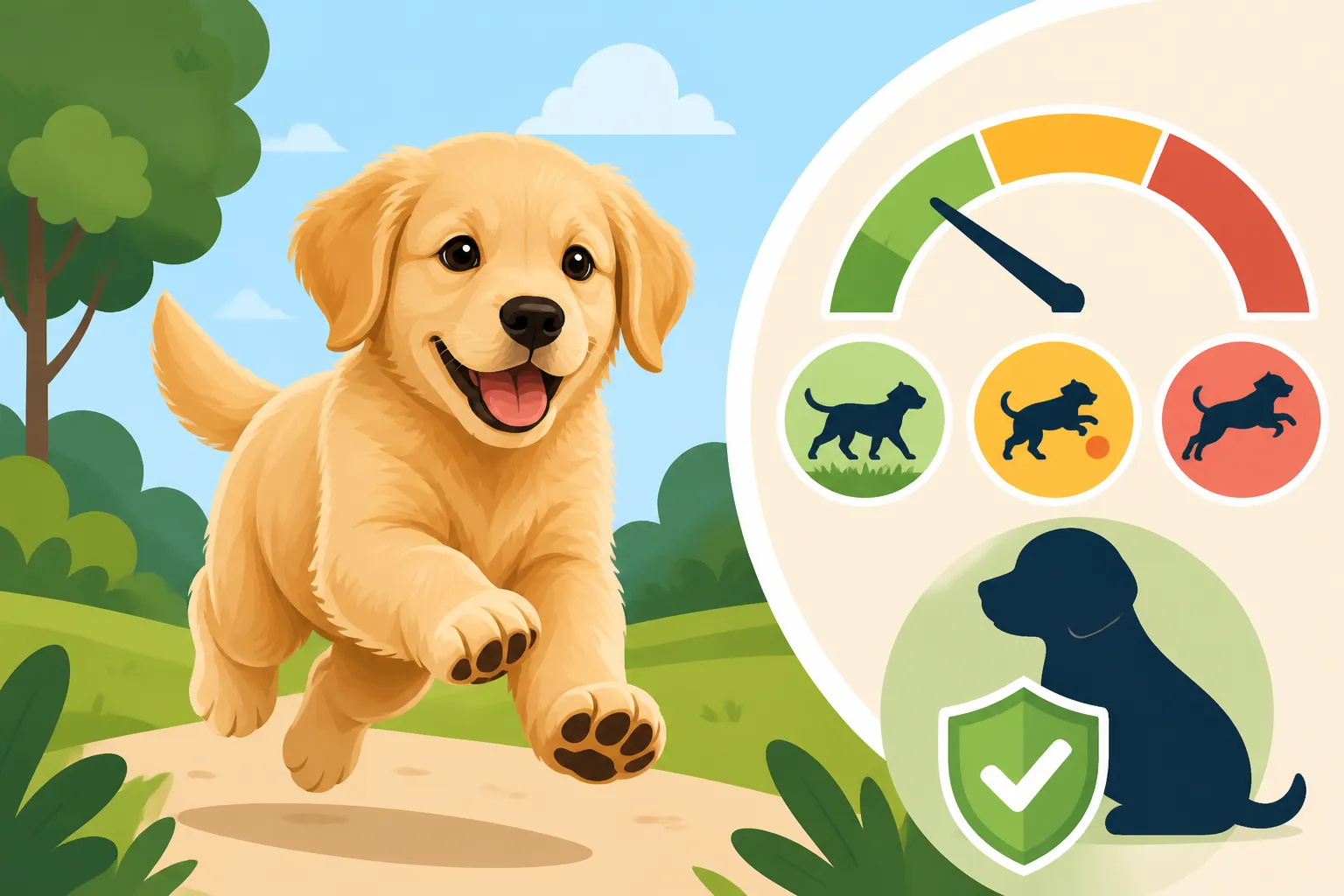
Navigating the right amount and type of exercise for your Golden Retriever puppy is a balancing act, but following age-appropriate guidelines can make all the difference. It's not about keeping them sedentary; it's about channeling their energy into safe, beneficial activities that support healthy development. Remember, every puppy is an individual, so always observe your own puppy's energy levels and fatigue.
From 8 Weeks to 4 Months: Gentle Exploration and Play
During this early stage, your Golden Retriever puppy's world is opening up, and every experience is new. Their exercise should focus on short bursts of self-directed play and gentle exploration. Think of it as free play rather than structured workouts. Short, supervised walks around the yard or on soft surfaces are great for socialization and getting them accustomed to a leash, but keep them brief—5-10 minutes a few times a day is ample.
Structured walks are often advised using the "5 minutes per month of age" rule of thumb. So, a two-month-old puppy would get a maximum of 10 minutes of structured walking, 2-3 times a day. This is a good guideline, but always prioritize quality over quantity. Allowing them to sniff around, investigate new smells, and engage in gentle play with littermates or vaccinated, calm adult dogs is far more beneficial than forced long walks on hard pavement. Mental stimulation through puzzle toys, sniff games, and short training sessions also counts as "exercise" for their rapidly developing brains.
Avoid any activities that involve jumping on and off furniture, repetitive stair climbing, or rough-and-tumble play with much larger, uncontrolled dogs. Their coordination is still developing, and their tiny joints are incredibly vulnerable. Puppy classes, focused on short play sessions and basic obedience, are excellent for both physical and mental development. Consider getting some interactive puzzle toys from a place like Chewy to keep their minds engaged without overtaxing their bodies.
From 4 to 12 Months: Increasing Activity with Caution
As your Golden Retriever puppy enters adolescence, their energy levels will likely skyrocket, and they'll start to look more like a miniature adult dog. It's tempting to ramp up the exercise dramatically, but caution is still paramount. Continue with the "5 minutes per month of age" rule for structured walks, gradually increasing as they grow. So, a six-month-old could handle about 30 minutes of walking, spread throughout the day.
During this period, focus on controlled, low-impact activities. Leash walks on varied but mostly soft terrain, like grass or dirt trails, are ideal. Supervised play with other appropriate dogs, where you can intervene if it gets too rough, is also good for socialization. Gentle swimming in calm water, once they're proficient and you've introduced them safely, can be an excellent full-body, low-impact workout that's great for muscle development without stressing joints. Just be sure to rinse their coat thoroughly afterward and dry their ears well to prevent issues like Ear Infections in Floppy-Eared Goldens.
Always be mindful of your puppy's stamina and stop before they show signs of exhaustion. Forcing them to continue when they're tired increases the risk of missteps and injuries. While they might appear strong, their growth plates are still open, especially in the elbows and shoulders. Activities involving jumping, aggressive fetching with sudden stops, or running long distances should still be avoided. Think about using a slow feeder from Amazon for their meals to extend feeding time and add a touch of mental challenge, subtly reducing mealtime excitement.
From 12 to 18-24 Months: Approaching Maturity
By 12 months, your Golden Retriever is looking more adult, but don't be fooled – their growth plates are still in the process of closing. While they can handle longer walks and more vigorous play, you should still incrementally increase activity and avoid extremes. Many vets recommend waiting until at least 18 months, and often closer to 24 months, before engaging in high-impact activities like agility, intensive running, or long-distance hikes.
At this stage, you can start introducing more challenging activities, but always with a careful eye. Brisk walks of 45-60 minutes, several times a day, are usually fine. Short, controlled fetch sessions on soft ground can be introduced, but avoid throwing the ball so far or fast that it encourages jarring stops or extreme twists. If you are considering activities like jogging with your Golden, start with very short distances and build up gradually, always observing their gait and energy. Many Golden Retriever owners worry about Whether Fetch Is Bad for a Golden Retriever's Joints and the answer is usually about how you play it.
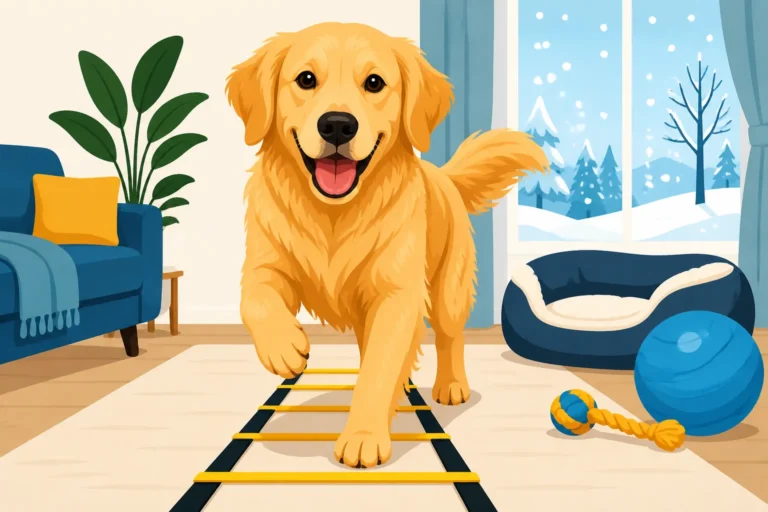
Continuing with mental enrichment is crucial, as this age can also bring out the "teenage rebellion" phase. Incorporate training, scent work, or puzzle toys to keep their minds busy, which can also help expend energy without impacting joints. Gradually, you can introduce more varied terrain on hikes, but always be aware of uneven surfaces that could cause a stumble. Consistency and moderation are your allies in ensuring their joints develop correctly.
Types of Exercise to Avoid with a Golden Retriever Puppy
Understanding what not to do is just as vital as knowing what to do when it comes to exercising your Golden Retriever puppy. Certain activities, while seemingly harmless or even beneficial for adult dogs, can be detrimental to a puppy's developing skeletal system. The goal is to prevent undue stress on those vulnerable growth plates and ensure proper joint formation.
High-Impact and Repetitive Activities
Any activity that involves high-impact landings, sudden stops, quick pivots, or repetitive jarring motions should be strictly avoided until your Golden Retriever is fully mature. This includes activities like jumping over obstacles, intense agility training, or long sessions of frisbee or ball chasing on hard surfaces. Think about the stress these put on ankles, knees, hips, and elbows – a puppy's body just isn't built to absorb that kind of shock repeatedly.
For example, chasing a ball thrown far across a concrete park might seem like fun, but each time your puppy slams on the brakes or leaps to catch it, their joints are taking a hit. These microtraumas might not cause an immediate limp, but over time, they contribute to inflammation and improper development, setting the stage for conditions like hip or elbow dysplasia later in life. Even going up and down stairs too frequently can be harmful, as discussed in Stairs and a Golden Retriever Puppy's Growing Joints.
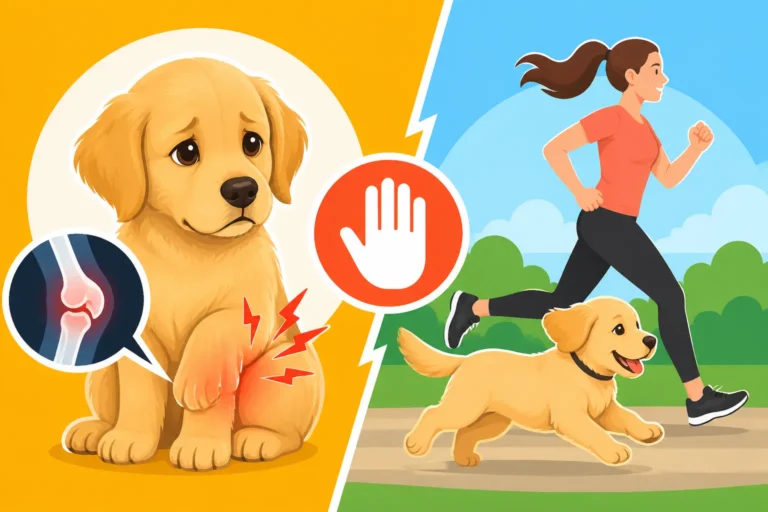
Similarly, jogging or running long distances with your young Golden Retriever puppy is a big no-no. While they might keep up with you easily, the continuous, repetitive impact on their growing joints can be very damaging. Wait until your vet gives the all-clear, typically after 18 months, before incorporating them into your running routine, and then start with very short distances and gradual increases. Your puppy's boundless energy doesn't necessarily mean their bones are ready for marathon training.
Forced, Overly Strenuous Exercise
It's common for Golden Retriever puppies to have seemingly endless energy, but this doesn't mean you should force them into exhaustive exercise sessions. Forced exercise, where the puppy is compelled to continue beyond their natural desire or capacity, can lead to injury and exhaustion. This includes long, brisk walks on a leash where the puppy can't choose to stop and rest, or being made to keep up with an adult human's pace for extended periods.
For instance, taking a young puppy on a forced hike for several miles, even if they seem to be enjoying it, can be detrimental. They might push through fatigue because they want to be with you, but their growing bodies aren't designed for sustained exertion. Instead, focus on self-directed play and shorter, more frequent outings where the puppy can dictate the pace and duration. Allow them to stop and sniff, to sit and watch, and to take breaks as needed.
Activities like pulling weights or rigorous competitive sports like dock diving or advanced agility are also too intense for puppies. These activities place extraordinary demands on developing joints and muscles, which are not yet strong enough to handle such stress without risk of injury. While a Golden Retriever loves to retrieve, even Swimming as Exercise for a Golden Retriever needs to be introduced gently and supervised to ensure they don't overexert themselves in the water.
Jumping and Twisting Movements
Any exercise that involves significant jumping, twisting, or sharp turns should be avoided. These motions put immense strain on the ligaments, tendons, and joints, especially the hips, knees, and elbows. Playing fetch with a ball that encourages your puppy to leap into the air or make sharp turns to catch it is risky.
Consider the potential for injury in situations where your puppy jumps off a high surface, like a bed or couch. While it might seem like a small jump, the impact can be significant for their soft growth plates. Provide ramps or steps for furniture access, especially if your puppy is prone to jumping. Even enthusiastic play with other dogs should be monitored to prevent excessive roughhousing that involves high jumps or wrestling.
When you're playing fetch, keep the throws low and close, encouraging short sprints rather than soaring leaps. Use toys that bounce predictably, and always play on soft surfaces. A soft grass lawn is far superior to pavement for any fetch or chasing games. The general rule is: if it involves significant air time or uncontrolled, high-speed directional changes, it's probably too much for a growing Golden Retriever puppy.
Spotting Signs of Over-Exercised Golden Retriever Puppies
Sometimes, despite our best intentions, we might push our puppies a little too hard. It's incredibly important to be attuned to the subtle and not-so-subtle signs that your Golden Retriever puppy is over-exercised or experiencing discomfort. Being vigilant can help you prevent minor issues from becoming serious long-term problems.
Physical Indicators of Strain
The most obvious signs of over-exertion are physical. Watch for any changes in your puppy's gait. Are they limping, even subtly? Is there any stiffness, particularly after resting or getting up from a nap? A puppy might favor a leg, or seem hesitant to put full weight on one paw. Sometimes, puppies will display a "bunny hopping" gait, where they move both back legs together, which can be a sign of hip discomfort. This is a crucial indicator to pay attention to, as it might signal underlying joint issues or temporary strain. If you notice a limp, consult your vet right away. You can learn more about this in Why Golden Retriever Puppies Limp After Play.
Look for swelling around joints, though this can sometimes be difficult to spot under their thick fur. Observe how they lie down and get up; if they do so slowly, awkwardly, or with a grunt, it could indicate pain or stiffness. Panting excessively, lagging behind during a walk, or collapsing into a deep sleep the moment they return home are also signs they've had too much. Remember, an exhausted puppy is not necessarily a healthy puppy. Even growth-related issues like Panosteitis in Growing Golden Retrievers can mimic signs of over-exercise.
Other physical cues include licking or chewing at a particular joint or paw, which can be a self-soothing behavior due to pain or discomfort. Check their paw pads for any abrasions or tenderness, especially if they've been on rough surfaces. Their nails might also show signs of wear if they've been running on pavement. If you notice any of these persistent physical signs, it's time to reduce their activity and consult your veterinarian.
Behavioral Changes to Monitor
Beyond the physical, your puppy's behavior can also tell you a lot. An over-exercised puppy might become irritable, less tolerant of handling, or unusually clingy. Just like human children, tired puppies can be cranky puppies. They might snap at you or other pets, or withdraw and become unusually quiet. This is their way of telling you they're not feeling their best.
A less obvious sign is an increase in destructive behaviors or what might seem like misbehavior. An overtired puppy, paradoxically, can sometimes become more hyperactive and destructive as their body struggles to cope with the exhaustion. They might nip more, chew inappropriately, or have more "accidents" in the house. This isn't necessarily defiance, but rather a sign that their physical and mental state is out of balance.
Observe their enthusiasm for typical activities. If your usually eager Golden Retriever puppy is suddenly hesitant to play, go for a walk, or engage with you, it could be a sign of discomfort or chronic fatigue. A healthy puppy should generally be excited for appropriate activities. If they seem "off" or their personality shifts, consider whether their activity level is a factor. Ensuring a balanced routine can help prevent issues with Golden Retriever Puppy Sleep and Night Crying that often stem from improper exercise.
Balancing Physical Activity with Mental Stimulation
While physical exercise limits are crucial for your Golden Retriever puppy's developing body, it's important to remember that they are highly intelligent dogs with a strong need for mental engagement. A tired mind can be just as effective as a tired body in creating a calm and happy puppy, without risking joint damage. In fact, for young puppies, mental stimulation is often more important than strenuous physical activity.
The Power of Puppy Brain Games
Golden Retrievers excel at learning and problem-solving, making them perfect candidates for brain games. Incorporating short, frequent training sessions throughout the day is an excellent way to provide mental exercise. Teach them basic obedience commands like "sit," "stay," "come," and "down." These not only provide mental challenge but also build a stronger bond between you and your puppy. Use positive reinforcement and keep sessions fun and brief – a few minutes multiple times a day is more effective than one long, tedious session.
Puzzle toys are another fantastic tool for mental stimulation. These toys require your puppy to figure out how to extract treats, engaging their minds and natural problem-solving instincts. Brands like Chewy and Amazon offer a wide variety of puzzle toys suitable for different skill levels. A snuffle mat, for example, encourages sniffing and foraging behavior, which is incredibly enriching and naturally calming for dogs. Hiding treats around the house for them to find also taps into their natural scenting abilities. How Much a Golden Retriever Puppy Can Focus is important here – keep it short and sweet.
Scent work and "find it" games are incredibly powerful for Goldens. Their strong retrieving and sniffing instincts mean these activities are highly rewarding. Hide their favorite toy or some kibble and encourage them to find it, starting easy and gradually making it more challenging. This not only engages their brain but also uses up mental energy, leaving them content and ready for a nap. These activities burn mental calories without stressing growing joints, making them perfect for those days when the weather isn't cooperating or your puppy needs a low-impact day.
Socialization and Exploration
Proper socialization is a form of mental and emotional exercise that's vital for a Golden Retriever puppy. Exposing them to new sights, sounds, people, and appropriate dogs in a controlled, positive manner builds their confidence and helps them navigate the world calmly. Puppy classes are excellent for this, offering safe environments for supervised play and exposure to new experiences.
Short, exploratory walks in novel environments are also incredibly stimulating. Letting your puppy sniff and investigate new smells on a leash in a park or a quiet neighborhood (after full vaccinations) provides a wealth of sensory information that tires their brain. Remember, a walk isn't just about covering distance; for a puppy, it's a rich tapestry of new experiences. Allow them to stop, sniff, and observe at their own pace.
Rotate their toys to keep things interesting. A toy they haven't seen in a week will often feel brand new and exciting. Consider rotating toys from a platform like Amazon regularly to keep their interest piqued. Introducing new textures, sounds, and smells through different toys or safe chew items also contributes to their mental well-being without placing strain on their physical body. The key is to provide variety and novelty, keeping their intelligent minds engaged and satisfied.
Creating a Balanced Routine for Your Golden Retriever Puppy
Developing a consistent, balanced routine is paramount for your Golden Retriever puppy's health and happiness. This isn't just about managing their energy; it's about providing structure, predictability, and safety during their most crucial developmental stages. A well-planned day will integrate appropriate exercise, mental stimulation, training, rest, and meal times, ensuring a well-rounded and thriving puppy.
Structuring Daily Activity
Start with a framework for your puppy's day, allocating specific times for different types of activity. For young puppies (under 6 months), this often means frequent, short bursts of activity followed by enforced rest. Think about small pockets of playtime, short training sessions, and brief, supervised outdoor potty breaks and exploration throughout the day. A typical day might involve 10-15 minutes of play/training, then 1-2 hours of crate rest. This cycle helps prevent over-stimulation and ensures they get enough sleep for growth.
As your puppy gets older (6-12 months), you can gradually lengthen the active periods and extend the walks, always adhering to the "5 minutes per month of age" rule for structured exercise. This doesn't mean you can't have more frequent potty breaks or short bursts of backyard zoomies, but conscious, leash-based walks should follow the guideline. Integrating mental games throughout the day, even during meal times with a puzzle feeder or a fresh food subscription service like Ollie, can make a huge difference in their overall contentment.
Remember to factor in socialization trips – short car rides, visits to a friend's house with a calm dog, or walks around a pet-friendly store (if appropriate for their vaccination status). These are incredibly tiring mentally for puppies. The key is balance: enough activity to prevent boredom and promote healthy development, but not so much that it risks injury or leads to an over-tired, cranky pup.
The Importance of Rest and Sleep
Just like human babies, puppies need a tremendous amount of sleep for proper growth and development. They can sleep anywhere from 16 to 20 hours a day! Ensuring your Golden Retriever puppy gets enough quality rest is just as important as monitoring their exercise. Overtired puppies can become nippy, destructive, and generally harder to manage, mimicking behavioral issues.
Establishing a consistent sleep schedule and providing a quiet, comfortable, and safe place for them to rest, such as a properly sized crate, is crucial. If your puppy seems to be bouncing off the walls or getting into mischief, often the solution isn't more exercise, but an enforced nap. Gentle enforcement, like leading them to their crate with a chew toy, can work wonders. This also teaches them how to "settle" and be calm, a skill many high-energy breeds struggle with.
Monitor your puppy’s energy levels carefully. If they are sleeping less than 16 hours a day or seem chronically wired, it's a sign that their routine might be off. Sufficient rest allows their bodies to repair, their bones to grow, and their minds to process all the new information they've absorbed. A well-rested puppy is a happier, healthier, and more trainable puppy, setting them up for a lifetime of activity without the toll of early overuse.
| Age Range (Golden Retriever Puppy) | Recommended Activity Type | Activities to Avoid Strictly | Duration/Frequency (General Guideline) | Key Focus |
|---|---|---|---|---|
| 8 Weeks – 4 Months | Short, supervised free play on soft surfaces; gentle sniffing walks; puppy classes. | Hard jumps (off furniture, high objects), stairs, long forced walks, rough play with large dogs. | 5-10 min structured walks, 2-3x/day; short play bursts. | Socialization, gentle exploration, mental stimulation. |
| 4 Months – 12 Months | Leash walks on varied (mostly soft) terrain; supervised, controlled play with appropriate dogs; gentle swimming. | Intense fetch with jarring stops/jumps, jogging, agility, long distance hikes, repetitive impact. | "5 min per month of age" rule for structured walks; 2-3x/day. | Gradual stamina building, continued mental engagement. |
| 12 Months – 18-24 Months | Longer brisk walks (45-60 min); short, controlled fetch; introduction to varied terrain. | High-impact competitive sports (advanced agility, dock diving), intense long-distance running. | Gradually increase duration and intensity of walks. | Final bone/joint development, preparing for adult activities. |
Disclaimer
This article is for general informational purposes only and does not constitute professional advice. Laws, prices and regulations vary by location and change over time. Consult a qualified professional for guidance on your specific situation.