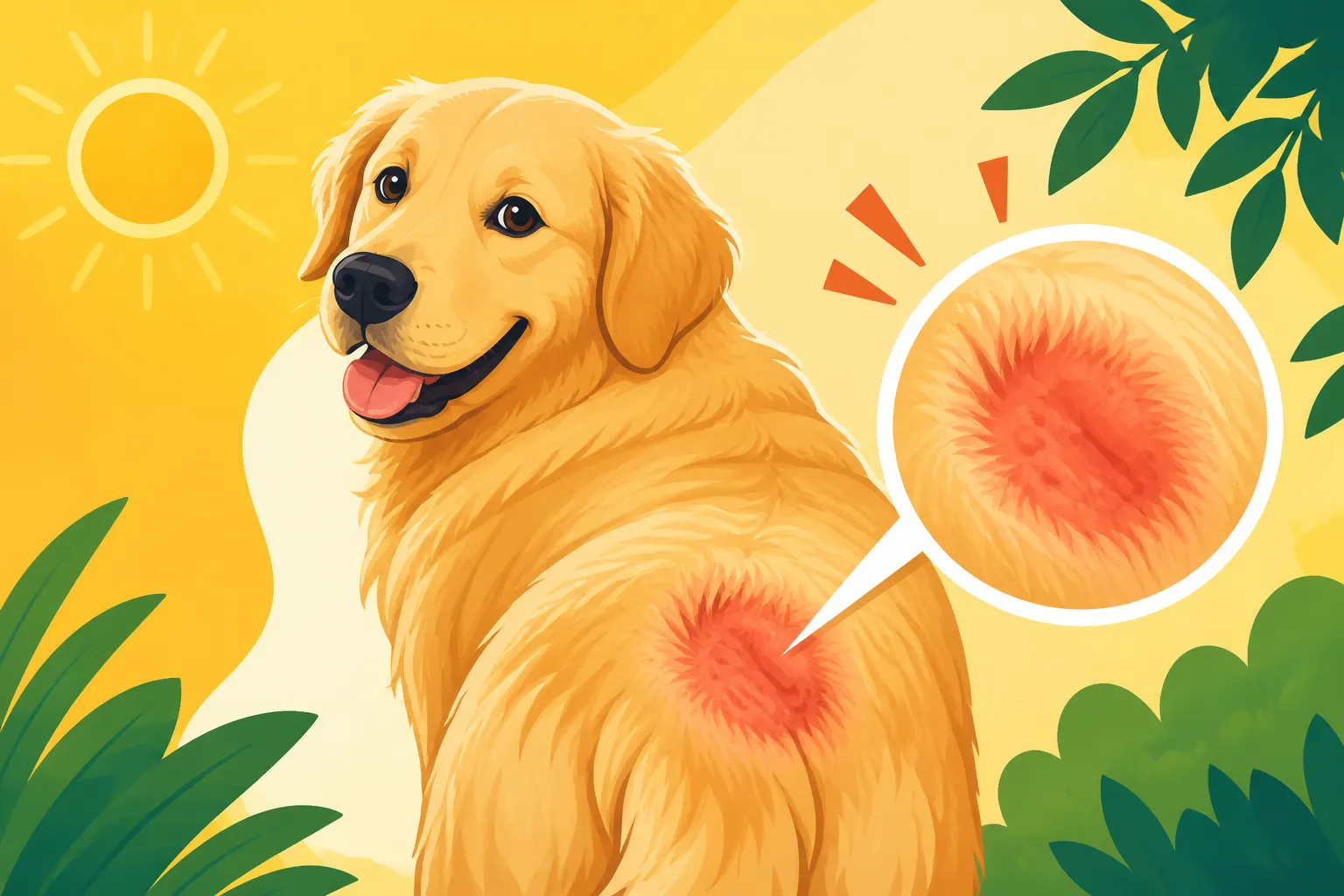
Why Goldens Get Hot Spots in Summer
It’s a frustratingly common sight for many Golden Retriever parents in the warmer months: that innocent scratch suddenly turns into a raw, angry red lesion, seemingly overnight. You wake up, and where there was nothing but beautiful golden fur yesterday, there’s now a painful, rapidly spreading patch that your beloved dog can’t stop licking. This guide will walk you through exactly why Golden Retrievers are so susceptible to these miserable "hot spots" in summer and, more importantly, what you can do to prevent and treat them, bringing relief to your furry family member.
Understanding Why Golden Retrievers Are Prone to Hot Spots in Summer
Hot spots are more than just a minor irritation; they're a painful skin condition that can worsen dramatically in a very short time. For Golden Retrievers, their very physiology and typical lifestyle choices often set the stage for these summer skin woes.
What Exactly is a Hot Spot?
A hot spot, medically known as acute moist dermatitis, is essentially a localized skin infection that appears suddenly and spreads with alarming speed. It starts with an itch – perhaps from an insect bite, an allergy, or trapped moisture – which prompts your Golden to lick, chew, or scratch the area excessively. This self-trauma quickly breaks the skin barrier, allowing bacteria (often already present on the skin) to invade. The result is a painful, red, oozing lesion that’s often covered in matted fur, making it hot to the touch and incredibly uncomfortable for your dog.
What makes them so frustrating is their acute nature. You might notice a small patch of damp, matted hair in the morning, and by evening, it could have quadrupled in size, oozing pus and looking absolutely dreadful. The constant licking and chewing create a vicious cycle, further irritating the skin and preventing healing, turning a small problem into a big, painful mess in a flash.
The Double-Coated Challenge
Golden Retrievers are renowned for their magnificent double coats – a dense, soft undercoat for insulation and a longer, water-repellent outer coat. While this luxurious fur is perfect for keeping them warm in winter and offering some protection from the elements, it becomes a significant liability in the summer heat and humidity.
This thick coat, especially the undercoat, is fantastic at trapping warmth and, crucially, moisture close to the skin. Imagine wearing a heavy wool sweater after a swim on a hot day – that's what your Golden's skin might be experiencing under their dense fur if not dried properly. The lack of air circulation creates a warm, damp environment, which is the perfect breeding ground for bacteria and yeast, leading directly to skin irritation and infections like hot spots.
Common areas for hot spots often include the neck, behind the ears, on the cheeks, along the back and rump, and on the inner thighs. These are typically spots where the coat is particularly dense, or where natural friction occurs, making them even more susceptible to moisture and heat buildup.
Common Summer Triggers for Golden Retriever Hot Spots
It's rarely just one thing that causes a hot spot. More often, it's a perfect storm of environmental factors and your Golden's unique predispositions combining to create the ideal conditions for these painful lesions.
The Role of Moisture and Incomplete Drying
Let's be honest, most Golden Retrievers adore water. A dip in the lake, a splash in the kiddie pool, or even just playing with a sprinkler on a warm afternoon is often their idea of heaven. This love for water, however, is a double-edged sword when it comes to hot spots.
If your Golden isn't thoroughly and completely dried after swimming or bathing, especially in humid conditions, that thick double coat will hold moisture against their skin for hours. This dampness, combined with body heat, essentially macerates the skin – making it soft, weak, and highly vulnerable to bacterial invasion. Even a walk in dewy grass or a sudden summer rain shower can leave enough moisture trapped in their fur to become problematic. It’s not enough for the outer coat to feel dry; the undercoat needs to be bone dry too. For more guidance on regular bathing, you might find our article on How Often to Bathe a Golden Retriever helpful.
Summer Allergies as a Root Cause
Many Golden Retrievers are unfortunately predisposed to allergies, and summer often brings a peak in environmental allergens. Pollen from trees, grasses, and weeds, as well as molds that thrive in damp, warm conditions, can trigger an allergic response. When a Golden is exposed to these allergens, their immune system overreacts, leading to intense itchiness.
This intense, generalized itching is often the first step toward a hot spot. Your dog starts scratching, licking, and chewing their skin to relieve the irritation, inadvertently breaking the skin barrier. Once the skin is compromised, bacteria seize the opportunity, and a hot spot erupts. While environmental allergies are common, some Goldens may also suffer from food allergies, which can cause year-round itching that might be exacerbated or seem worse during summer when combined with other irritants. To delve deeper into this, our guide on Golden Retriever Food and Skin Allergies offers comprehensive insights. When you see your Golden constantly licking their paws or scratching, it’s often a sign of underlying allergies that need attention. Our piece on Golden Retriever Paw Licking and Seasonal Allergies provides more context for these specific behaviors.
Parasites and Other Skin Irritants
Summer is peak season for fleas and ticks, and these tiny nuisances are significant hot spot triggers. For a Golden Retriever with flea allergy dermatitis, even a single flea bite can initiate an overwhelming allergic reaction, leading to incessant scratching and chewing that quickly escalates into a hot spot. Ticks, though less likely to cause widespread itching, can create localized irritation at the bite site, which a dog might chew until it becomes infected.
Beyond parasites, various other irritants can also spark a hot spot. Running through tall grass might embed burrs, foxtails, or other plant matter into your Golden’s fur, causing localized irritation. Insect bites from mosquitoes, flies, or even bee stings can be enough to start an itch-scratch cycle. Additionally, exposure to harsh chemicals on lawns or grooming products that irritate sensitive skin can also be contributing factors, leading your Golden to lick or chew at the affected area. It's crucial to use Flea and Tick Products Safe for Goldens to prevent these issues.
Proactive Prevention and Management Strategies
Dealing with a hot spot after it appears is challenging and often painful for your dog. The best approach, especially for a Golden Retriever, is proactive prevention. By understanding the common triggers, you can implement strategies to keep their skin healthy and happy all summer long.
Essential Grooming and Drying Routines
Given the Golden Retriever's dense coat and their love for water, diligent grooming and drying are perhaps the most crucial preventative measures. Regular brushing, at least a few times a week and ideally daily during shedding season, is non-negotiable. Using an undercoat rake or a deshedding tool like a slicker brush can help remove dead undercoat, which significantly improves air circulation next to the skin and reduces the amount of moisture the coat can hold. Our article on Brushing a Golden Retriever During Coat Blow can provide more insights into effective grooming during those heavy shedding periods.
After any exposure to water – be it a swim, a bath, or even a rainy walk – your Golden needs to be thoroughly dried. This means more than just a quick towel-off. Invest in highly absorbent towels, and consider a high-velocity dog dryer (like those used by professional groomers) to reach deep into the undercoat. Pay extra attention to commonly affected areas like the neck, ears, and hindquarters. If you’re unsure about the best way to care for their beautiful coat, our pillar post, Grooming a Golden Retriever's Double Coat, offers a complete guide.
Allergy and Parasite Control Measures
If your Golden is prone to allergies, working closely with your veterinarian is key. This might involve identifying specific allergens through testing, implementing an elimination diet for suspected food allergies, or using medications such as antihistamines, steroids, or newer allergy-specific drugs to manage the immune response. Some dogs even benefit from immunotherapy, which gradually desensitizes them to allergens over time. Regular vet check-ups can help catch subtle signs of irritation before they escalate.
Consistent, year-round flea and tick prevention is absolutely vital. Talk to your vet about the best oral or topical products for your area, as some parasiticides are more effective against certain pests than others. Never skip a dose, even in winter, as prevention is always easier (and less expensive) than treatment. Proactive management of these issues can make a world of difference. Furthermore, having a comprehensive pet insurance plan, such as Healthy Paws, can be incredibly beneficial. It helps cover the costs of ongoing allergy treatments, unexpected vet visits for acute hot spots, and any necessary medications, easing your financial burden and allowing you to focus on your Golden's well-being. Healthy Paws provides excellent coverage for chronic conditions like skin sensitivities that often plague our Goldens.
Recognizing Early Warning Signs
The key to preventing a minor irritation from becoming a full-blown hot spot lies in early detection. As a Golden Retriever owner, you become an expert in your dog's skin and coat. Make it a habit to regularly run your hands over their body, feeling for any unusual dampness, warmth, matted fur, or tenderness. Watch for changes in behavior: is your Golden suddenly licking a specific spot more than usual? Are they scratching one ear obsessively?
What might look like a small, innocent itch can quickly turn into something serious in a Golden Retriever. If you notice persistent licking or chewing at a particular area, a slight redness, or even just fur that feels unusually damp or sticky, investigate immediately. Gently part the fur to get a good look at the skin underneath. Catching these signs when they are still minor can allow for simple home remedies (like a quick clean and air dry) or a prompt vet visit before the situation becomes much worse and more painful. Our comprehensive guide on Golden Retriever Skin, Ear and Allergy Problems can help you identify various skin-related issues.
Here's a quick comparison to help you differentiate:
| Feature | Normal Itch/Minor Irritation | Emerging Hot Spot |
|---|---|---|
| Duration of Itch | Intermittent, occasional scratch | Persistent, obsessive licking/chewing |
| Skin Appearance | Healthy, clear, perhaps slightly pink | Red, inflamed, moist, often oozing, hair loss |
| Fur Appearance | Smooth, dry | Matted, wet, sticky from discharge |
| Temperature | Normal skin temperature | Warm or hot to the touch |
| Smell | None | Foul or yeasty odor (as infection sets in) |
| Pain Level | Mild or none | Moderate to severe pain, dog may guard the area |
| Speed of Progression | Slow, remains localized | Rapid, spreads quickly in hours/days |
Treating and Recovering from a Golden Retriever Hot Spot
Once a hot spot has fully developed, it's a painful and stubborn problem that typically requires veterinary intervention. Don't try to treat a significant hot spot with just home remedies, as it can quickly worsen.
Veterinary Diagnosis and Treatment Steps
When you suspect your Golden has a hot spot, a trip to the vet is in order. Your veterinarian will first clip the hair from around and beyond the lesion. This is a crucial step because it removes the matted fur that traps moisture and bacteria, allowing the skin to breathe and making the area accessible for treatment. This process can reveal how much larger the hot spot truly is beneath the fur.
After clipping, the vet will thoroughly clean the area with an antiseptic solution. They will then typically prescribe a combination of topical and oral medications. Topical treatments might include antibiotic creams, steroid sprays to reduce inflammation and itching, or medicated drying agents. Oral medications often include antibiotics to combat the bacterial infection and anti-inflammatory drugs (like corticosteroids) to control the pain, swelling, and itch. Sometimes, antihistamines are also used. Your Golden will likely need to wear an Elizabethan collar (the "cone of shame") or a soft recovery cone to prevent them from licking or chewing the area, which would undo all the treatment. Our article, Treating a Hot Spot on a Golden Retriever, provides more in-depth information on what to expect.
Home Care and Preventing Future Episodes
Once you've left the vet, your job is to diligently follow their instructions for home care. This usually involves cleaning the hot spot as directed, applying topical medications, and ensuring your Golden keeps the cone on to prevent them from irritating the area further. Keeping the area clean and dry is paramount for proper healing. Watch for any signs of the hot spot worsening or not responding to treatment and contact your vet if you have concerns.
Beyond treating the current hot spot, the real victory lies in preventing future occurrences. This means committing to consistent preventative measures discussed earlier: thorough drying after water activities, diligent grooming, year-round parasite control, and ongoing management of any underlying allergies. It can be a journey, especially for Goldens prone to chronic skin issues, but addressing the root cause is the only way to achieve long-term relief. Remember, unexpected vet visits for recurrent hot spots or ongoing allergy management can add up financially. This is where pet insurance, like Healthy Paws, can be a valuable asset. Investing in a good plan from Healthy Paws can help cover significant portions of these treatment costs, offering peace of mind and allowing you to prioritize your Golden's health without financial stress. They understand that a healthy Golden is a happy Golden!
Summer should be a time of fun and adventure for your Golden Retriever, not a season of discomfort from hot spots. While these painful skin conditions are a challenge many Golden owners face, with a clear understanding of why they happen and a proactive approach to prevention and care, you can significantly reduce their likelihood. Your commitment to diligent grooming, allergy management, and prompt veterinary care will ensure your beautiful Golden can enjoy the sunny days ahead, itch-free and happy.
Disclaimer
This article is intended for informational purposes only and is not a substitute for professional veterinary advice, diagnosis, or treatment. Always seek the advice of your veterinarian or other qualified health provider with any questions you may have regarding a medical condition.