Brushing a Golden Retriever During Coat Blow
Anyone who shares their life with a Golden Retriever knows that shedding isn't just a season, it's a lifestyle. But then, twice a year, something truly monumental happens: the "coat blow." Suddenly, your home transforms into a landscape of golden tumbleweeds, and you find yourself wondering if your beloved dog is secretly trying to redecorate with their own fur. This guide is here to demystify the intense shedding periods known as coat blow and provide you with a practical, empathetic approach to managing your Golden's magnificent mane, so you can both survive the fur storm with grace.
Understanding the Great Golden Coat Blow-Out
Let's be real, Golden Retrievers are shedding machines year-round, but "coat blow" is a whole different beast. It's an experience that can leave even the most seasoned Golden owner feeling overwhelmed by the sheer volume of hair. But once you understand why it happens, you can better prepare for it.
What Exactly is "Coat Blow"?
At its heart, coat blow is a natural physiological process where your Golden Retriever sheds their entire undercoat. Unlike humans who shed hair strands individually, dogs with double coats, like our Goldens, have a dense, soft undercoat that provides insulation and a tougher, water-resistant topcoat. The undercoat grows in thick for winter to keep them warm, and then, as the seasons change, it's time for that heavy insulation to go. It's like your Golden deciding to ditch their winter parka for a lighter spring jacket, but instead of putting it in the closet, they're distributing it generously throughout your home. This process is essential for their comfort and skin health, allowing new, appropriate fur to grow in.
Many owners mistakenly think this is just "more shedding," but it's fundamentally different. Regular shedding is a continuous replacement of individual hairs. Coat blow is a mass exodus of the entire insulating layer. It’s why you might pull handfuls of fluffy, downy fur off your dog, rather than just individual strands. It's a testament to the incredible design of their double coat, which helps them regulate their body temperature in various climates. You might also notice that the fur coming out during this time is particularly soft and cloud-like, distinct from the coarser guard hairs of the topcoat.
When Does It Happen?
Typically, Golden Retrievers experience a major coat blow twice a year: once in the spring as they shed their thick winter undercoat in preparation for warmer weather, and again in the fall to make way for the denser winter coat. Think of it as nature's way of recalibrating their internal thermostat. The exact timing can vary, though. For some Goldens, it's a very predictable event, almost to the week, dictated by changes in daylight hours and temperature. For others, particularly those living in more temperate climates with less distinct seasonal shifts, the process might be a bit more drawn out or less dramatic. When Golden Retriever Shedding Season Starts can be influenced by many factors.
Beyond the seasonal shifts, hormones play a significant role too. Unspayed females might experience a more noticeable coat blow after coming out of a heat cycle, due to hormonal fluctuations. Neutered males and spayed females, while still experiencing seasonal coat changes, sometimes shed more consistently throughout the year rather than having those distinct, intense coat blows. This is because their hormonal cycles are no longer signaling such dramatic shifts in coat growth. If you’ve ever wondered How Much a Golden Retriever Sheds Year Round, it’s a constant battle, but these specific periods are truly next-level. The duration of the coat blow can also vary; it might last a few weeks for some, while for others, it feels like an ongoing saga stretching for a month or more. How Long a Golden Retriever's Coat Blow Lasts often depends on how diligently you're brushing and removing the loose fur.
Essential Tools for the Furry Forecast
You wouldn't head into a blizzard without the right gear, and you shouldn't face coat blow unprepared either. Having the correct grooming tools on hand can make all the difference between a manageable shedding period and a household perpetually dusted in golden fluff. Investing in quality tools isn't just about efficiency; it's about making the experience as comfortable as possible for your dog and as effective as possible for you.
The Mighty Undercoat Rake: Your Best Friend
When coat blow hits, your absolute MVP tool will be an undercoat rake. This isn't your average brush; it's specifically designed to reach through your Golden's protective topcoat and gently pull out the loose, dead undercoat without damaging the healthy guard hairs. There are a few different types, but most feature a single or double row of metal teeth that are usually rounded at the tips to prevent scratching your dog's skin.
Look for a rake with rotating teeth, as these can be particularly effective at detangling and preventing pulling on the fur, which makes the experience more pleasant for your Golden. When shopping, whether you're browsing options on Amazon or picking up supplies from Chewy, you'll see various tooth lengths and spacing. For a Golden's thick coat, a rake with slightly longer, widely spaced teeth often works best to start, especially if there are any mats. As you work through the coat, you might find a rake with finer teeth helps grab the smaller, more stubborn loose hairs. Undercoat Rakes and Deshedding a Golden are truly indispensable. Using an undercoat rake regularly during a coat blow will significantly reduce the amount of fur that ends up on your furniture, floors, and clothes.
Slicker Brushes and Pin Brushes: For the Topcoat and Finish
While the undercoat rake tackles the bulk of the loose fur, slicker brushes and pin brushes still have their place during coat blow, primarily for maintaining the topcoat and ensuring everything is smooth and tangle-free. A slicker brush, with its fine, short wires packed closely together on a flat or curved surface, is excellent for removing smaller loose hairs, debris, and preventing mats in the feathering (the longer hair on your Golden's legs, tail, and belly). It's also great for fluffing up the coat and providing a polished finish after you've used the undercoat rake. Be gentle with a slicker brush, as the wires can scratch the skin if too much pressure is applied.
Pin brushes, which resemble human hairbrushes with widely spaced metal pins, are less about deep deshedding and more about general grooming, detangling, and distributing natural oils. They are particularly useful for the longer feathering, helping to keep it from matting, and can be a good choice for daily quick brushes between more intense deshedding sessions. Think of the pin brush as a nice massage for your Golden, and a good way to check for any new tangles or skin issues. These brushes are also fantastic for making the coat look smooth and shiny, which is a nice aesthetic bonus even during the shedding apocalypse. Which Brush Works on a Golden Retriever's Coat really depends on the specific task.
Deshedding Tools: Handle with Care
Deshedding tools, often recognizable by brands like FURminator, are another category of grooming implement that many Golden Retriever owners consider during coat blow. These tools have a blade-like edge with tiny teeth designed to reach deep into the undercoat and pull out loose hair. When used correctly and sparingly, they can be highly effective at removing large quantities of undercoat.
However, a word of caution: these tools must be used with extreme care. Overuse or improper technique can damage the topcoat, potentially cutting or breaking the guard hairs, which can affect the coat's natural texture and protective qualities. They can also irritate the skin if used too aggressively or too frequently. Instead of using them daily, which can be tempting given how much fur they remove, consider them a once-a-week or even bi-weekly tool during the peak of coat blow, always following the manufacturer's instructions. Always use a light touch, work in the direction of hair growth, and stop immediately if you see any redness or irritation on your dog's skin. Remember, the goal is to remove dead fur, not to cut or pull healthy hair or scratch the skin. For more on this, you might find Whether a Furminator Damages a Golden's Coat helpful.
Here's a quick comparison of popular grooming tools:
| Tool Type | Primary Use During Coat Blow | How it Works | When to Use | Key Considerations |
|---|---|---|---|---|
| Undercoat Rake | Removing dense, dead undercoat | Long, spaced teeth penetrate topcoat, pull loose undercoat | Frequently during peak coat blow (daily/every other day) | Essential for double-coated breeds; choose rotating teeth for comfort; be gentle to avoid skin irritation. |
| Slicker Brush | Removing loose topcoat, detangling feathering | Fine, bent wires gather loose hairs, smooth coat | After undercoat raking; daily for feathering prevention | Great for finishing; use light pressure to prevent "brush burn"; not for deep undercoat removal. |
| Pin Brush | General detangling, distributing oils, light grooming | Widely spaced pins gently comb through coat | Daily maintenance, gentle detangling, checking for mats | Less effective for heavy shedding; good for comfort and stimulating circulation; ideal for long feathering. |
| Deshedding Tool | Aggressive removal of large amounts of undercoat | Blade-like edge rakes out dead undercoat | Sparingly, 1-2 times a week during peak shedding | Can damage topcoat or irritate skin if overused; follow directions carefully; never use on matted fur. |
The Art of Brushing During Coat Blow
Brushing a Golden Retriever during coat blow isn't just a chore; it's a strategic operation. Approaching it with patience, the right technique, and a focus on your dog's comfort will make it a much more successful and less stressful experience for both of you. You want to make it feel like a positive interaction, not a battle against the fur.
Setting Up for Success: Location and Comfort
Before you even pick up a brush, consider your environment. During coat blow, you're going to be dealing with a lot of loose fur. Setting up outdoors on a calm, windless day is often the best option, allowing the shed fur to simply blow away (though maybe not into your neighbor's yard!). If outdoor grooming isn't feasible, choose an area indoors that's easy to clean, like a tiled floor, or lay down an old sheet or blanket to catch the flying fur. Having a designated "grooming spot" can also help your Golden associate that area with a positive, calm experience.
Ensure your Golden is comfortable and relaxed. A non-slip mat can provide stability on hard surfaces, and having some high-value treats on hand can turn grooming into a rewarding activity. Start with short sessions, especially if your dog isn't used to extensive brushing. You don't want to exhaust them or make them resent the brush. The goal is to make this a bonding time, not a punishment. If your Golden is generally cooperative, a raised grooming table can save your back, but for most home groomers, a comfortable spot on the floor or ground works perfectly.
The Layered Approach: Getting to the Undercoat
Think of your Golden's coat in layers, just like you'd approach painting a complex picture or styling hair. You can't just brush the top and expect the undercoat to magically disappear. You need to get down to the roots. Start by gently misting the coat with a dog-specific detangling spray or a very diluted conditioner. This helps to reduce static, makes the fur easier to work through, and can prevent breakage.
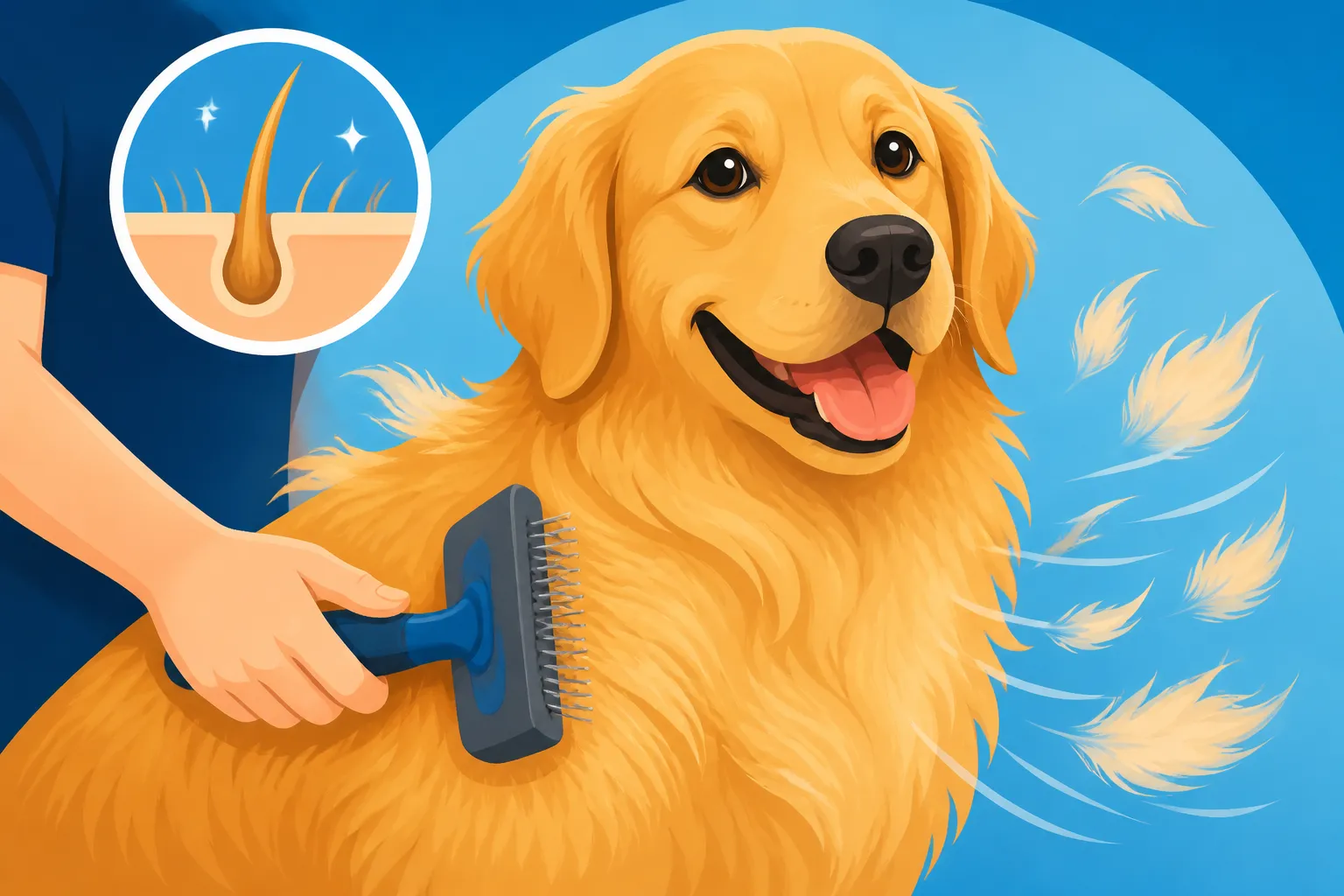
Next, section off your Golden's fur. This is a game-changer. Using one hand to hold back the top layer of fur, begin brushing the underlying coat with your undercoat rake. Work in small sections, always brushing in the direction of hair growth. Start from the head or neck and work your way down the body, making sure you're reaching all the way to the skin. Pay particular attention to dense areas like the rump, chest, and behind the ears, which are prime spots for matting.
After you've thoroughly raked out the undercoat from a section, follow up with a slicker brush to smooth the topcoat and catch any remaining loose hairs. Repeat this process, section by section, over their entire body. It’s methodical, yes, but it’s the most effective way to remove the maximum amount of dead fur. Don't rush; take your time, giving your Golden praise and treats throughout. You’ll be amazed at the literal piles of fur you’ll remove, and your Golden will feel lighter and more comfortable.
Post-Brush Care and Cleanup
Once you've finished the brushing marathon, the work isn't quite over. Giving your Golden a bath after a major deshedding session can be incredibly beneficial. It helps to wash away any remaining loose hairs, dander, and helps to stimulate the skin, promoting healthy new growth. Choose a good deshedding shampoo specifically formulated for double-coated breeds, which can often be found on platforms like Chewy or Amazon. Make sure to rinse thoroughly to avoid skin irritation. Bathing a Golden Retriever correctly is crucial.
After the bath, drying is key. Goldens have a dense coat that can take a long time to dry naturally, which can lead to skin issues. Towel dry vigorously, then use a dog-specific forced air dryer (not a human hairdryer, which can be too hot) to blow out any remaining loose undercoat and ensure the skin and fur are completely dry. This is often where you'll get another surprising amount of fur shedding out!
Finally, tackle the inevitable aftermath of fur. A good quality vacuum cleaner designed for pet hair is a must-have for Golden Retriever households. You might also want to invest in lint rollers for clothes and furniture. Regular vacuuming and cleaning during coat blow can feel like a full-time job, but staying on top of it helps keep your living space more manageable. For tips on battling the fur invasion, check out Keeping Golden Retriever Hair Off the Furniture and Vacuums That Handle Golden Retriever Hair.
Common Challenges and Solutions
Even with the best tools and techniques, coat blow can present its own set of challenges. It's a natural process, but that doesn't mean it's always easy. Understanding common hurdles and having strategies to overcome them will make the experience smoother for both you and your furry friend.
Mats and Tangled Feathering
One of the biggest frustrations during coat blow is the sudden appearance of mats and tangles, especially in the longer feathering around the ears, legs, chest, and tail. The shedding undercoat, if not removed, can get caught in the topcoat, creating dense knots that can be painful for your dog and difficult to remove. Prevention is always better than cure. Regular, thorough brushing sessions using an undercoat rake and slicker brush are your first line of defense. Pay extra attention to these "high-friction" areas.
If you do encounter a mat, resist the urge to pull or yank at it. This will only cause pain and make your dog associate grooming with discomfort. Instead, use a detangling spray and gently work at the mat with your fingers first, trying to pull it apart into smaller sections. Then, use a wide-toothed comb or a mat splitter tool, working from the outside edges of the mat inward, very carefully. Always make sure to get a finger between the mat and your dog's skin to prevent accidentally pulling or cutting the skin. If the mat is too large, too tight, or too close to the skin, it's best to consult a professional groomer who has specialized tools and expertise. Never attempt to cut out a mat with scissors unless you are absolutely confident and have done it many times, as it's incredibly easy to accidentally cut skin. For more detailed advice, read Mats Behind a Golden Retriever's Ears.
Dealing with a Reluctant Brushing Partner
Not all Goldens are eager participants in the grooming ritual, especially if they had a bad experience in the past or if the process is uncomfortable due to tangles. If your Golden is showing signs of resistance—pulling away, growling, nipping, or simply getting up and leaving—it's crucial to address it calmly and patiently.
Start with very short, positive sessions. Just a few minutes at a time, focusing on areas your dog tolerates well. Use high-value treats and plenty of praise. As you brush, offer a treat. Stop before your dog gets fed up, even if it means only doing a tiny section. Gradually increase the duration of your sessions. Desensitize them to the tools by letting them sniff and investigate the brushes before you even touch them to their fur. Reward calm curiosity. If they're particularly sensitive, consider taking them to a professional groomer for a few sessions. Groomers often have specialized equipment and techniques to make the experience less stressful, and a positive experience there can sometimes change your dog's attitude towards grooming at home. Consistency, patience, and positive reinforcement are key to turning a reluctant brusher into a cooperative companion.
Managing the Sheer Volume of Hair
Let's face it: during coat blow, the amount of hair coming off your Golden can feel never-ending. It's a constant battle, and it can sometimes feel like you're losing. But remember, every bit of loose fur you remove with a brush is a bit of fur that won't end up on your couch, in your coffee, or woven into your favorite sweater. Frequent brushing is your most powerful weapon. During peak coat blow, daily brushing, even if it's just 15-20 minutes, will make a massive difference. You won't get it all in one go, but consistent effort prevents the buildup of loose undercoat that leads to bigger shedding problems.
Consider designating "shedding towels" or blankets for areas your Golden frequents. Wash them regularly. For hard floors, a good stick vacuum or robot vacuum can be a lifesaver, running frequently to pick up the loose strands. For carpets and upholstery, a powerful upright vacuum with good attachments is essential. You might even want to try a lint roller designed for pet hair, or a rubber squeegee across carpets and rugs to pull up deeply embedded fur before vacuuming. Remember, Golden Retriever Shedding and How to Manage It is an ongoing effort, but the coat blow periods are when you need to be most vigilant. While it might feel like a never-ending task, keeping up with grooming not only maintains a cleaner home but also keeps your Golden more comfortable and healthier by preventing skin issues that can arise from matted or overgrown undercoat.
Disclaimer
This article is for general informational purposes only and does not constitute professional advice. Laws, prices and regulations vary by location and change over time. Consult a qualified professional for guidance on your specific situation.