Human Foods Safe for a Golden Retriever
One of the most common questions I get from fellow Golden Retriever parents is, "Can my dog eat this?" It’s a completely natural concern, especially when you're sitting down to a delicious meal and those big, soulful Golden eyes are fixed on your plate. We all want to share a little bit of our lives and our food with our furry family members, but the fear of accidentally giving them something harmful is very real. This guide is here to help you navigate the world of human foods, separating the safe, healthy treats from the dangerous no-gos, so you can share safely and confidently.
Understanding Your Golden Retriever's Unique Dietary Needs
It’s easy to think that if a food is good for us, it must be good for our beloved Goldens. While that's true for some items, a dog's digestive system is fundamentally different from ours. Their metabolism, their gut flora, and even their ability to process certain compounds vary greatly. That's why simply tossing them table scraps without thought can lead to anything from an upset tummy to a serious emergency.
Why Diet Matters for Golden Retrievers
Golden Retrievers, with their deep chests and eager appetites, are prone to certain health issues where diet plays a significant role. Maintaining an ideal weight is paramount for their joint health, especially given their predisposition to conditions like hip and elbow dysplasia. Overweight Goldens put undue stress on their developing or aging joints, accelerating wear and tear. A balanced diet designed for large breeds helps support their musculoskeletal structure and overall vitality. When considering treats, even healthy human foods, it's vital to remember that every calorie counts towards their overall intake. Ignoring this can quickly lead to weight gain, which can exacerbate issues like Golden Retriever Weight and Joint Damage.
Beyond weight, Goldens can also have sensitive stomachs or develop food allergies, making careful introduction of any new food crucial. Their large size means that while a small amount of an unsafe food might just cause mild discomfort in a tiny toy breed, it could lead to more severe reactions in a Golden. We want to nourish their bodies, support their long-term health, and keep them bouncing with that classic Golden energy, and diet is a huge part of that.
The Golden Rule: Moderation is Key
No matter how safe a human food is for your Golden, it should always be treated as a supplement or a special treat, not a main meal component. Your Golden Retriever's primary nutrition should come from a high-quality, balanced dog food that is formulated to meet all their nutritional requirements. Think of these human food additions as sprinkles on a cupcake, not the cupcake itself. They add variety, extra nutrients, and a fun bonding experience, but they shouldn't unbalance their core diet.
An easy way to remember this is the 10% rule: treats, including human foods, should make up no more than 10% of your dog's daily caloric intake. This helps prevent weight gain and ensures they're still getting the bulk of their necessary vitamins, minerals, and macronutrients from their specifically formulated dog food. If you're unsure about the daily caloric intake for your Golden, a quick chat with your vet or a careful look at the feeding guidelines on your dog food bag can provide clarity. This is especially true as their needs change with age and activity levels. For a general idea, you might find articles like How Much Food a Golden Retriever Eats in a Year helpful in understanding overall consumption.
What to Avoid: A Quick Overview
Before we dive into the good stuff, it's worth a quick mention of some absolute no-gos. This isn't an exhaustive list, but these are the big ones that owners often accidentally overlook. Always avoid: chocolate, onions, garlic, grapes, raisins, avocado, macadamia nuts, xylitol (a common artificial sweetener found in many human foods like sugar-free gum and some peanut butters), alcohol, caffeine, and anything with excessive salt, sugar, or fat. Cooked bones are also a major hazard because they can splinter and cause internal damage. We'll delve into specific dangerous items in more detail elsewhere, but consider these the immediate red flags. If your Golden ever ingests any of these, contact your veterinarian immediately. It’s always better to be safe than sorry when it comes to their health.
Fruits Golden Retrievers Can Safely Enjoy
Fruits can be a fantastic, hydrating, and vitamin-packed treat for your Golden, especially on a hot day. They offer natural sugars, fiber, and antioxidants, but the key is preparation and portion.
Berries: A Sweet and Healthy Treat
Berries are little powerhouses of nutrition, packed with antioxidants, vitamins, and fiber. They're generally low in calories and can make a wonderful, healthy snack for your Golden.
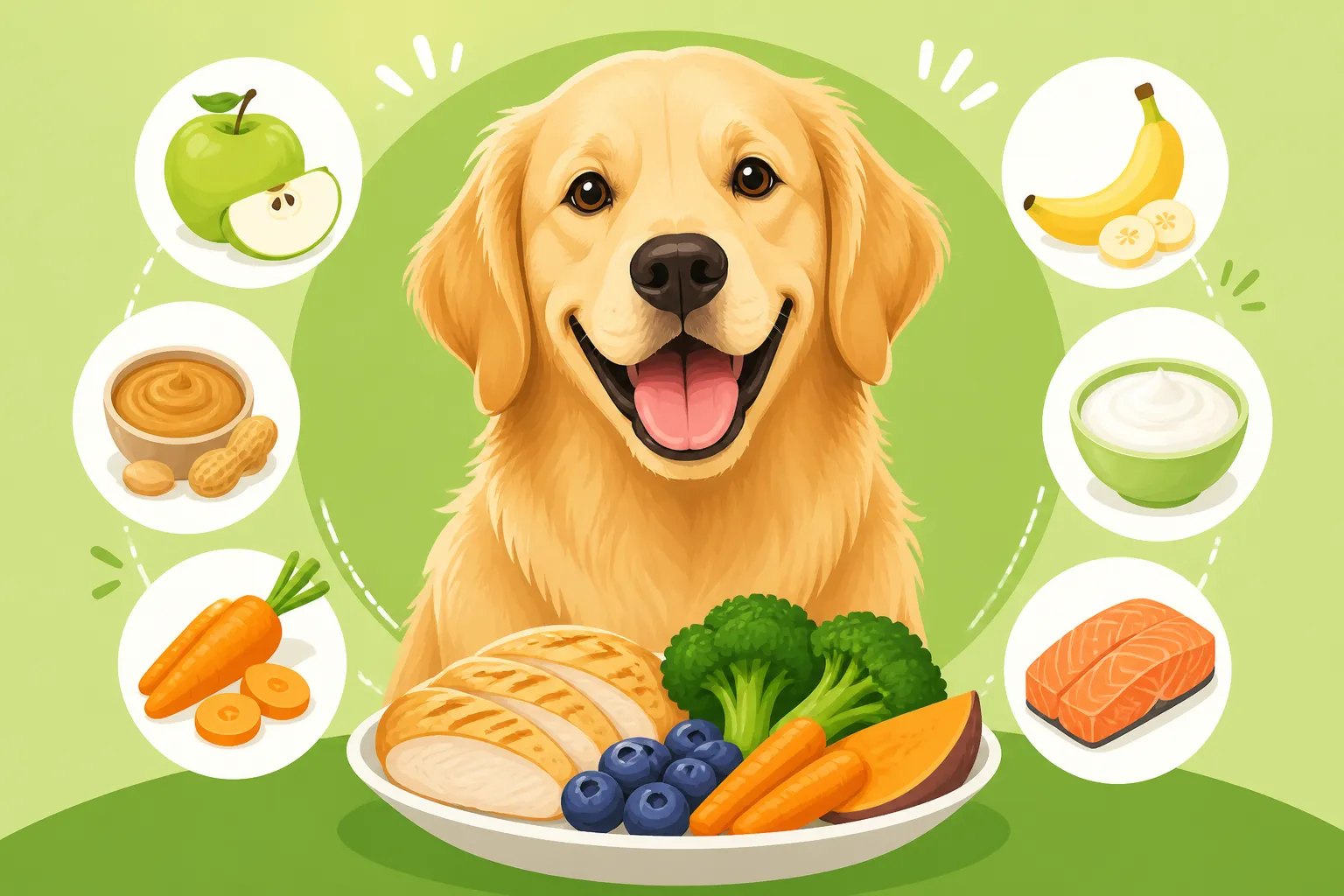
- Blueberries: These tiny blue gems are loaded with antioxidants, fiber, and Vitamins C and K. They are often considered a superfood for humans and can be a great addition to your Golden's diet in moderation. You can offer them fresh, or frozen blueberries make an excellent, refreshing treat in warmer weather. Just a handful at a time is usually sufficient for a large dog like a Golden Retriever.
- Strawberries: Rich in Vitamin C, fiber, and an enzyme that can even help whiten teeth, strawberries are another good choice. Make sure to wash them thoroughly and remove the green tops before offering them. You can slice them up or give them whole, depending on your dog's size and chewing habits. Again, moderation is key – a few whole strawberries or several slices are plenty.
- Raspberries: Similar to blueberries, raspberries are high in fiber, Vitamin C, manganese, and antioxidants. They contain a small amount of naturally occurring xylitol, but the quantity is usually too low to cause concern in larger dogs like Goldens when given in moderation. Still, it's wise to limit them to a smaller portion, perhaps no more than a few per day. Frozen raspberries are also a hit for many Goldens.
For a fun twist, you can mash up a few of these berries and mix them into plain, unsweetened yogurt (more on dairy later) or freeze them in an Amazon ice cube tray for a hydrating, cool treat.
Apples and Bananas: Classic Favorites
These common household fruits are often well-loved by Goldens and offer different nutritional benefits.
- Apples: Apples are a good source of fiber and vitamins A and C. The crunch can also be great for their teeth! However, the core and seeds of an apple contain small amounts of cyanide, which is toxic. Always remove the core and all seeds before giving apple slices to your dog. The skin is fine and adds extra fiber. Offer slices as a treat, not an entire apple, to avoid stomach upset from too much fiber. A few slices from one apple are usually enough for your Golden.
- Bananas: Bananas are packed with potassium, vitamins, and fiber. They are also relatively high in sugar, so they should be given in strict moderation. They can be a fantastic quick energy boost or a palatable way to hide medication. You can slice them, mash them, or freeze slices for a cool, chewy treat. A half to a full banana (depending on its size) is a generous serving for an adult Golden Retriever, so consider smaller portions more frequently. If your Golden seems to have a sensitive stomach, even a small amount of banana can sometimes cause a little looseness, so introduce it slowly.
Melons and Other Juicy Options
When the weather heats up, juicy melons can be a fantastic way to hydrate your Golden.
- Watermelon: This super hydrating fruit is safe for dogs, provided you remove all seeds and rind. The rind can be difficult to digest and cause choking hazards, while the seeds, though not toxic like apple seeds, can still cause intestinal blockages if consumed in large quantities. Watermelon is mostly water, making it a low-calorie, refreshing treat. Cut it into bite-sized pieces for easy consumption.
- Cantaloupe: Another sweet, hydrating melon that Goldens often enjoy. Like watermelon, ensure all seeds and rind are removed. Cantaloupe is rich in vitamins A and C, as well as fiber. Again, diced pieces are the safest and most manageable way to offer this treat.
- Pears: Pears are safe for Goldens in moderation, offering fiber, vitamins C and K, and copper. Similar to apples, the seeds contain trace amounts of cyanide, so always remove the core and seeds. The skin is fine to leave on. Cut into small, manageable pieces.
When introducing any new fruit, start with a tiny piece and observe your Golden for any signs of digestive upset, such as diarrhea, vomiting, or excessive gas. Every dog is unique, and what agrees with one might not agree with another.
| Fruit | Safe for Goldens? | Preparation | Key Benefits | Important Notes |
|---|---|---|---|---|
| Apples | Yes (Moderation) | Core and seedless, sliced | Fiber, Vitamins A & C, dental crunch | Seeds contain cyanide; rind is okay. |
| Bananas | Yes (Moderation) | Sliced, mashed, or frozen | Potassium, Vitamins, fiber, energy | High in sugar; small portions only. |
| Blueberries | Yes | Fresh or frozen, whole | Antioxidants, Vitamins C & K, fiber | Low calorie; great for training treats. |
| Cantaloupe | Yes | Seedless, rind-free, diced | Vitamins A & C, hydrating, fiber | Remove all seeds and rind to prevent choking/blockage. |
| Pears | Yes (Moderation) | Core and seedless, sliced | Fiber, Vitamins C & K, copper | Seeds contain cyanide. |
| Raspberries | Yes (Small amounts) | Fresh or frozen, whole | Fiber, Vitamin C, antioxidants | Contains trace xylitol; limit portion size. |
| Strawberries | Yes | Washed, green tops removed, sliced/whole | Vitamin C, fiber, teeth-whitening enzyme | Low calorie. |
| Watermelon | Yes | Seedless, rind-free, diced | Hydrating, Vitamins A & C, low calorie | Remove all seeds and rind to prevent choking/blockage. |
Vegetables That Are Good for Golden Retrievers
Vegetables offer a fantastic, low-calorie way to add vitamins, minerals, and fiber to your Golden's diet. They can be a crunchy treat or mixed into their regular food for an extra boost.
Crunchy Carrots and Green Beans
These two vegetables are staples in many dog owners' treat rotation for good reason. They're safe, healthy, and most Goldens absolutely love them.
- Carrots: Raw or cooked, carrots are an excellent, low-calorie snack. They're rich in beta-carotene, which is converted to Vitamin A in the body, supporting vision and immune health. The crunchy texture of raw carrots can also act as a natural tooth cleaner, helping to scrape away plaque. Just be sure to cut larger carrots into appropriate-sized pieces to prevent choking, especially if your Golden tends to gobble their food. Cooked carrots, either steamed or boiled plain, are softer and easier for some older Goldens or those with dental issues to enjoy.
- Green Beans: Fresh, frozen, or canned (no added salt!), green beans are another superb low-calorie option, particularly great for Goldens who need to watch their weight. They're full of vitamins, minerals, and fiber. Many owners use them as a healthy filler to make a meal feel more substantial without adding excessive calories, which can be helpful if your Golden is a bit too enthusiastic about their food bowl. Steam them lightly or offer them raw and chopped. Make sure they are plain – no butter, salt, or seasonings!
Both carrots and green beans can be found readily in most grocery stores and are often budget-friendly. They make excellent training treats when chopped small, providing a healthy alternative to processed options.
Leafy Greens and Broccoli
While not all Goldens are enthusiastic about greens, these options offer significant nutritional benefits.
- Spinach and Kale: These leafy greens are packed with vitamins (K, A, C), iron, and antioxidants. They are safe for dogs in small to moderate amounts. However, they contain oxalates, which can interfere with calcium absorption and contribute to kidney stones if consumed in very large quantities over time. For a Golden Retriever, small, chopped, steamed portions mixed into their food a few times a week are perfectly fine. Avoid feeding large, raw quantities regularly. Think of them as a healthy garnish rather than a primary food source.
- Broccoli: Both the florets and stalks of broccoli are safe for dogs in small amounts. It's rich in fiber and Vitamin C. However, broccoli contains isothiocyanates, which can cause mild to moderate gastric irritation in some dogs if consumed in large quantities. This means a few small, steamed or raw florets are fine as an occasional treat, but don't go overboard. Steaming them slightly can make them easier to digest. Avoid adding any butter or seasonings.
When offering any of these greens, chop them finely to prevent choking and aid digestion. It's often easier to mix them into your Golden's regular food if they're not keen on eating them plain.
Sweet Potatoes and Pumpkin
These two root vegetables are fantastic for digestive health and offer a host of nutrients.
- Sweet Potatoes: Cooked, plain sweet potatoes are a wonderfully nutritious and easily digestible food for Goldens. They are rich in dietary fiber, beta-carotene, vitamins B6 and C, and manganese. They can be particularly helpful for dogs with sensitive stomachs or during bouts of mild digestive upset. Always serve them cooked (boiled, steamed, or baked) and plain – never raw, as raw sweet potatoes are hard to digest. Cut them into small, manageable cubes or mash them into your dog's food. Avoid sweet potato fries or anything with added sugars, spices, or fats.
- Pumpkin: Pure, canned pumpkin (not pumpkin pie filling, which contains sugar and spices!) is a miracle worker for many canine digestive issues. It's high in fiber and moisture, making it excellent for both constipation and diarrhea. It's also packed with vitamins A, C, and E, and minerals like potassium. A spoonful or two mixed into your Golden's food can help settle an upset stomach or add a healthy boost to their regular diet. You can also offer cooked fresh pumpkin, but again, ensure it's plain and deseeded. Many Goldens love the taste, and it’s a healthy way to add bulk to their meals. Chewy and other pet supply retailers often stock plain canned pumpkin specifically for pets.
These vegetables can be invaluable tools in maintaining your Golden's overall health, especially their digestive regularity. Just remember, as with all human foods, portion control is key to prevent any unintended consequences.
Lean Proteins and Dairy in Moderation
When it comes to sharing your meal, lean proteins can be a healthy and satisfying treat for your Golden. Dairy, however, requires a bit more caution.
Cooked Meats for a Protein Boost
Protein is essential for your Golden Retriever's muscle development and overall health, and plain, cooked meats can be a fantastic, high-value treat.
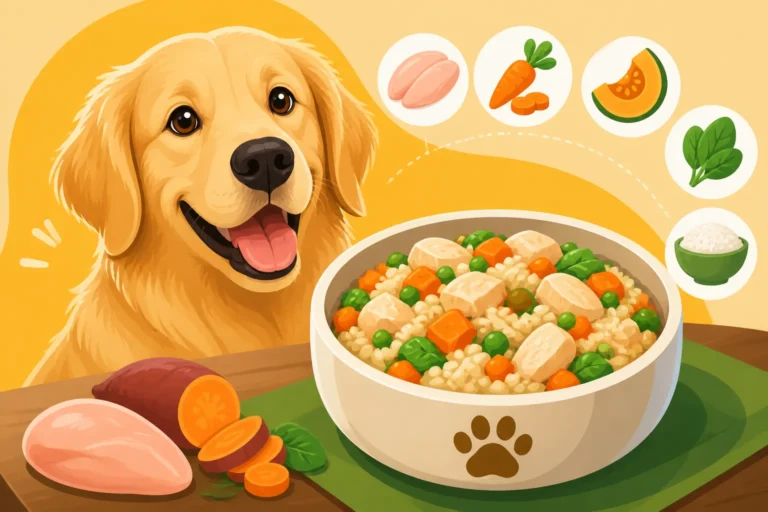
- Chicken: Boiled or baked, boneless, skinless, and unseasoned chicken breast is perhaps the most popular and safest meat to share with your Golden. It's a lean protein that's easy to digest and often used for dogs with upset stomachs. Always ensure it's thoroughly cooked and completely free of bones (which can splinter) and skin (which is high in fat and can cause pancreatitis). Shredded chicken can be an excellent motivator for training or a tasty topper for their regular kibble. It's also a good source of amino acids vital for their Best Protein Percentage for a Golden Retriever.
- Turkey: Similar to chicken, plain, cooked, boneless, skinless turkey is another lean protein option. Be especially careful around holidays to ensure no seasoned drippings, onions, or other harmful ingredients are present. A few small pieces of plain turkey breast can be a wonderful, safe treat.
- Lean Beef: Cooked lean ground beef or small pieces of steak (without any seasoning, sauces, or fat trimmings) can also be given in moderation. Always drain off any excess fat after cooking, as fatty foods can lead to digestive upset or pancreatitis in dogs. Hamburger patties made for human consumption often contain high levels of salt and other additives, so opt for plain, unseasoned beef if you're sharing.
The cardinal rule for any meat is plain, cooked, and free of bones. Never give your dog raw meat unless you are specifically following a carefully balanced raw diet under veterinary guidance, and absolutely never give cooked bones.
Eggs: A Complete Protein Source
Eggs are a powerhouse of nutrition, offering a complete protein profile and a wealth of vitamins and minerals.
- Cooked Eggs: Scrambled, boiled, or poached eggs (plain, without salt, pepper, butter, or oil) are an excellent, highly digestible source of protein, riboflavin, and selenium for your Golden. They can be a great addition to their breakfast or a special treat. Many Goldens absolutely adore eggs. The protein in eggs helps support muscle maintenance and energy levels, which is especially important for an active breed. Just like with meats, ensure they are thoroughly cooked to eliminate any risk of salmonella. A whole cooked egg a few times a week is a perfectly acceptable and healthy treat for an adult Golden Retriever.
Certain Dairy Products
Dairy can be a bit of a mixed bag for dogs, as many are lactose intolerant to varying degrees. However, some dairy products can be given in small amounts.
- Plain Yogurt: Small amounts of plain, unsweetened yogurt that contains live active cultures can actually be beneficial for your Golden's digestive system. Look for yogurts with no added sugars or artificial sweeteners, especially xylitol. The beneficial bacteria (probiotics) can aid in gut health. A spoonful or two occasionally is a safe amount for an adult Golden.
- Cottage Cheese: Plain, low-fat cottage cheese can also be offered in small quantities. It's a good source of protein and calcium. Again, check for any added ingredients, salt, or flavorings. A tablespoon or two as an occasional treat is usually well-tolerated.
- Cheese: While many dogs love cheese, it's generally high in fat and can be problematic for lactose-intolerant dogs. Small, infrequent amounts of mild, low-fat cheese (like mozzarella or cheddar) can be used as high-value training treats. However, for Goldens prone to weight gain or pancreatitis, it's best to avoid cheese or offer it very rarely and in tiny pieces. Always choose plain, unsalted varieties.
If your Golden shows any signs of digestive upset after consuming dairy (gas, diarrhea, vomiting), it's a clear sign they are lactose intolerant, and all dairy should be avoided. When in doubt, it's always safer to skip the dairy.
Grains and Other Staples for Your Golden
While commercial dog foods often contain grains, some human-grade grains and other common pantry items can be safe additions to your Golden's diet.
Cooked Grains: Rice and Oats
These humble grains are often recommended by vets for their digestibility and can be helpful for various situations.
- Plain Cooked Rice: White or brown rice, cooked plain without any salt, butter, or seasonings, is often the go-to recommendation for dogs with upset stomachs. It's easily digestible and can help bind stool. Many vets suggest a bland diet of plain cooked chicken and rice for Goldens recovering from digestive issues. Beyond that, a small portion of cooked rice can be mixed into their regular food as a source of carbohydrates or just to add some variety. It provides energy and can be a gentle way to introduce some fiber.
- Oatmeal: Cooked, plain oatmeal (rolled oats, not instant packets with added sugars or flavorings) is another easily digestible grain rich in fiber, vitamins, and minerals. It can be particularly soothing for dogs with sensitive digestive tracts. Ensure it's cooked with water, not milk, and served unsweetened. A small amount of plain oatmeal mixed into their morning meal can be a warm and comforting addition, especially on a chilly day. Whether Golden Retrievers Need Grain in Their Food discusses the general role of grains in a Golden's diet.
Always ensure these grains are thoroughly cooked to be easily digestible for your Golden. Raw grains can be tough on their system.
Peanut Butter (Xylitol-Free Always!)
Peanut butter is a beloved treat for many dogs, and Goldens are certainly no exception! It’s fantastic for filling KONGs, hiding pills, or just as a rewarding lick.
- The Critical Warning: The most important thing to remember about peanut butter is to always check the label for xylitol. Xylitol is a sugar alcohol that is extremely toxic to dogs, even in small amounts, causing a rapid drop in blood sugar (hypoglycemia) and potentially liver failure. Many brands of sugar-free or reduced-sugar peanut butter now contain xylitol. If you're unsure, or if the label says "sugar alcohol," "birch sugar," or "xylitol," put it back!
- Safe Peanut Butter: Opt for natural, unsalted, unsweetened peanut butter that lists only peanuts (and maybe a little palm oil) as ingredients. This provides a good source of protein, healthy fats, and vitamins B and E. Give it in moderation, as it's calorie-dense. A tablespoon or two is a good serving for an adult Golden, but remember to factor those calories into their daily intake, especially if you're managing their weight. You can easily find xylitol-free peanut butter options on platforms like Chewy or Amazon by specifically searching for pet-safe varieties. For more information on this critical danger, read Xylitol and Other Poisons in a Golden's Reach and Whether Golden Retrievers Can Have Peanut Butter.
Plain Popcorn
Surprise! Unsalted, unbuttered, air-popped popcorn can actually be a safe and fun treat in moderation.
- Air-Popped and Plain: The key here is plain. Popcorn itself is a whole grain that contains fiber. However, the butter, salt, caramel, and other seasonings we love on our popcorn are all bad news for your Golden. These can lead to stomach upset, dehydration, or even more serious issues if consumed regularly. A few pieces of plain, air-popped popcorn, without any toppings, can be a light, crunchy snack. Be mindful of unpopped kernels, which can be a choking hazard or get stuck in teeth. This is definitely an occasional treat, not a regular staple.
Always prioritize safety and read labels carefully when introducing any human food, especially something like peanut butter, where a seemingly innocent ingredient can be incredibly dangerous.
Important Considerations Before Sharing Human Food
Even with safe foods, there are still best practices to ensure your Golden's health and well-being. Thinking ahead can prevent stomach upset or other issues.
Always Introduce New Foods Slowly
Just like with humans, suddenly introducing a large amount of a new food can wreak havoc on your Golden Retriever's digestive system. Their gut bacteria need time to adjust to new ingredients.
When you decide to offer a new fruit, vegetable, or protein, start with a very small amount. For example, a single blueberry, a tiny sliver of apple, or a quarter-teaspoon of pumpkin. Wait 24-48 hours and observe your Golden for any adverse reactions. Look for signs like diarrhea, vomiting, excessive gas, lethargy, or loss of appetite. If they seem fine, you can gradually increase the portion size over several days. This slow introduction is particularly important if your Golden tends to have a sensitive stomach or if you're concerned about potential allergies. Being aware of Food Allergy Signs in a Golden Retriever can help you recognize if a new food isn't agreeing with them. If you suspect an allergy, stopping the food and consulting your vet is crucial; they might even suggest Running an Elimination Diet for an Itchy Golden.
This careful approach allows you to identify exactly what might be causing an issue if one arises, rather than wondering which of several new foods is the culprit. Patience is a virtue when it comes to canine digestion!
Portion Control and Calorie Intake
It's easy to get carried away when giving treats, especially with an eager Golden who can make you feel like they're perpetually starving! However, portion control is absolutely vital, not just for preventing digestive upset, but for managing their weight and overall health.
Remember that 10% rule: treats, including human foods, should not account for more than 10% of your Golden's daily caloric intake. If your Golden is on a weight management plan or is prone to gaining weight (which many Goldens are, given their love for food!), you'll need to be even stricter. A small apple slice might seem insignificant, but those calories add up quickly throughout the day. For example, if your Golden needs 1500 calories a day, their treats should not exceed 150 calories. That's not a huge amount when you consider how calorie-dense some human foods can be, even healthy ones.
You should always factor these treats into their daily allowance. On days you give more human food treats, you might need to slightly reduce the amount of kibble they receive to maintain a healthy balance. Regularly check your Golden's body condition score – you should be able to easily feel their ribs without seeing them, and they should have a discernible waist. For guidance on ideal weight, check out What a Golden Retriever Should Weigh at One Year. If you're struggling to manage your Golden's weight, low-calorie options like carrots and green beans, or even specific Low Calorie Treats for an Overweight Golden, can be your best friends.
Preparing Foods Safely
How you prepare human foods is just as important as what you're feeding. Simple preparation can prevent many common hazards.
- Remove all seeds, pits, and cores: Many fruit seeds and pits contain cyanide or can be choking hazards. Grape seeds aren't safe, and even larger pits from peaches or plums can cause intestinal blockages. Always err on the side of caution and remove them completely.
- Remove rinds and tough skins: The rinds of melons, the skin of avocados (which also contains persin, toxic to dogs), and tough outer leaves of vegetables can be difficult for dogs to digest and may cause choking or blockages. Peel or remove them before serving.
- Cook thoroughly and plainly: Most vegetables should be cooked to make them easier to digest. Meats and eggs must be cooked to eliminate bacteria like E. coli and salmonella. Never add salt, pepper, butter, oils, garlic, onions, or any other seasonings. These can be harmful or even toxic to dogs. Steaming, boiling, or baking plain are the safest cooking methods.
- Cut into bite-sized pieces: Especially for crunchy items like carrots or larger pieces of fruit, cut them into small, manageable chunks to prevent choking. Goldens, in their enthusiasm, can sometimes swallow pieces whole.
- Check for labels: As mentioned with peanut butter, always check ingredient labels for hidden dangers like xylitol in any processed human food you consider sharing.
A little extra effort in preparation goes a long way in keeping your Golden safe and healthy.
When in Doubt, Ask Your Vet
This is the ultimate safety net. If you are ever unsure about whether a specific human food is safe for your Golden Retriever, or if you have questions about portion sizes or potential interactions with existing health conditions, always consult your veterinarian.
Your vet knows your Golden's individual health history, any sensitivities they might have, and can provide personalized advice. They can also offer guidance on what to do if your Golden accidentally ingests something dangerous, like Grapes, Onions and Golden Retriever Emergencies. A quick phone call can prevent a stressful emergency trip and ensure you're making the best choices for your beloved companion. Don't rely solely on internet searches if you have a specific, urgent concern. Having a clear communication channel with your vet is one of the best things you can do for your Golden's long-term well-being.
Disclaimer
This article is for general informational purposes only and does not constitute professional advice. Laws, prices and regulations vary by location and change over time. Consult a qualified professional for guidance on your specific situation.