Low Calorie Treats for an Overweight Golden
It's incredibly frustrating when you realize your beloved Golden Retriever has packed on a few extra pounds. You love to spoil them, and treats are a big part of that bond, but knowing those tasty morsels might be contributing to their weight gain can feel like you're caught between a rock and a hard place. The good news is, you don't have to cut out treats entirely! This comprehensive guide will walk you through how to choose and use low-calorie options to keep your Golden happy, healthy, and at a proper weight without sacrificing those special moments.
Why Your Golden Retriever Might Be Overweight Beyond Treats
It's easy to point the finger solely at treats when your Golden starts looking a little rounder, but the truth is, weight gain is usually a multi-faceted issue. Treats definitely play a role, but often they're just one piece of a larger puzzle. Understanding all the contributing factors can help you create a more effective weight management plan for your furry family member.
The Hidden Calories in Everyday Habits
Think about your daily routine with your Golden. Do you sneak them a bite of your toast in the morning? A crust from your sandwich at lunch? Maybe a few kibbles from the cat's bowl (don't pretend you haven't seen them!). These little extras, often given without much thought, add up surprisingly quickly. A single potato chip might seem insignificant, but for a dog, it's proportionally much more caloric than it is for a human. Those leftover dinner scraps, while given with love, are usually loaded with fats, sodium, and ingredients that aren't good for your dog's waistline or overall health.
Even commercially available treats can be calorie bombs. Many popular crunchy biscuits or chewy sticks are designed for palatability, which often means they're dense in calories, fats, and sugars. If you're giving several of these throughout the day, on top of their regular meals, it's incredibly easy for your Golden to exceed their daily caloric needs. It's a classic case of death by a thousand delicious bites, and it's a frustration many Golden owners share because we just want to see our dogs happy.
The Importance of a Balanced Diet and Exercise
While treats are a focus here, they exist within the larger context of your Golden's overall diet and activity level. If your Golden is carrying too much weight, the first place to look is always their primary food source. Are you feeding the correct amount for their ideal weight, not their current weight? Are you measuring portions accurately, or just eyeballing it? Even a small overestimation of kibble per meal can lead to significant weight gain over time. Consulting with your veterinarian or using a feeding guide based on your dog's target weight can be incredibly helpful. You might be surprised at how much less food they actually need.
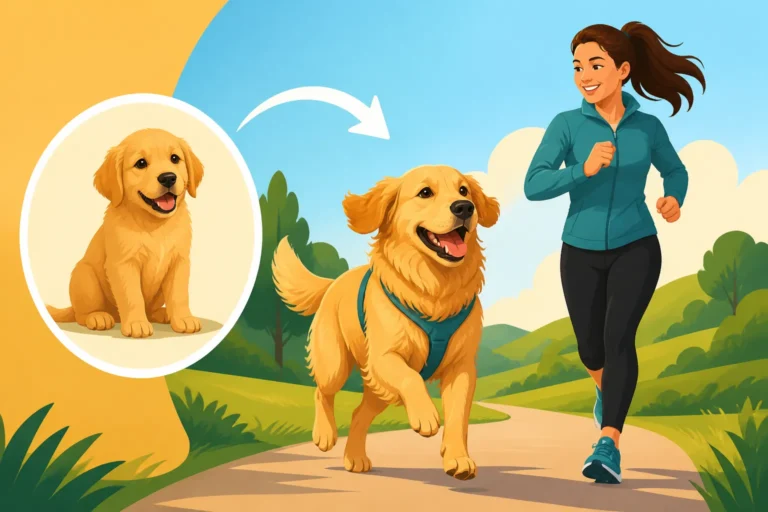
Beyond food, exercise is paramount for a Golden Retriever. These are active dogs, bred to retrieve game all day long, so they need regular, vigorous activity. If your Golden's daily routine consists mostly of lounging on the couch and short potty breaks in the yard, they simply aren't burning enough calories. Lack of exercise combined with excess calories is a direct path to an overweight dog. Think about daily walks, playtime in the park, swimming, or even active games of fetch in the backyard. It doesn't have to be a marathon, but consistent movement is key. For more on this, you might want to read Getting an Overweight Golden Retriever Back Down and understand Golden Retriever Weight and Joint Damage better.
How to Accurately Assess Your Golden's Weight
One of the hardest things as a loving owner is to objectively look at our dogs and admit they might be overweight. We see them every day, so changes can be gradual and hard to notice. The scale at the vet is one tool, but your hands are another incredibly important one. You should be able to easily feel your Golden's ribs when you run your hands along their side, much like feeling the knuckles on your hand when your palm is flat. You shouldn't see them prominently, but you should definitely feel them without pressing hard.
Their waist, just behind their rib cage, should tuck in slightly when viewed from above. From the side, there should be an abdominal tuck, meaning their belly isn't hanging low or level with their chest. If your Golden looks more like a furry barrel or a straight line from chest to tail, they're likely overweight. Learning Feeling a Golden Retriever's Ribs the Right Way and understanding Golden Retriever Body Condition Scoring can give you a much clearer picture of your dog's health status. It’s not about vanity; it’s about their health and longevity. After all, How Extra Weight Shortens a Golden Retriever's Life is a real concern for our beloved companions.
Understanding "Low Calorie" for Golden Retrievers
When you're trying to manage your Golden's weight, the term "low calorie" can feel a bit vague. What does it really mean for a dog? It's not just about picking something small; it's about making smart choices that provide satisfaction and nutritional value without adding unnecessary pounds.
What to Look for on Treat Labels
Just like human food labels, dog treat labels can be a minefield of confusing information. When looking for low-calorie options, your primary focus should be the guaranteed analysis and the calorie count per treat. Many treat packages will tell you the calories per biscuit or per serving, which is crucial. Don't just look at the total calories per bag; that's misleading if the bag contains a hundred treats!
Beyond the raw numbers, examine the ingredient list. Look for treats with whole, recognizable ingredients. Meat, vegetables, and fruits should be at the top of the list. Be wary of treats where the first few ingredients are ambiguous "meat by-products," corn, wheat, or soy fillers. While not inherently bad for all dogs, these can add calories without much nutritional punch and may contribute to allergies in some Goldens. Prioritize fiber-rich ingredients, as fiber can help your dog feel full.
The Role of Fiber and Protein in Diet Treats
Fiber and protein are your best friends when it comes to low-calorie treats that actually satisfy your Golden. Protein is essential for maintaining muscle mass, which is incredibly important for active dogs, especially when they're on a reduced-calorie diet. It helps them feel full and sustained. Look for treats with a good protein content from sources like lean meats (chicken, turkey, salmon).
Fiber, on the other hand, adds bulk to food without adding many calories. It helps with digestion, regulates blood sugar, and contributes significantly to satiety. Think of vegetables like green beans or carrots – they're packed with fiber and nutrients but are very low in calories. Treats that incorporate these natural, fibrous ingredients can be incredibly helpful. Instead of a dense, starchy biscuit, a treat with added pumpkin or sweet potato (in moderation) can give your Golden that feeling of fullness without derailing their diet.
The Danger of "Diet" Labels
You'll see plenty of dog treats marketed with "light," "diet," or "weight management" claims, and while these can be helpful, they're not a guaranteed solution. Sometimes, these labels mean the treat has slightly fewer calories than a regular version, but it might still be too high for frequent use in a weight loss plan. It's like a human "diet cookie" – it's better than a regular cookie, but if you eat the whole box, you're still not helping yourself.
Always check the actual calorie count per treat. Some "diet" treats achieve their lower calorie count by replacing healthy fats and proteins with fillers that offer little nutritional value. Others might contain artificial sweeteners or ingredients that aren't ideal for your Golden's long-term health. The best "diet" treats are simply those made with wholesome, low-calorie ingredients, rather than relying on heavy processing or artificial substitutes. It really comes down to being an informed consumer and scrutinizing those labels, even the ones that sound promising.
Top Low-Calorie Treat Options for Your Golden
When it comes to treating your Golden Retriever without adding extra pounds, you have a surprisingly wide array of options. The key is to be creative and thoughtful about what you offer. Let's explore some of the best choices, from fresh produce to smart commercial options and even some DIY ideas.
Fresh Fruits and Vegetables
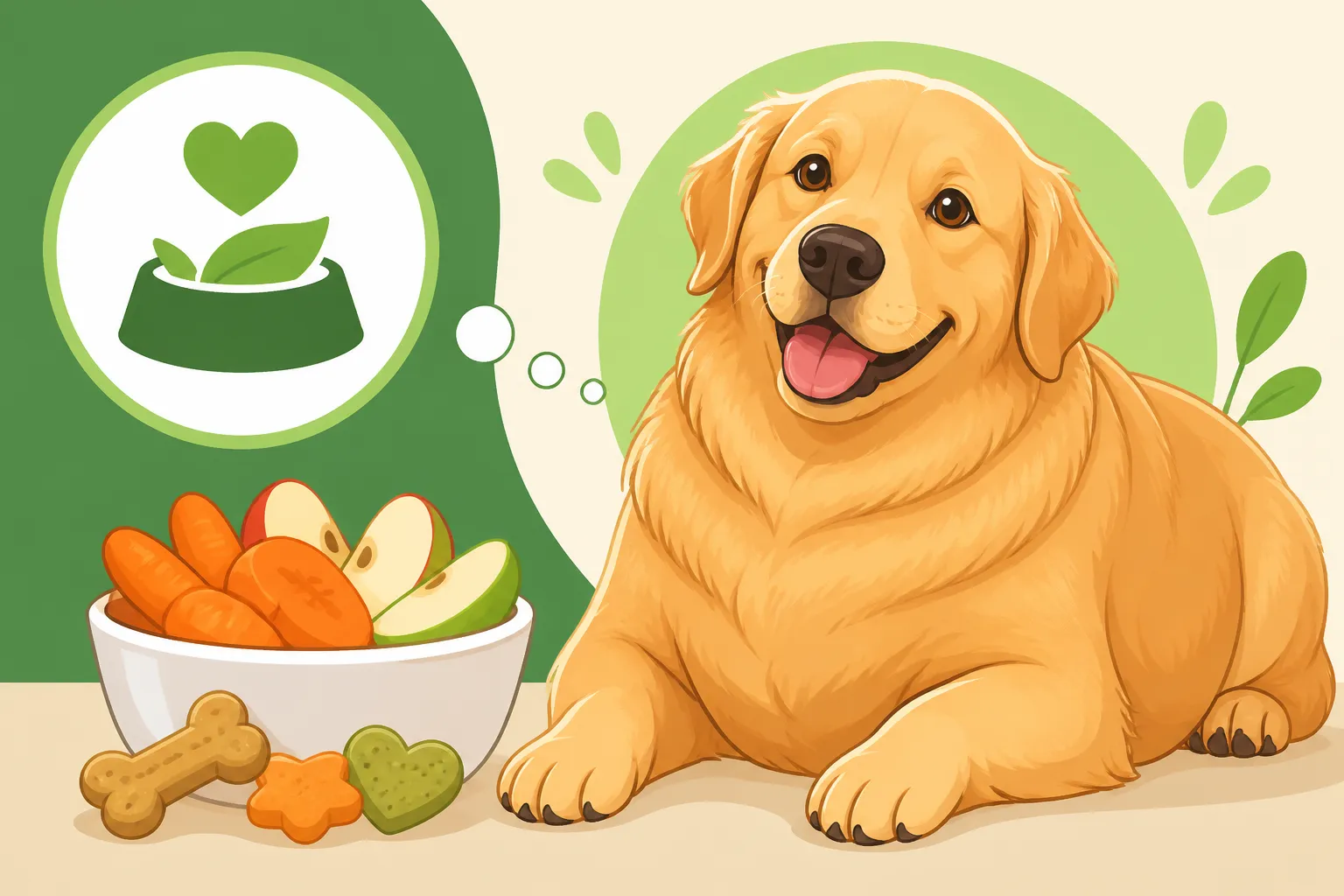
Nature provides some of the best low-calorie treats! Many fruits and vegetables are packed with vitamins, minerals, and fiber, making them excellent choices for your Golden. They offer a satisfying crunch or chew without the high calorie count of traditional dog biscuits.
Here are some fantastic options:
- Carrots: These crunchy delights are a favorite for many Goldens. They're great for dental health too! Offer them raw, either whole or in chunks.
- Green Beans: Frozen or fresh, plain green beans are incredibly low in calories and a good source of fiber. Many Goldens adore them.
- Apple Slices: Make sure to remove all seeds and the core, as apple seeds contain small amounts of cyanide. Sliced apples are a sweet, crunchy treat.
- Blueberries: A fantastic source of antioxidants, blueberries are small, sweet, and can be given fresh or frozen as a cool treat.
- Cucumbers: Mostly water, cucumber slices are refreshing and hydrating with very few calories.
- Pumpkin: Canned plain pumpkin (not pie filling!) is excellent for digestion and very low in calories. It can be mixed with food or frozen into cubes.
- Sweet Potato: Baked or boiled, plain sweet potato in small amounts is a healthy, fibrous treat. You can even dehydrate slices for a chewier option.
Always introduce new fruits and vegetables slowly and in small quantities to ensure your Golden's digestive system handles them well. Remember that moderation is still key, even with healthy options. A whole apple is too much, but a few slices are perfect. For a more comprehensive list of safe human foods, check out Fruits and Vegetables Safe for Golden Retrievers.
| Fruit/Vegetable | Key Benefit | Serving Suggestion (for an adult Golden) | Estimated Calories (per typical treat-sized portion) |
|---|---|---|---|
| Carrots | Dental health, Vitamin A | 1-2 baby carrots or 1" chunk | ~4-8 kcal |
| Green Beans | Fiber, Vitamin K | Handful (fresh or frozen) | ~3-5 kcal |
| Apple Slices | Fiber, Vitamin C | 2-3 thin slices (no seeds/core) | ~10-15 kcal |
| Blueberries | Antioxidants | 10-15 berries | ~5-10 kcal |
| Cucumber | Hydration, low cal | 2-3 slices | ~2-3 kcal |
| Plain Pumpkin (canned) | Digestion, fiber | 1-2 tablespoons | ~10-20 kcal |
| Cooked Sweet Potato | Fiber, Vitamin A | 1-2 small cubes | ~15-25 kcal |
Note: Calorie counts are approximate and depend on size and preparation.
Commercial Low-Calorie Dog Treats
The market is full of commercial treats, and thankfully, many brands now offer specific "light" or "weight management" options. When shopping, don't just grab the first one you see with a healthy-sounding label. Get into the habit of turning the bag over and looking at the nutritional information.
Here's what to keep in mind:
- Read the Label: Prioritize treats that clearly state the calorie count per piece. If it doesn't, it's harder to manage.
- Ingredient Quality: Look for treats with real meat or vegetable ingredients listed first. Avoid excessive fillers, artificial colors, or preservatives.
- Small Size: Often, simply choosing smaller-sized treats can make a huge difference. You might be able to give a few tiny training treats for the same calorie count as one large biscuit.
- Texture: Some chewy treats last longer, providing more satisfaction for fewer calories. Others, like crunchy baked options, can also be low cal if made with the right ingredients.
Brands like Chewy and Amazon offer a wide selection of treats, making it easier to compare nutritional information and find specific "light" formulations. Many reputable dog food brands also produce corresponding low-calorie treat lines that align with their healthy kibble. Don't be afraid to experiment with a few different brands to see what your Golden enjoys most, always keeping those calorie counts front and center.
DIY and Homemade Low-Calorie Treats
If you enjoy spending time in the kitchen, making your own low-calorie treats is a fantastic way to control ingredients and avoid unnecessary additives. Plus, your Golden will love the extra effort!
Here are some simple ideas:
- Frozen Broth Cubes: Use low-sodium chicken or beef broth (make sure it doesn't contain onions or xylitol, both toxic to dogs) and freeze it in ice cube trays. These are super low-calorie and a refreshing treat, especially in warmer weather.
- Baked Sweet Potato Chews: Slice sweet potatoes into thin rounds or strips, then bake them at a low temperature until they're chewy and dehydrated. These are naturally sweet and full of fiber.
- Plain Air-Popped Popcorn: Without butter or salt, air-popped popcorn can be a very low-calorie, fun, crunchy treat in small quantities. Just ensure no unpopped kernels make their way into your Golden's bowl.
- Scrambled Egg Whites: Cooked plain egg whites are pure protein and very low in fat and calories. A small amount, cooled and broken into pieces, can be a high-value, healthy treat.
- Frozen Yogurt Drops: Use plain, non-fat, unsweetened yogurt (ensure it doesn't contain xylitol) and dollop small amounts onto parchment paper, then freeze. These are creamy and cooling.
Making your own treats gives you complete control, which is great if your Golden has sensitivities or you're very strict about their diet.
Integrating Treats into a Weight Management Plan
Successfully using low-calorie treats for your Golden Retriever isn't just about picking the right kind of treat; it's about integrating them thoughtfully into a broader weight management strategy. Treats should enhance training and bonding, not sabotage their diet.
Portion Control is Key Even with Low-Calorie Treats
This cannot be stressed enough: even "low-calorie" treats still have calories. If you give too many, they will still contribute to weight gain. It’s a common pitfall. Owners switch to green beans, but then give ten times the amount they would of a traditional biscuit, negating the benefit.
Think of treats as a small percentage of your Golden's total daily caloric intake – typically no more than 10%. If you're actively trying to help your Golden lose weight, this percentage might need to be even smaller, or treats should be entirely swapped for a portion of their regular kibble (deducting the treat calories from their meal). A good practice is to pre-portion your Golden's daily allowance of treats in the morning, putting them in a separate container. Once they're gone, they're gone. This prevents accidental overfeeding and helps you stay accountable. Consistency is paramount when you're trying to achieve results. You might also find helpful advice in Putting an Overweight Golden Retriever on a Diet.
Using Treats for Training, Not Just Snacking
Golden Retrievers are incredibly smart and eager to please, which makes them highly trainable. Treats are powerful motivators for learning new commands or reinforcing good behavior. Instead of tossing a treat just because your Golden looked cute, make it work for them!
For instance, when teaching "sit" or "stay," use those low-calorie treats as a reward. Break larger treats into smaller pieces. A single baby carrot can be cut into three or four tiny training morsels. Your Golden will still feel rewarded, but they'll consume far fewer calories. This approach means treats become a valuable tool for mental stimulation and behavioral development, rather than just empty snacks. For ideas on appropriate rewards, refer to Best Treats for Training a Golden Retriever.
Creative Rewards Beyond Food
While food treats are certainly effective, they shouldn't be the only way you reward your Golden. Relying solely on food can inadvertently encourage begging behavior and reinforce the idea that every interaction should involve calories. Goldens thrive on attention, praise, and engaging activities.
Consider these non-food rewards:
- Verbal Praise and Affection: A hearty "Good boy!" followed by a scratch behind the ears or a belly rub can be incredibly rewarding for your Golden.
- Playtime: A quick game of fetch with their favorite tennis ball, a tug session with a rope toy, or even a few minutes of chasing bubbles can be a fantastic reward, especially after a successful training session.
- Walks and Outings: For a Golden, a short, exciting walk to a new sniffing spot or a trip to the local park can be the ultimate reward.
- Favorite Toy: Sometimes, simply giving them access to a cherished squeaky toy or puzzle can be enough.
Incorporating a variety of rewards keeps your Golden engaged and motivated without adding extra calories. It also strengthens your bond in ways that go beyond just food. A truly happy Golden Retriever is one that feels loved, stimulated, and healthy, not just one with a full belly. Looking for other ways to keep them engaged? Take a look at Mental Enrichment for a Bored Golden Retriever. And remember, your Golden's overall health starts with their primary nutrition, so understanding Feeding a Golden Retriever Through Every Life Stage is a key component of responsible ownership.
Disclaimer
This article is for general informational purposes only and does not constitute professional advice. Laws, prices and regulations vary by location and change over time. Consult a qualified professional for guidance on your specific situation.