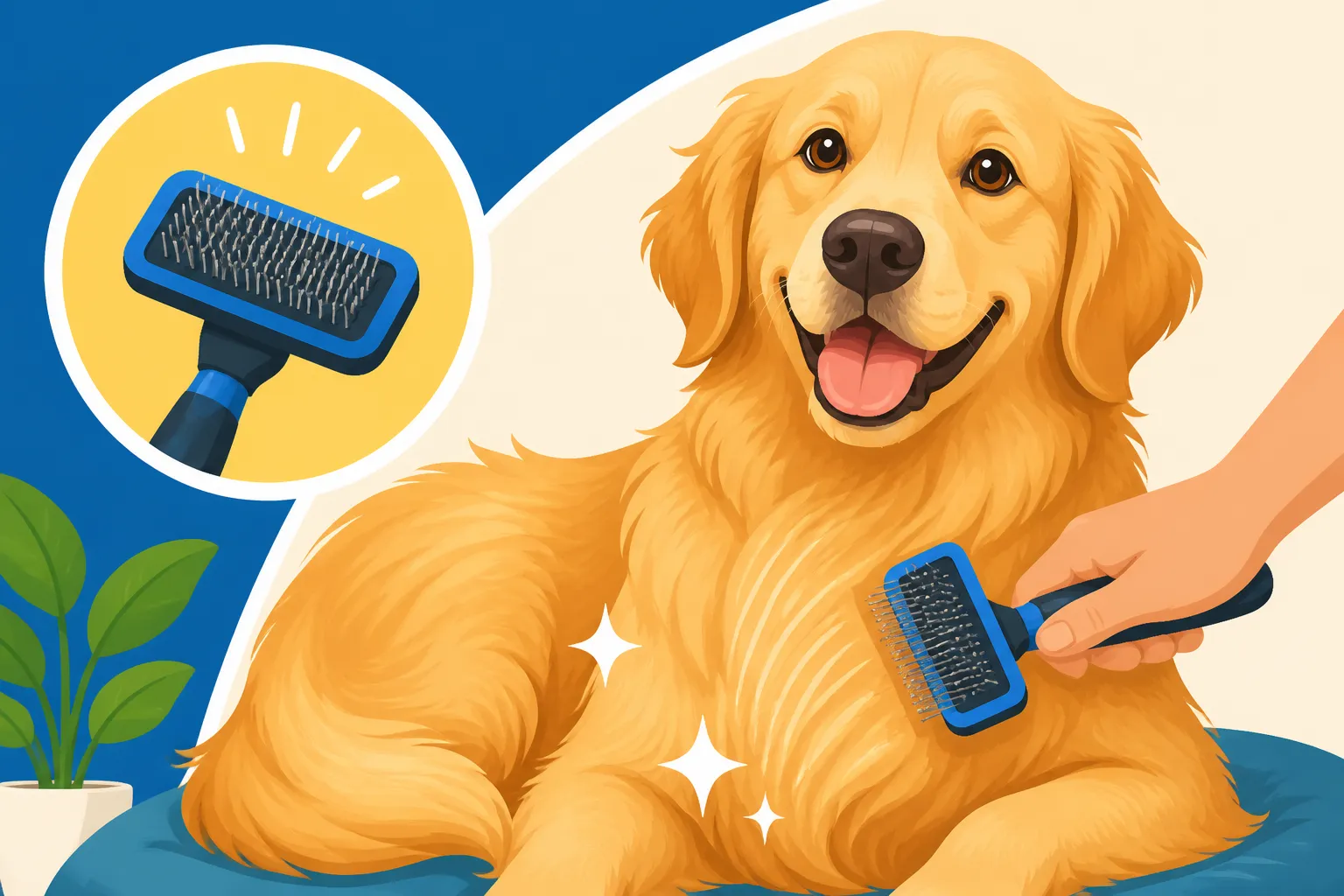
Brushing a Golden Retriever’s Coat Properly
Every Golden Retriever owner knows the struggle: you brush, you vacuum, you brush some more, and still, the tumbleweeds of golden fur seem to materialize out of thin air. It’s a never-ending battle against shedding, but more than that, it’s about keeping your beloved companion comfortable, healthy, and free from painful mats. This guide is here to walk you through the ins and outs of properly brushing your Golden Retriever, transforming what might feel like a chore into a rewarding ritual for both of you.
Why Brushing Your Golden Retriever Is Non-Negotiable
Brushing isn't just about making your house a little less hairy, although that's certainly a huge bonus. For a Golden Retriever, regular and proper brushing is absolutely fundamental to their health and well-being. Neglecting their coat can lead to a cascade of problems that are much harder, and more expensive, to fix down the line. It's a proactive step in preventing discomfort, skin issues, and even potential infections.
Understanding the Golden Retriever's Double Coat
To truly appreciate why brushing is so important, you have to understand the unique architecture of a Golden Retriever's coat. They possess a magnificent double coat, a marvel of natural engineering designed to protect them from the elements, whether they're retrieving waterfowl from icy lakes or lounging in the summer sun.
The top layer, known as the guard coat, consists of longer, water-repellent hairs. These are somewhat coarse to the touch and provide protection against dirt, moisture, and UV rays. Below this lies the undercoat – a dense, soft, and fluffy layer of fur. The undercoat is what provides insulation, keeping them warm in winter and helping to regulate their body temperature in summer by trapping cool air against the skin. While both layers contribute to shedding, it's primarily the undercoat that creates the bulk of the "golden glitter" you find everywhere. When loose undercoat isn't removed, it quickly becomes tangled with the guard hairs, leading to mats and hot spots. Think of it like a clogged drain; the old hair has nowhere to go, so it just builds up.
The Sheer Volume of Golden Retriever Shedding
Let's be realistic: Golden Retrievers shed. A lot. This isn't a breed for the faint of heart when it comes to dog hair. They are moderate, year-round shredders, but twice a year, usually in spring and fall, they go through what's affectionately known as a "coat blow." During these periods, they shed even more intensely as they exchange their thick winter coat for a lighter summer one, and vice-versa. How Much a Golden Retriever Sheds Year Round is something every owner comes to understand intimately.
Without regular brushing, all that loose hair doesn't just fall out neatly. It gets caught in the existing coat, forming dense tangles and mats that pull on the skin. These mats can be incredibly painful, restricting movement and causing skin irritation. Furthermore, matted fur creates an ideal breeding ground for bacteria, leading to skin infections, especially in warm, humid weather. Even outside of coat blow season, consistent brushing minimizes the amount of hair that ends up on your furniture, clothes, and floors, making your daily clean-up a little less daunting. It's an essential part of keeping their skin healthy and free from Golden Retriever Skin, Ear and Allergy Problems.
Gathering Your Golden Retriever Grooming Arsenal
You wouldn't go into battle without the right tools, and grooming your Golden Retriever is no different! Having the correct brushes and accessories on hand makes the process infinitely easier, more effective, and more comfortable for your dog. Investing in quality tools upfront will save you frustration and potentially painful grooming sessions for your furry friend.
Essential Brushes for a Golden Retriever
When it comes to brushing a Golden Retriever, a single brush simply won't cut it. You need a multi-pronged approach to tackle both the protective guard hairs and the dense undercoat. These are your non-negotiables:
- Undercoat Rake: This is arguably the most important tool for a Golden. An undercoat rake has widely spaced, usually curved, metal teeth designed to reach deep into the undercoat and pull out loose, dead hair without damaging the guard coat. Brands like Furminator are well-known, but many other reputable pet supply companies offer effective undercoat rakes. Using this regularly, especially during coat blow, will dramatically reduce shedding around your home. You'll be amazed at the sheer volume of fur these tools can remove. For a deeper dive into these tools, check out Undercoat Rakes and Deshedding a Golden.
- Slicker Brush: A slicker brush has fine, short wire bristles packed closely together on a flat or curved surface. These bristles are angled to prevent scratching the skin. Slicker brushes are excellent for removing smaller tangles, smoothing the coat, and getting out loose hair from the topcoat and upper layers of the undercoat. They're also great for fluffing up the feathering on legs and tail. Make sure to use gentle, short strokes to avoid "brush burn" on your Golden's skin.
- Pin Brush: This brush features widely spaced, rounded pins set into a rubber base. A pin brush is fantastic for finishing, detangling the topcoat, and ensuring the coat is smooth and free-flowing. It's also very gentle, making it a good choice for sensitive areas or for puppies just getting used to being brushed. While it doesn't remove as much loose undercoat as a rake or slicker, it's perfect for daily maintenance and checking for any missed tangles.
Other Helpful Grooming Tools
Beyond the core brushes, a few other items can elevate your grooming game and make the experience more pleasant for your Golden. You can find most of these essentials on platforms like Amazon or Chewy, which makes stocking up incredibly convenient.
- Detangling Spray: For those stubborn knots and mats, a good detangling spray is a lifesaver. Spritzing a matted area before attempting to brush can help loosen the tangle, making it easier and less painful to work through. Look for dog-specific formulas that are non-toxic and often contain conditioning agents.
- Blunt-Ended Scissors or Mat Splitter: For mats that are too tight to brush out, these tools are essential. A mat splitter has small blades designed to cut through the mat without cutting into the dog's skin. Blunt-ended scissors are safer for carefully snipping tight knots, especially in delicate areas. Always use extreme caution when using any cutting tool near your dog's skin.
- High-Value Treats: Positive reinforcement is key! Every good grooming session should end with praise and a delicious treat. This helps your Golden associate brushing with positive experiences, making them more cooperative in the future.
- Grooming Table (Optional): While not essential, a dedicated grooming table (even a sturdy, non-slip surface at home) can save your back and keep your Golden contained, making brushing more efficient.
Here’s a quick comparison of essential Golden Retriever brushes:
| Brush Type | Primary Function | Best For | How to Use |
|---|---|---|---|
| Undercoat Rake | Removing loose undercoat, preventing mats | Dense undercoat, seasonal coat blows | Long, firm strokes in direction of hair growth, reaching skin. |
| Slicker Brush | Detangling, removing surface loose hair, smoothing | All-over brushing, feathering, smaller tangles | Short, gentle strokes, working in sections. Be careful not to scratch skin. |
| Pin Brush | Gentle detangling, finishing, distributing oils | Topcoat, sensitive areas, daily maintenance | Long, sweeping strokes, good for puppies and checking for missed knots. |
Mastering the Art of Brushing Your Golden Retriever
Brushing your Golden Retriever isn't just about dragging a brush through their fur. It's a methodical process that, when done correctly, ensures their comfort, promotes skin health, and strengthens the bond between you two. Getting into a good routine and using proper technique makes all the difference.
Setting Up for a Successful Grooming Session
Before you even pick up a brush, a little preparation goes a long way in making the grooming session go smoothly for both of you. It's about creating a calm, positive environment where your Golden feels safe and relaxed.
First, choose a quiet time when your dog isn't overstimulated or overly tired. If they're a puppy, consider a time after they've had some play but before they're ready for a nap. For adult dogs, a relaxing evening can work well. Select a comfortable, non-slip surface at a convenient height. This could be a grooming table if you have one, or even just the floor with a non-slip mat. Avoid slippery surfaces like tile, as this can make your dog feel insecure and agitated. Have all your tools laid out and within easy reach: undercoat rake, slicker brush, pin brush, detangling spray, and plenty of high-value treats. A positive mindset from you is contagious; if you're stressed or rushed, your dog will pick up on it. Keep your tone calm and reassuring throughout. Desensitizing a Golden Retriever to Nail Trims offers similar advice on creating a positive association with potentially stressful grooming tasks.
The Step-by-Step Brushing Technique
Now that you're ready, let's get down to the actual brushing. The key is to work systematically, in sections, and to be thorough without being harsh. Remember, patience is your best friend here.
- Initial Inspection and Light Detangling: Start with a quick visual check and run your hands over your Golden's coat. Feel for any mats, lumps, or sore spots. Gently use your fingers to loosen any obvious tangles. If you find a knot, spritz it lightly with detangling spray and let it sit for a moment.
- Undercoat Rake – The Deep Clean: Begin with your undercoat rake. Work in small sections, starting from the back of your dog's neck and moving towards their tail, then down their sides, legs, and feathering. Hold the hair at the base near the skin with one hand (this technique is called "line brushing" or "pinning the skin") while you gently rake through the section with the other. This prevents the rake from pulling on their skin. Use long, firm, but not aggressive, strokes in the direction of hair growth. You'll be amazed at the amount of loose undercoat you remove. Pay special attention to areas prone to matting, like behind the ears, armpits, and the "pantaloons" (feathering on their hind legs). Keep brushing until you're no longer pulling out significant amounts of hair in each section.
- Slicker Brush – Smoothing and Finishing: Once you've thoroughly worked through the undercoat with the rake, switch to the slicker brush. Use short, gentle strokes, again working in sections, to smooth out the topcoat, remove any remaining loose hairs closer to the surface, and fluff up the feathering on their legs, tail, and chest. Be extra careful not to press too hard with the slicker brush, as the wire bristles can irritate the skin if used too vigorously. This step helps create that beautiful, flowing Golden Retriever coat.
- Pin Brush – The Final Polish: Finish the entire coat with a pin brush. This helps to distribute natural oils, leaving the coat shiny and healthy. It's also a great way to ensure there are no missed tangles and to give your Golden a final, gentle massage. If the pin brush glides easily through the coat, you've done a thorough job!
- Praise and Reward: Throughout the session, offer calm praise. At the end, reward your Golden with a favorite treat and some playtime. This reinforces that grooming is a positive experience. Remember, How Often to Brush a Golden Retriever really depends on the individual dog and the season, but consistency is key.
Tackling Common Brushing Challenges
Even with the best intentions and the right tools, you might encounter some common challenges when brushing your Golden Retriever. From stubborn mats to a squirmy puppy, these situations require a bit of extra patience and the right approach. Don't get discouraged; every seasoned Golden owner has been there!
Dealing with Mats and Tangles Effectively
Mats are the bane of a Golden Retriever owner's existence. They form when loose hair gets hopelessly tangled and compacts, often in high-friction areas or where the fur is softer and longer. Common matting spots include behind the ears, in the armpits, on the chest, and in the feathering on the legs and tail. Addressing these effectively and gently is crucial to prevent pain and skin problems. For specific problem areas like Mats Behind a Golden Retriever's Ears, extra care is needed.
When you encounter a mat, resist the urge to pull or yank at it with a brush. This will only hurt your dog and make them dread future grooming sessions. Instead, start by spraying the mat generously with a dog-specific detangling spray. Gently work the spray into the mat with your fingers. Then, using a slicker brush or a comb with wider teeth, start picking at the very edges of the mat, working your way inward. Try to separate small sections of the mat rather than trying to brush through the whole thing at once. If the mat is very tight and close to the skin, a mat splitter or blunt-ended scissors might be necessary. With a mat splitter, you carefully slide it under the mat and use the blades to slice through it, breaking it into smaller, more manageable sections. If using scissors, always point the blades away from the skin and only snip into the mat, never cutting along the skin line. When in doubt about a particularly severe mat, it's always best to consult a professional groomer or your vet. They have specialized tools and techniques to remove mats safely without injuring your dog.
Brushing Sensitive Areas and Puppy Introduction
Some areas on a Golden Retriever are naturally more sensitive or difficult to reach, requiring a gentler touch. The tail, ears, and belly are prime examples. The feathering on the tail, while beautiful, can easily mat and tends to be sensitive when pulled. The fur behind and under the ears is fine and soft, making it prone to tangles. The belly and inner thighs are often ticklish, and the skin here is delicate.
When brushing these areas, switch to a pin brush or a wide-toothed comb, and use very light strokes. Talk to your Golden in a calm, soothing voice, and offer small, frequent treats to make it a positive experience. For puppies, early introduction to brushing is paramount. Start with very short sessions, just a few minutes long, when your puppy is relaxed. Use a soft pin brush designed for puppies, or even just your hands, to gently stroke their coat. Let them sniff and investigate the brush. Pair these sessions with lots of praise and high-value treats. Gradually increase the duration and intensity as your puppy becomes more comfortable. The goal is to make brushing a normal, even enjoyable, part of their routine from a young age. This foundation will pay dividends throughout their life, preventing future struggles. Consider what you might include in a Golden Retriever Puppy Starter Kit Costs that includes basic grooming tools.
Brushing Schedules and Seasonal Shedding
Understanding when and how often to brush your Golden Retriever is just as important as knowing how to do it. Their grooming needs aren't static; they fluctuate throughout the year, primarily driven by their natural shedding cycles. Being prepared for these changes will help keep your Golden's coat in top condition and your home a little cleaner.
Daily Versus Weekly Brushing Needs
For most Golden Retrievers, especially those living indoors, a good rule of thumb is to aim for a quick daily brush and a more thorough session a couple of times a week. The daily quick brush can be a simple once-over with a pin brush, which helps remove any surface loose hair, distributes natural oils, and keeps minor tangles from forming. It's also a fantastic opportunity for a quick bonding moment with your dog. Think of it as preventative maintenance; a few minutes a day can prevent bigger problems later.
Then, at least two to three times a week, commit to a more comprehensive session using your undercoat rake and slicker brush. This is where you delve deeper into the coat to remove dead undercoat and prevent mats from forming. If your Golden is very active, spends a lot of time outdoors, or has particularly long, dense feathering, you might find that more frequent thorough brushings are necessary. Regularly running your hands through their coat will give you a good indication of how much loose hair is present and if any mats are starting to develop. Consistency is key; it's far easier to maintain a healthy coat than to try and rescue a neglected one.
Managing the Infamous Golden Retriever Coat Blow
The term "coat blow" strikes a mix of dread and resignation into the hearts of experienced Golden Retriever owners. This intense shedding period typically occurs twice a year, in spring as they shed their heavy winter coat, and in fall as they prepare for a new, thicker one. During these times, the volume of hair your Golden loses will increase dramatically, and your brushing efforts will need to ramp up accordingly. You'll understand why Golden Retriever Shedding and How to Manage It is such a common concern.
During a coat blow, you should be brushing your Golden Retriever daily, and these sessions will need to be thorough, often lasting 30 minutes or more. Focus heavily on your undercoat rake, as this is the tool that will extract the massive amounts of dead undercoat. You might find yourself filling entire grocery bags with fur! While it feels like a monumental task, consistent daily brushing during these periods is the best defense against severe matting and reduces the amount of hair floating around your home. Consider taking your Golden for a bath during this time to help loosen some of the dead hair, following up with a thorough brushing once they are dry. You can read more about proper bathing techniques in Bathing a Golden Retriever. After a good bath, the undercoat often releases even more readily with the rake. Remember, even though it seems like a lot of work, it's a temporary phase that ensures your Golden stays comfortable and healthy. It also helps prevent issues like hot spots, which can arise when dense, dead fur traps moisture and heat against the skin.
Disclaimer
This article is for general informational purposes only and does not constitute professional advice. Laws, prices and regulations vary by location and change over time. Consult a qualified professional for guidance on your specific situation.