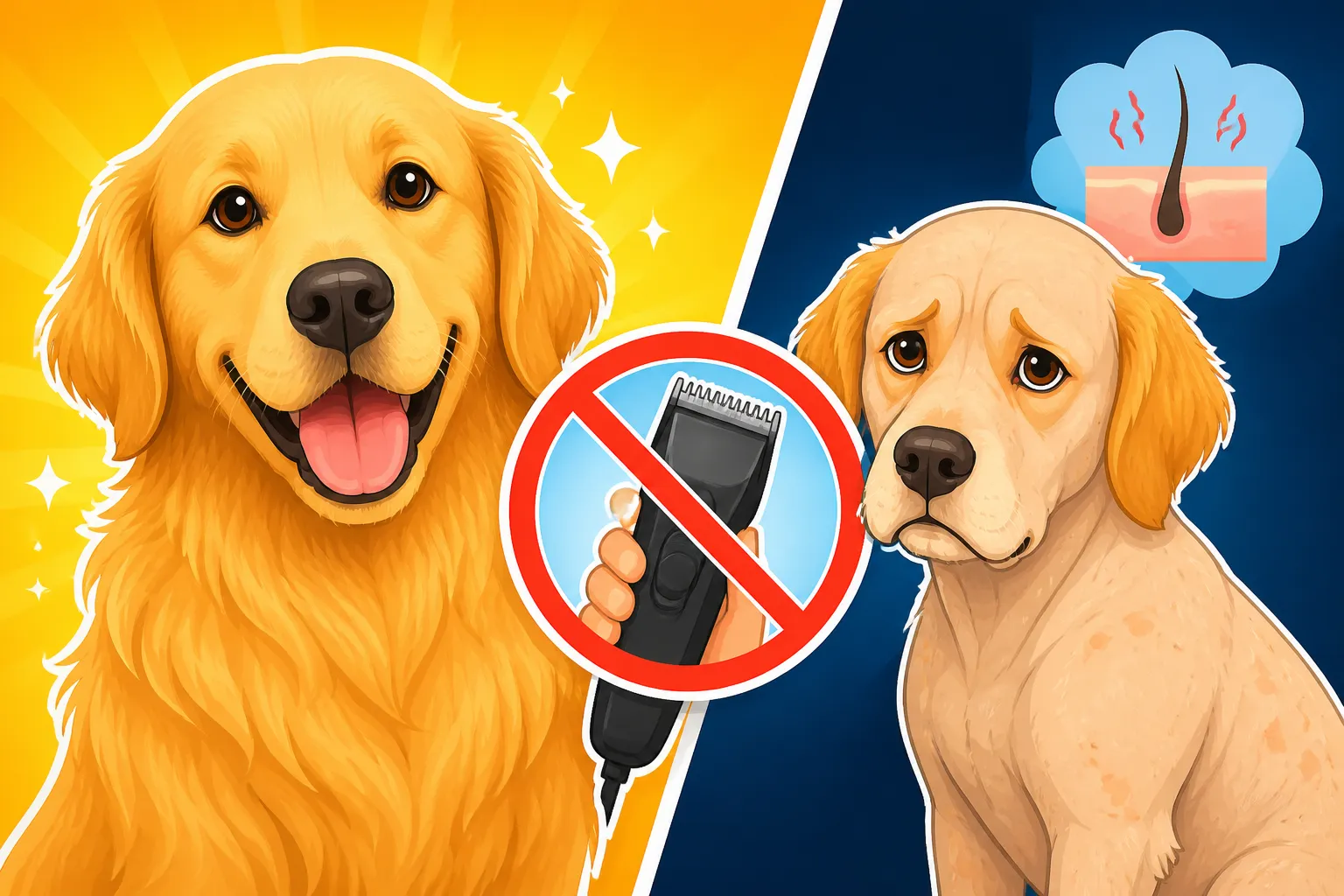
Why You Never Shave a Golden Retriever
It's a hot summer day, and you're watching your beautiful Golden Retriever panting after a short stroll. The thought crosses your mind: "Wouldn't it be kinder, cooler even, to shave all that thick fur off?" It's a natural instinct, wanting to relieve your dog from the heat. However, that very act, while seemingly helpful, can actually do more harm than good to your beloved Golden. This guide will dive deep into why shaving your Golden Retriever is almost always a bad idea, what risks it poses, and what truly effective strategies you can use to keep them comfortable and healthy year-round.
Understanding the Golden Retriever's Unique Double Coat
Before we even get to the "why not to shave" part, it's crucial to truly appreciate the marvel that is your Golden Retriever's coat. It's not just hair; it's a sophisticated, multi-layered system designed by nature to protect them from a wide range of environmental factors. Understanding this design is key to understanding why interfering with it can have serious consequences.
The Structure of a Golden Retriever's Coat
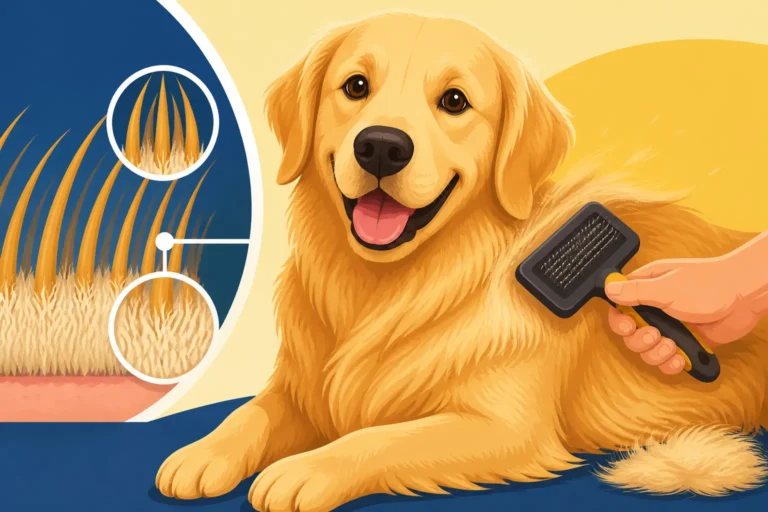
Your Golden has what's known as a "double coat," a common feature in many breeds originally bred for working outdoors in varying climates. This isn't just a fluffy layer; it's two distinct types of hair, each with its own vital role.
First, you have the undercoat. This is the soft, dense, downy layer closest to your dog's skin. Think of it like a very efficient thermal insulator. In cold weather, it traps warm air close to the body, keeping them cozy. In warm weather, this undercoat actually helps to create a barrier against heat, allowing air to circulate and preventing the sun's rays from directly hitting the skin. It’s a remarkable natural air conditioning system. This undercoat is what sheds in vast quantities during seasonal "coat blows," especially in spring and fall, preparing your dog for the upcoming weather.
Above the undercoat lies the outer coat, also known as guard hairs. These hairs are longer, coarser, and generally straight or slightly wavy. They are water-resistant, often repelling moisture and dirt, which is incredibly useful for a breed known for its love of swimming and outdoor adventures. The outer coat acts as a protective shield against the elements, guarding against UV radiation from the sun, thorns, insect bites, and minor scrapes. It also plays a significant role in maintaining the integrity of the undercoat, keeping it from matting and allowing for proper air circulation. Without these guard hairs, the delicate undercoat and skin beneath are left vulnerable.
The Natural Purpose of the Golden Retriever's Coat
Every strand of your Golden's double coat serves a purpose. It's their primary defense against the world, meticulously evolved over generations. The outer coat, with its natural oils and texture, sheds water, making Goldens well-suited for retrieving game from icy lakes and rivers. This water-repellent quality also means that when they do get wet, the water tends to sit on top of the guard hairs rather than soaking straight through to their skin, which helps them dry faster and prevents skin irritation.
Beyond water resistance, the coat is a phenomenal temperature regulator. Many people mistakenly believe that shaving a double-coated dog will make them cooler in summer. In reality, the opposite is often true. The undercoat acts as insulation against both cold and heat. It creates an air pocket that keeps the dog's body temperature stable, much like the insulation in your house. Removing this natural barrier exposes their skin directly to external temperatures, making them more susceptible to overheating as well as sunburn. It's a complex system, and disrupting it can throw their entire thermal regulation off balance.
Why Shaving Harms the Golden Retriever's Double Coat
Now that we understand the incredible design of the Golden Retriever's coat, let's talk about what happens when you decide to take clippers to it. The consequences go far beyond a temporary aesthetic change.
Loss of Natural Temperature Regulation
When you shave a Golden Retriever, you strip away both layers of their protective coat. This eliminates their natural insulation against heat, leaving their skin exposed to the sun's harsh rays. Think of it like removing the insulation from your house. In winter, it would be freezing; in summer, it would bake. Your dog's body reacts similarly. The finely tuned system that helps them cool down by trapping air and allowing it to circulate is gone.
This can actually make your Golden hotter. Without the outer guard hairs to deflect sunlight and the undercoat to create that crucial air barrier, their skin absorbs more heat. This increases their risk of heatstroke, a serious and potentially fatal condition. While panting is their primary cooling mechanism, a compromised coat makes their efforts less effective. You'll often notice a shaved Golden still panting heavily, maybe even more so, because their body is working harder to regulate its temperature without its natural defense system. This is a common frustration for owners who try to help their dog cool down, only to find the problem is worsened by the very solution they attempted.
Outer Coat Regrowth Issues
One of the most disheartening consequences of shaving a Golden Retriever is the impact on their coat regrowth. Unlike single-coated breeds whose hair often grows back uniformly, a Golden's double coat can suffer significant damage. The guard hairs, which are meant to be longer and coarser, grow much slower than the soft undercoat.
What often happens is that the undercoat comes in thick and fast, overwhelming the slower-growing guard hairs. This results in a coat that is soft, dense, and feels almost like cotton. While this might sound pleasant, it’s actually detrimental. This type of regrowth makes the coat much more prone to matting and felting, especially after getting wet. It loses its water-repellent qualities, so your dog gets soaked to the skin more easily. The new undercoat can become so dense that it further inhibits air circulation, trapping heat rather than releasing it, exacerbating the problem you tried to solve. Many owners report that after shaving, their Golden's coat never quite returns to its original texture or functionality. It can take years, if ever, for the guard hairs to properly re-establish themselves, leaving your dog with a "blown" or "ruined" coat. For more on this, check out What Happens to a Shaved Golden Retriever's Coat.
Health Risks and Skin Problems from Shaving
Beyond the aesthetic and functional damage to their coat, shaving a Golden Retriever can lead to a host of health and skin problems that can cause discomfort and require veterinary intervention.
Sunburn and Skin Damage
With their protective outer coat removed, a Golden Retriever's skin is directly exposed to ultraviolet (UV) radiation from the sun. Just like humans, dogs can get severe sunburn, especially those with lighter pigment in their skin. Sunburn isn't just painful; it can lead to more serious issues like skin cancer over time. Areas with thinner hair, such as the belly, inner thighs, and ears, are particularly vulnerable.
Imagine being out in the sun all day without sunscreen or clothes. That's essentially the situation you put your Golden in when you shave them. The skin can become red, inflamed, blistered, and incredibly itchy. This discomfort can lead to excessive scratching, which in turn can break the skin barrier and introduce infections. It's a cruel irony that an attempt to make them more comfortable can lead to such painful sensitivity.
Increased Risk of Hot Spots and Other Skin Irritations
Golden Retrievers are already prone to skin issues, including allergies and Golden Retriever Hot Spots and What Causes Them. Shaving can significantly increase the likelihood and severity of these problems. When the coat is shaved, the stubble can be incredibly irritating as it grows back, causing itchiness. Constant scratching and licking at these irritated areas can quickly escalate into hot spots—acute moist dermatitis that can spread rapidly and become deeply infected.
Furthermore, the disruption of the natural coat's ability to dry efficiently can contribute to skin issues. When the new, dense undercoat gets wet, it can hold moisture against the skin for longer, creating a warm, damp environment that is perfect for bacterial and yeast infections to flourish. This can manifest as an unpleasant smell, persistent itching, redness, and flaking. Many owners find themselves in a cycle of treating skin infections after shaving, something they likely never anticipated.
Impaired Protection from Insects and Allergens
The double coat also acts as a physical barrier against external threats. Ticks, fleas, mosquitoes, and other biting insects find it harder to get through thick, healthy fur to reach the skin. When you shave your Golden, you essentially roll out the red carpet for these pests. Not only are they more exposed to bites, but these bites can also lead to allergic reactions, skin infections, and even transmit diseases.
Similarly, the coat offers some protection against environmental allergens like pollen and grass. While a shaved coat won't eliminate allergies, it can allow direct skin contact with irritants that the full coat might have partially shielded them from. This means your Golden, already susceptible to Golden Retriever Food and Skin Allergies, could experience heightened reactions or new irritations after shaving.
Alternatives to Shaving for a Cool Golden Retriever
So, if shaving isn't the answer, what can you do to help your Golden Retriever stay cool and comfortable, especially during those sweltering summer months? Plenty! There are many safe and effective strategies that work with their natural coat, not against it.
Regular and Proper Grooming
This is hands down the most effective way to help your Golden manage heat. Regular grooming helps to remove loose undercoat, which is the key to improving air circulation next to the skin. When that dense, dead undercoat gets trapped, it acts like a thick blanket, preventing heat from escaping.
- Daily Brushing: Investing in a good quality undercoat rake and a slicker brush is paramount. Daily brushing, especially during shedding season (spring and fall), will remove significant amounts of dead hair. Focus on getting down to the skin, but be gentle. You'll be amazed at how much fur comes off, and how much relief this provides your dog. Brands like Chewy and Amazon offer a fantastic selection of these tools. How Often to Brush a Golden Retriever and Undercoat Rakes and Deshedding a Golden provide excellent guidance on this.
- Professional De-shedding: Many professional groomers offer de-shedding services that utilize specialized tools and high-velocity dryers to remove even more loose undercoat. This can be a game-changer for really heavy shedders and can significantly improve your Golden's comfort.
- Trimming "Feathering" (But Not Shaving!): While you should never shave the main body coat, light trimming of the longer "feathering" on the legs, belly, and tail can sometimes help with hygiene and reduce matting. A professional groomer can do this without impacting the integrity of the double coat. This is often referred to as a "summer trim" or "tidy up" and is very different from a full shave. See Summer Cuts That Are Safe for a Golden Retriever.
Providing Access to Cooling Aids and Shade
Think about creating a cool oasis for your Golden both indoors and out. Simple steps can make a huge difference.
- Shade and Water Outdoors: Always ensure your Golden has constant access to fresh, cool water, especially when outside. A kiddie pool with a few inches of water can be a fantastic way for them to cool down their paws and belly. Make sure there’s ample shade available – a large umbrella, a shaded porch, or a dense tree. Never leave them in direct sun for extended periods.
- Indoor Cooling: Inside, air conditioning or fans are your best friends. Cooling mats, which are often gel-filled or water-activated, can provide a nice cool spot for them to lie on. Damp towels placed on their back or belly can offer temporary relief, just be careful not to create a damp environment that encourages skin issues. Offering ice cubes in their water bowl or as a treat can also help lower their core temperature slightly.
Adjusting Exercise Routines and Activities
Your Golden Retriever still needs exercise, but how and when they get it needs to adapt to the weather.
- Early Mornings and Late Evenings: Schedule walks and playtime during the coolest parts of the day – early morning before the sun gets strong, and late evening after it has set. Avoid the midday heat altogether.
- Indoor Activities: On extremely hot days, focus on indoor mental stimulation. Puzzle toys, training sessions, or even a good game of hide-and-seek can tire them out without risking heatstroke.
- Swimming: Goldens love water, and swimming is an excellent, low-impact way for them to cool off and get exercise. Just ensure the water is clean and safe, and always supervise them. For more tips on keeping them cool, read Keeping a Golden Retriever Cool in Summer.
| Feature | Shaving the Golden Retriever | Proper Grooming (Brushing/De-shedding) |
|---|---|---|
| Temperature Control | Disrupts natural insulation, increases overheating risk | Removes dead undercoat, improves air circulation, aids cooling |
| Coat Health | Damages guard hairs, promotes undercoat overgrowth, patchy regrowth | Maintains coat integrity, promotes healthy hair growth |
| Skin Protection | Increases risk of sunburn, insect bites, skin irritation | Maintains barrier against UV, insects, and minor abrasions |
| Matting | Can lead to severe matting of unruly regrowth undercoat | Prevents mats by removing loose hair |
| Water Repellency | Diminishes or eliminates natural water resistance | Preserves natural water-repellent properties |
| Effort/Cost | Potentially lower initial cost, but high long-term risks/vet bills | Regular effort, but healthier and more effective long-term |
When a Vet Might Recommend Shaving
While we strongly advise against shaving your Golden Retriever for general comfort or aesthetics, there are specific, medical circumstances where a veterinarian might recommend it. These situations are typically non-negotiable and prioritize the dog's health and well-being.
Medical Procedures and Diagnostics
Sometimes, a veterinary procedure requires a clear field of skin. This could be for surgery, where a sterile area is essential, or for diagnostic purposes like ultrasound, x-rays, or certain blood draws. In these cases, a small patch of fur (or sometimes a larger area, depending on the procedure) will be shaved to allow the vet to work effectively and safely.
For example, if your Golden needs abdominal surgery, the hair in that area will be shaved. This isn't done lightly, but it's a necessary step to prevent infection, allow for clear visibility, and ensure proper wound care post-op. Similarly, if your vet needs to perform an ultrasound of the heart for conditions like Subaortic Stenosis in Golden Retrievers, they'll need to shave a section of the chest to get a clear image. These are targeted, localized shaves performed by professionals, and they are distinct from shaving a dog for general cooling.
Severe Matting That Cannot Be Brushed Out
This is perhaps the most common non-medical reason that leads to shaving, though it’s often a result of neglecting proper grooming. If a Golden Retriever’s coat becomes severely matted, especially in sensitive areas like behind the ears, armpits, or hindquarters, it can be incredibly painful. Mats pull on the skin, restrict movement, and create a breeding ground for skin infections. In advanced cases, mats can even cut off circulation or hide parasites.
When matting is so severe that it cannot be safely or comfortably brushed out, a professional groomer or veterinarian might recommend shaving. This isn't done for aesthetics, but out of necessity to relieve the dog's pain and address potential skin issues. It's a last resort to prevent further suffering, and typically involves shaving under the mats, close to the skin. Owners should know that this kind of shave can still lead to the coat regrowth problems discussed earlier, but the immediate relief from pain and skin irritation often outweighs the long-term coat concerns. Preventing severe matting through regular grooming is always the preferred approach.
Advanced Skin Conditions Requiring Topical Treatment
In some cases, a Golden Retriever might develop a persistent or widespread skin condition that requires extensive topical treatment, such as medicated baths, ointments, or sprays. If the coat is too thick and dense, it can prevent these treatments from reaching the skin effectively. For example, if your Golden is suffering from a severe fungal infection, widespread demodectic mange, or other chronic dermatitis, your vet might suggest shaving down the coat to allow the medications to penetrate properly and accelerate healing.
This decision is usually made after other less invasive treatments have failed or if the condition is particularly severe. It's a therapeutic shave, focused solely on improving the efficacy of medical intervention. The goal is to provide relief and cure the underlying skin problem, knowing that the coat will eventually regrow. Such instances highlight the importance of regular vet check-ups and being proactive about any Golden Retriever Skin, Ear and Allergy Problems you notice.
Disclaimer
This article is for general informational purposes only and does not constitute professional advice. Laws, prices and regulations vary by location and change over time. Consult a qualified professional for guidance on your specific situation.