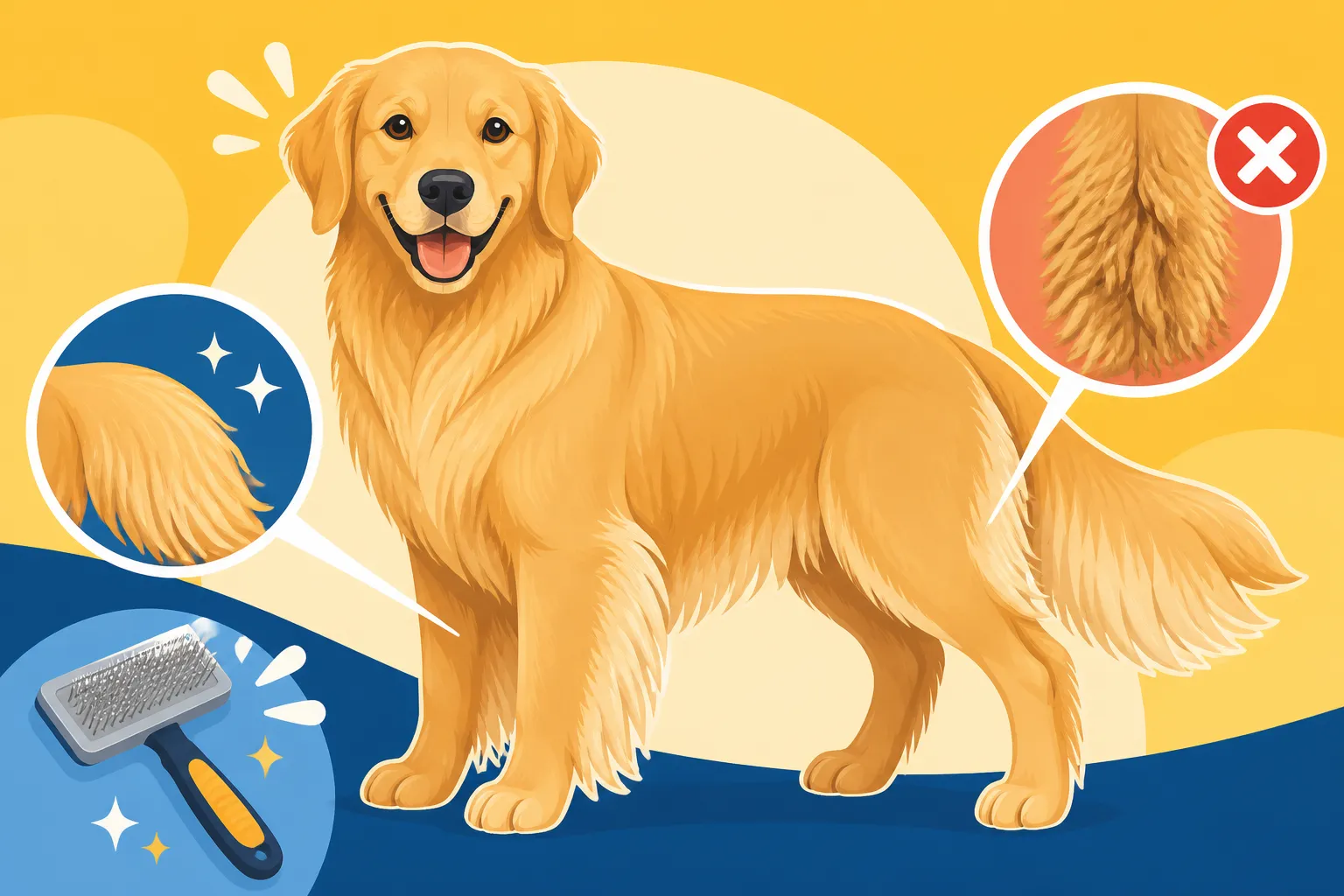
Golden Retriever Feathering and Mat Prevention
If you're a Golden Retriever owner, you know the struggle: that magnificent, flowing coat is a thing of beauty, a hallmark of the breed, but it can also quickly transform into a matted nightmare. It's frustrating to see your dog's gorgeous feathering get tangled and knotted, leading to discomfort for them and a headache for you. This comprehensive guide is here to walk you through everything you need to know about your Golden's unique coat, how those dreaded mats form, and, most importantly, how to prevent them from ever taking hold.
Understanding Your Golden Retriever's Beautiful Feathering
Golden Retrievers are renowned for their stunning, luxurious coats, and a big part of that allure comes from their "feathering." This isn't just a fancy term; it's a specific characteristic of their double coat that gives them their distinctive look and serves a practical purpose. Understanding what feathering is, why it exists, and where it's most prominent is the first step in effective grooming and mat prevention.
What Exactly Is Feathering on a Golden Retriever?
Feathering refers to the longer, wispy hair that grows in specific areas on a Golden Retriever's body. Unlike the shorter, denser hair on their main body, feathering cascades elegantly, creating a softer, more flowing appearance. It’s part of their protective double coat, which consists of a dense, water-repellent outer coat and a softer, insulating undercoat. The feathering itself tends to be silkier and slightly less dense than the main body coat, making it particularly prone to tangles and matting if not properly cared for. Many owners adore the look of healthy, flowing feathering, but it requires diligent attention to maintain its beauty and prevent problems.
These longer hairs are not just for show; they have a historical purpose, protecting the dog from brush and cold water when working in the field. Imagine a Golden retrieving ducks from icy lakes or pushing through thick brambles – the feathering acts as a natural shield. However, in our modern world, where most Goldens are cherished family pets, this feature becomes a primary grooming concern. The texture of feathering can vary from dog to dog, with some having incredibly fine, wispy strands and others sporting thicker, more substantial plumes. This individual variation impacts how quickly and severely mats can form, so getting to know your own Golden's coat type is essential.
Why Golden Retrievers Develop Such Glorious Coats
The Golden Retriever's coat, including its characteristic feathering, is a direct result of its breeding history. Originally developed in Scotland to retrieve game from both land and water, their coat needed to be dense, water-resistant, and resilient. The outer coat, often described as medium-length, lies flat or slightly wavy and repels water, while the soft, thick undercoat provides insulation against cold temperatures. The feathering, found on the backs of their legs, tail, chest, and underside, adds an extra layer of protection and insulation in these vulnerable areas.
This glorious coat is a testament to their heritage as working dogs, providing both function and beauty. It’s why Golden Retrievers are often seen splashing happily in puddles or plunging into a lake – their coat is built for it. However, this same design, particularly the long feathering, also means a high maintenance grooming routine is non-negotiable for owners. Neglecting their coat can quickly lead to painful issues, especially with the delicate feathering. Understanding the structure and purpose of their coat helps us appreciate why thorough and consistent grooming, as described in Grooming a Golden Retriever's Double Coat, is so vital.
Common Areas Where Feathering Grows Thickest
You’ll typically find the most prominent feathering in several key areas on your Golden Retriever. These are the spots that tend to collect the most debris, get the most friction, and are thus prime locations for mats to form. Familiarizing yourself with these zones will help you focus your grooming efforts where they're most needed.
Here are the primary areas:
- Behind the Ears: This is probably the number one hotspot for mats. The hair here is often finer and gets tangled easily from head movements, rubbing against collars, or even just regular petting.
- Armpits (Axillary Area): Another high-friction area. When your Golden moves, runs, or lies down, the hair in their armpits constantly rubs, creating perfect conditions for mats. This area is also often overlooked during casual brushing.
- Pants (Back of the Thighs): The long, flowing hair on the back of your Golden's hind legs is called their "pants" and can become heavily matted, especially if they spend a lot of time sitting on rough surfaces or running through tall grass.
- Tail: The plume of hair on their tail, while beautiful, can get matted easily, especially closer to the base. A wagging tail often picks up burrs, twigs, and dirt, all of which contribute to matting.
- Chest and Underbelly: The hair on the chest and underneath the dog is longer and can mat from lying down, rolling, or simply rubbing against things. This area is also susceptible to collecting mud and debris from outdoor adventures.
Knowing these areas allows you to be proactive. When you're brushing your dog, make sure you don't just skim the surface. You need to get down to the skin in these specific zones to effectively prevent mats. It's a common mistake for owners to brush only the top layer, leaving the undercoat and deeper feathering to tangle beneath, creating a hidden problem that only becomes apparent when it's too late.
The Unwanted Truth About Matting in Feathered Coats
Mats are more than just a cosmetic issue; they are a serious concern for your Golden Retriever's health and comfort. Many new Golden owners don't realize how quickly a beautiful, flowing coat can turn into a painful, compacted mess. It's crucial to understand how mats form, the risks they pose, and how to identify them early to prevent severe problems.
How Mats Form and Why They're a Problem
Mats develop when shed hair gets tangled with live hair, forming dense, compact masses that can pull on your dog's skin. In a Golden Retriever's double coat, with its long feathering and dense undercoat, this process is particularly efficient. Every time your Golden sheds (which, let's be honest, is often!), those loose hairs don't just fall out; many get caught within the existing coat. Without regular brushing, these shed hairs weave together, forming felt-like knots. Friction from movement, rubbing against surfaces, or even just scratching an itch can accelerate this tangling process.
The problem with mats is that they don't stay small. They grow, tighten, and pull on the skin, causing discomfort and pain. Imagine having a tight knot of hair constantly tugging at your scalp – that's what your Golden feels. As mats grow, they can also restrict blood flow and create hot, moist environments underneath, which are perfect breeding grounds for skin infections. It's a vicious cycle where a small tangle can quickly escalate into a significant health issue. This is why addressing tangles as soon as you spot them is non-negotiable for the well-being of your Golden Retriever.
The Health Risks of Neglected Matting
Neglected matting goes far beyond an untidy appearance; it poses several serious health risks to your beloved Golden Retriever. As mats tighten, they pull on the skin, causing irritation, pain, and even bruising. Imagine a constant headache, but all over your body. Dogs will often try to chew or scratch at these painful areas, which can lead to open wounds, further exacerbating the problem and potentially introducing bacteria.
Beyond the immediate discomfort, severe matting can lead to:
- Skin Infections: Mats trap moisture and prevent air circulation, creating a warm, damp environment next to the skin. This is a perfect breeding ground for bacteria and yeast, leading to painful skin infections, hot spots, and other dermatological issues.
- Parasite Infestations: Fleas, ticks, and other parasites can easily hide within dense mats, making them difficult to detect and remove. These hidden infestations can lead to further skin irritation, allergic reactions, and the transmission of diseases.
- Restricted Movement: Large, tight mats can restrict your dog's ability to move comfortably. They might become reluctant to run, jump, or even walk, leading to muscle atrophy and a decreased quality of life. Mats around joints are particularly problematic.
- Hidden Injuries: Mats can conceal wounds, sores, or other skin abnormalities that might otherwise be visible, delaying necessary veterinary attention. You might not notice a cut or a bump until the mat is finally removed.
- Overheating: A severely matted coat loses its ability to regulate temperature effectively. The trapped air and lack of circulation can lead to overheating, especially in warmer weather, increasing the risk of heatstroke. This is one of the many reasons why you should never shave a Golden Retriever, as their coat is designed to protect them, not just insulate them.
It's clear that addressing matting is not just about aesthetics, but about ensuring your Golden Retriever lives a comfortable, healthy, and happy life. Ignoring mats can lead to expensive vet bills and unnecessary suffering for your dog.
Identifying Different Types of Mats
Not all mats are created equal, and understanding the different types can help you determine the best approach for removal or prevention. From minor tangles to severe compaction, recognizing the stage of matting is key.
Here's a breakdown:
- Tangles (Minor Knots): These are the earliest stage of matting, often small, loose knots that form from shed hair. They are usually easy to brush out with a comb or slicker brush if caught early. You might feel these as you run your fingers through your Golden's coat.
- Felted Mats: These are more dense and compacted, where the hair has become tightly woven together, often close to the skin. Felted mats are harder to brush out and may require a dematting tool or careful scissor work (always with extreme caution!). They feel like a piece of felt or carpet.
- Pelted Mats: This is the most severe form of matting. Pelted mats are large, solid sheets of matted hair that cover significant areas of the body, often fusing to the skin. They are extremely painful and restrict movement. Pelted mats almost always require professional shaving by a groomer or veterinarian, as attempting to remove them at home can be dangerous and cause serious injury to the dog.
It's important to regularly inspect your Golden's coat, especially in those high-friction areas like behind the ears and in the armpits. A quick daily check, combined with a thorough brushing routine, will help you catch tangles before they escalate into painful, difficult-to-remove mats. If you find yourself frequently battling felted mats, it's a sign that your grooming routine needs adjustment or that it's time to seek professional help.
Essential Tools for Golden Retriever Feathering Care
Having the right tools is half the battle when it comes to maintaining your Golden Retriever's magnificent coat and preventing mats. Just like a chef needs the right knives, a Golden owner needs a specific arsenal of brushes, combs, and grooming aids. Investing in quality tools will make the grooming process more effective, more comfortable for your dog, and ultimately save you time and frustration.
Brushes and Combs That Make a Difference
For a Golden Retriever, a single brush simply won't cut it. You need a combination of tools to tackle the different layers of their double coat and the delicate feathering. Using the wrong tool can be ineffective, painful, or even damage their coat.
Here’s what every Golden owner should have:
- Slicker Brush: This is your primary weapon against tangles and loose undercoat. A good slicker brush has fine, wire bristles slightly bent at the ends. It's excellent for working through the main body coat and gently teasing out minor tangles in the feathering. Always use a light touch to avoid irritating the skin. Many owners find effective and affordable options on platforms like Amazon.
- Undercoat Rake: Absolutely essential for a Golden Retriever. An undercoat rake has long, widely spaced teeth designed to penetrate the topcoat and pull out loose undercoat. This is crucial for preventing mats from forming deep within the coat, especially during shedding seasons, as detailed in Using an Undercoat Rake on a Golden Retriever. Removing dead undercoat is one of the most effective ways to prevent the felt-like mats that Goldens are prone to.
- Wide-toothed Comb/Greyhound Comb: After using the slicker and undercoat rake, a sturdy metal comb with both wide and fine teeth is vital for checking your work and ensuring no tangles remain. The wide-toothed side can work through feathering, while the finer side can be used for delicate areas like behind the ears or on the tail. It’s also great for precise detangling.
- Pin Brush: While not as crucial for detangling or undercoat removal, a pin brush (with straight, widely spaced metal pins with rounded ends) can be great for general grooming, especially on the topcoat, and for distributing natural oils. It's often used after initial detangling for a final polish.
You can often find these specialized grooming tools from trusted pet supply retailers. For instance, Chewy offers a wide selection of different brush types, allowing you to compare brands and find what works best for your Golden's specific coat texture. Remember, the goal is to get down to the skin, not just brush the surface.
| Tool Type | Primary Use | Best For | Common Mistake |
|---|---|---|---|
| Slicker Brush | Removing surface tangles, loose hair | Main body coat, light feathering | Pressing too hard, scratching skin |
| Undercoat Rake | Removing dense, shed undercoat | Thickest parts of the double coat | Not getting deep enough, pulling live hair |
| Wide-toothed Comb | Checking for remaining tangles, detailed work | Feathering, behind ears, tail | Using it on heavily matted areas first |
| Pin Brush | Distributing oils, gentle finishing | Topcoat, sensitive areas | Expecting it to remove mats or undercoat |
Dematting Tools and When to Use Them
Sometimes, despite your best efforts, a mat will form. That's when specialized dematting tools come into play, but they must be used with extreme care. The key is to address mats quickly before they become severe, painful pelts.
Here are the most common dematting tools:
- Mat Splitter/Mat Comb: These tools have sharp, inwardly curved blades designed to cut through a mat rather than pulling it out. You carefully insert the tool under the mat, close to the skin, and gently work it through, effectively splitting the mat into smaller sections that can then be brushed out. These are incredibly effective but carry a high risk of cutting your dog's skin if not used properly. Always be extremely cautious and work slowly.
- Dematting Rake: Similar to an undercoat rake but with sharper, more spaced-out blades designed to break up and pull apart tangles. It's used in a similar fashion to an undercoat rake but specifically targets mats. Again, use with caution to avoid skin irritation.
When to Use Them: Dematting tools are for isolated, manageable mats. If you encounter a mat that is tight, large, or close to the skin, or if your dog shows signs of pain, it’s often safer to consult a professional groomer or veterinarian. Attempting to force a dematting tool through a large mat can cause significant pain, skin trauma, and a negative association with grooming. Remember, the goal is to gently separate the matted hair, not rip it out. For severe mats, Removing a Mat From a Golden Retriever Safely offers further guidance, often involving professional help.
Shampoos and Conditioners for a Healthy Coat
The products you use during bathing play a significant role in maintaining the health and manageability of your Golden's feathering. A healthy coat is less prone to matting, and well-conditioned hair is easier to brush through.
- Moisturizing Shampoos: Look for shampoos specifically formulated for dogs with long coats or dry skin. Ingredients like oatmeal, aloe vera, and natural oils can help keep the skin hydrated and the coat soft. A soft, hydrated coat is less likely to break and tangle. If your Golden suffers from allergies, a specialized shampoo might be necessary, as discussed in Shampoo for a Golden Retriever With Itchy Skin.
- Conditioners and Detangling Sprays: A good conditioner is indispensable for a Golden Retriever. Apply it thoroughly after shampooing, focusing on the feathering. Conditioner helps to smooth the hair shaft, making it less prone to tangles and easier to brush. Leave-in detangling sprays can also be a lifesaver between baths, particularly on dry feathering before a brushing session. These can often be found on platforms like Amazon or Chewy, with many brands offering products specifically for long, double-coated breeds.
- Waterless Shampoos/Foams: For quick clean-ups between full baths, especially after a muddy walk, a waterless shampoo can help keep the coat clean without the full hassle of a wet bath. While not a substitute for regular bathing, they can help prevent dirt and debris from settling in and causing mats.
Choosing high-quality grooming products can significantly improve the condition of your Golden's coat, making it softer, shinier, and less susceptible to matting. Always ensure any product you use is specifically designed for dogs, as human shampoos can be too harsh and disrupt their skin's natural pH balance.
A Step-by-Step Guide to Preventing Mats
Prevention is always better than cure, especially when it comes to Golden Retriever matting. A consistent and thoughtful grooming routine will save you headaches, expensive groomer visits, and, most importantly, spare your Golden Retriever discomfort. It’s about making grooming a regular, positive experience.
Establishing a Consistent Brushing Routine
This is the cornerstone of mat prevention for any Golden Retriever owner. Simply put, if you don't brush regularly and thoroughly, mats will form. It's not a question of if, but when.
- Frequency is Key: For most Golden Retrievers, especially those with dense feathering, daily brushing is ideal. At a minimum, aim for 3-4 times a week. During shedding season, you might need to increase this to daily, even twice daily, to keep up with the volume of loose hair. Consistency, as highlighted in How Often to Brush a Golden Retriever, is far more effective than sporadic, marathon grooming sessions.
- Technique Matters: Line Brushing: Don't just skim the surface. You need to "line brush" or "layer brush." This technique involves parting the coat horizontally and brushing one section at a time, working from the bottom (closest to the skin) upwards. This ensures you're reaching all the way down to the skin and removing any hidden tangles or loose undercoat. It’s a bit more time-consuming but infinitely more effective.
- Start by laying your dog on their side or standing them comfortably.
- Begin with a small section, perhaps on a leg or the flank. Use a slicker brush or undercoat rake to brush against the grain of the hair first, then with it, ensuring you get down to the skin.
- Work in small sections, moving systematically across their body.
- Always use a wide-toothed comb afterward to check your work; if the comb can glide smoothly through the hair from root to tip, you’ve done a good job. If it catches, go back with your brush.
- Focus on Hotspots: Dedicate extra time to the high-friction areas we discussed earlier: behind the ears, armpits, pants, and tail. These areas require meticulous attention. A common frustration is brushing the "easy" parts of the body and neglecting the spots where mats love to hide.
Making brushing a positive experience from a young age can make a huge difference. Use plenty of praise, gentle handling, and perhaps even some high-value treats to create a pleasant association. Many Goldens actually come to enjoy their grooming time, especially if it involves quality bonding with their human.
Proper Bathing Techniques for Feathered Coats
Bathing a Golden Retriever, particularly one with significant feathering, requires a specific approach to avoid creating more mats. Water, soap, and friction can all contribute to tangling if not handled correctly.
- Before the Bath: Detangle Thoroughly: This step cannot be overstated. Never bathe a matted Golden Retriever. Water will only make existing mats tighter and harder to remove. Before your Golden even touches the water, ensure their coat is completely free of tangles and mats by doing a full brushing session. You might even find a new dematting spray to help ease any stubborn knots beforehand from an online retailer like Chewy.
- Use Lukewarm Water and Diluted Shampoo: Always use lukewarm water – too hot or too cold can be uncomfortable. Dilute your dog shampoo according to the product instructions. This helps the shampoo spread more evenly and rinse out more easily, preventing residue buildup that can attract dirt and tangles.
- Gentle Application, Thorough Rinsing: Apply shampoo gently, working it into the coat with the lay of the hair. Avoid harsh scrubbing or circular motions, especially in the feathered areas, as this can create tangles. Focus on thoroughly saturating the coat down to the skin. The most crucial part is rinsing. Rinse, rinse, and rinse again until the water runs clear and there's absolutely no sudsy residue. Leftover shampoo can irritate the skin and leave the coat feeling sticky, making it prone to matting. This emphasis on thorough rinsing is a key part of Bathing a Golden Retriever effectively.
- Condition, Condition, Condition: After shampooing and rinsing, apply a generous amount of dog conditioner, especially to the feathering. Let it sit for a few minutes as per instructions, then rinse thoroughly. Conditioner smooths the hair cuticle, making it softer, shinier, and far less likely to tangle.
Smart Strategies for Drying and Detangling
How you dry your Golden Retriever after a bath is just as important as how you wash them, particularly for their feathering. Improper drying can instantly create a matted mess from a clean coat.
- Squeeze, Don't Rub: After the final rinse, gently squeeze excess water from their coat with your hands. Then, use a super-absorbent towel to blot the coat. Do not rub vigorously, especially on the feathering, as this will tangle the hair instantly and create new mats.
- Blow Drying is Best: For Goldens, blow drying is highly recommended. It helps to separate the hairs, fluff the coat, and ensure thorough drying down to the skin, which prevents skin issues and further matting. Use a pet-specific force dryer or a human hairdryer on a cool or low-heat setting.
- As you blow dry, use a slicker brush or a pin brush to gently brush the hair, lifting it as you dry. This helps straighten the feathering and prevents it from clumping.
- Work in sections, ensuring each part is completely dry before moving on. Pay extra attention to the undercoat and feathered areas, which hold moisture longer.
- Air Drying Precautions: If blow drying isn't an option, ensure your Golden is in a warm, clean environment where they can air dry fully. Keep them moving gently or take them for a supervised potty break, but avoid letting them roll in dirt or rub against rough surfaces while damp. Continue to comb or brush through the feathering every 15-20 minutes as they dry to prevent tangles from setting in. Allowing a Golden to air dry completely without brushing through it will almost guarantee mats, especially in the feathering. Getting their thick coat truly dry, as discussed in Drying a Golden Retriever's Thick Coat, is crucial for health and comfort.
Lifestyle Adjustments to Minimize Matting
While regular grooming is paramount, certain lifestyle choices and preventative measures can significantly reduce the likelihood of matting in your Golden Retriever's beautiful feathering. It's about looking at the whole picture of your dog's daily life.
Managing Outdoor Adventures and Wet Weather
Golden Retrievers love to play outdoors, and that's wonderful! But their active lifestyle, combined with their dense coat and feathering, means they're prone to picking up debris and getting wet, both major contributors to matting.
- Pre- and Post-Adventure Checks: Before an adventure, especially if it involves tall grass, woods, or water, do a quick comb through your Golden's feathering. This helps to detangle any minor knots and makes it easier for burs, twigs, or mud to slide off rather than embed. Immediately after returning from a walk or swim, always inspect their coat. Pay close attention to the feathering on their legs, chest, and behind the ears.
- Rinsing After Swimming: If your Golden loves to swim, especially in lakes, ponds, or the ocean, a thorough rinse with clean water afterward is essential. Chlorine or saltwater, combined with natural oils, can be very drying and promote matting. Ensure to towel dry (blot, don't rub!) and then comb through the feathering to prevent tangles from setting as the coat dries. Swimming Safety for Golden Retrievers provides more tips on keeping them safe and their coat healthy in water.
- Protecting Their Coat in Mud and Snow: Mud is a matting magnet. If your Golden comes back muddy, let the mud dry completely before attempting to brush it out. Dried mud is often easier to flake off. In snowy conditions, "snowballs" can form in their feathering, freezing into painful clumps. Applying a pet-safe paw balm or even a thin layer of cooking spray to the feathering before going out can help prevent snow from sticking. After coming inside, gently melt any snowballs with lukewarm water or a hairdryer on a cool setting, then brush them out.
Nutrition's Role in Coat Health
You might not immediately connect what your Golden eats with their coat health, but nutrition plays a vital role. A healthy coat, including robust feathering, starts from the inside out.
- High-Quality Diet: Feeding your Golden Retriever a high-quality, balanced diet rich in essential fatty acids (like Omega-3 and Omega-6) is crucial. These nutrients contribute to skin health and a shiny, manageable coat. A well-nourished coat is typically stronger, less brittle, and less prone to breakage and matting. Many premium dog food brands, or fresh food options like Ollie, focus on providing these vital nutrients to support overall health, including skin and coat.
- Supplements: If your Golden's diet might be lacking, or if they have particularly dry or dull coat, your vet might recommend supplements such as fish oil or flaxseed oil. Always consult your veterinarian before adding any supplements to your dog's diet to ensure they are appropriate and correctly dosed. These supplements can dramatically improve coat luster and reduce dryness, making the hair less prone to static and tangling.
- Hydration: Ensure your Golden always has access to fresh, clean water. Good hydration is just as important for skin and coat health as it is for overall bodily functions. Dehydrated skin can lead to a dry, brittle coat that breaks easily and mats more readily.
Professional Grooming: When to Call in the Experts
Even with the most diligent at-home care, there are times when a professional groomer is your best friend. Don't view it as a failure, but rather as another valuable tool in your Golden Retriever's care regimen.
- Routine Trims: Professional groomers can expertly trim the feathering in specific areas, such as the feet, ears, and underbelly, to keep it tidy and less prone to matting. This isn't about shaving their coat, which should be avoided, but rather about strategic trimming to maintain neatness and manageability. These trims, like those discussed in Trimming a Golden Retriever's Feet and Ears, can make daily maintenance much easier for you.
- Deep Deshedding Treatments: During heavy shedding seasons, a professional deshedding treatment can remove a significant amount of loose undercoat that you might miss at home. This can drastically reduce the amount of hair available to form mats.
- Mat Removal for Severe Cases: If you encounter a mat that is too large, too tight, or too close to the skin for you to safely remove at home, a professional groomer has the specialized tools and expertise to handle it. They can often remove severe mats with minimal discomfort to your dog, something that can be extremely dangerous for an untrained owner to attempt. In very severe cases, especially pelted mats, a vet might be needed for removal under sedation.
- Establishing a Schedule: Many Golden owners find success with a regular grooming schedule, perhaps every 6-8 weeks, to supplement their home care. This keeps the coat in prime condition, addresses any forming tangles, and ensures their feathering stays glorious. A professional groomer can also offer advice tailored to your specific Golden's coat type and lifestyle.
Disclaimer
This article is for general informational purposes only and does not constitute professional advice. Laws, prices and regulations vary by location and change over time. Consult a qualified professional for guidance on your specific situation.