How Often to Brush a Golden Retriever
One of the biggest realities of sharing your life with a magnificent Golden Retriever is the hair. Oh, the hair! It’s on your clothes, your furniture, sometimes even in your coffee. You might feel like you're constantly battling a furry avalanche, and the question of how often you really need to brush your beloved companion often looms large. This guide is here to demystify Golden Retriever grooming, offering realistic advice on brushing frequency and techniques to keep your dog healthy and your home a little less hairy.
Why Brushing Isn't Just About Shedding (Though That's a Big Part!)
When you think about brushing a Golden Retriever, the immediate thought is usually about conquering the shedding. And yes, it absolutely helps with that! But the benefits of a regular brushing routine extend far beyond just reducing the amount of hair tumbleweeds rolling across your floor. It's a fundamental part of their overall health and well-being.
The Golden Retriever's Unique Double Coat
Golden Retrievers are blessed with a stunning double coat, and understanding its structure is key to appreciating why consistent brushing is so vital. They have a dense, water-repellent outer coat of longer guard hairs that protects them from the elements – rain, snow, and even harsh sunlight. Beneath this lies a softer, fuzzier undercoat that provides insulation, keeping them warm in winter and helping to regulate their body temperature in warmer weather.
This dual-layer system is incredibly effective at what it's designed to do, but it also means there's a lot of hair turnover. The undercoat, in particular, sheds heavily, especially during seasonal changes. If this dead undercoat isn't removed regularly, it can become trapped, leading to a host of problems. It’s like wearing a suffocating wool sweater under a raincoat – eventually, it becomes uncomfortable and can even cause issues. Properly managing this magnificent coat is crucial for their comfort and health.
Beyond Aesthetics: Health Benefits of Regular Brushing
Brushing isn't just about making your Golden look good; it's a proactive health measure. When you consistently run a brush through their coat, you're doing much more than just collecting loose hair.
- Skin Health: Regular brushing helps distribute natural skin oils throughout their coat, promoting a healthy sheen and preventing dry, flaky skin. It also acts as a gentle massage, stimulating circulation. Without brushing, trapped dead hair can prevent air circulation, leading to skin irritations, hot spots, or even infections. Think of it as aerating their skin.
- Mat and Tangle Prevention: Those beautiful long feathers on a Golden's legs, tail, and behind their ears are magnets for mats and tangles. If left unchecked, these can quickly become tight, painful knots that pull on the skin. Severe matting can restrict movement, hide skin problems, and sometimes even require a trip to the vet for professional shaving under sedation. Prevention is always better than cure when it comes to mats. For more on this, you might find Mats Behind a Golden Retriever's Ears helpful.
- Early Detection of Problems: Your hands are one of your best tools for early detection. As you brush, you'll feel every inch of your dog's body. This tactile inspection can alert you to new lumps, bumps, skin lesions, parasites like fleas or ticks, or even tender spots that might indicate an injury or underlying discomfort. Catching these things early often means simpler, less invasive treatment.
- Bonding Experience: Believe it or not, brushing can be a wonderful bonding experience. For many Goldens, especially those introduced to it positively as puppies, it's a soothing ritual that strengthens the connection between you and your dog. It's a quiet moment of attention and affection that most Goldens absolutely adore.
So, How Often Should You Brush a Golden Retriever?
This is the million-dollar question for many Golden Retriever owners, and the answer, like with many things involving our furry friends, isn't a simple one-size-fits-all. However, there's a strong general recommendation that forms the foundation of good Golden grooming.
The Baseline: Daily Brushing for Most Goldens
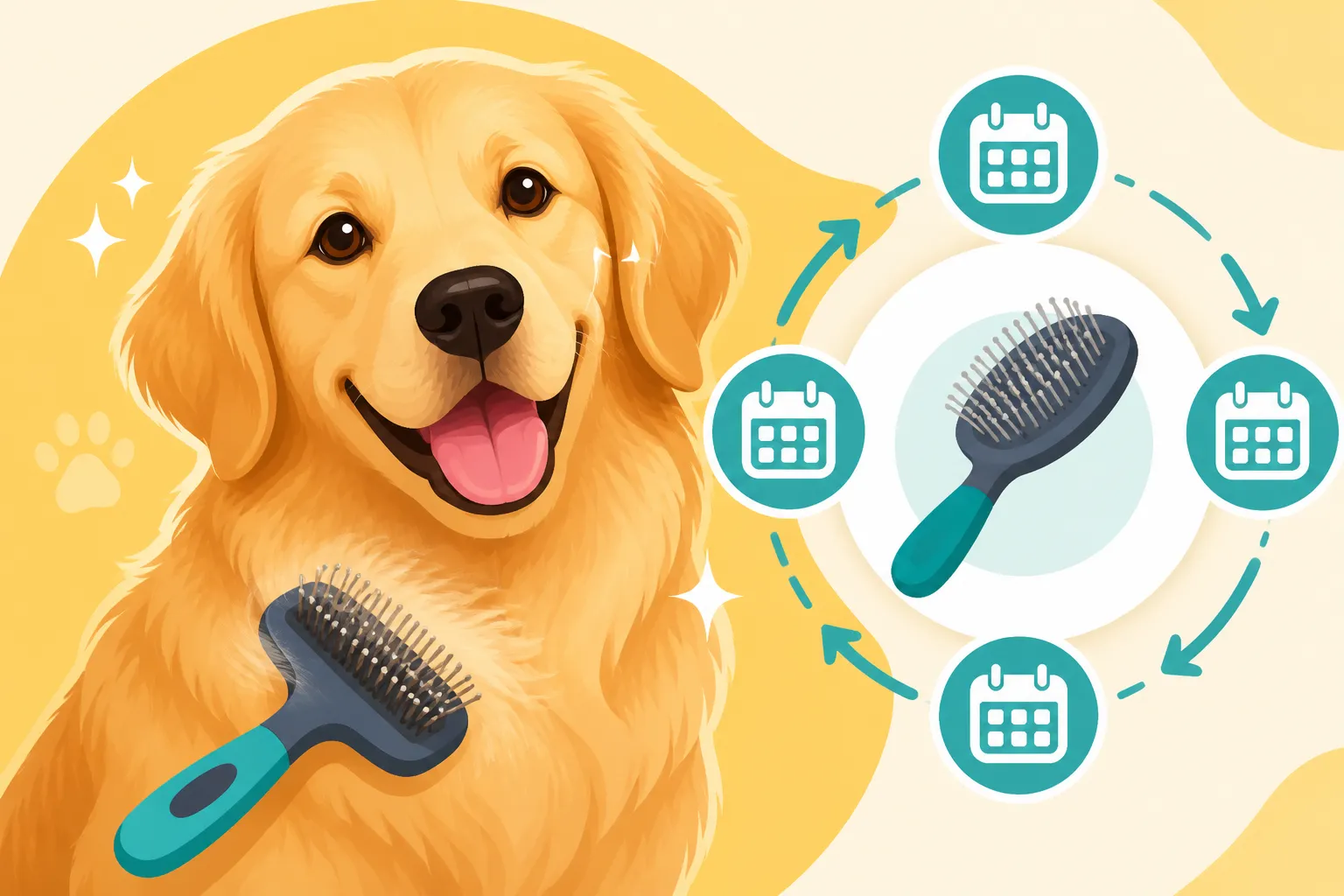
For the vast majority of Golden Retrievers, a quick daily brush is ideal. I know, I know, "daily" sounds like a lot when you're already juggling work, family, and life itself. But hear me out: a quick daily brush can often be done in just 5 to 10 minutes.
Think of it as preventive maintenance. A few minutes each day prevents a mountain of work later. This routine helps to:
- Remove loose hairs before they fall out onto your floor or furniture.
- Prevent small tangles from becoming giant, stubborn mats.
- Keep their coat clean from debris picked up during walks.
- Reinforce that positive association with brushing, making future sessions easier.
Even if you only manage a thorough brush every other day, you'll still be ahead of the game compared to brushing just once a week. The goal isn't perfection, but consistency. Building this habit early, even with a puppy, sets them up for a lifetime of comfortable grooming. You can also learn more about Grooming a Golden Retriever's Double Coat in detail.
Adjusting for Coat Blows and Seasonal Shedding
Here's where the "daily" recommendation becomes less of a suggestion and more of a necessity. Golden Retrievers "blow their coat" twice a year – typically in the spring to shed their heavy winter undercoat and in the fall to prepare for a new, denser winter coat. During these periods, which can last for several weeks, the shedding intensifies dramatically.
During a coat blow:
- Increase frequency: You'll want to increase your brushing to at least once a day, and often twice a day, especially during the peak shedding weeks. A morning and evening session can make a huge difference in managing the sheer volume of hair.
- Focus on the undercoat: This is when your undercoat rake becomes your best friend. Its design allows it to reach deep into the coat to pull out handfuls of dead undercoat without damaging the topcoat.
- Be patient: It can feel like a losing battle, but consistent effort during these times will prevent serious matting and help your Golden feel much more comfortable. For more tips on this, check out Brushing a Golden Retriever During Coat Blow.
Beyond these major seasonal events, some Goldens might have smaller "mini-sheds" throughout the year, or shed a bit more when stressed or due to dietary changes. Always observe your dog's coat and adjust your routine accordingly.
Factors That Influence Brushing Frequency
While daily brushing is a great baseline, several individual factors can influence how often your specific Golden Retriever needs grooming attention:
- Age:
- Puppies: Golden Retriever puppies often have a softer, fluffier coat that's less prone to matting than an adult coat. However, it's the perfect time to introduce brushing and make it a positive experience. Short, gentle daily sessions are recommended.
- Adults: This is when the double coat is fully established, and shedding is at its most significant. Daily or every-other-day brushing is paramount.
- Seniors: Older Goldens may have a thinner, more brittle coat, but they can still mat easily, especially if they have reduced mobility and spend more time lying down. They also tend to have more sensitive skin. Gentle, regular brushing is still crucial.
- Activity Level and Lifestyle:
- Outdoor Adventures: If your Golden loves to romp through fields, swim in lakes, or explore wooded trails, they're going to pick up more burrs, twigs, and dirt. They'll likely need more frequent brushing to remove debris and prevent tangles. Think about post-hike brushing as part of the cool-down.
- City Dwellers/Indoor Dogs: Goldens who spend most of their time indoors and on leash walks will generally have cleaner coats and may require slightly less frequent brushing, though the baseline shedding remains.
- Coat Type: Even within the Golden Retriever breed, there can be slight variations in coat density and texture. Some Goldens have a very thick, dense undercoat and heavy feathering, making them more prone to matting and requiring more diligent brushing. Others might have a slightly sparser coat that's a bit easier to maintain.
- Diet and Health: A healthy diet contributes to a healthy coat. If your Golden is on a high-quality food, their coat might be naturally healthier and shed a bit less (though shedding is inevitable). Conversely, certain health issues, allergies, or poor nutrition can lead to a dull, brittle coat or excessive shedding, making brushing even more important. You can find quality foods from places like Chewy that contribute to a healthy coat.
Here’s a quick summary table to help you gauge your Golden's brushing needs:
| Golden Retriever Stage/Condition | Recommended Brushing Frequency | Key Focus |
|---|---|---|
| Puppy (8 wks – 6 months) | Daily (short sessions) | Positive introduction, light removal of puppy fluff, checking for debris. |
| Adolescent/Adult (6 months – 8 years) | Daily to every other day | Mat prevention, undercoat management, general shedding control. |
| Senior (8+ years) | Daily (gentle sessions) | Comfort, skin health, early detection of lumps, untangling brittle hair. |
| During Coat Blows (Spring/Fall) | Daily to twice daily | Aggressive undercoat removal, preventing mats from dead hair. |
| Active/Outdoor Dog | Daily (post-activity check) | Removing burrs, debris, preventing tangles from outdoor adventures. |
| Mostly Indoor Dog | Every other day to 3-4 times/week | General shedding management, maintaining coat health. |
Remember, these are guidelines. You know your Golden best. If you see more hair on the furniture, or feel tangles forming, it’s time to pick up that brush!
Tools of the Trade: Brushes for a Golden Retriever's Double Coat
Having the right tools makes all the difference when grooming a Golden Retriever. You wouldn't use a hammer to drive a screw, and similarly, a single type of brush won't effectively tackle all aspects of a Golden's complex double coat. Investing in a few key items will save you time and your Golden a lot of discomfort.
Essential Brushes for Effective Grooming
You'll want a small collection of brushes, each designed for a specific purpose. Think of it as a grooming toolkit.
- Slicker Brush: This is your everyday workhorse. It has fine, short wires packed closely together on a flat or slightly curved head.
- Purpose: Excellent for removing loose topcoat hair, breaking up small tangles, and smoothing the coat. It's also great for getting into the feathering on legs and tail.
- How to Use: Use gentle, short strokes, always brushing in the direction of hair growth. Be careful not to apply too much pressure, as the wires can scratch the skin.
- Why it's essential: It's fantastic for general maintenance and keeping the top layer tidy.
- Undercoat Rake: This tool is specifically designed to penetrate the outer guard hairs and pull out the loose, dead undercoat without cutting or damaging the topcoat.
- Purpose: Absolutely critical during seasonal coat blows. It efficiently removes the dense, fluffy undercoat that causes most of the shedding.
- How to Use: Start at the skin and pull gently outwards, following the direction of hair growth. Take care on thinner areas like the stomach or behind the ears. You'll be amazed at the amount of hair this tool can remove.
- Why it's essential: Without an undercoat rake, you'll never truly get ahead of the shedding, especially during heavy coat blows. For more detailed tips, refer to Using an Undercoat Rake on a Golden Retriever.
- Pin Brush: This brush features widely spaced metal pins with rounded tips, typically set in a rubber cushion.
- Purpose: Great for fluffing the coat, general detangling, and finishing touches. It's gentler than a slicker brush and can be used on sensitive areas. It's also good for longer feathering.
- How to Use: Use long, sweeping strokes. It's particularly useful after using a slicker or rake to smooth everything out.
- Why it's essential: A good pin brush helps maintain the overall look and feel of their beautiful coat.
You can find a wide array of these essential grooming tools on platforms like Amazon or Chewy, allowing you to compare options and read reviews to find what works best for your Golden. For a deeper dive into specific tools, check out Which Brush Works on a Golden Retriever's Coat.
Deshedding Tools: Use and Caution
Beyond the everyday brushes, you might encounter specialized "deshedding" tools, often recognizable by their fine-toothed metal blades. Brands like Furminator are well-known in this category.
- Purpose: These tools are designed to remove a significant amount of loose undercoat. When used correctly and sparingly, they can be very effective in reducing shedding.
- How to Use (with caution!): The key here is sparingly. Use short, gentle strokes, and never overdo it. The fine blades can cut or damage the topcoat if used too frequently or aggressively, leading to a patchy appearance or even irritation. Limit use to once every few weeks, or once a week during peak shedding, and stop as soon as you've removed the obvious loose hair.
- Why Caution is Needed: While effective, these tools are not a substitute for regular brushing with a slicker and undercoat rake. Overuse can strip the coat, potentially damaging the protective outer layer and impacting the coat's natural function. There's a lot of discussion about Whether a Furminator Damages a Golden's Coat, and the consensus is that proper, limited use is key. Always prioritize gentle, regular maintenance over aggressive deshedding.
Making Brushing a Positive Experience for Your Golden
For many Golden Retrievers, brushing can be a joyous affair. They love attention, and a gentle grooming session can be a prime opportunity for cuddles and praise. However, like any skill, it benefits from a positive approach and consistent reinforcement, especially when they're young.
Starting Early with Puppy Brushing
The best time to introduce brushing is when your Golden is a puppy. Their skin is more delicate, and their coat is softer, but getting them accustomed to the tools and the routine early will pay dividends for years to come.
- Short and Sweet: Keep initial sessions very brief – just a minute or two. The goal isn't to get every tangle out, but to create a positive association.
- Gentle Touch: Use a soft puppy brush or a pin brush with rounded tips. Be incredibly gentle. You want them to associate the brush with comfort, not discomfort.
- Positive Reinforcement: Lavish them with praise and small, high-value treats throughout and immediately after the brushing session. Let them sniff the brush. Make it a game.
- Handle All Areas: Gently touch their ears, paws, and tail with the brush. These are areas that often mat and can become sensitive if not desensitized early.
By making brushing a routine part of their puppyhood, you’ll help them see it as a pleasant activity, not a chore or a scary experience.
Creating a Routine and Positive Reinforcement
Even with an adult Golden, you can always improve their relationship with brushing. Establishing a consistent routine and continuing to use positive reinforcement are crucial.
- Pick a Quiet Time: Choose a time when your Golden is relaxed, perhaps after a walk when they're a bit tired, or during a quiet evening at home.
- Comfortable Spot: Have a dedicated spot for brushing – a mat on the floor, a grooming table if you have one, or even on the couch if it's safe and comfortable for both of you.
- Treats and Praise: Keep a supply of their favorite treats nearby. Give them a treat and praise for calmly standing or lying down during brushing. If they get antsy, pause, get them to calm down, and then resume. Don't punish them for wiggling; simply make the reward contingent on calm behavior.
- Break It Up: If your Golden has a very thick coat or is prone to mats, you might do better with several shorter brushing sessions throughout the day or week, rather than one long, arduous one.
- End on a Good Note: Always try to end the session positively, even if it means just one final gentle stroke and a big reward. This reinforces that brushing is a good thing.
Handling Mats and Tangles Gently
Discovering a mat can be frustrating, but how you handle it can make or break your Golden's trust in the brushing process. Patience and the right technique are vital.
- Assess the Mat: Determine how severe the mat is. Small, loose tangles can often be worked out with a slicker brush or pin brush. Tight, dense mats near the skin are much harder and more painful.
- Use a Detangling Spray: Before attempting to brush out a mat, liberally spray it with a good quality detangling spray designed for dogs. This lubricates the hair, making it easier to separate. You can find these at pet stores or online at places like Chewy.
- Work Slowly from the Outside In: Never try to pull a brush straight through a mat. Start by gently teasing apart the outer edges of the mat with your fingers. Then, use the very tips of your slicker brush or a metal comb, working small sections at a time, moving from the ends of the hair towards the skin. Always hold the hair at the base of the mat (closest to the skin) to prevent pulling.
- Consider a Mat Splitter or Safety Shears: For truly stubborn mats, a mat splitter tool can carefully cut through the mat without damaging the surrounding hair. If you use safety shears, always point the blades away from the skin and slide a comb under the mat as a barrier to protect their skin. If you are unsure, it is always safer to take your Golden to a professional groomer who has experience with mat removal. Trying to cut out a mat haphazardly can easily lead to accidental nicks or cuts on your dog's skin.
- When to Call a Professional: If you encounter a mat that is too large, too tight, or too close to the skin for you to comfortably and safely remove, please take your Golden to a professional groomer or veterinarian. They have specialized tools and techniques to remove severe mats with minimal discomfort for your dog. Sometimes, a mat is so severe that it needs to be shaved out, and doing it yourself can be dangerous. For additional guidance, read Removing a Mat From a Golden Retriever Safely.
Consistent, gentle brushing is the best way to prevent these painful situations, ensuring that grooming remains a comfortable and enjoyable part of your Golden Retriever's life.
Disclaimer
This article is for general informational purposes only and does not constitute professional advice. Laws, prices and regulations vary by location and change over time. Consult a qualified professional for guidance on your specific situation.