Whether a Furminator Damages a Golden’s Coat
One of the most common dilemmas Golden Retriever owners face is tackling that magnificent, shedding double coat. You've probably seen those deshedding tools, often called "Furminators," advertised everywhere, promising to magically remove all that loose fur. But many of us worry, deep down, whether these intense tools are actually helping or if they're quietly damaging our beloved Golden's beautiful, functional coat. This guide is here to unravel that mystery, offering clarity and practical advice on keeping your Golden's coat healthy and beautiful without causing harm.
Understanding the Golden Retriever's Unique Double Coat
Let's be real, a Golden Retriever's coat is one of their most defining features – a cascade of golden glory that feels incredibly soft, especially on their ears and feathering. But it's not just pretty; it's a marvel of natural engineering, designed to keep them comfortable and protected in a variety of conditions. Understanding this unique structure is the first step in knowing how to care for it properly.
The Marvel of the Outer Coat (Guard Hairs)
Imagine your Golden sprinting through tall grass, splashing in a lake, or rolling in the snow. Their outer coat, often called the "guard hairs," is what makes all that possible. These hairs are longer, coarser, and slightly stiffer than the fluffy undercoat. Their primary job is to repel water, dirt, and debris, forming a protective barrier that shields your dog's delicate skin from the elements. Think of it like a natural raincoat and armor all rolled into one. When these guard hairs are healthy, they have a natural sheen and lie smoothly, giving your Golden that classic, dignified look. They also provide a crucial layer of sun protection, preventing sunburn and keeping their skin cool in warmer weather by trapping insulating air. Damaging these hairs can compromise your Golden's natural defenses, making them more susceptible to skin irritation, dampness, and even sunburn.
The Importance of the Undercoat
Beneath that lustrous outer layer lies the unsung hero of the Golden Retriever's coat: the soft, dense undercoat. This fluffy layer is what truly insulates your dog, keeping them warm in winter and surprisingly, cool in summer. It works by trapping air close to the body, creating a thermal barrier. When your Golden "blows" their coat, usually in spring and fall, it's this undercoat that's shedding in massive quantities. This natural shedding process is essential for regulating their body temperature. If the undercoat becomes matted or isn't properly shed, it can prevent air circulation, leading to hot spots, skin infections, and general discomfort. It's a fine balance – too much undercoat, and they overheat; too little, and they lose vital insulation. Managing this shedding correctly is key to their comfort and skin health. You can read more about this phenomenon in our article Golden Retriever Coat Blowing in Spring and Fall.
How Grooming Maintains Coat Health
Grooming isn't just about making your Golden look good; it's fundamental to their health and well-being. Regular grooming helps distribute natural oils, keeping both the guard hairs and undercoat healthy and shiny. It also prevents mats and tangles, which can pull on the skin and become breeding grounds for bacteria. Beyond the physical benefits, grooming sessions are a fantastic opportunity for bonding with your Golden and checking for any lumps, bumps, or skin irritations that might otherwise go unnoticed. A consistent grooming routine, therefore, is an investment in your Golden's comfort, appearance, and overall health, helping them live their best, happiest life. This includes understanding the best tools and techniques, which we'll dive into next.
What a Furminator Does and How It Works (or Doesn't) on a Golden
The Furminator, and similar deshedding tools, burst onto the scene promising to revolutionize pet grooming by dramatically reducing shedding. For some breeds, particularly those with single coats or very fine undercoats, these tools can be quite effective. However, when it comes to a Golden Retriever's distinct double coat, the story is a bit more nuanced, and often, less positive.
The Design and Intended Purpose of Deshedding Tools
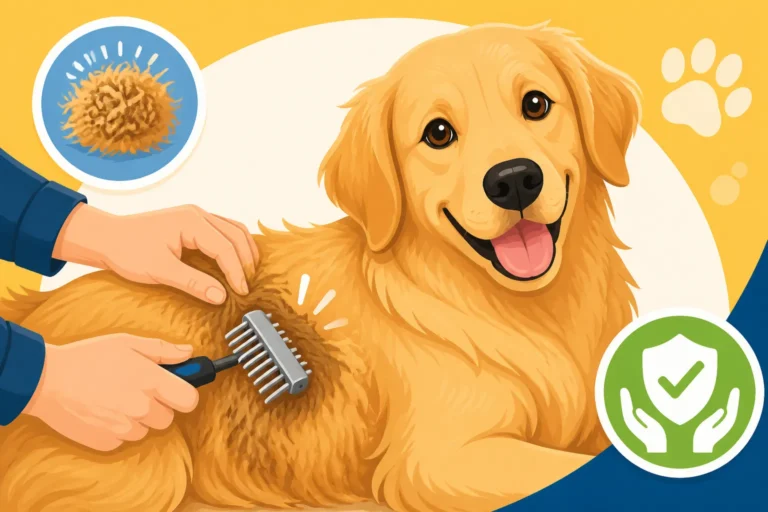
A deshedding tool like the Furminator is designed with a fine-toothed blade, often resembling a comb with very short, sharp teeth. The idea is that these teeth delve deep into the coat, grabbing and pulling out only the loose, dead undercoat without cutting the healthy guard hairs. The promise is a significant reduction in shedding, less fur around the house, and a healthier coat for your dog. For breeds whose undercoat sheds easily and is prone to matting without damaging their outer protective layer, these tools can sometimes work as intended. They are built to be more aggressive than a regular brush, essentially raking out vast amounts of hair in a short time. Many owners, desperate for relief from the constant golden "tumbleweeds," understandably gravitate towards such products, often finding them available on platforms like Chewy or Amazon.
The Risk of Damage to a Golden's Guard Hairs
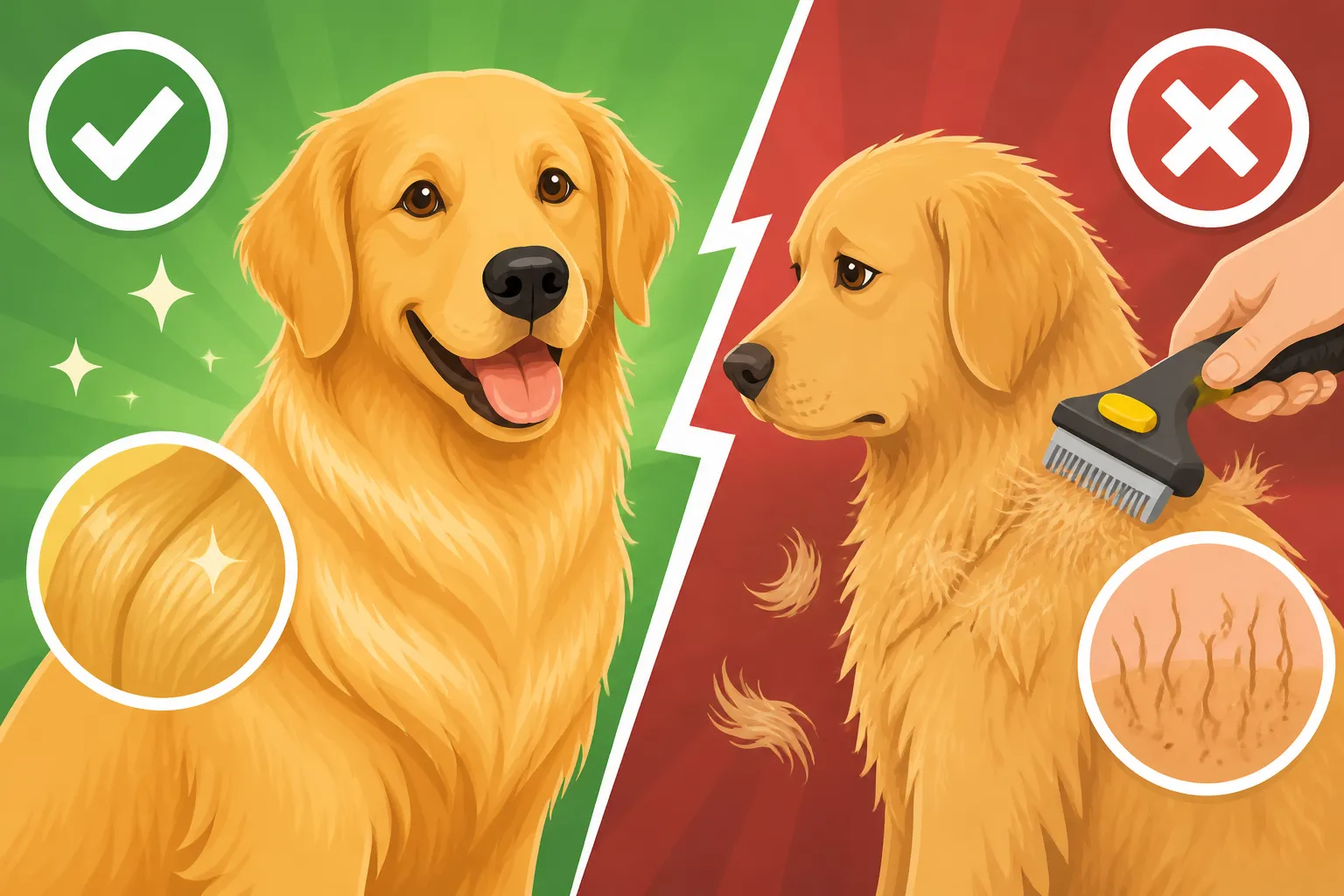
Here's where the rubber meets the road for our Golden Retrievers. While the intention of a deshedding tool is to remove only the loose undercoat, the reality for a double-coated breed like a Golden can be different. The sharp, tightly spaced teeth often don't just grab dead undercoat; they can also cut, break, and damage the healthy, protective guard hairs.
Imagine those beautiful, water-repellent outer hairs. Each time a Furminator passes over them, there's a risk of the blade severing these vital strands. Over time, this can lead to several problems:
- Compromised Protection: Damaged guard hairs lose their ability to repel water and dirt effectively. This means your Golden might get wetter during a swim, feel dirtier after a romp in the park, and their skin will be more exposed to environmental factors.
- Dull, Brittle Coat: When the guard hairs are cut or broken, the coat can appear dull, frizzy, and lack its natural luster. It might feel coarse and uneven, far from the soft, flowing coat we adore. This damage also makes the coat more prone to tangling and matting, ironically creating more grooming work in the long run.
- Altered Coat Texture: Regular use can permanently alter the texture of your Golden's coat. The beautiful "feathering" on their legs, tail, and chest, which is composed primarily of guard hairs, can become sparse and damaged. This isn't just an aesthetic issue; it affects the natural function of their coat.
Many experienced groomers and Golden Retriever enthusiasts strongly advise against using these types of blades for this very reason. The short-term satisfaction of seeing a pile of hair come off can mask the long-term damage being done to the integrity of their coat. This is similar to the advice against shaving a Golden Retriever, which also strips them of their protective outer layer, a topic explored further in Why You Never Shave a Golden Retriever.
Irritation and Skin Problems
Beyond damaging the guard hairs, aggressive deshedding tools can also cause direct irritation and trauma to your Golden's skin. The sharp teeth, especially if used with too much pressure or too frequently, can scratch, scrape, or even cut the skin. Goldens are known for having sensitive skin, and this type of irritation can quickly escalate.
- Redness and Inflammation: The constant tugging and scraping can leave your dog's skin red, inflamed, and tender. This discomfort can make future grooming sessions a battle.
- Hot Spots: Damaged skin is more susceptible to moisture and bacterial infections, which can quickly lead to painful hot spots. These are intensely itchy, raw areas that Goldens often lick and chew compulsively, making the problem worse. Golden Retriever Hot Spots and What Causes Them goes into more detail about managing these.
- Folliculitis: Repeated irritation of the hair follicles can lead to folliculitis, an inflammation of the hair follicles, which can be itchy and uncomfortable for your dog.
- Behavioral Aversion: If grooming becomes a painful or uncomfortable experience, your Golden might develop an aversion to being brushed, making essential routine care much harder for both of you.
It's tempting to think that "more is better" when it comes to removing shedding hair, but with a Golden's coat, gentler, more consistent methods are almost always safer and more effective for both their comfort and the long-term health of their beautiful fur.
Safer and More Effective Deshedding Alternatives for Your Golden
So, if the Furminator isn't the best tool for your Golden, what should you be using to manage that incredible amount of shedding? The good news is there are plenty of tried-and-true methods that are gentle on their coat and skin, and highly effective at removing loose hair. It just requires consistency and the right tools for the job.
Regular Brushing with Appropriate Tools
This is the cornerstone of Golden Retriever coat care. Regular brushing, ideally daily or at least several times a week, is the single most effective way to manage shedding and prevent mats without damaging their coat. But "regular brushing" isn't a one-brush-fits-all scenario. You need a few key tools in your grooming kit:
- Undercoat Rake: This is your MVP for getting deep into that dense undercoat. An undercoat rake has long, widely spaced teeth (sometimes with rotating pins) that can gently pull out loose undercoat without cutting the guard hairs. Use it by starting at the skin and pulling outwards, following the direction of hair growth. Be gentle, especially around sensitive areas. This is the closest you'll get to aggressive deshedding tools in terms of hair removal, but it does so safely. For more guidance, check out Undercoat Rakes and Deshedding a Golden.
- Slicker Brush: A slicker brush has fine, wire bristles clustered together on a flat or curved head. It's excellent for removing mats, tangles, and loose hair from both the undercoat and guard hairs. Use it with light, sweeping motions, being careful not to press too hard, as the wire bristles can scratch the skin if used incorrectly. This brush is fantastic for getting out those pesky burrs after a walk and for smoothing the topcoat.
- Pin Brush: A pin brush looks like a human hairbrush with widely spaced metal pins, often with rubber tips. This is a great everyday brush for finishing, fluffing the coat, and gently detangling surface hair. It's less aggressive than a slicker or rake and is good for sensitive areas or for a quick touch-up.
When you brush, aim to work in sections, making sure you get all the way down to the skin to properly remove loose undercoat. Many of these effective brushes can be found at pet supply stores or online retailers like Chewy and Amazon. For a deeper dive into brushing, our guide How Often to Brush a Golden Retriever offers more tips, and Which Brush Works on a Golden Retriever's Coat provides a comprehensive comparison of different brush types.
The Power of a Good Bath and Blow-Dry
Bathing your Golden Retriever isn't just for cleanliness; it's a powerful deshedding tool in itself! Water and shampoo help loosen dead hair, and the subsequent blow-drying process helps literally blow it out.
Here's how to maximize its deshedding potential:
- Thorough Wetting and Shampooing: Make sure your Golden is completely saturated before applying shampoo. Use a good quality dog shampoo specifically designed for their coat, avoiding harsh detergents. Lather thoroughly, massaging the shampoo deep into the undercoat. This helps release loose hairs. Rinse until the water runs clear and no suds remain, as residue can irritate the skin. Our article How Often to Bathe a Golden Retriever has more details on frequency and Shampoo for a Golden Retriever With Itchy Skin if your Golden has sensitive skin.
- Conditioning: A good conditioner will help smooth the hair cuticle, making it easier for loose hair to slide out and preventing new tangles. Let it sit for a few minutes before rinsing well.
- High-Velocity Dryer: This is where the magic happens for deshedding. After towel-drying your Golden as much as possible, use a high-velocity pet dryer (not a human hairdryer, which can be too hot and doesn't have enough power). The force of the air literally blasts the loose undercoat out of the coat. Work in sections, holding the skin taut to avoid discomfort. You'll be amazed at the amount of hair that comes flying off! This process not only removes shedding hair but also dries their dense coat quickly and prevents mildew or skin issues that can arise from incomplete drying.
Professional Grooming Techniques
Sometimes, it's best to call in the experts. Professional groomers have specialized tools, techniques, and training to handle a Golden Retriever's coat effectively and safely.
- Dedicated Deshedding Treatments: Many groomers offer specific deshedding packages that often include a specialized shampoo and conditioner, followed by a powerful high-velocity blow-dry and extensive brushing with professional-grade tools like undercoat rakes and specialized brushes. They know how to work with the coat's natural growth patterns to remove the maximum amount of loose hair with minimal stress to the dog or damage to the coat.
- Expert Eye for Skin Health: A professional groomer can also spot skin issues, lumps, or irritations that you might miss. They can advise you on proper home care and when a vet visit might be necessary.
- Maintaining Breed Standard: If you have a show Golden or just want to maintain their coat's traditional look, a professional groomer understands the breed standard and can trim feathering and paw pads appropriately without "shaving" or damaging the overall coat. For guidance on when to seek professional help, consider reading Professional Grooming Frequency for a Golden.
While professional grooming does incur a cost, many owners find it a worthwhile investment, especially during heavy shedding seasons, to keep their Golden comfortable and looking their best.
| Grooming Tool | Primary Function | Golden Retriever Suitability | Potential Drawbacks (if any) |
|---|---|---|---|
| Undercoat Rake | Removes loose undercoat | Excellent, essential for double coats | Can pull if coat is matted; requires gentle technique |
| Slicker Brush | Detangles, removes loose hair, smooths | Very good for general grooming and mat prevention | Can cause brush burn if used too aggressively |
| Pin Brush | Finishing, detangling surface hair | Good for daily maintenance, gentle detangling | Less effective for deep undercoat removal |
| High-Velocity Dryer | Forces out loose undercoat, dries coat | Excellent, highly effective for deshedding after baths | Can be noisy; dog needs to be acclimated to it |
| Deshedding Blade (e.g., Furminator) | Intended for loose undercoat removal | Not Recommended for Golden Retrievers | Cuts guard hairs, irritates skin, damages coat integrity |
| Steel Comb | Checking for tangles, finishing coat | Good for checking for missed knots, especially in feathering | Not for primary deshedding, can pull if coat is matted |
Long-Term Coat Health and Maintenance
Caring for your Golden Retriever's coat is an ongoing journey, not a one-time event. Beyond the immediate task of managing shedding, thinking long-term about their coat health involves aspects like nutrition, understanding seasonal changes, and knowing when to seek expert advice.
Nutrition's Role in a Healthy Coat
You know that old saying, "you are what you eat"? Well, it holds true for our Goldens and their glorious coats. A dull, dry, or excessively shedding coat can often be a sign that something in their diet isn't quite right.
- High-Quality Protein: Hair is primarily made of protein, so a diet rich in easily digestible, high-quality protein (like chicken, beef, or fish) is fundamental for strong, healthy hair growth. Look for dog foods where a named meat source is the first ingredient. Brands like Ollie often emphasize fresh, whole food ingredients that support overall health, including coat quality.
- Essential Fatty Acids (Omega-3s and Omega-6s): These are superstars for skin and coat health. Omega-3s, found in fish oil, flaxseed, and some specialized dog foods, help reduce inflammation and promote a shiny, soft coat. Omega-6s are also important for skin barrier function. A good balance of these fatty acids is crucial. Our article Fish Oil for a Golden Retriever's Coat delves deeper into these beneficial supplements.
- Vitamins and Minerals: Biotin, zinc, and vitamins A and E all play roles in skin and coat health. Ensure your dog's food is complete and balanced, providing all the necessary micronutrients.
When choosing food, take the time to Reading a Dog Food Label for a Golden Retriever to ensure it meets their nutritional needs. A well-nourished Golden will naturally have a healthier, more resilient coat that sheds less excessively and is less prone to dryness or irritation.
Managing Seasonal Shedding
Golden Retrievers are champions of shedding, particularly during their "coat blows" in spring and fall. It can feel overwhelming, like a never-ending snowstorm of golden fur. But understanding and proactively managing these seasons can make a huge difference.
- Spring Shed (Winter Coat Out): As the weather warms up, your Golden will shed their thick winter undercoat to prepare for lighter summer temperatures. This is often the heaviest shedding period. This is when your undercoat rake and a good bathing routine with a high-velocity dryer will be your best friends.
- Fall Shed (Summer Coat Out): In anticipation of colder weather, Goldens shed their lighter summer undercoat to make way for a thicker, denser winter coat. While usually not as intense as the spring shed, it's still significant.
- Year-Round Shedding: Even outside of these major seasonal blows, Goldens shed year-round. This is why consistent, daily or every-other-day brushing is so important. It prevents buildup of loose hair, reduces the amount of fur floating around your home, and keeps their coat in optimal condition.
During peak shedding, you might find yourself brushing daily for 15-30 minutes, sometimes more. While it's a commitment, it's far better than letting the loose hair compact and mat, which can lead to discomfort and skin issues for your dog. For more detailed strategies, read Golden Retriever Shedding and How to Manage It.
When to Seek Expert Advice
While we all strive to be our Golden's best advocate, there are times when an expert eye or intervention is needed. Don't hesitate to reach out if you encounter any of these situations:
- Excessive Shedding Beyond Normal: If your Golden seems to be shedding an unusual amount, not just seasonally, or their coat looks patchy, dull, or unhealthy despite good grooming and diet, it's worth a vet visit. Underlying health issues like thyroid problems (which Goldens can be prone to, see Hypothyroidism in Golden Retrievers), allergies, parasites, or nutritional deficiencies can all manifest as coat problems.
- Skin Irritations or Lesions: Any persistent redness, scratching, licking, hot spots, rashes, or unusual bumps on the skin should be checked by a veterinarian. Early detection and treatment are key to preventing more serious issues.
- Difficulty Managing Mats: If you find yourself consistently battling large, tight mats that you can't safely remove with brushing, a professional groomer is your best bet. They can often remove mats with specialized techniques and tools, minimizing discomfort for your dog. Trying to cut out large mats yourself can be dangerous, risking injury to your Golden's skin.
- Changes in Coat Texture or Appearance: If your Golden's coat suddenly changes in texture (becomes very coarse or brittle), loses its luster, or develops an unusual odor, these could be signs of a health issue that warrants veterinary attention.
Ultimately, your Golden Retriever's coat is a window into their overall health. By understanding its unique needs, using appropriate tools and techniques, and providing excellent nutrition, you can ensure their coat remains a beautiful, functional asset for their entire life.
Disclaimer
This article is for general informational purposes only and does not constitute professional advice. Laws, prices and regulations vary by location and change over time. Consult a qualified professional for guidance on your specific situation.