Grooming a Golden Retriever Puppy for the First Time
Bringing home a fluffy Golden Retriever puppy is an absolute dream, but quickly, the reality of their glorious double coat and fast-growing nails sets in. Many new puppy parents feel totally overwhelmed, wondering how on earth they're supposed to tackle grooming a squirming, sometimes bitey, little furball without making it a traumatic experience. This comprehensive guide is here to walk you through that crucial first grooming session, helping you establish a positive routine from day one so your Golden puppy can grow up to be a happy, well-groomed adult.
The Importance of Early Grooming for Your Golden Puppy
It's easy to look at that tiny, innocent fluff ball and think, "Oh, I'll worry about grooming when they're older and bigger." But trust me, that's a mistake many well-meaning Golden owners regret! Starting early isn't just about keeping them clean; it's about setting the stage for a lifetime of comfortable, stress-free grooming sessions. Goldens have thick coats that will shed, mat, and accumulate debris, and their nails grow quickly, so making grooming a routine positive experience from puppyhood is paramount.
Why Start Grooming So Young?
Think about it: your Golden Retriever puppy is a sponge right now. Every new experience, sight, sound, and touch is shaping their world view. If their first encounters with a brush, nail clippers, or even just being held still for a few minutes are scary or unpleasant, you're fighting an uphill battle for years to come. Their "puppy license" for being a little awkward and clumsy also extends to tolerating new sensations. Capitalize on this malleable stage! Starting around 8 to 10 weeks old, or as soon as they settle into your home, is ideal.
Moreover, puppies have short attention spans, which actually works in your favor for grooming. You're not aiming for a full, perfect groom on day one. Instead, you're aiming for short, positive interactions. A few gentle strokes with a soft brush, a quick touch of the nail clippers to one nail, or a peek in their ear – that's all it takes initially. These brief, positive sessions, repeated consistently, add up to a dog who trusts you during grooming, which becomes invaluable as they grow. Early exposure also allows them to get used to different textures and tools, preventing future fear responses.
Building Positive Associations
The key to successful puppy grooming is making it feel like a treat, not a chore. This isn't just about tolerating the process; it's about enjoying it. Every single grooming session, no matter how brief, should be paired with high-value rewards. This means delicious treats they only get during grooming, lots of praise, and gentle, soothing voices. You want them to think, "Oh, grooming time! This means yummy snacks and mom/dad telling me I'm the best dog ever!"
Imagine this scenario: you gently brush your puppy for 15 seconds, immediately follow with a tiny, delectable piece of cheese, and tell them what a good dog they are. Repeat this a few times, then end the session. Do this daily, or even twice a day, gradually increasing the duration. Soon, the sight of the brush or nail clippers will trigger happy anticipation, not dread. This consistent positive reinforcement is crucial for building a strong, trusting bond around what can otherwise be an intrusive activity for a dog. It’s all about creating a ritual that your puppy looks forward to.
Essential Tools for Your First Golden Retriever Puppy Grooming Session
Before you even think about putting a brush to that fluffy coat, you need to gather the right tools. Trying to groom with inadequate or painful equipment will quickly undo any positive associations you're trying to build. Investing in good quality tools from the start makes a huge difference, both for your comfort and your puppy's. Many of these items are readily available on sites like Chewy or Amazon, making it easy to stock up before your puppy even arrives.
Brushes and Combs
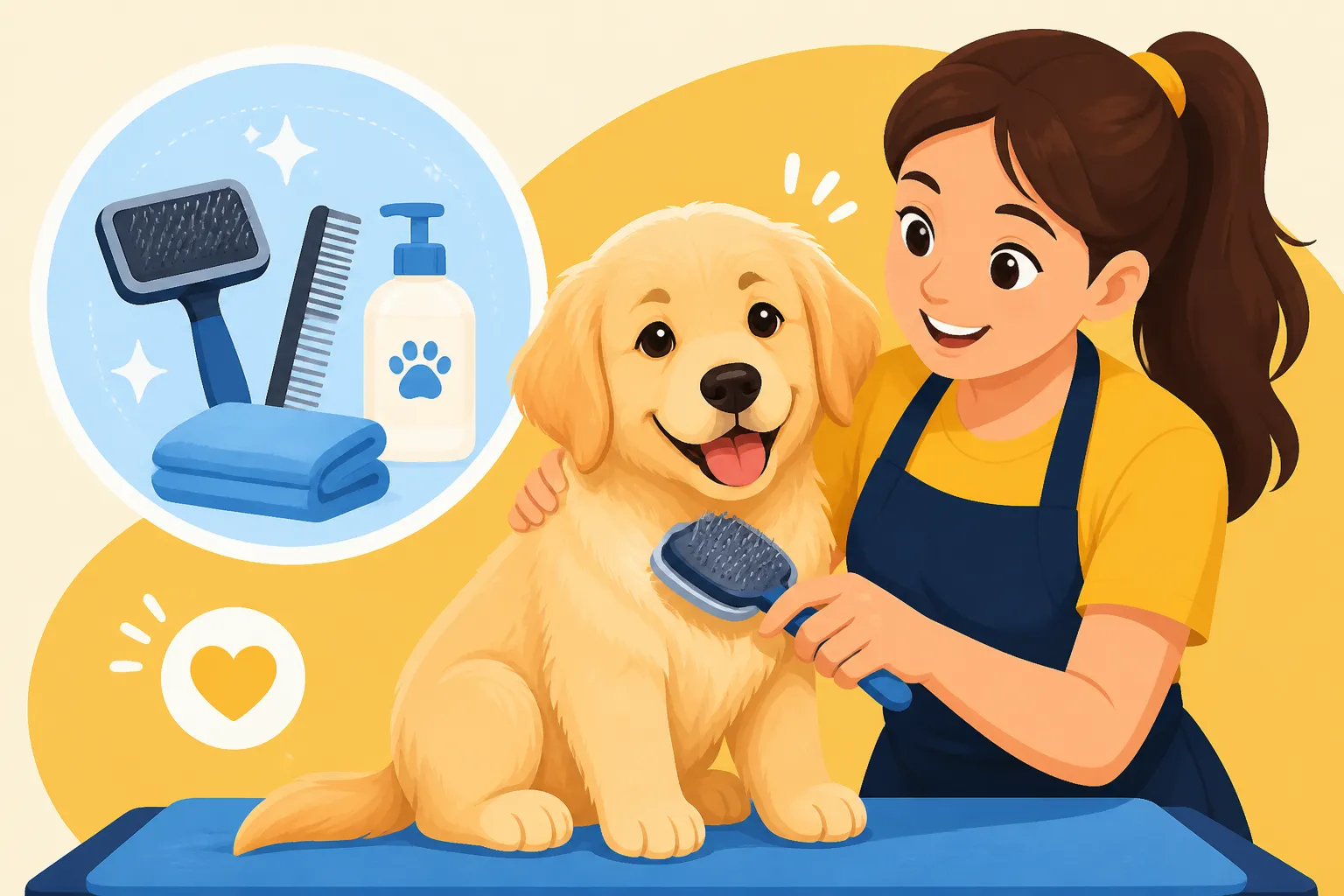
For a Golden Retriever puppy, you'll want a few key types of brushes. Start with something very soft and gentle to introduce the sensation without any pulling. A soft slicker brush with protected tips or a rubber curry brush (like the ZoomGroom) is perfect for puppies. These are designed to be mild and often feel like a massage, making them great for initial positive experiences.
As their coat starts to thicken and they get a bit older, you'll graduate to a regular pin brush and a sturdier slicker brush. The pin brush is great for daily maintenance and getting through the longer guard hairs, while the slicker brush is essential for tackling any developing mats in the undercoat, especially around their ears, 'feathers,' and tail. Don't forget a metal greyhound comb – this is your secret weapon for finding and gently working out tangles that the brushes might miss. For more detail on selecting the right tools, check out Which Brush Works on a Golden Retriever's Coat.
Nail Trimmers and Ear Cleaners
Nail trimming can be one of the most intimidating parts of grooming for both owner and puppy. There are two main types: scissor-style clippers or guillotine-style. For puppies, many owners find scissor-style clippers easier to maneuver on tiny paws. No matter which you choose, make sure they are sharp to ensure a clean, quick cut. A dull clipper will crush the nail, causing pain and a terrible experience. Keep styptic powder on hand just in case you clip a little too close to the quick – it stops bleeding quickly and provides peace of mind. For tips on desensitization, refer to Desensitizing a Golden Retriever to Nail Trims.
For ear care, you'll need a good quality ear cleaning solution specifically designed for dogs. Goldens, with their floppy ears, are prone to ear infections, so regular cleaning is a must. A gentle, pH-balanced cleanser will help remove wax and debris without irritating their delicate ear canals. Pair this with cotton balls or soft gauze pads. Avoid cotton swabs, as these can push debris further into the ear and potentially damage the eardrum. For a deeper dive into ear hygiene, see How Often to Clean a Golden Retriever's Ears and Ear Cleaner Safe for a Golden Retriever.
Step-by-Step: Your Puppy's First Grooming Experience
Alright, you've got your tools, your treats, and your patience. Now it's time for the main event! Remember, the goal isn't perfection, it's a positive, brief experience. Pick a quiet time when your puppy is relaxed, maybe after a good play session and a potty break, but before a meal when they're ravenous.
The Gentle Brush Out
Start with the brush. For the very first session, use that soft slicker or rubber brush. Have your puppy in a comfortable position, perhaps on your lap or on a non-slip mat on the floor. Begin by gently stroking their back, a place where most dogs enjoy being touched. Use a calm, reassuring voice. Stroke a few times, give a treat. Stroke a few more times, give another treat. Gradually move to their sides, chest, and legs.
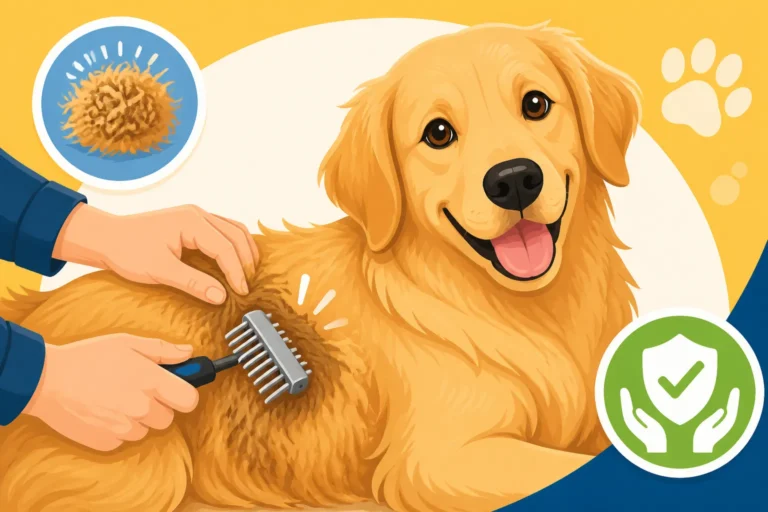
Pay close attention to their feathering, the longer hair on their legs, tail, and belly, even if it's sparse now. This is where mats love to form later in life. As you brush, check for any sensitivities. If they react negatively to a certain spot, lighten your touch or move on and come back to it another day. The whole session should only last a few minutes. The idea is to build up tolerance slowly. As they get used to it, you can introduce a pin brush to get a bit deeper into their developing double coat. Brushing a Golden Retriever's Coat Properly has more tips.
First Nail Trims and Ear Checks
This is where many owners get nervous, and understandably so! For the first nail trim, focus on just one or two nails, or even just touching the clippers to their paw and releasing. Hold your puppy securely but gently. Pick up one paw, handle each toe, and touch the clippers to a nail. Reward generously. If they tolerate that, try to snip just the very tip of one nail, avoiding the quick entirely. The quick is a blood vessel and nerve that runs through the nail; cutting it is painful and will cause bleeding. It's often easier to see on lighter colored nails. If your puppy has black nails, you'll have to be extra cautious, only taking off the very tip. If you're unsure, just practice touching and rewarding for a few days before attempting a cut.
For ear checks, simply lift their floppy ear and peek inside. Look for redness, discharge, or any unpleasant odor. Give a treat. That's it for the first time! Over subsequent sessions, you can gently wipe the visible part of the ear with a cotton ball dampened with ear cleaner. Never force anything into the ear canal. If you notice signs of infection, it's time for a vet visit, not a deeper cleaning. This early routine of checking and gently cleaning their ears will make future maintenance much easier and help you catch potential issues early.
Introducing the Bath
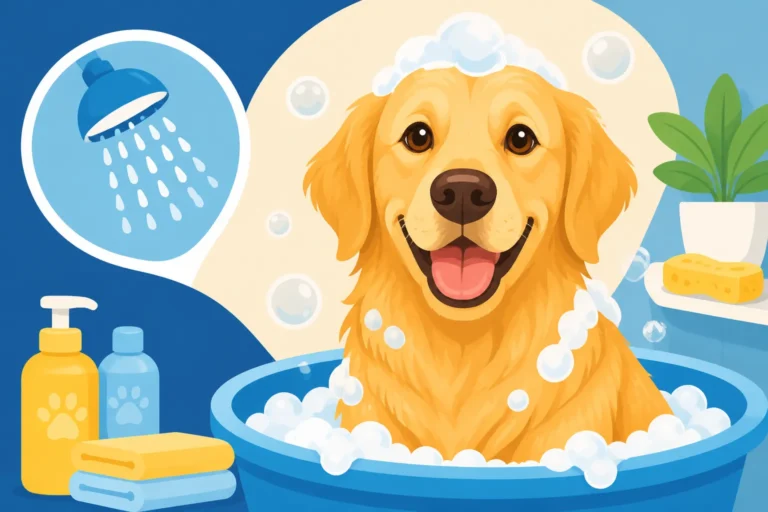
Your Golden Retriever puppy won't need a full bath right away, unless they've rolled in something truly dreadful! For a very young puppy, it's often better to wait until they are a bit older, generally around 12-16 weeks and have had a few rounds of vaccinations. However, getting them used to the idea of a bath is still part of early grooming. This might mean simply standing them in a dry tub for a few seconds, letting them explore it, and giving treats. Or, turning on the water to a gentle trickle so they get used to the sound.
When you do introduce a bath, make sure the water is lukewarm and use a puppy-specific shampoo. Human shampoos are too harsh for their skin. Have everything ready beforehand: shampoo, towels, and a non-slip mat in the tub. Start with a gentle stream of water, wetting them gradually. Lather sparingly and rinse thoroughly – leftover shampoo can cause skin irritation. Again, keep it brief and positive, with plenty of praise and treats. And remember, never shave your Golden Retriever, even in summer; their double coat is essential for temperature regulation. For routine bathing advice, refer to How Often to Bathe a Golden Retriever.
Common Puppy Grooming Challenges and How to Overcome Them
Let's be realistic: not every grooming session will be perfectly smooth sailing. Puppies, especially Goldens, are bundles of energy and curiosity, and sometimes that translates into squirming, nipping, or outright resistance. It's important to anticipate these challenges and have a plan for addressing them with patience and positive reinforcement, rather than getting frustrated.
Fear of the Tools
Some puppies might react with fear or suspicion to new objects like brushes or clippers. They might back away, cower, or even try to snap at the offending tool. The key here is desensitization. Don't force it. Instead, place the tool on the ground near them, let them sniff it, and reward them for calmly investigating it. You can even smear a tiny bit of peanut butter (xylitol-free, of course!) on the handle of a brush or clippers and let them lick it off. This creates a positive association with the object itself before you even use it on them.
Slowly, you can progress to touching the tool to their body for just a second, followed immediately by a treat. For example, touch the brush to their shoulder, remove, treat. Repeat. Build up the duration and pressure gradually. If they react negatively, go back a step. Patience is your most powerful tool here. Remember that puppies are still figuring out what is safe and what isn't, and your calm demeanor helps them understand that these funny-looking gadgets are nothing to be afraid of. Socialization Checklist for a Golden Retriever Puppy can also provide insights into introducing new experiences.
Squirming and Discomfort
A squirming puppy during grooming isn't necessarily a sign of fear, but often just typical puppy energy and discomfort with being held still. This is where those short, frequent sessions really pay off. If your puppy starts to get antsy, try redirecting their attention. A chew toy or a lick mat smeared with peanut butter can be a fantastic distraction, keeping them occupied while you work. For instance, while you're tackling their leg feathering, give them a Kong filled with frozen pumpkin to keep them happy and still.
If the squirming is excessive, don't try to power through it. This will only escalate their discomfort and make future sessions harder. Instead, take a short break. Let them walk around for a minute, then try again. Sometimes, changing your position or the surface you're grooming on can help. A raised grooming table with a non-slip mat and a grooming arm can provide a sense of security and make it easier for you to access all areas, but even a non-slip bath mat on your kitchen counter can work for a small puppy. Remember, the goal is to make grooming tolerable, then enjoyable. If you consistently push them past their comfort threshold, grooming will forever be a battle.
| Grooming Task | Puppy Age (Start) | Key Tool | Reward Strategy | Common Challenge |
|---|---|---|---|---|
| Brushing | 8-10 weeks | Soft slicker or rubber brush | High-value treats, praise | Puppy tries to chew brush |
| Nail Trimming | 8-10 weeks | Scissor-style puppy clippers | Small, frequent treats | Fear of clippers, pulling paw away |
| Ear Checks | 8-10 weeks | Cotton balls | Verbal praise, a favorite toy | Doesn't like ears touched |
| Bathing | 12-16 weeks (after vaccinations) | Puppy shampoo, non-slip mat | Lick mat in tub, warm water | Slipping in tub, dislike of water |
Remember to purchase your supplies from reputable retailers. Many pet owners find a wide selection of grooming tools, from brushes to shampoos, at places like Chewy. Don't be afraid to experiment with different types of brushes or even consider trying grooming gloves if your puppy is particularly sensitive to traditional brushes. The important thing is to find what works best for your Golden and make grooming a part of their happy routine.
Disclaimer
This article is for general informational purposes only and does not constitute professional advice. Laws, prices and regulations vary by location and change over time. Consult a qualified professional for guidance on your specific situation.