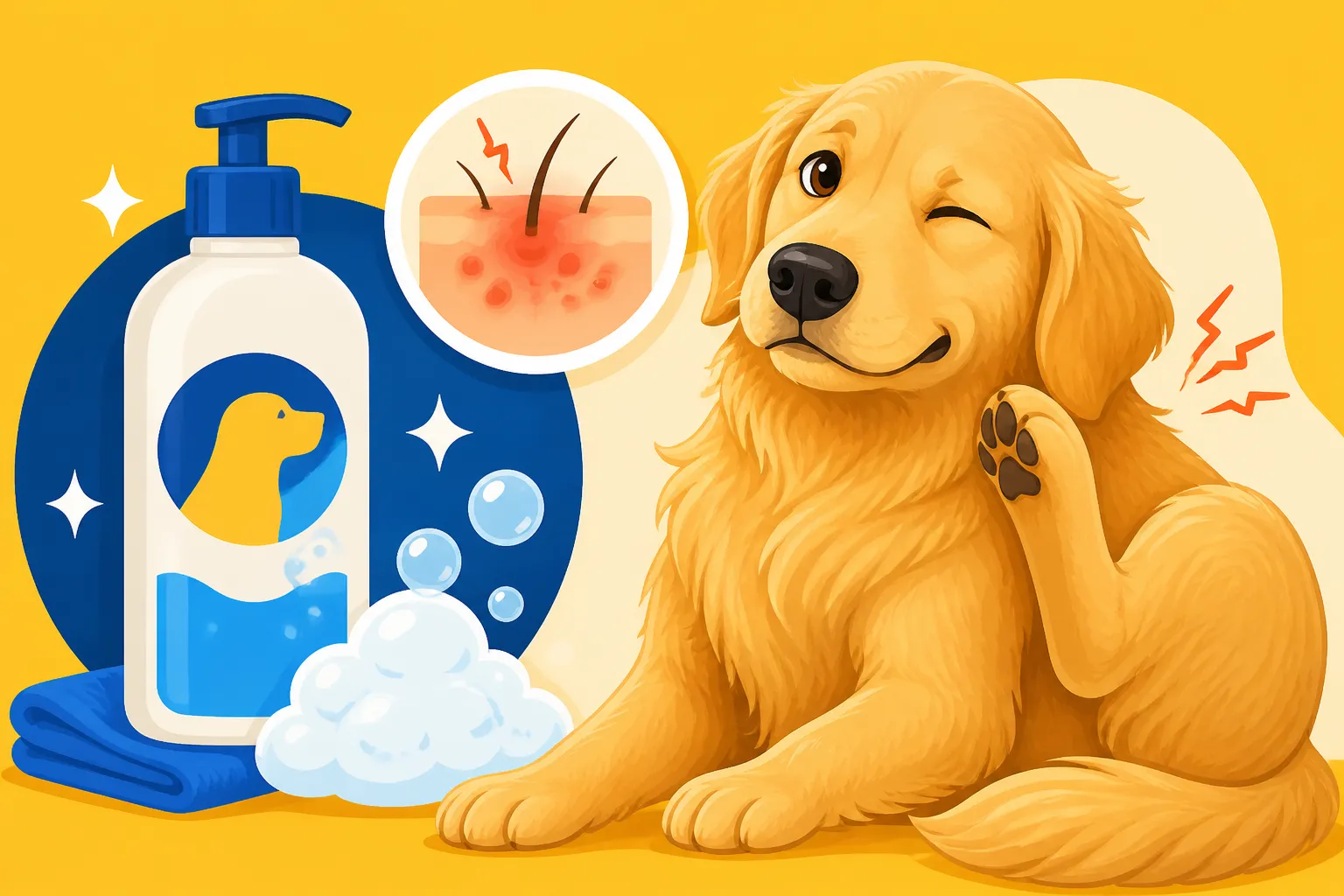
Shampoo for a Golden Retriever With Itchy Skin
It's heartbreaking to see your beloved Golden Retriever constantly scratching, biting, and licking at their skin. That incessant itch isn't just annoying for them; it’s a clear sign of discomfort and often, an underlying issue that needs attention. This guide is here to walk you through understanding why your Golden might be so itchy and, crucially, how to choose and use the right shampoo to provide much-needed relief and support their skin health.
Understanding Why Your Golden Retriever Is Itchy
Before we even think about shampoo, it’s vital to understand why your Golden Retriever might be scratching themselves raw. Goldens are, unfortunately, prone to a variety of skin issues, and what looks like a simple itch can be a symptom of something more complex. It's never just "dry skin" with these guys, or at least, rarely.
Allergies Are a Major Culprit for Goldens
Ah, allergies. If you own a Golden, you've probably heard this word whispered in hushed tones at the dog park or shouted from your vet's exam room. Golden Retrievers are notoriously susceptible to allergies, which can manifest as intense skin itching. There are generally two main types we see:
- Environmental Allergies (Atopy): Think of these as hay fever for dogs. They can be allergic to things like pollen, dust mites, molds, and certain grasses. These allergies are often seasonal, flaring up in spring or fall, but can be year-round depending on the allergen. The itching often concentrates on their paws (leading to constant licking), belly, armpits, and ears. When their skin barrier is compromised by constant scratching, it becomes easier for yeast and bacteria to take hold, creating a vicious cycle of itch, scratch, and infection. This is a common battle many Golden owners face, often for years. You can read more about Golden Retriever Paw Licking and Seasonal Allergies.
- Food Allergies: While less common than environmental allergies, food allergies can also cause significant skin irritation. Unlike environmental allergies, food allergies usually cause year-round itching and can sometimes be accompanied by gastrointestinal upset. Common culprits often include proteins like chicken, beef, dairy, or grains like wheat and soy. Identifying a food allergy usually involves a strict elimination diet, which can be a long and frustrating process, but is often the only way to pinpoint the trigger. If you suspect food allergies, it’s worth diving into Golden Retriever Food and Skin Allergies.
Hot Spots and Secondary Skin Infections
When a Golden Retriever starts itching, they often create what we affectionately (or not so affectionately) call "hot spots." These are acute moist dermatitis lesions – basically, red, oozing, painful skin infections that appear rapidly, often overnight, due to constant licking, chewing, or scratching. They can escalate from a tiny irritated patch to a large, raw wound in hours. The thick double coat of a Golden traps moisture and warmth, creating a perfect breeding ground for bacteria once the skin barrier is broken. Secondary bacterial or yeast infections are incredibly common with any persistent itching and often require specific medicated shampoos or even oral medications from your vet. Without addressing the underlying itch, hot spots can become a recurring nightmare. For more detail on managing these, consider reading Golden Retriever Hot Spots and What Causes Them.
Dry Skin and Seasonal Changes
Just like us, Goldens can experience dry skin, especially during certain times of the year. In winter, low humidity indoors (thanks to heating systems) can strip moisture from their skin. Similarly, excessive bathing with harsh shampoos can dry out their natural oils, leading to flakiness and itching. While dry skin alone usually isn't as intensely itchy as allergies, it can certainly contribute to discomfort and make other issues worse. Sometimes, a simple change in climate or even just getting older can impact their skin's moisture balance.
Parasites: The Obvious Offenders
Sometimes the simplest explanation is the right one. Before jumping to complex allergies, always rule out parasites. Fleas are a classic culprit, and even a single flea bite can trigger an intense allergic reaction in a flea-sensitive Golden Retriever, leading to widespread itching. Ticks, while not usually causing widespread itch, can cause localized irritation. Mites, such as sarcoptic mange mites, can cause incredibly intense, relentless itching and hair loss. It’s crucial to keep your Golden on a veterinarian-recommended flea and tick preventative year-round, even if they spend most of their time indoors. Don't assume if you don't see fleas, they aren't there – Goldens' thick coats are excellent at hiding them.
What to Look For in an Itch-Relief Shampoo for Your Golden
Once you and your vet have a better idea of why your Golden is itching, you can start looking for the right shampoo. This isn't a one-size-fits-all situation, and what works wonders for one Golden might do nothing for another.
Soothing Ingredients That Offer Relief
For general itchiness, especially from dry skin or mild environmental irritants, soothing ingredients are your best friend.
- Oatmeal (Colloidal Oatmeal): This is perhaps the most well-known and widely used soothing ingredient in dog shampoos. It works by creating a protective barrier on the skin, reducing inflammation, and moisturizing. It’s a fantastic first line of defense for general itch relief. Look for shampoos where colloidal oatmeal is high on the ingredient list.
- Aloe Vera: Known for its healing and anti-inflammatory properties, aloe vera can provide a cooling sensation and help calm irritated skin. It's often paired with oatmeal for a powerful soothing combination.
- Essential Fatty Acids (Omega-3s and Omega-6s): While often given as supplements (like fish oil, which is great for Fish Oil for a Golden Retriever's Coat), some shampoos incorporate these to help nourish the skin barrier from the outside in. They contribute to a healthier skin and coat, making it more resilient against irritants.
- Hydrolyzed Proteins: Ingredients like hydrolyzed oat protein or wheat protein can help moisturize the skin and add shine to the coat without being irritating.
- Allantoin: This ingredient is known for its moisturizing, soothing, and healing properties, making it excellent for repairing compromised skin.
Medicated vs. Hypoallergenic Shampoos
The choice between medicated and hypoallergenic often depends on the root cause of the itch.
- Hypoallergenic Shampoos: These are formulated with minimal ingredients, free from common allergens like dyes, fragrances, and harsh chemicals. They are ideal for Goldens with sensitive skin or diagnosed environmental allergies, where the goal is to cleanse without adding further irritation. They often contain soothing ingredients like oatmeal and aloe. If your vet suspects allergies, a hypoallergenic formula is usually the first step to ensure the shampoo itself isn't contributing to the problem. Many excellent options are available on platforms like Chewy or Amazon.
- Medicated Shampoos: If your Golden has a bacterial or yeast infection, or severe inflammation, your vet might prescribe a medicated shampoo. These contain active ingredients designed to treat specific skin conditions:
- Antifungal Agents: Ingredients like Miconazole or Ketoconazole target yeast infections, which often cause a greasy, smelly coat and intense itching.
- Antibacterial Agents: Chlorhexidine is a common antiseptic used to combat bacterial skin infections.
- Antipruritic (Anti-itch) Agents: Some medicated shampoos contain ingredients like Pramoxine or hydrocortisone to directly reduce itching and inflammation.
- Keratolytic Agents: Ingredients like Salicylic Acid or Coal Tar can help with conditions involving excessive scaling or oily skin, though these are less common for general Golden Retriever itchiness unless specific conditions like seborrhea are present.
- When to Use: Medicated shampoos usually require a specific contact time (leaving the lather on for 5-10 minutes) to allow the active ingredients to work. They should always be used under veterinary guidance, as overuse or incorrect use can sometimes cause further irritation or resistance.
pH Balance and Natural Formulations
A dog's skin has a different pH level than human skin (dogs are more alkaline, typically around 7.0-7.5, compared to human skin's acidic 5.5). Using human shampoo on your Golden, even a gentle one, can disrupt their skin's natural barrier, leading to dryness and irritation. Always choose a shampoo specifically formulated for dogs.
Many owners also look for "natural" formulations, but it's important to understand what that means. While essential oils like tea tree oil might sound natural, some can be irritating or even toxic to dogs in certain concentrations. Stick to reputable brands that clearly list their ingredients and avoid anything with overly strong artificial fragrances, dyes, or harsh detergents (like certain sulfates) that can strip natural oils.
Ingredients to Avoid
When scrutinizing labels (especially if you're buying online from places like Amazon), be wary of:
- Artificial Colors and Dyes: These offer no benefit and can be potential irritants.
- Strong Artificial Fragrances: While a pleasant smell might appeal to you, strong perfumes can irritate your Golden's sensitive skin and respiratory system.
- Parabens and Phthalates: These are preservatives and chemicals whose long-term effects aren't fully understood, and many owners prefer to avoid them.
- Harsh Sulfates (e.g., Sodium Lauryl Sulfate, Sodium Laureth Sulfate): These are strong detergents that create a lot of lather but can strip the skin of its natural oils, leading to dryness and irritation, especially in an already itchy dog.
| Shampoo Type | Key Ingredients | Best For | Considerations |
|---|---|---|---|
| Soothing/Oatmeal | Colloidal oatmeal, aloe vera, hydrolyzed proteins | General dryness, mild irritation, seasonal allergies, maintenance | Gentle, safe for frequent use, usually non-medicated. |
| Hypoallergenic | Minimal ingredients, no dyes/fragrances | Sensitive skin, known allergies (environmental/food), post-treatment | Designed to prevent further irritation, often paired with soothing agents. |
| Medicated (Anti-fungal) | Miconazole, Ketoconazole | Yeast infections (greasy skin, odor), often vet-prescribed | Requires specific contact time, addresses root cause of infection. |
| Medicated (Antibacterial) | Chlorhexidine, Benzoyl Peroxide | Bacterial skin infections, hot spots, pyoderma, vet-prescribed | Stronger, may dry skin if overused, crucial for active infections. |
| Medicated (Anti-itch) | Pramoxine, Hydrocortisone | Severe localized itching, acute inflammation, temporary relief | Often contains corticosteroids; use sparingly and under vet guidance. |
How to Bathe an Itchy Golden Retriever Properly
Bathing an itchy Golden isn't just about slapping on some shampoo and rinsing it off. It's a therapeutic process that, if done correctly, can provide immense relief and aid in healing.
Pre-Bath Preparations are Crucial
A Golden Retriever's coat is magnificent but can be a nightmare if not prepped correctly for a bath.
- Brush, Brush, Brush! Before your Golden even steps near the tub, give them a thorough brushing. Use an undercoat rake to remove as much loose hair and any mats as possible. Mats will hold water and shampoo, making them incredibly difficult to rinse out completely, and damp mats can exacerbate skin issues. This step alone can save you a lot of grief. For tips, see Brushing a Golden Retriever's Coat Properly.
- Gather Your Supplies: Have everything within arm's reach before the water starts flowing. This includes your chosen shampoo, a conditioner (especially if using a medicated shampoo that can be drying), towels, a non-slip mat for the tub, and plenty of treats for positive reinforcement.
- Protect Their Eyes and Ears: Put a few drops of ophthalmic ointment in their eyes to protect them from shampoo, and place cotton balls (don't push them in too deep!) in their ears to prevent water from entering, which can lead to infections—a common issue for Ear Infections in Floppy-Eared Goldens.
The Bathing Process: Gentle and Thorough
The goal is to cleanse and treat, not to further irritate already sensitive skin.
- Lukewarm Water: Never use hot water on an itchy dog, as it can worsen inflammation and dry out their skin. Lukewarm water is best – comfortable to your wrist.
- Wet Thoroughly: Get their entire coat soaking wet, down to the skin. This can take a while with a Golden's dense double coat.
- Apply Shampoo Generously (but not excessively): Work the shampoo into a lather, starting from the neck and working your way back, paying special attention to itchy areas, paws, and under the tail. Really massage it into the skin, not just the fur.
- Respect Contact Time (for medicated shampoos): If using a medicated shampoo, this is critical. Lather up and let the shampoo sit on their coat for the time specified by the manufacturer or your vet (often 5-10 minutes). This allows the active ingredients to penetrate and work their magic. This is a good time for a distraction – maybe some peanut butter smeared on the tub wall, or a favorite waterproof toy.
- Use a Conditioner (Optional but Recommended): After rinsing the shampoo, a good quality dog-specific conditioner can help restore moisture to the skin and coat, making it softer and easier to comb, and further reducing irritation.
Thorough Rinsing is Key to Preventing Further Itch
This is arguably the most important step for an itchy Golden. Any shampoo residue left on the skin can be incredibly irritating and lead to more itching, flaking, or even new infections.
- Rinse, Rinse, Rinse: Rinse your Golden far longer than you think is necessary. Keep rinsing until the water runs completely clear and you can no longer feel any slickness on their coat or skin.
- Check Hidden Spots: Pay extra attention to the armpits, groin, between their toes, and under their tail. These areas are notorious for trapping shampoo.
- Squeeze Out Excess Water: Gently squeeze excess water from their fur before towel drying.
Drying Gently and Completely
Drying is another critical step, especially for Goldens. A damp undercoat can quickly become a breeding ground for bacteria and yeast, which, you guessed it, leads to more itching.
- Pat, Don't Rub: Aggressively rubbing with a towel can tangle their coat and irritate sensitive skin. Instead, gently pat and squeeze the water out with highly absorbent towels.
- Air Dry or Low-Heat Blow Dryer: If your Golden tolerates it, a pet-specific force dryer on a cool or low-heat setting is ideal for getting that dense undercoat dry quickly and thoroughly. If air drying, ensure they are in a warm, draft-free area, and consider doing a final brush-through once partially dry to ensure no mats form. Don't let them go outside until completely dry, especially in cold weather. For more insights into drying, check out Drying a Golden Retriever's Thick Coat.
Beyond Shampoo: Addressing the Root Causes and Long-Term Care
While the right shampoo can provide immense relief, it's rarely a standalone solution for chronic itchiness in a Golden Retriever. It's a tool in your arsenal, but a holistic approach is always best.
Vet Consultation is Paramount
I cannot stress this enough: if your Golden Retriever is constantly itching, scratching, or developing hot spots, a visit to your veterinarian is the absolute first step. They can accurately diagnose the cause, whether it's allergies, parasites, bacterial infections, yeast overgrowth, or even less common conditions like Hypothyroidism in Golden Retrievers which can manifest with skin issues. Your vet might recommend skin scrapes, fungal cultures, blood tests, or prescribe oral medications (like antibiotics, antifungals, or anti-itch drugs) to get the situation under control. Shampoo can only do so much; sometimes, systemic treatment is needed. Don't delay a vet visit, especially if the skin is red, inflamed, oozing, or smelly.
Dietary Management for Sustained Relief
Diet plays a huge role in skin health. If your vet suspects food allergies, they might recommend an elimination diet or a specialized prescription diet.
- Elimination Diet: This involves feeding a novel protein and carbohydrate source (one your dog has never eaten before) for several weeks, then slowly reintroducing ingredients to identify the culprit. This process requires dedication and strict adherence. Find out more about Running an Elimination Diet for an Itchy Golden.
- Hypoallergenic Diets: Many commercial hypoallergenic dog foods use hydrolyzed proteins (proteins broken down so small that the immune system doesn't recognize them as allergens) or novel protein sources. Brands like Ollie often offer fresh, limited-ingredient options that some owners find beneficial for dogs with sensitivities, although you’d want to discuss any specific dietary changes with your vet. Always ensure the food you choose is a large breed formula to support joint health, especially in growing Goldens.
Environmental Control for Allergy Sufferers
If environmental allergies are the cause, minimizing exposure to allergens can help reduce itching.
- Regular Cleaning: Dusting, vacuuming (with a HEPA filter), and washing your Golden's bedding frequently can reduce dust mites and pollen in the home.
- Air Purifiers: Using air purifiers in rooms where your Golden spends a lot of time can help filter out airborne allergens.
- Wipe Downs: After outdoor adventures, especially during high pollen seasons, wipe down your Golden's paws and coat with a damp cloth to remove pollen before they track it into the house.
- Limit Exposure: If your Golden is allergic to a specific type of grass, try to avoid walking them in those areas during peak season.
Supplements for Enhanced Skin Health
Certain supplements can support a healthy skin barrier and reduce inflammation, working from the inside out.
- Omega-3 Fatty Acids: Fish oil, rich in EPA and DHA, is an anti-inflammatory powerhouse. It can significantly improve coat quality, reduce dryness, and lessen allergic reactions. Look for high-quality, vet-recommended fish oil supplements. Fish Oil for a Golden Retriever's Coat delves deeper into this.
- Probiotics: A healthy gut microbiome can influence overall health, including skin health. Some Goldens benefit from probiotics, especially if gut issues are suspected alongside skin problems.
Consistent Grooming Habits
Beyond bath time, daily and weekly grooming routines are vital for an itchy Golden.
- Daily Brushing: Regular brushing not only helps remove loose fur and prevents mats but also stimulates blood flow to the skin and distributes natural oils. It also allows you to regularly inspect their skin for any new hot spots, rashes, or parasites. How Often to Brush a Golden Retriever outlines how important this is.
- Ear Cleaning: Goldens with their floppy ears are prone to ear infections. Regular, gentle cleaning with a vet-approved ear cleaner can prevent irritation that might contribute to overall itchiness. Learn how to do this correctly in Cleaning a Golden Retriever's Ears Correctly.
- Nail Trims: Long nails can scratch and further damage already irritated skin, so keep them trimmed to minimize harm.
Managing an itchy Golden Retriever is often a marathon, not a sprint. It requires patience, consistency, and a close partnership with your veterinarian. By understanding the potential causes, selecting the right shampoos and complementary products (which you can often find great deals on through Chewy or Amazon), and implementing comprehensive care, you can help your Golden find lasting relief and get back to being their happy, comfortable self.
Disclaimer
This article is for general informational purposes only and does not constitute professional advice. Laws, prices and regulations vary by location and change over time. Consult a qualified professional for guidance on your specific situation.