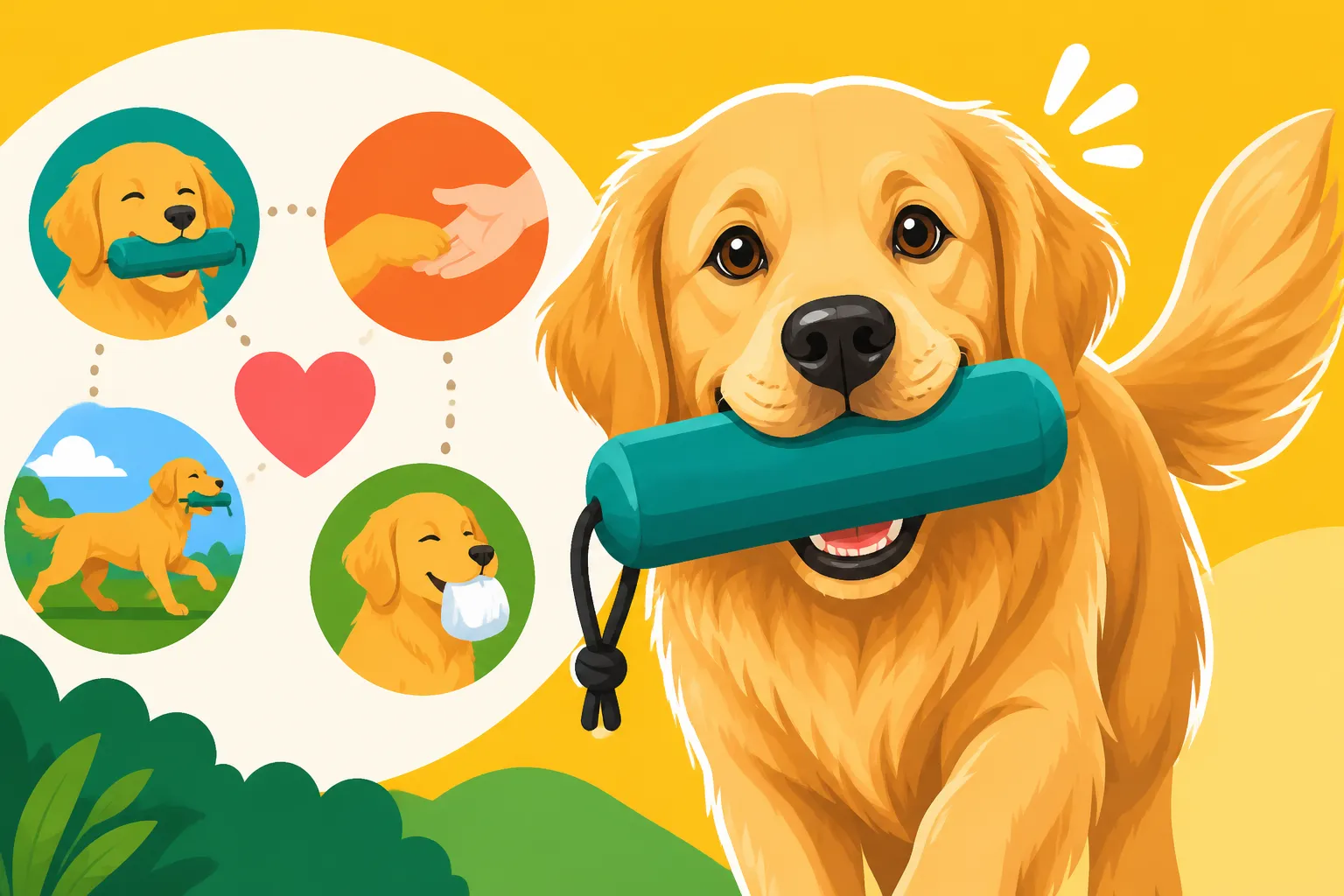
Why Golden Retrievers Carry Things in Their Mouths
If you've ever owned a Golden Retriever, you've probably noticed their endearing, sometimes frustrating, habit of carrying things around in their mouths. From bringing you a beloved (and often slobbery) toy to parading through the house with your most expensive slipper, it's a behavior that puzzles and delights in equal measure. This guide will dive deep into the fascinating history and innate instincts behind why Golden Retrievers are so fond of carrying objects, offering insights and practical tips for understanding and managing this unique breed trait.
The Historical Roots of the Golden Retriever's "Soft Mouth"
To truly understand why your Golden Retriever loves carrying things, we have to journey back in time to their origins. Unlike many breeds that were developed for guarding, herding, or pest control, the Golden Retriever was meticulously bred for a very specific and noble purpose: retrieving game without damaging it. This core function is embedded deep within their genetic code and manifests in many behaviors we see today.
Bred for Retrieval: A Hunter's Best Friend
The Golden Retriever's story begins in the mid-19th century in the Scottish Highlands, where Lord Tweedmouth set out to create the ultimate hunting companion. He wanted a dog that was superb at retrieving waterfowl and upland game, capable of working in challenging terrain and cold water, and possessing an even, biddable temperament. This wasn't just about bringing back a downed bird; it was about doing so gently, without leaving tooth marks or crushing the delicate bird. The early crosses involved a yellow Tweed Water Spaniel (now extinct) and a yellow Flat-Coated Retriever, among others, with selection criteria always focused on intelligence, trainability, and that crucial "soft mouth." You can learn more about What Breeds Went Into the First Golden Retrievers.
The success of Lord Tweedmouth’s breeding program quickly established the Golden Retriever as an indispensable partner for hunters. Imagine a cold, damp morning out by a lake. A bird is shot, falling into thick reeds or icy water. The Golden's job was to plunge in, locate the bird, and bring it back to the hunter’s hand, completely unharmed. This required a dog with a powerful drive to retrieve, but also immense control over their bite. They weren't meant to kill or chew the game, but to gently transport it. This history explains why Goldens are so attuned to carrying; it's literally what they were created to do, a fundamental part of their heritage as hunting dogs.
The Importance of the "Soft Mouth" in Field Work
The term "soft mouth" is more than just a quaint descriptor for Golden Retrievers; it's a critical trait that defines the breed. It refers to a dog's ability to pick up and hold objects, even delicate ones like eggs, without biting down hard or causing damage. This skill is honed through generations of selective breeding and careful training in working lines. For a Golden working in the field, a damaged bird meant a wasted retrieve and potentially a disappointed hunter. Therefore, the dogs who consistently demonstrated this gentle carrying ability were the ones chosen to pass on their genes.
This genetic predisposition means that carrying is often less about chewing for a Golden and more about holding. They derive immense satisfaction from holding objects in their mouths, feeling the weight and texture, and presenting them. It’s a sensory experience and a deeply ingrained behavior that fulfills their original purpose. Even if your Golden has never seen a hunting blind in their life, that instinct to carefully carry and deliver is very much alive. It’s why they often greet you with a toy, or why they might pick up an item from the floor to move it rather than nudge it with their nose. The desire to hold, rather than destroy, is a testament to their carefully cultivated ancestry.
Understanding the Golden Retriever's Natural Instincts Today
Even far removed from the Scottish moors and duck blinds, modern Golden Retrievers continue to exhibit their ancestral retrieving instincts in various ways. These behaviors are not random; they're driven by fundamental canine needs for engagement, comfort, and communication. Understanding these underlying motivations can help us appreciate their quirks and interact with them more effectively.
Carrying Objects as a Form of Play and Engagement
For many Goldens, carrying an object is an invitation to play. It's their way of initiating interaction, saying, "Hey, I've got this awesome thing, let's do something with it!" This often manifests as bringing a toy, dropping it at your feet, then backing up with a hopeful wagging tail, ready for a game of fetch. They might also parade around the house with a favorite item, soliciting attention from anyone who sees them. This is especially true for puppies and adolescent Goldens, who have boundless energy and a constant need for mental and physical stimulation. Just as they learn Fetch Games That Tire a Golden Retriever, they learn that carrying certain objects can lead to fun with their human companions.
This behavior isn't just about getting you to throw something, though. The act of carrying itself can be a form of play for them. They might toss a toy into the air and catch it, or playfully prance with a squeaky item, completely engrossed in their own game. It's a testament to their joyful, playful nature, and a clear indication that a Golden Retriever is often happiest when they have a "job" to do, even if that job is simply transporting a plush squirrel from one end of the living room to the other. Providing them with a variety of appropriate toys available at stores like Chewy can really help channel this natural drive.
Self-Soothing and Comfort in Familiar Objects
Beyond play, carrying can also be a deeply comforting and self-soothing behavior for a Golden Retriever. Much like a child might carry a favorite blanket or teddy bear, a Golden might hold a cherished toy or even a specific household item when they are feeling anxious, bored, or just settling down. You might notice your Golden picking up a soft toy and taking it to their bed before a nap, or gently mouthing it during a stressful situation like a thunderstorm. This isn't destructive chewing; it's a quiet, reassuring act.
This behavior is particularly common when Goldens are left alone or are transitioning to a new environment. The familiar scent and texture of a favored item can provide a sense of security. It taps into a primal instinct to hold something precious, a link back to their retrieving heritage where bringing valuable game back to the den would have been a comforting act. Recognizing this distinction is important; if your Golden is gently carrying an item and settling down, they're likely not looking to destroy it but rather find solace in it. Creating a safe space with a comfortable bed and their favorite designated "comfort carrier" can be incredibly beneficial for them.
The "Greeting Gift" Phenomenon
One of the most charming manifestations of the Golden Retriever's carrying instinct is what many owners affectionately call the "greeting gift." Picture this: you walk through the door after a long day, and your Golden bounds up to you, tail wagging furiously, eyes sparkling, often with a shoe, a remote control, or a random toy dangling gently from their mouth. They might not drop it immediately, but rather prance around, presenting it to you like a proud offering.
This isn't them trying to give you the item in the human sense, but rather an outpouring of their excitement and joy at your return, channeled through their deepest instinct: carrying. It's a displaced retrieving behavior—they're so happy and stimulated that they need to grab something to hold. For many Goldens, it's also a learned behavior, where they've associated your return with the positive attention they receive when carrying something. It's a non-verbal "hello" and a demonstration of their affectionate nature. You might notice this behavior also around new visitors; the Golden, eager to interact but unsure how, grabs the nearest available item to bridge the gap.
Common Objects Goldens Love to Carry (and Why)
Golden Retrievers aren't picky when it comes to what they carry. Their "soft mouth" instinct can lead them to pick up an astonishing variety of objects, much to the amusement (or occasional dismay) of their human companions. Understanding why they choose certain items can offer even more insight into their motivations.
Household Items: Shoes, Socks, and the Remote Control
It’s an almost universal experience for Golden Retriever owners: finding a sock tucked neatly into their dog's bed, a remote control under the couch, or a favorite shoe carefully placed by the back door. Why these items? Several reasons contribute to this preference. Firstly, household items often carry the scent of their beloved humans, making them instantly appealing and comforting. A worn sock or a recently used shoe smells wonderfully like you, and for a dog that thrives on connection, this is a powerful draw. Secondly, these items are often readily available and relatively soft or easily manipulated, fitting comfortably into their mouths without being too rigid or difficult to grasp.
Sometimes, it's simply a matter of convenience and opportunity. An item left on the floor or within easy reach becomes a spontaneous target for their carrying instinct. They're not being naughty (usually); they're simply fulfilling a deeply ingrained need. While it can be frustrating to hunt for your missing slipper, understanding that your Golden isn't trying to destroy it but rather "collect" or "present" it can help you approach the situation with more patience. For items you don't want them carrying, the best solution is often management: keep them out of reach. For the ones you don't mind, like an old towel, it can become a designated "carry item."
Toys and Balls: Their Designated "Jobs"
Of course, the most appropriate items for a Golden Retriever to carry are their toys. This is where their instinct truly shines in a positive way. Giving your Golden a variety of toys, from soft plushies to rubber balls, directly channels their natural drive. When they carry a toy, they are fulfilling their "job" as a retriever. This can be seen during games of fetch, where they eagerly bring the ball back, or when they self-entertain, moving toys from one spot to another.
Toys provide not only an outlet for their carrying instinct but also mental and physical stimulation. Puzzle toys, for example, encourage them to manipulate objects with their mouths to get a reward, further engaging their natural tendencies. Brands like Chewy offer a fantastic selection of durable toys perfectly suited for Golden Retrievers, designed to withstand their mouthiness and satisfy their desire to carry. Choosing toys of appropriate size and material is key to both their safety and satisfaction. You might notice your Golden has a specific "favorite" toy that they treat with extra care, a testament to its special status as a preferred carrying object.
Odd or Unexpected Treasures
Beyond the usual suspects, Golden Retrievers can sometimes surprise us with the oddest "treasures" they choose to carry. This might include a leaf found on a walk, a paper towel roll, a plastic bottle, or even a small stick. These items often capture their attention due to their unique texture, sound, or novelty. A crinkly plastic bottle offers a different sensory experience than a soft toy, and the challenge of carrying an unusually shaped stick can be its own reward.
These unexpected items can also be a sign of boredom or an attempt to get attention. If a Golden isn't provided with enough appropriate toys or mental stimulation, they might explore their environment for novel items to fulfill their carrying drive. While some of these "treasures" are harmless, others might pose a choking hazard or be unsanitary. It's important for owners to supervise what their Golden is carrying, especially when outdoors, and be ready to trade for a more appropriate toy if necessary. Their curiosity and strong retrieving drive mean they're always on the lookout for something new to proudly parade around.
Managing This Behavior: When to Encourage and When to Redirect
Living with a Golden Retriever means embracing their inherent desire to carry things. It's part of what makes them, well, Goldens! However, there are times when this behavior needs gentle guidance and redirection to ensure both your peace of mind and your dog's safety. The key is understanding how to encourage appropriate outlets while safely managing less desirable tendencies.
Encouraging Appropriate Carrying with Designated Toys
The best way to manage your Golden's carrying instinct is to provide ample appropriate outlets. Stock up on a variety of toys that they are allowed and encouraged to carry. This includes soft plush toys, durable rubber toys, and even specific "fetching" toys like tennis balls (though be mindful of grit that can wear down teeth). The idea is to make the "right" choice easy and rewarding. When your Golden brings you an approved toy, engage with them! Throw it, praise them, or offer a gentle tug. This reinforces the idea that carrying this item leads to positive interaction.
Consider establishing a "toy basket" or designated area for their carrying items. You can even encourage them to "clean up" by teaching them to put their toys away, turning their instinct into a fun game. Remember to rotate toys regularly to keep things interesting and prevent boredom, which can lead to them seeking out inappropriate items. For a Golden Retriever, having a rotation of appealing toys from places like Chewy is not just a luxury; it's a necessity for their mental well-being and a productive outlet for their natural drives. Providing a steady supply helps meet their instinctual needs in a healthy way.
Redirecting Unwanted Chewing or Mouthing
There's a big difference between gently carrying an object and destructively chewing it. If your Golden is picking up inappropriate items like shoes, remote controls, or household decorations, the goal isn't to punish the carrying, but to redirect it. First, calmly take the item away (or better yet, trade it for an appropriate toy). Then, immediately offer them an approved toy and praise them enthusiastically when they take it. This teaches them, "Not that, but this is good!" Never chase your Golden if they have an item you want back, as this can turn it into a fun game for them. Instead, calmly approach, present a high-value toy, and encourage them to drop the unwanted item.
Prevention is often the best strategy. "Puppy-proof" your home by keeping valuable or dangerous items out of reach. If your Golden consistently grabs specific items, like your child's favorite stuffed animal, work on management by putting those items away. For some Goldens, especially puppies who are exploring their world with their mouths, a bit of redirection, consistent positive reinforcement, and knowing Teething Toys That Calm a Golden Retriever Puppy can make a huge difference. If you're struggling with persistent destructive chewing, it might be worth consulting with a professional dog trainer who specializes in positive reinforcement techniques.
Preventing Resource Guarding from Carrying Behavior
While carrying is largely a benign and endearing trait, it's important to be mindful of the potential for resource guarding. Resource guarding occurs when a dog perceives a threat to an item they possess and responds with growling, snapping, or other defensive behaviors. For a breed so driven to carry, it's crucial to teach them that humans approaching or taking items is not a threat. This starts early with puppies through positive association.
Practice "trade" games, where you offer a higher-value treat or toy in exchange for the item they are carrying, then give the original item back after a moment. This teaches them that giving up an item leads to good things, not loss. Regularly handle their toys, gently taking them and returning them, so they become accustomed to your hands near their possessions. If you notice any signs of guarding—a stiff posture, freezing, or growling when you approach an item they're carrying—seek professional help immediately. Addressing resource guarding early is vital for preventing it from escalating and ensuring a safe, harmonious home. You can often find great resources on managing such behaviors through trainers or reputable pet supply sites like Chewy that offer training tools.
The Difference Between Carrying and Chewing
It's easy to conflate carrying with chewing, especially when your Golden Retriever seems to have something in their mouth constantly. However, understanding the distinction between these two behaviors is crucial for interpreting your dog's actions and responding appropriately. While they might look similar on the surface, their underlying motivations and implications for your dog's well-being and your household items are quite different.
Recognizing the Nuances in Mouth Behavior
When a Golden Retriever is carrying, their mouth movements are typically soft, gentle, and controlled. They might hold an item for an extended period, perhaps prancing or settling down with it, but their jaws aren't clamping down hard or grinding. You won't usually hear crunching sounds, and the item, unless it's very delicate, will often remain intact. This behavior is driven by their retrieving instinct, their desire for comfort, or their need for attention. It's about possession and transport, not destruction. For example, your Golden might bring you a Golden Retriever Chewing at Eight Months phase toy and hold it gently.
In contrast, chewing involves more forceful jaw action, grinding, tearing, and gnawing. The intent is often to break down, consume, or destroy the object. This is accompanied by audible sounds of crunching, ripping, or splintering, and the item will visibly degrade. Chewing can be driven by a variety of factors, including teething (especially in puppies), boredom, anxiety, hunger, or a need for dental stimulation. While Goldens love to chew (it's a natural canine behavior), the items they choose for carrying are often treated with a respectful gentleness that is distinct from their chewing habits. Pay attention to how they're using their mouth, and the condition of the item afterward, to tell the difference.
Why Destructive Chewing is a Separate Issue
Destructive chewing, while sometimes a byproduct of an unfulfilled carrying instinct, is fundamentally a different problem that requires its own set of solutions. If your Golden is consistently destroying items—be it furniture, shoes, or inappropriate objects—it's a signal that an underlying need isn't being met. This could be a lack of mental or physical exercise, leading to boredom. A bored Golden is a destructive Golden, often seeking to entertain themselves by chewing whatever they can find. It could also be a sign of anxiety, such as Separation Anxiety Versus Boredom in a Golden Retriever, where chewing provides a coping mechanism.
Addressing destructive chewing involves a multi-pronged approach:
- Increase Exercise & Mental Stimulation: Ensure your Golden gets enough daily physical activity and engages in puzzle toys or training sessions to tire their mind.
- Provide Appropriate Chews: Offer a variety of durable, safe chew toys that are more appealing than your furniture. Edible chews should be given with supervision.
- Manage the Environment: Prevent access to tempting, inappropriate items by keeping them out of reach. Crate training can be invaluable for supervision when you can't actively watch them.
- Address Underlying Issues: If anxiety is suspected, consult your vet or a certified professional dog trainer for guidance. They can help identify triggers and develop a behavior modification plan.
While your Golden's carrying habit is endearing, destructive chewing is a behavior that needs active management and redirection to ensure a happy, safe home for everyone.
Practical Tips for Golden Retriever Owners
Now that we've explored the deep-seated reasons behind your Golden Retriever's carrying habits, let's talk about practical, actionable steps you can take to foster this unique trait in a positive way. Integrating their natural instincts into your daily routine can lead to a happier, better-adjusted Golden and a more harmonious household.
Choosing the Right Toys for Carrying
Not all toys are created equal when it comes to satisfying a Golden's carrying instinct. The best toys will be those that are appropriately sized for their mouth, durable enough to withstand gentle mouthing (but not necessarily intense chewing), and appealing to your dog. Soft plush toys are often favorites for carrying around the house, especially if they have an interesting texture or crinkle sound. Rubber or silicone retrieving dummies are also excellent, as they mimic the feel of game birds and are designed for holding. Look for items that can be easily picked up and carried without being so small they become a choking hazard or so large they're cumbersome.
Variety is also key. Offer different textures, shapes, and sizes to keep your Golden engaged. Some Goldens love to carry a specific type of ball, while others prefer a long, floppy toy. Observe your dog's preferences and adjust your toy selection accordingly. When shopping, consider durable options from reputable brands like Chewy, which often highlight toys suitable for strong chewers or those with a retrieving drive. Remember, the goal is to provide satisfying "jobs" for their mouth that are safe and enjoyable.
Training "Give" and "Drop It"
Even though you want to encourage your Golden to carry things, it's absolutely essential to teach them the commands "Give" and "Drop It." These commands are crucial for safety and control, allowing you to retrieve an item when necessary, especially if they've picked up something inappropriate or dangerous. Start practicing these commands with low-value toys in a quiet environment.
Here’s a simple way to train "Drop It":
- Hold a high-value treat in one hand and an item your Golden is holding (or has just picked up) in the other.
- Say "Drop It" as you bring the treat to their nose.
- As they open their mouth to take the treat, the item will fall. Praise them enthusiastically and give them the treat.
- Once they understand "Drop It," you can move on to "Give," where they place the item into your hand.
Consistency is vital. Always reward them when they comply, making it a positive experience. This teaches your Golden that giving up an item doesn't mean it's gone forever, but rather leads to a reward. You'll find these commands incredibly useful when your Golden greets you with a slobbery sock, and you need it back without a struggle. Learning Building Reliable Recall in a Golden Retriever is also an important part of overall training, ensuring they respond to your cues in various situations.
Creating a Safe Environment for Their Instincts
Lastly, one of the most proactive steps you can take is to create an environment where your Golden can safely express their carrying instincts. This involves a combination of management and provision. "Puppy-proof" your home by removing tempting but off-limits items from their reach. If certain areas are prone to leaving socks or shoes around, consider restricting access when you can't supervise.
Ensure they always have access to a variety of approved toys that can be carried. If you have children, teach them the importance of putting their toys away to avoid conflict or confusion. For Goldens that love to carry items outdoors, ensure your yard is clear of debris, toxic plants, or small objects that could be ingested. By thoughtfully shaping their environment, you empower your Golden Retriever to be true to their nature without risking their safety or your possessions. A little preparation goes a long way in nurturing their charming, instinctual desire to carry.
| Behavior Trait | Primary Motivation | Common Objects | Desired Outcome |
|---|---|---|---|
| Carrying | Retrieval instinct, comfort, attention, play | Toys, shoes, socks, random household items | Gentle holding, presentation, self-soothing |
| Destructive Chewing | Boredom, anxiety, teething, hunger, dental needs | Furniture, walls, inappropriate objects | Damage, destruction, ingestion of unsafe items |
| Recommendation | Encourage appropriate carrying with designated toys. Redirect unwanted items by trading for approved toys. | Provide durable, appealing chew toys. Increase exercise and mental stimulation. Manage environment to remove temptations. |
Disclaimer
This article is for general informational purposes only and does not constitute professional advice. Laws, prices and regulations vary by location and change over time. Consult a qualified professional for guidance on your specific situation.