The Golden Retriever’s Retrieving Heritage
If you've ever spent time with a Golden Retriever, you've probably noticed their almost obsessive desire to carry things around in their mouth, whether it's a favorite toy, a stray sock, or even your hand. This isn't just a quirky habit; it's a deep-seated instinct, a living echo of their original purpose. This guide dives into the fascinating history of the Golden Retriever, exploring how they were meticulously bred to be the ultimate retrieving companion, and how that heritage still shapes their behavior and personality today.
The Formative Years: Why Retrieving Became Paramount
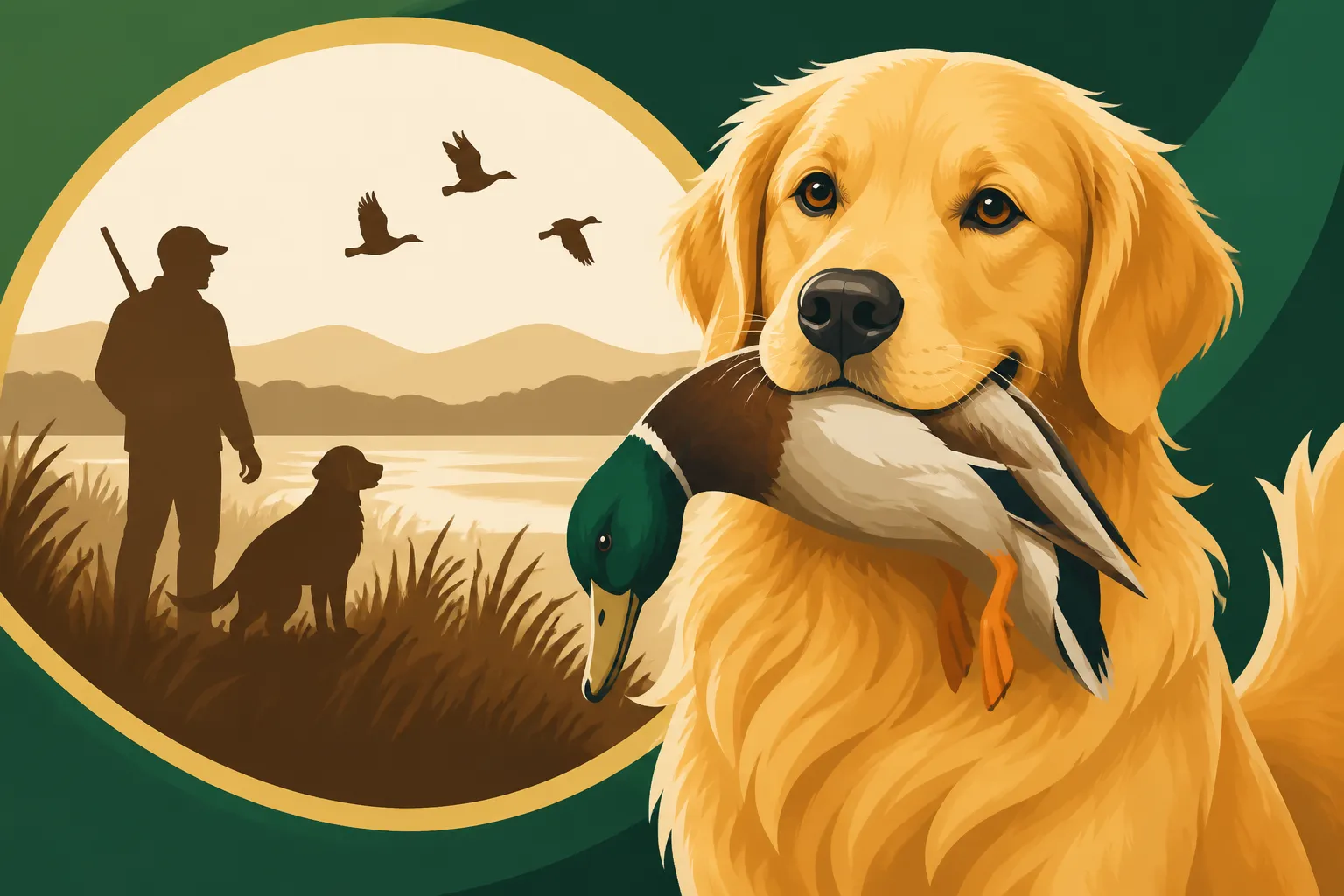
The story of the Golden Retriever isn't one of accidental breeding or a chance discovery; it's a tale of deliberate design, born from a specific need for a highly specialized hunting dog. In the mid-19th century, hunting practices in Scotland were evolving, and a new kind of retriever was desperately needed. The dense cover, varied terrain, and increasing use of firearms meant that birds were often falling in hard-to-reach places, sometimes across water, and frequently out of sight. The existing retrievers of the time, while good, often lacked the specific combination of traits that would make them truly exceptional in these conditions.
Imagine the frustration of a hunter, watching a prized game bird fall into a thicket or a cold loch, only to have their dog struggle to find it, or worse, damage it with a hard mouth. This wasn't just about efficiency; it was about preserving the quality of the game. A truly great retriever needed to work tirelessly, possess a keen nose, be intelligent enough to follow commands over long distances, and, crucially, retrieve game with a delicate "soft mouth" that wouldn't leave a single feather ruffled. This perfect blend of attributes was the vision that drove the creation of the Golden Retriever.
A Scottish Origin Story and the Need for a Specific Dog
The man credited with this vision was Dudley Coutts Marjoribanks, the first Lord Tweedmouth. From his estate, Guisachan, in the Scottish Highlands, he embarked on a breeding program that would define the Golden Retriever breed forever. His goals were clear: he needed a dog that could excel in retrieving shot game from both land and water, often in challenging conditions. This wasn't just about having a retriever; it was about having the retriever. Existing breeds had their strengths, but none had the complete package he envisioned.
The Labrador, for instance, was known for its water prowess and sturdy build, but perhaps lacked the Golden's trademark biddability and elegant retrieve. The Setters were magnificent hunters with incredible noses, but their primary role was pointing, not retrieving. Lord Tweedmouth wasn't interested in just any dog; he wanted a dog that was singularly focused on the retrieve, one that would bring back game undamaged, regardless of the environment. His passion for waterfowl hunting and the challenging terrain of his estate directly dictated the traits he sought to instill, making the retrieve the absolute cornerstone of the emerging breed. The story of Lord Tweedmouth and the First Golden Retrievers is truly fascinating and illustrates his dedication to this precise vision.
Blending Breeds for the Ideal Retrieve
To achieve his perfect retriever, Lord Tweedmouth started with a yellow wavy-coated retriever named Nous, acquired in 1868. Nous was unique, as most retrievers of that era were black. He then bred Nous with a Tweed Water Spaniel named Belle. The Tweed Water Spaniel, now extinct, was crucial to the Golden's development. These dogs were known for their strong retrieving drive, biddability, and excellent swimming abilities – all vital traits for the Scottish Highlands. The foundation of the Golden Retriever, therefore, was intrinsically linked to its retrieving capabilities from the very beginning.
This initial pairing, and subsequent careful outcrosses to Irish Setters and more Tweed Water Spaniels, was meticulously documented in Lord Tweedmouth's stud book. Each cross was chosen to enhance specific qualities: the biddability and retrieving tenacity of the Tweed Water Spaniel; the keen nose and endurance of the Setter; and the robust build and water resistance that would serve them well in the demanding Scottish climate. The Tweed Water Spaniel Behind Every Golden Retriever article delves deeper into this fascinating, now extinct, breed and its indelible mark on the Golden. This careful genetic blending wasn't about creating a pretty dog, though they certainly became that; it was about engineering the ultimate retrieving machine, a dog whose entire being was oriented toward finding and gently returning game.
The "Soft Mouth" and Its Importance
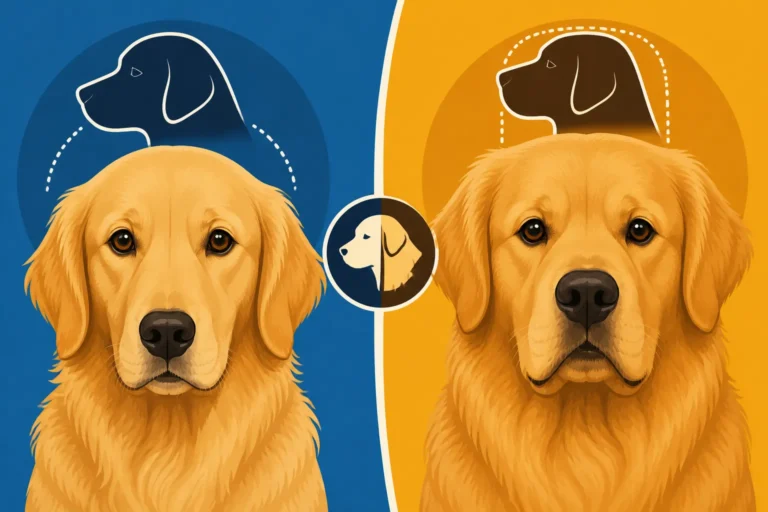
Perhaps the most legendary characteristic associated with the Golden Retriever's retrieving heritage is its "soft mouth." This isn't just a charming anecdote; it's a hallmark of the breed, a physical and behavioral trait that was purposefully cultivated and remains deeply ingrained. A soft mouth is what distinguishes a true retriever from a dog that simply picks things up. It speaks to a deep respect for the object being retrieved, whether it's a downed pheasant or your child's favorite stuffed animal.
It's about the innate understanding that the object must be delivered pristine, not mangled. This gentle handling makes them exceptionally well-suited for a variety of tasks, from hunting companions to therapy dogs. Many owners will attest that their Golden can carry an egg in its mouth without cracking it, a testament to this remarkable attribute. This gentle nature extends beyond their mouths, often reflecting their overall docile and empathetic temperament.
Understanding the Golden Retriever's Gentle Grip
What exactly does "soft mouth" mean? Fundamentally, it refers to a dog's ability to pick up and carry game, or any object, without biting down too hard or causing damage. It's a combination of physical control and an instinctive understanding of pressure. Unlike some breeds that might "mouth" or chew on items, a Golden with a true soft mouth will hold the item with just enough pressure to secure it, but no more. This trait was absolutely critical for Lord Tweedmouth's breeding goals. Imagine a hunter spending hours tracking and shooting game, only for their dog to bring it back torn or bruised – it would render the hunt almost pointless.
The soft mouth ensures that pheasants, ducks, and other game birds are returned in perfect condition, ready for the table. It's a natural propensity, often observable even in young puppies who instinctively know how to pick up fragile toys without destroying them. This characteristic is a cornerstone of their utility and one of the primary reasons they became so revered in the hunting world. It's truly fascinating to learn Why Golden Retrievers Have Soft Mouths and how it ties into their history.
Training for a Delicate Hold
While the soft mouth is an inherited trait, it's also something that breeders and owners actively nurture and reinforce through training. From a young age, responsible breeders will introduce puppies to various objects, encouraging gentle interaction. Once a puppy goes to its new home, the training continues. Owners can use soft toys, delicate fabrics, or even a raw egg (under strict supervision, of course!) to help refine this natural ability. The key is positive reinforcement, praising and rewarding the dog for gentle holds and careful deliveries.
The process often starts with simple "hold" commands, gradually increasing the duration and the value of the item being held. It’s not about forcing the dog, but rather about shaping and encouraging an existing instinct. This consistent reinforcement not only hones their soft mouth technique but also strengthens the bond between dog and owner. For a Golden Retriever, the act of retrieving and delivering is often a joyous collaboration, a shared purpose that they strive to fulfill perfectly. Their eagerness to please makes them highly trainable in this regard, turning a natural inclination into a polished skill.
Beyond the Hunt: Retrieving in Modern Golden Life
While the Golden Retriever's retrieving heritage was forged in the hunting fields of Scotland, its application extends far beyond flushing and fetching game. Today, this innate drive and gentle nature have found countless new expressions, solidifying the breed's status as one of the most versatile and beloved companions in the world. From being the star of neighborhood fetch games to performing life-changing tasks as a service animal, the retrieving instinct remains a powerful, defining characteristic.
It’s this adaptability that makes Goldens so endearing. Their desire to carry, bring, and deliver is woven into the fabric of their everyday lives, offering endless opportunities for engagement and partnership with their human families. This deep-seated instinct often manifests as a playful interaction, a gentle offering, or a dedicated service, always performed with that characteristic Golden enthusiasm and soft touch.
The Everyday Fetch Enthusiast
For many Golden Retriever owners, the most common manifestation of their dog's retrieving heritage is an unwavering enthusiasm for fetch. Whether it's a tennis ball, a frisbee, or a squeaky toy from Chewy, a Golden's eyes light up at the mere suggestion of a retrieve game. This isn't just about exercise; it's a deeply satisfying activity for them, tapping into their primal instincts. They live for the chase, the gentle pickup, and the proud delivery back to their person. For many Goldens, a game of fetch is the ultimate form of bonding, a shared experience that fulfills their core programming.
This love for fetch also serves as an excellent outlet for their energy and intelligence. It provides both physical exercise and mental stimulation, helping to keep them happy and well-adjusted. A Golden who gets regular retrieving sessions is often a much calmer and more content dog indoors. Incorporating fetch into their daily routine, even for just 15-20 minutes, can make a world of difference in their overall well-being. It's an easy way to tap into their heritage and ensure they feel fulfilled. You can find many ideas for Fetch Games That Tire a Golden Retriever that will keep your pup happy and engaged.
Service and Therapy Roles Built on Retrieving
The Golden Retriever's natural retrieving instinct, combined with their intelligence, biddability, and soft mouth, makes them uniquely suited for various service and therapy roles. Their ability to gently pick up and carry objects is invaluable for individuals with disabilities. Imagine someone in a wheelchair who drops their keys; a Golden Retriever can swiftly and delicately retrieve them without causing any further inconvenience. This capability extends to picking up dropped medications, remote controls, or even helping with laundry by bringing clothes to a hamper.
Beyond practical tasks, their retrieving nature also plays a role in their success as therapy dogs. Their gentle interactions, often involving carrying a toy to offer to a person, can be incredibly comforting and encouraging in hospitals, nursing homes, or schools. The act of receiving a soft item from a Golden can be profoundly therapeutic, a small but significant connection. This blend of helpfulness and inherent gentleness is why they are often chosen for these crucial roles, truly demonstrating that their retrieving heritage is a gift that keeps on giving to humanity. Many Goldens go on to perform incredibly Service Dog Tasks Golden Retrievers Do Well.
Training and Channeling the Retrieving Instinct
Owning a Golden Retriever means embracing and understanding their innate drive to retrieve. This isn't a behavior you need to teach from scratch; it's a powerful instinct waiting to be nurtured and refined. The good news is that Goldens are eager learners and thrive on having a "job" to do, even if that job is simply bringing back a ball or a slipper. Channeling this instinct through proper training not only makes them better companions but also provides them with essential mental and physical exercise, preventing boredom and potential behavioral issues.
Effective training focuses on encouraging their natural abilities while establishing clear boundaries and expectations. It's a partnership where you guide their enthusiasm, ensuring their retrieving activities are safe, appropriate, and enjoyable for everyone involved. Investing time in this aspect of their training will yield immense rewards, strengthening your bond and showcasing the Golden's incredible capabilities.
Early Introduction to Retrieve Games
The best time to start channeling your Golden Retriever's retrieving instinct is as a puppy. Even before they are fully vaccinated and can explore the world, you can begin fun, low-impact retrieve games indoors. Start with soft, easily graspable toys. Don't force them; instead, make it a joyful, voluntary activity. Toss a toy a short distance, encourage them to pick it up, and then call them back to you with an excited tone. When they return, praise them lavishly and offer a high-value treat. The goal is to make the retrieve and the return a highly rewarding experience.
Avoid chasing your puppy to get the toy back, as this can inadvertently teach them to play keep-away. Instead, try to trade the toy for an even better treat or another toy. This early positive association lays the groundwork for a reliable retrieve later on. As they grow, you can gradually increase the distance and introduce different types of objects and environments. Remember, the key is to keep it fun and positive, fostering their natural desire to work with you. Starting early during their Golden Retriever Puppy Socialization Windows can also help them develop confidence with different objects and environments.
Advanced Retrieving and Canine Sports
For Goldens who show a particularly strong retrieving drive, there are many advanced avenues to explore. Field trials and hunt tests are competitive events designed to test a retriever's natural abilities and trained skills in scenarios that mimic real-life hunting situations. These events require precision, endurance, a keen nose, and impeccable obedience, all centered around the retrieve. Dogs must demonstrate marking fallen birds, following scent trails, and retrieving from land and water, all with that crucial soft mouth.
Beyond traditional field work, the retrieving instinct can also be incorporated into other canine sports. Competitive obedience often includes retrieving tasks, where the dog must retrieve a dumbbell or other specified object on command. Some agility courses might even incorporate elements where a dog retrieves a dropped item. These activities provide a tremendous mental and physical challenge for Goldens, fulfilling their working drive and strengthening the partnership with their handler. Participating in Field Trials and Hunt Tests for Golden Retrievers can be a truly rewarding experience for both dog and owner. For owners who are dedicated to this aspect of their Golden's heritage, resources like Chewy often provide specialized training dummies and equipment to help hone these skills.
Common Retrieving Behaviors and How to Manage Them
While the Golden Retriever's retrieving heritage is undoubtedly a wonderful trait, it can also manifest in ways that sometimes baffle or even frustrate owners. Their deep-seated urge to pick up and carry things doesn't always discriminate between appropriate items like toys and less appropriate ones like your expensive leather shoe or the television remote. Understanding these behaviors and having strategies to manage them positively is key to a harmonious household. It's about channeling their natural inclinations, not suppressing them entirely.
It's a common misconception that all retrieving behavior is "good." Just like any strong instinct, it needs guidance. Learning to gently direct their enthusiasm and provide acceptable outlets will help both you and your Golden feel understood and content. Remember, they aren't trying to be naughty; they're simply following their instincts.
The Joy of Carrying Everything
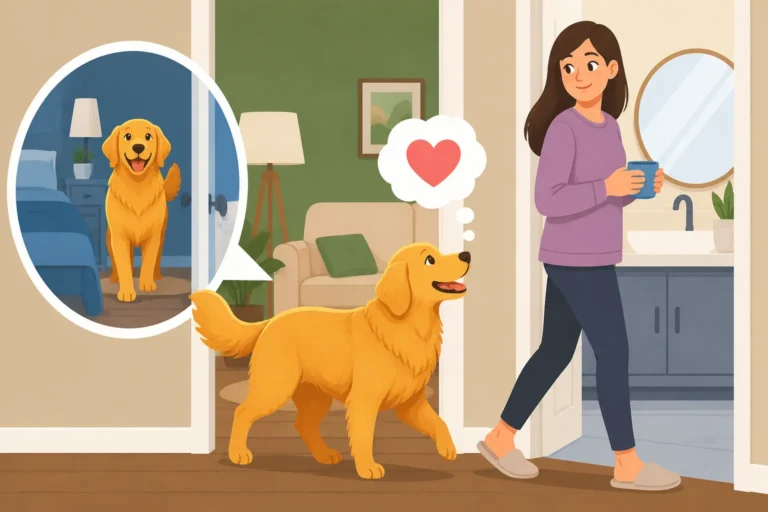
One of the most endearing, yet sometimes challenging, aspects of a Golden Retriever's personality is their almost insatiable desire to carry everything. From the mail to your house keys, a Golden might proudly present you with an assortment of household items throughout the day. While it's adorable to see them greet you with a toy, it can become less charming when they trot off with your phone or a child's precious drawing. This behavior stems directly from their retrieving heritage; they love to have something in their mouth and enjoy the interaction and attention that comes with delivering an item to you.
To manage this, the trick is redirection and providing appropriate alternatives. Always ensure your Golden has a variety of their own acceptable chew toys and soft items they are allowed to carry. When they pick up something they shouldn't, gently trade it for one of their toys and then praise them for taking the toy. Avoid scolding, as this might make them less likely to bring things to you at all. Over time, they'll learn which items are "theirs" to carry and which are off-limits. This is also a good time to ensure valuable or dangerous items are kept out of reach, especially during their Golden Retriever Chewing Through Adolescence phase.
Resource Guarding and the Retrieve
Occasionally, a Golden Retriever's strong retrieving instinct can intersect with resource guarding. This is when a dog becomes possessive over an item they have, whether it's a toy, a bone, or something they've "retrieved" and decided is theirs. While Golden Retrievers are generally not prone to severe resource guarding due to their biddable nature, it can happen, particularly if they feel threatened or insecure about losing their prized possession. Signs might include a stiff body, growling, or snapping if you approach them while they have an item.
Preventing resource guarding, especially around retrieved items, involves teaching your Golden that humans approaching their things means good things happen, not that their item will be taken away. Practice "trading" by offering a high-value treat in exchange for the item they have, then immediately giving the original item back. This teaches them that letting go of an item leads to a reward and that you are not a threat to their possessions. Always ensure children are taught to respect a dog's space when they have an item. If you notice concerning signs, seek guidance from a professional dog trainer specializing in positive reinforcement. Understanding Golden Retriever Resource Guarding is crucial for ensuring a safe and happy home.
The Golden Retriever's Enduring Legacy
The journey from a specific hunting need in 19th-century Scotland to the beloved family companion of today is a remarkable testament to the foresight of Lord Tweedmouth and the inherent qualities of the Golden Retriever. Every wag of a tail, every enthusiastic game of fetch, and every soft delivery of a treasured item echoes this rich history. Their retrieving heritage isn't just a historical footnote; it's a living, breathing part of who they are, shaping their temperament, their needs, and their unique bond with humans.
It's a heritage that brings immense joy and utility, a core characteristic that makes them exceptional in so many roles beyond the hunting field. From the calm demeanor required to wait patiently for a fallen bird, to the gentle touch needed to carry it without harm, these traits have translated beautifully into their lives as modern pets, service animals, and therapy dogs.
A Purpose-Bred Companion
The Golden Retriever was purpose-bred, and that purpose – to retrieve – is etched into their very DNA. This isn't just about their physical ability to pick up and carry; it's about the mental and emotional framework that supports it. Their biddability, their eagerness to please, their intelligence, their unwavering focus, and their gentle disposition all evolved to make them the perfect retrieving partner. These same qualities are what make them such outstanding family dogs today. They crave interaction, thrive on having a "job" (even a simple one like bringing in the newspaper), and possess an inherent desire to be useful to their human companions.
This means that a truly happy Golden Retriever is often one whose retrieving instincts are acknowledged and gently guided. They aren't content to merely exist; they want to do. Providing outlets for their natural drives, whether through structured training, games, or even just letting them carry your grocery bags from the car, fulfills a deep-seated need within them. It makes them feel valued and part of the "pack's" work, fostering that incredible connection they are famous for. The Golden Retriever Temperament and Personality are directly influenced by these foundational breeding goals.
Celebrating the Instinct
As Golden Retriever owners, we have the wonderful opportunity to celebrate and nurture this incredible instinct. It's a hallmark of the breed, a gift from their ancestors that enriches our lives daily. Rather than trying to curb their desire to carry, fetch, or bring things to you, we can lean into it. Provide them with a designated "retrieving basket" full of their own soft toys. Play fetch regularly, not just for exercise, but as a form of communication and bonding. Enroll them in classes that tap into their natural abilities, like scent work, obedience, or even mock hunt tests.
This celebration of their heritage isn't just for their benefit; it's for ours too. There's immense joy in watching a Golden Retriever work with such focus and enthusiasm, whether it's bringing you your slippers or proudly presenting a slobbery tennis ball. It’s a beautiful reminder of their origins and the centuries of careful breeding that went into creating these truly remarkable dogs. By understanding and embracing the Golden Retriever's retrieving heritage, we honor their past and enrich their present, ensuring they continue to thrive as the magnificent companions they were always meant to be.
| Characteristic | Impact of Retrieving Heritage | Modern Day Manifestation |
|---|---|---|
| Soft Mouth | Bred to retrieve game undamaged, requiring a gentle grip. | Gentle with toys, people, and can carry delicate items. Ideal for service work. |
| Biddability | Eagerness to please and obey commands, crucial for reliable retrieves over distance. | Highly trainable, responsive to cues, makes them great family pets. |
| Intelligence | Ability to learn complex retrieve patterns, problem-solve for lost game. | Quick learners, excel in obedience, easily adapt to new tasks. |
| Endurance/Drive | Capacity for sustained activity in varied terrain, persistent in finding game. | Loves long walks, games of fetch, needs regular exercise to stay content. |
| Water Affinity | Essential for retrieving waterfowl from lakes and rivers. | Often love swimming, splashing in puddles, a natural affinity for water play. |
| Focused Work Ethic | Single-minded dedication to the task of bringing back the game. | Thrives on having a "job," enjoys puzzle toys, can get bored without engagement. |
Disclaimer
This article is for general informational purposes only and does not constitute professional advice. Laws, prices and regulations vary by location and change over time. Consult a qualified professional for guidance on your specific situation.