What Is Left of the Guisachan Estate Today
For many Golden Retriever enthusiasts, the name "Guisachan" isn't just a place; it's practically hallowed ground. It's the birthplace of our beloved breed, a place steeped in history and the very essence of what makes a Golden, well, a Golden. But if you've ever wondered what actually remains of this storied estate in the Scottish Highlands today, beyond the romantic notions of its past, you're not alone. This guide will take you through the historical significance of Guisachan and meticulously detail what can still be seen and experienced at this legendary site.
The Genesis of a Breed: Guisachan's Historical Footprint
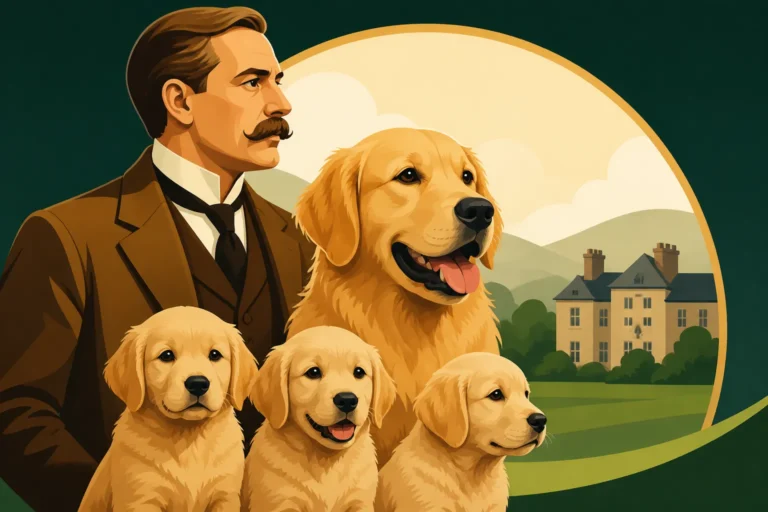
To truly understand what's left of Guisachan, we first have to appreciate what it once was and the monumental role it played in shaping the Golden Retriever as we know it. Imagine the mid-19th century, a time when sporting dogs were prized for their ability to retrieve game from both land and water, often over rugged terrain. It was into this world that Dudley Coutts Marjoribanks, later known as Lord Tweedmouth, set about creating the ultimate gundog—a retriever that combined keen intelligence, an incredible "soft mouth" (meaning they could carry game without damaging it), and an unwavering desire to please. This quest unfolded right here, at Guisachan.
Lord Tweedmouth's vision wasn't just a casual fancy; it was a dedicated breeding program that began in 1868. He famously acquired a yellow wavy-coated retriever named Nous from a shoemaker in Brighton. This wasn't just any dog; Nous was the sole yellow puppy in a litter of black Wavy-Coated Retrievers, a rarity that caught Tweedmouth's discerning eye. Nous, with his striking color and excellent retrieving instincts, became the cornerstone of the breed. Tweedmouth then bred Nous to a Tweed Water Spaniel named Belle, a now-extinct breed known for its intelligence, eagerness, and excellent swimming abilities. The magic happened here, on the Guisachan estate, where these foundation dogs produced a litter of four yellow puppies.
These early pairings and subsequent careful line breeding at Guisachan laid the genetic groundwork for every Golden Retriever alive today. The estate itself was a sprawling property in Glen Affric, near Inverness-shire, offering the perfect challenging landscape of lochs, rivers, and dense cover for developing and testing these incredible dogs. It wasn't just about breeding; it was about training, observing, and refining the qualities that would define the breed for generations to come: their distinctive golden coat, their biddable nature, and their unmatched retrieving prowess. If you've ever watched your Golden gently carry a toy or patiently wait for a command, you're seeing the direct lineage of the dogs perfected at Guisachan. This rich history is why we often refer back to Lord Tweedmouth and the First Golden Retrievers and The Guisachan Estate Where Golden Retrievers Began to understand our breed's roots.
The Physical Remnants of Guisachan Today
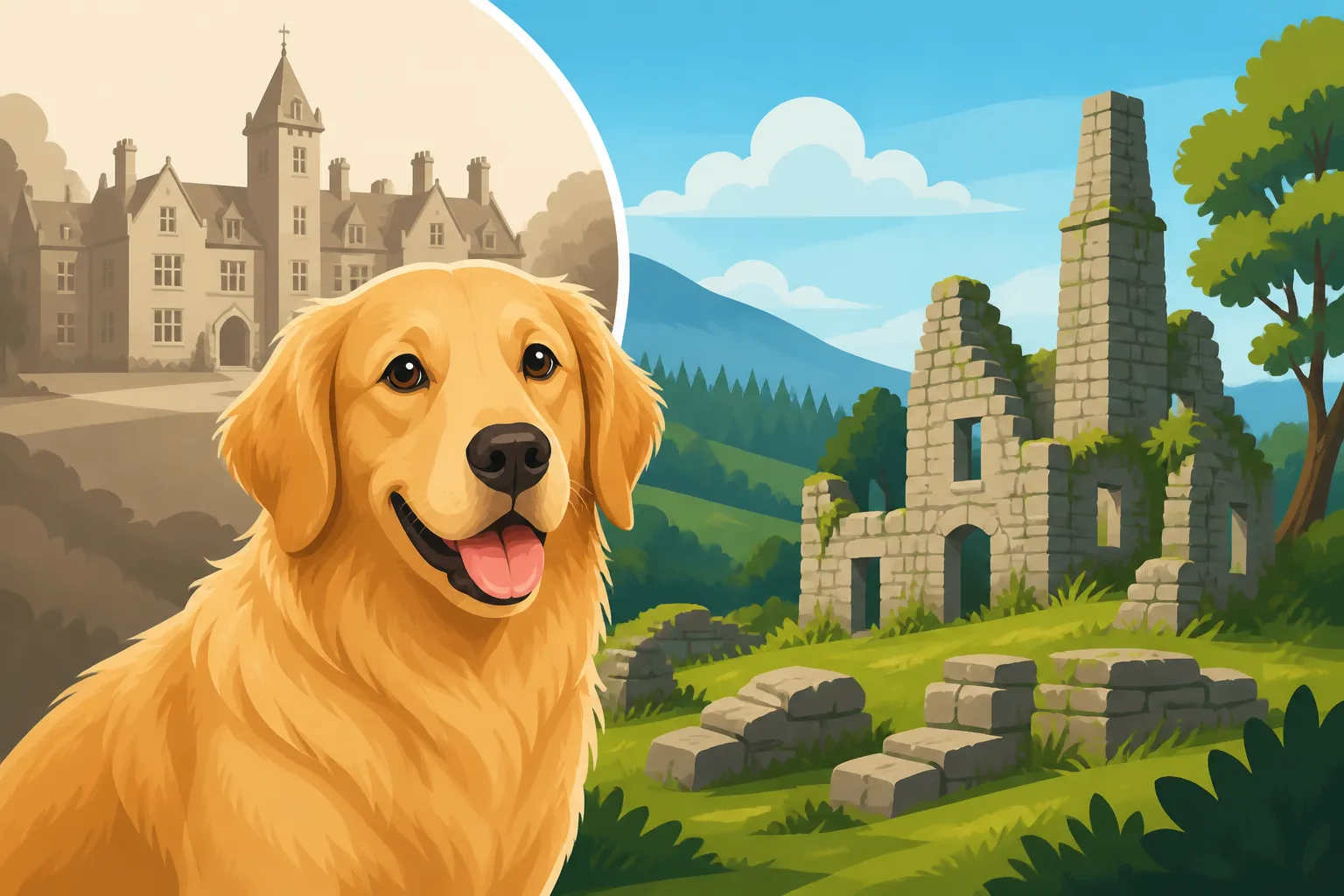
Fast forward over a century and a half, and the grand estate of Guisachan is no longer a bustling hub of aristocratic life and canine development. Time, neglect, and the harsh Scottish weather have taken their toll. What remains today is a poignant collection of ruins that whisper stories of its glorious past rather than shout them. It's a place that requires imagination, a reverence for history, and an understanding that you're not visiting a preserved museum, but a testament to enduring legacy.
The centerpiece, or rather, the ghost of it, is the Guisachan House itself. Once a magnificent mansion, it now stands as a roofless shell. The walls, largely intact, rise against the dramatic Highland backdrop, giving a sense of its former scale. You can walk through what were once grand rooms, now open to the sky, feeling the wind sweep through where parlors and ballrooms once stood. It’s a powerful experience, seeing the skeletal remains of where Lord Tweedmouth lived and loved, and where the first Golden Retriever puppies took their initial steps. The stone craftsmanship is still evident, even in decay, hinting at the architectural beauty it once possessed.
Beyond the main house, you can explore the remnants of the stables and kennel buildings. For Golden Retriever enthusiasts, these are perhaps the most emotionally resonant ruins. This is where Nous, Belle, Crocus, Cowslip, and Primrose lived, where their puppies were born, and where their foundational training would have taken place. Though these structures are also roofless and overgrown, the outline of individual stalls and pens is often discernible, allowing one to imagine the bustling activity of a working kennel. It’s here, standing amidst these stones, that you can truly connect with the physical space where Nous and Belle: The Golden Retriever's Foundation Pair lived and created history.
The gardens and grounds surrounding the mansion are also still present, albeit in a wilder, more natural state. What were once meticulously manicured lawns and ornamental flower beds have largely returned to the rugged beauty of the Scottish Highlands. However, some mature trees planted during the estate's heyday still stand tall, providing a sense of scale and a living link to the past. Walking these grounds, you can almost envision Tweedmouth and his gamekeepers working with their dogs, honing their skills in this very landscape. It's a different kind of beauty now, one of serene decay, where nature has reclaimed much of what man built.
Guisachan: A Pilgrimage for Golden Retriever Lovers
Visiting Guisachan today isn't like a trip to a pristine historical landmark; it's more akin to a pilgrimage for those who hold the Golden Retriever breed close to their hearts. It requires a bit of effort to reach, as it's nestled deep within the scenic but remote Glen Affric. This very remoteness, however, contributes to its special atmosphere—a sense of peaceful isolation where you can truly reflect on the breed's origins without modern distractions.
The estate is generally accessible to the public, though it's important to treat the ruins with respect. There are no visitor centers, gift shops, or guided tours. What you'll find is raw history. You might find informational plaques installed by the Golden Retriever Club of Scotland or other breed organizations that detail the history and significance of the site. These often provide valuable context, sharing insights into When Lord Tweedmouth Started Breeding Golden Retrievers and the careful process that led to the breed's development.
For visitors planning a trip, preparation is key. The weather in the Scottish Highlands can be unpredictable, even in summer, so waterproof gear, sturdy footwear, and layers are essential. Bringing water and snacks, perhaps some tasty treats for your Golden from Chewy, is a wise move, as there are no facilities nearby. Many Golden Retriever owners choose to bring their own dogs to Guisachan, allowing their furry companions to walk the very ground their ancestors trod. It's an incredibly moving experience to watch your Golden explore the grounds, sniff the same air, and perhaps even retrieve a stick from the surrounding wilds.
| Feature | Guisachan in Lord Tweedmouth's Era (Late 1800s) | Guisachan Today (21st Century) |
|---|---|---|
| Main House | Grand, fully functional mansion, family residence | Roofless, partially collapsed stone shell |
| Kennels & Stables | Active, bustling, breeding and training ground for Goldens | Ruined structures, overgrown, outlines of original pens visible |
| Gardens & Grounds | Manicured gardens, working estate, hunting grounds | Wild, overgrown, nature reclaiming formal areas, ancient trees remain |
| Accessibility | Private estate, accessible to invited guests | Open to public, remote, unmaintained historic ruins |
| Visitor Facilities | Full staff, amenities for residents and guests | None (no restrooms, shops, visitor center) |
| Feeling/Atmosphere | Vibrant, productive, aristocratic country life | Serene, poignant, reflective, connection to breed history |
Preserving the Legacy: Efforts and Future Outlook
While Guisachan House itself remains largely a ruin, there have been, and continue to be, efforts to preserve its legacy and protect the site for future generations of Golden Retriever lovers. Breed clubs, both local and international, recognize the immense historical importance of Guisachan. They often organize gatherings and pilgrimages to the site, fostering a sense of community and shared heritage. These events help to keep the story of Guisachan alive and ensure that its significance is not forgotten.
One such effort has been the installation of interpretive signage, as mentioned, to guide visitors through the ruins and explain their historical context. These signs transform a pile of stones into a living narrative, detailing moments like The Year the Golden Retriever Foundation Litter Was Born and highlighting the specific contributions of Lord Tweedmouth. There are also discussions and occasional fundraising efforts for stabilization work on the ruins, aimed at preventing further decay and making them safer for visitors, rather than attempting a full restoration. The goal is often to maintain the ruins as a historical monument rather than rebuild what was lost.
The continued interest from Golden Retriever owners worldwide is a powerful force in this preservation. Social media groups, blogs, and forums constantly share photos and stories from visits to Guisachan, inspiring new generations to learn about their dog's ancestry. This ongoing engagement ensures that the estate, even in its ruined state, remains a vital part of the Golden Retriever narrative. Whether you're planning a trip to Scotland or simply exploring the breed's history from your armchair with a bag of Chewy treats for your pup, understanding what remains of Guisachan helps cement your connection to the incredible journey of these dogs. The spirit of those first Goldens, bred for companionship and purpose in the Scottish Highlands, truly lives on in every wagging tail today.
For those eager to dive even deeper into the intricacies of their Golden's lineage, exploring resources about The Golden Retriever Breed Explained can provide a wonderful complement to understanding the physical origins at Guisachan. You'll find that the careful planning and dedication that began in that remote Scottish glen are still reflected in the temperament and abilities of your Golden Retriever today.
Disclaimer
This article is for general informational purposes only and does not constitute professional advice. Laws, prices and regulations vary by location and change over time. Consult a qualified professional for guidance on your specific situation.