What Happened to the Guisachan Golden Retrievers
When we talk about the Golden Retriever, it's easy to picture the beloved family dog curled up on the rug or splashing in a lake. But have you ever stopped to wonder where these magnificent dogs truly began? Many enthusiasts are curious about the very first Golden Retrievers, those original dogs bred at the Guisachan Estate in the Scottish Highlands, and what became of them and their direct lineage. This guide aims to pull back the curtain on that fascinating history, revealing the journey of these foundational Goldens from their humble beginnings to their lasting impact on the breed we cherish today.
The Genesis at Guisachan: Lord Tweedmouth's Vision
The story of the Golden Retriever is inextricably linked to one man and one specific location: Dudley Coutts Marjoribanks, later known as Lord Tweedmouth, and his remote estate, Guisachan, nestled in the stunning Scottish Highlands. It was here, amidst rugged landscapes and abundant game, that Lord Tweedmouth set out to create the ideal gundog – a retriever with a keen nose, a gentle mouth, and an unparalleled devotion, perfectly suited to the challenging terrain and wet conditions of his hunting grounds. This wasn't some random experiment; it was a deliberate, thoughtful breeding program aimed at specific traits, and it laid the absolute bedrock for every Golden Retriever that has ever existed since. Without Guisachan, there would be no Goldens.
Laying the Foundation: Nous and Belle
The tale of the first Golden Retrievers officially begins in 1868, though Lord Tweedmouth's vision started years before. He began with a yellow Wavy-Coated Retriever named Nous, purchased from a Brighton shoemaker. Nous, unique for his yellow coat in an era dominated by black retrievers, was then bred with a Tweed Water Spaniel named Belle. The Tweed Water Spaniel, now sadly extinct, was known for its retrieving ability, hardiness, and affectionate nature – traits that Lord Tweedmouth was keen to incorporate. This pairing was not arbitrary; it was a carefully considered choice to combine Nous's retrieving prowess with Belle's water affinity and gentle disposition. Their first litter, born in 1868, produced four yellow puppies, marking the official birth of the Golden Retriever breed. It’s a remarkable piece of history to think that every single Golden Retriever around the world today traces its ancestry back to these two dogs. These early years at Guisachan were all about selective breeding, refining the desired characteristics, and ensuring consistency in temperament and working ability. Lord Tweedmouth kept meticulous records, something invaluable for confirming the breed's origins. The Tweed Water Spaniel Behind Every Golden Retriever is a fascinating read if you want to dive deeper into that specific ancestor.
The Early Litters and Their Descendants
Following the success of Nous and Belle's first litter, Lord Tweedmouth continued his carefully documented breeding program over the next two decades. He kept some of the puppies from that initial litter, such as Crocus, Cowslip, and Primrose, and bred them back to their parents or other carefully selected dogs. He introduced a bit of Irish Setter and Bloodhound lines at various points, not to change the breed fundamentally, but to enhance specific characteristics like scenting ability, stamina, and perhaps even to refine the coat texture or color. These additions were strategically made and then bred out, with the dominant characteristics of the emerging Golden Retriever always being reinforced. The offspring of these early Guisachan litters were then distributed to family members, friends, and fellow sportsmen who appreciated their exceptional qualities. These early dogs were primarily valued as working retrievers, prized for their intelligence, eagerness to please, and unwavering loyalty in the field. They weren't just pets; they were essential partners for hunters. This selective distribution meant that the "Guisachan Golden Retrievers" started to spread their influence, though still largely within a relatively small, interconnected circle of owners who understood their unique value.
Dispersal and Development: Spreading the Golden Line
As the years passed, the direct offspring and subsequent generations of Lord Tweedmouth's Guisachan Goldens began to leave the secluded Highlands estate. This dispersal was crucial for the breed's survival and development beyond its place of origin. It wasn't a sudden, mass exodus, but a gradual process as puppies from successful litters found homes with other discerning breeders and affluent families who recognized the burgeoning breed's potential. This expansion was vital because it meant the genetic diversity, albeit initially narrow, could be preserved and developed across a wider pool, preventing the breed from becoming too inbred or limited to a single geographical area. These early owners were often aristocrats or wealthy individuals with large estates and a passion for gundogs, ensuring that the Goldens continued to be bred for their working capabilities and noble temperament.
From Estate to Aristocracy: The Early Owners
The initial scattering of Guisachan Goldens often went to other prominent estates and families across Scotland and England. These families, much like Lord Tweedmouth, appreciated the Golden's calm demeanor, remarkable retrieving ability, and striking appearance. For instance, some of the earliest notable Golden Retrievers were owned by figures such as the Earl of Ilchester, who was a cousin to Lord Tweedmouth and an avid gundog man. These connections ensured that the Guisachan bloodline was kept pure and its development supervised by people who shared similar breeding philosophies. It was a network of gentlemen-breeders, all working with the same foundational stock and aiming for similar traits. They weren't just buying a puppy; they were inheriting a piece of Lord Tweedmouth's legacy and continuing his work. This aristocratic endorsement helped solidify the Golden Retriever's reputation as a top-tier working dog, distinct from other retrievers of the era. The dogs would often participate in field trials, further showcasing their skills and gaining recognition. If you're wondering Who Coined the Name Golden Retriever, it really became more widespread as these dogs gained popularity.
The Role of Kennels and Breeding Programs
As the Golden Retriever gained recognition, formal kennels began to emerge, taking on the mantle of breeding and developing the line. Two of the most influential early kennels were those of Viscount Harcourt (Culham Kennels) and Mrs. W. Charlesworth (Normanby Kennels). These breeders acquired dogs directly from Lord Tweedmouth's lines or from families who had received them. They meticulously continued the selective breeding, emphasizing the temperament, intelligence, and beautiful golden coat that we associate with the breed today. They were instrumental in formalizing the breed, often exhibiting their dogs in conformation shows, which brought them to public attention beyond the hunting field.
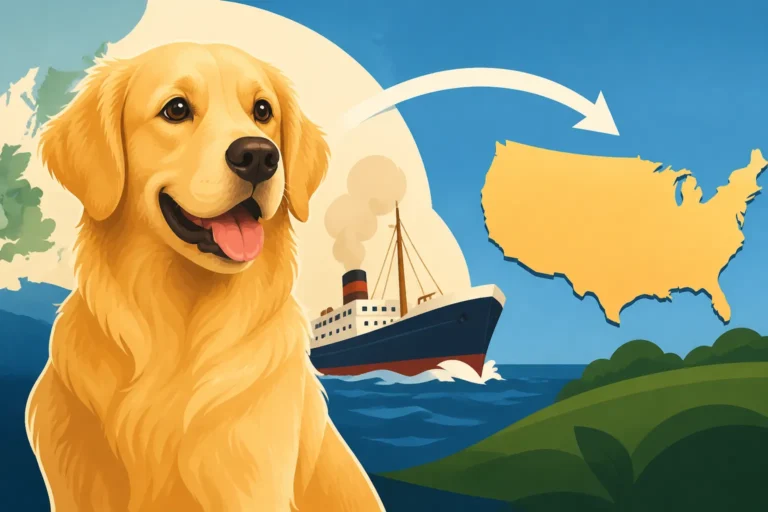
These kennels were crucial in standardizing the breed's appearance and traits. They became hubs where the genetic threads from Guisachan were woven into new patterns, ensuring the breed's continued vitality and refinement. It was also through these established kennels that the Golden Retriever began its journey across the Atlantic, eventually making its way to North America. The breed truly started to take shape, moving from a niche gundog to a more widely recognized and admired companion, all thanks to the dedicated work of these early breeders who respected and built upon the Guisachan foundation. Understanding these early programs is key to understanding The Golden Retriever Breed Explained in its entirety.
The End of an Era: Guisachan's Decline and Legacy
While the Golden Retriever breed flourished and spread far beyond the Highlands, the Guisachan Estate itself faced a different fate. Like many grand estates of its time, Guisachan eventually saw changes in ownership and purpose, leading to its eventual decline as a private residence and active breeding ground for Golden Retrievers. The golden era of Lord Tweedmouth's tenure was finite, and with it, the direct breeding program at the estate came to an end. However, the legacy of Guisachan, both as a historical landmark and as the birthplace of an iconic breed, has endured.
The Estate's Changing Hands
After Lord Tweedmouth's passing in 1894, the Guisachan Estate remained within the Marjoribanks family for a time, passing to his son, Edward Marjoribanks, the 2nd Baron Tweedmouth. However, the direct, dedicated Golden Retriever breeding program that defined its early years gradually ceased. Over the subsequent decades, the estate changed hands several times. It was sold out of the Marjoribanks family in the early 20th century, passing through various owners who used it for different purposes. The sheer scale and expense of maintaining such a vast Scottish estate often led to financial difficulties for owners, and by the mid-20th century, many of its grand structures began to fall into disrepair. The main house, once a bustling center of activity and dog breeding, was eventually abandoned and left to decay. It’s a sad thought, but unfortunately, a common fate for many historical properties. The physical structure of the original home where the first Goldens were born now stands as a ruin, a poignant reminder of a bygone era.
Remembering Guisachan Today
Today, the Guisachan Estate is a shadow of its former glory. The grand mansion where Lord Tweedmouth meticulously planned his breedings and raised his beloved dogs is largely a ruin. However, it hasn't been forgotten. In fact, it has become a pilgrimage site for Golden Retriever enthusiasts from all over the world. The Golden Retriever Club of Scotland, along with other breed clubs and passionate individuals, has worked to preserve what remains of the estate and to honor its significance. There are initiatives to protect the ruins and ensure that future generations understand the origins of their cherished companions. Plaques and memorials stand testament to the estate's historical importance. Every few years, Golden Retriever gatherings are held at the site, bringing together dogs and owners to celebrate the breed's heritage right where it all began. It’s a powerful experience to walk the grounds where Nous and Belle once roamed. What Is Left of the Guisachan Estate Today details the current state and efforts to preserve it.
The Guisachan Legacy in Modern Goldens
While the physical estate may be in ruins and the original dogs long gone, the spirit and genetic legacy of Guisachan live on in every Golden Retriever wagging its tail today. The foundation laid by Lord Tweedmouth was so strong, so deliberate, that its influence is still profoundly felt in the characteristics we cherish in our Goldens. It’s not just a romantic idea; it's a scientific reality embedded in their DNA. The meticulous records kept at Guisachan provide an unbroken line of ancestry, giving us a clear picture of how the breed evolved and proving that every single Golden traces back to those original dogs.
Genetic Threads Through Time
The genetic makeup of the modern Golden Retriever is a direct continuation of the carefully selected traits cultivated at Guisachan. The combination of the Wavy-Coated Retriever (Nous) and the Tweed Water Spaniel (Belle) established the core genetic pool. While some outcrossing with other breeds occurred in the very early days to refine specific qualities, these were ultimately diluted as the breed became established. The consistent breeding for intelligence, retrieving instinct, biddability, and that characteristic friendly disposition ensured that these traits were deeply ingrained. When you look at your Golden Retriever, whether they're a show line champion or a beloved pet, they carry the same fundamental genetic blueprint that started at Guisachan. This deep genetic heritage is why Goldens worldwide share such recognizable traits, from their soft mouths to their boundless enthusiasm. Exploring Golden Retriever Genetic Tests Worth Running can even help you understand specific health markers that have been passed down through the generations.
Maintaining the Original Traits
Dedicated Golden Retriever breeders around the world continue to work hard to maintain the original traits that made the Guisachan Goldens so special. The breed standard, established by kennel clubs like the AKC and the Kennel Club (UK), directly reflects the characteristics that Lord Tweedmouth sought to create. These standards emphasize the breed's balanced temperament, its intelligent and kindly expression, its distinctive golden coat, and its strong, agile body built for retrieving. Responsible breeders today carefully study pedigrees, conduct health clearances, and select breeding pairs not just for appearance, but for temperament and working ability, ensuring that the essence of the Guisachan Golden Retriever continues.
This commitment means that the Golden Retriever remains a versatile and beloved companion, capable of excelling as a working dog, a therapy dog, a service animal, or simply a cherished family member. The enduring nature of these original traits speaks volumes about the foresight and dedication of Lord Tweedmouth. The legacy isn't just a historical footnote; it's a living, breathing testament to the vision that began over 150 years ago in the Scottish Highlands, and it continues to enrich the lives of Golden Retriever owners every single day.
| Aspect | Guisachan Era (Late 1800s) | Modern Golden Retriever (Today) |
|---|---|---|
| Primary Purpose | Working gundog, retrieving game | Companion, service, therapy, show, sport, family pet |
| Breeding Focus | Temperament, retrieving instinct, stamina, specific physical traits | Temperament, health, adherence to breed standard, versatility |
| Breeding Location | Primarily Guisachan Estate | Worldwide, across numerous dedicated kennels and breeders |
| Genetic Foundation | Nous (Wavy-Coated Retriever) x Belle (Tweed Water Spaniel) | Direct descendants of Guisachan lines, with preserved genetic integrity |
| Public Recognition | Limited to aristocratic sporting circles | One of the most popular and recognized dog breeds globally |
| Estate Status | Active, thriving estate with dedicated breeding program | Historical ruin, pilgrimage site for breed enthusiasts |
Disclaimer
This article is for general informational purposes only and does not constitute professional advice. Laws, prices and regulations vary by location and change over time. Consult a qualified professional for guidance on your specific situation.