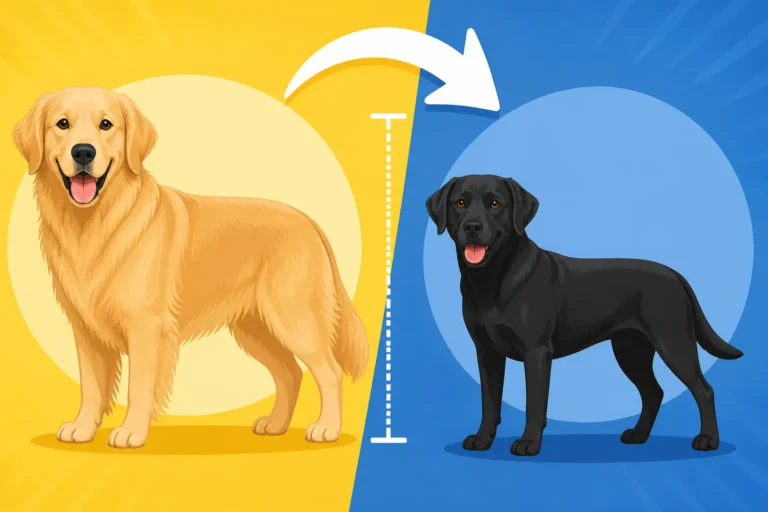
Golden Retrievers in Apartments Versus Houses
One of the biggest concerns I hear from folks considering a Golden Retriever is whether their home is "big enough." It’s a completely valid worry! We all picture these majestic, energetic dogs romping in a sprawling yard, and if your reality is a cozy apartment, you might feel a pang of guilt or assume it’s simply not possible. But here’s the wonderful truth: while space can be a factor, it’s far less critical than many people think. This guide will help you understand that a Golden Retriever can absolutely thrive in an apartment, just as they can in a house with a yard, as long as their fundamental needs are met through consistent care and dedicated effort.
The Golden Retriever's Core Needs, Regardless of Home Size
Before we even talk about square footage, let's nail down what truly makes a Golden Retriever happy and well-adjusted. These aren't independent, aloof dogs content to amuse themselves for hours. They are intelligent, people-oriented, and active companions. Understanding these core needs is the first step, whether you live in a city loft or a country estate.
Exercise: It's About Quality and Consistency, Not Just a Yard
Many people mistakenly believe that a large yard automatically provides enough exercise for a Golden Retriever. While it's certainly convenient for quick potty breaks and a bit of zoomie time, a yard is rarely a substitute for structured, engaging physical activity. Think about it: how often does your dog truly run and play intensely for a sustained period in the yard without you? For most dogs, it becomes a place to sniff, wander, and maybe occasionally chase a squirrel.
Golden Retrievers need significant daily exercise to stay physically healthy and mentally balanced. This means active engagement, like brisk walks, jogging, hiking, playing fetch, or swimming. A 30-minute walk around the block twice a day, plus a longer weekend adventure, is often more beneficial than an hour spent unsupervised in a yard. Consistency is key; these dogs thrive on routine. They need to get out and explore the world, burn off energy, and engage their senses. If they don't get enough physical outlets, that pent-up energy can easily turn into undesirable behaviors, no matter how big your home is. For a full breakdown, check out Exercise a Golden Retriever Needs Each Day.
Mental Stimulation: The Key to a Content Golden
Beyond physical activity, Golden Retrievers are incredibly smart dogs, and their minds need just as much, if not more, exercise. A bored Golden is a destructive Golden – and this is where apartment dwellers actually have an advantage in some ways, as they often have to be more intentional about providing mental enrichment. A dog with a big yard but no mental outlets might spend its days digging up flowerbeds or barking at everything that moves, simply because it's bored out of its mind.
Mental stimulation can come in many forms: regular training sessions (even short ones throughout the day), puzzle toys that make them work for their food, interactive games like hide-and-seek, or even just exposing them to new sights, sounds, and smells on walks. Puzzle Feeders That Occupy a Golden Retriever are fantastic for this, turning mealtime into a brain game. Teaching new tricks, enrolling in obedience classes, or even dabbling in dog sports like agility or scent work can tap into their natural intelligence and drive, leaving them far more content than endless undirected outdoor time ever could.
Companionship: They Thrive on Being Part of the Family
This is perhaps the most crucial need for a Golden Retriever, and it has absolutely nothing to do with house size. Golden Retrievers were bred to work alongside people and form strong bonds. They are intensely social creatures who want to be wherever their family is. They thrive on interaction, affection, and feeling like a central part of the household.
Leaving a Golden Retriever alone for excessively long periods, whether in a sprawling mansion or a small apartment, is detrimental to their well-being. They can develop separation anxiety, destructive habits, or simply become withdrawn and depressed. A Golden who spends most of its day isolated in a large backyard is often a far unhappier dog than one who lives in a small apartment but receives constant human interaction, cuddles on the couch, and daily adventures with their family. Their gentle and devoted Golden Retriever Temperament and Personality means they truly want to be with you.
Thriving with a Golden Retriever in an Apartment
So, you live in an apartment and dream of a Golden. It's totally achievable! The key is commitment, planning, and a deep understanding of your dog's needs. Many apartment-dwelling Golden owners report incredibly happy, well-adjusted dogs because they are forced to be more diligent about providing structured exercise and mental engagement.
Daily Routine for Apartment Goldens
Establishing a consistent daily routine is paramount for an apartment-dwelling Golden. It provides structure, predictability, and ensures their needs are met.
- Morning Routine: The first thing in the morning, your Golden will need to go outside for a potty break. This should be followed by a brisk walk or jog to burn off some of that overnight energy. Depending on your schedule, this might be 20-45 minutes. After the walk, a meal in a puzzle feeder can offer mental stimulation while you get ready for your day. This routine helps start their day on the right paw, preventing destructive tendencies born from pent-up energy or boredom while you're occupied.
- Midday Activities: If you work full-time, a midday solution is almost non-negotiable for a Golden Retriever in an apartment. This could mean a trusted dog walker comes to take them out for another good walk and potty break. Another excellent option is doggy daycare, where they can play with other dogs and get supervised exercise. Many Goldens absolutely thrive in a well-run daycare environment, coming home happily exhausted. You'll want to factor in Doggy Daycare Costs for a Golden Retriever if you go this route. These midday breaks are crucial for physical relief and social interaction, preventing loneliness and accidents.
- Evening Wind-Down: Your return home should signal another opportunity for exercise and interaction. This might be a longer walk to a local park for some fetch, or a trip to a dog-friendly area where they can explore safely on a long leash. Once back home, incorporate a short training session, some interactive play, and plenty of cuddle time on the couch. This dedicated one-on-one attention reinforces your bond and helps them settle down for the evening, feeling loved and fulfilled.
Making the Most of Small Spaces
Living in an apartment means being smart about space. It doesn't mean your dog can't be comfortable; it just means being intentional.
- Crate Training as a Den: A crate isn't a jail; it's a den. When properly introduced, a crate becomes a safe, comfortable, personal space for your Golden Retriever. It's an invaluable tool for house training, managing separation anxiety, and providing a quiet retreat. Ensure the crate is appropriately sized, allowing them to stand up, turn around, and lie down comfortably. Many Goldens actually prefer their crate for napping or just some alone time. Learn more about Crate Training a Golden Retriever Puppy to make this a positive experience.
- Vertical Space Solutions: While your Golden won't be climbing shelves, smart storage can maximize your living area, making the space feel less cluttered and more organized for both human and canine residents. Wall-mounted shelving, storage ottomans, and multi-functional furniture can help keep dog toys, leashes, and grooming supplies neatly tucked away without encroaching on floor space. This makes the apartment feel larger and more harmonious.
- Designating Specific Dog Zones: Even in a small space, creating designated "zones" for your dog can be helpful. A cozy dog bed in a quiet corner serves as their primary resting spot. A feeding station in a low-traffic area helps maintain cleanliness. Having a specific spot for their toys, perhaps a basket by their bed, teaches them where to find their belongings and helps you keep the living area tidy. These small organizational hacks can make a huge difference in making apartment living with a Golden feel manageable and comfortable for everyone.
Addressing Landlord and Neighbor Concerns
Living with a large dog in close quarters means being a responsible pet owner, not just for your Golden's sake, but for your neighbors and landlord too.
- Responsible Pet Ownership: Noise and cleanliness are the two biggest concerns. Goldens can be vocal, especially if bored or anxious. Consistent training, adequate exercise, and mental stimulation can greatly reduce excessive barking. Cleanliness means diligent potty training, picking up after your dog immediately outside, and keeping your apartment clean of dog hair and odors. Regular grooming, like brushing your Grooming a Golden Retriever's Double Coat, can help manage shedding. Be proactive in being a good neighbor, and it will go a long way.
- Choosing a Calmer Temperament: When selecting a Golden Retriever puppy or adopting an adult, discuss temperament with the breeder or rescue organization. While all Goldens are energetic, some lines or individuals may have naturally lower energy levels or a more laid-back disposition, which can be a better fit for apartment living. A reputable breeder will match puppies to families based on lifestyle. An adult rescue Golden will have a known personality, which can be an advantage.
- Understanding Pet Policies: Before you even bring a Golden home, thoroughly understand your building's pet policies. What are the weight limits? Are there breed restrictions (unlikely for Goldens, but always check)? What are the pet fees, pet rent, and pet deposits? Some landlords might be hesitant about large breeds, but a well-behaved, well-exercised Golden often wins them over. Transparency and demonstrating your commitment to responsible pet ownership can help. Understand what Pet Rent for a Golden Retriever in an Apartment entails, so there are no surprises.
The Benefits and Challenges of a House with a Yard for a Golden
For many, the dream of owning a Golden Retriever comes with the vision of a big yard. While a yard offers certain advantages, it also comes with its own set of responsibilities and potential pitfalls that many prospective owners don't fully consider.
The Allure of a Fenced Yard: What It Provides (and Doesn't)
A fenced yard seems like the perfect solution for an energetic Golden, offering freedom and space. It certainly has its perks, but it's crucial to have a realistic perspective.
- Pros: A fenced yard offers undeniable convenience for quick potty breaks, especially during inclement weather or late at night. It provides a secure space for supervised play, allowing your Golden to stretch their legs, sniff around, and burn off some energy without needing a leash. This can be a huge bonus for busy families or those with mobility challenges. The sense of security a well-fenced yard offers is also invaluable, preventing accidental escapes.
- Cons: The biggest misconception is that a yard is a substitute for human interaction and structured exercise. An unsupervised Golden in a yard will often get bored quickly. Boredom can lead to destructive behaviors like excessive barking at passersby, digging up your prize-winning roses (a common issue discussed in Why a Golden Retriever Digs Up the Yard), or attempting to escape. A dog left alone in a yard for hours can also become lonely or develop undesirable habits, regardless of how much space they have. The novelty of the yard wears off quickly without engaging activities.
- Safety Considerations: A yard isn't automatically a perfectly safe environment. You need to consider potential hazards such as poisonous plants, insecure fencing that could allow for escapes, and access to pools or other water features where drowning is a risk. Goldens are notoriously friendly, and an unsupervised dog might be vulnerable to theft or harm from unintended visitors. Regular checks of your fence line and yard for hazards are essential to ensure it remains a truly safe haven.
Space for Training and Play
A yard can be an incredible asset for training and play, but it needs to be utilized actively and intentionally.
- Field Games and Fetch: A yard is fantastic for games of fetch, which Goldens adore. It allows them to indulge their retrieving instincts and burn off energy in short, intense bursts. You can practice long-distance recalls or even set up small agility courses. These activities, when done with you, turn the yard into a dynamic training and play area. It’s a great way to engage with your Golden and help them tire out happily. Explore Fetch Games That Tire a Golden Retriever for ideas.
- Outdoor Training Opportunities: Your yard can be an ideal, low-distraction environment to practice obedience commands and teach new tricks before taking them to more public places. This is especially useful for young puppies or dogs in the early stages of training. You can work on stays, recalls, or even scent work games, building a strong foundation in a secure setting. The space allows for more expansive movements and fewer external interruptions than a public park might.
- Challenges of Too Much Unsupervised Freedom: While the space is a benefit, too much unsupervised freedom can lead to problems. A Golden left to their own devices in a yard may develop "yard smarts," learning how to escape, becoming territorial barkers, or ignoring your commands when you do try to interact with them. Without human direction, a yard can quickly become a place where bad habits are formed rather than good ones reinforced. It's about quality interaction, not just open space.
The Importance of Indoor Living
Despite the allure of a yard, remember that Golden Retrievers are, at heart, indoor family dogs.
- Golden Retrievers Are Indoor Dogs: This breed thrives on companionship and being part of the family unit. They need to be inside with their people, sleeping in the house, and participating in daily household life. Goldens are not meant to be outdoor-only dogs, even with a fantastic yard. Their double coats, while protective, are not a license for them to live outside year-round, exposed to extreme weather or prolonged isolation.
- They Need to Be Where Their People Are: A Golden Retriever will often follow you from room to room, just wanting to be near you. They derive comfort and security from your presence. This close bond is fundamental to their happiness and emotional well-being. Even if you have an amazing outdoor space, the majority of your Golden's day should be spent inside, integrated into your family's activities, be it watching TV, cooking dinner, or simply relaxing.
- Ensuring Comfort and Safety Inside the Home: Your indoor space should be their primary comfort zone. This means a comfortable bed, access to fresh water, and a safe, designated area for them to relax. Whether it's a cozy corner in a living room or their crate in a quiet spot, their indoor environment is paramount for their security and sense of belonging. Even with a yard, the indoor setup is critical for a well-adjusted Golden Retriever.
Key Considerations Before Bringing a Golden Home
Ultimately, the decision of whether a Golden Retriever is right for your home isn't about the size of your dwelling, but rather your lifestyle, commitment, and resources. These magnificent dogs require a significant investment of time, energy, and finances.
Time Commitment is Paramount
Regardless of where you live, a Golden Retriever demands a substantial daily time commitment. This is the single most important factor.
- Daily Exercise Needs: You need to be prepared for at least 1-2 hours of dedicated, active exercise every single day. This isn't just letting them out in the yard; it's walking, running, playing fetch, or swimming with them. This breed has energy and needs an outlet. If you can't commit to this, an apartment will quickly become a nightmare, but even a house with a yard won't solve the underlying problem of an under-exercised dog.
- Training Consistency: Golden Retrievers are intelligent and eager to please, making them highly trainable. However, this also means they require consistent training and mental engagement throughout their lives, not just as puppies. Whether it's basic obedience, advanced tricks, or just reinforcing good manners, daily practice keeps their minds sharp and strengthens your bond. Learn about Training a Golden Retriever From Puppy to Adult to set them up for success.
- Grooming Requirements: That beautiful double coat doesn't maintain itself! Goldens shed, and they shed a lot. They need regular brushing (several times a week, daily during shedding seasons), occasional baths, and nail trims. This grooming isn't just for aesthetics; it helps keep their skin healthy, prevents mats, and reduces the amount of hair in your home. This is a time commitment you cannot ignore, regardless of your living situation.
Financial Preparedness
Bringing a Golden Retriever into your life is a significant financial undertaking, far beyond the initial purchase price.
- Beyond Initial Puppy Costs: While the cost of a well-bred Golden Retriever puppy is notable, it's just the beginning. You'll need to budget for food, toys, beds, leashes, collars, and initial vet visits. Then there are ongoing expenses. For a detailed look, consider The Real Cost of a Golden Retriever's First Year.
- Ongoing Expenses: Vet Care, Food, Insurance: Annual vet check-ups, vaccinations, parasite prevention, and unexpected medical emergencies can add up quickly. High-quality dog food is essential for their health. Many owners opt for pet insurance to help cover the costs of accidents and illnesses, which can be particularly relevant for a breed prone to certain health conditions. These costs are consistent, year after year.
- Impact of Living Situation on Costs: Your living situation can influence these costs. Apartment dwellers might spend more on dog walkers or doggy daycare. Homeowners might have fencing installation or yard maintenance costs. Be realistic about your budget and ensure you can comfortably afford to provide a Golden Retriever with the best possible care for their entire lifespan.
Matching a Golden Retriever to Your Lifestyle
Ultimately, success with a Golden Retriever comes down to whether their needs align with your ability to meet them.
- Are You an Active Person? Golden Retrievers thrive with active owners who enjoy outdoor activities. If you love to hike, run, swim, or simply enjoy long walks, a Golden will be your perfect companion. If your lifestyle is more sedentary, you might find it challenging to meet their exercise needs, leading to a frustrated dog.
- Do You Have Time for Dedicated Interaction? These are dogs that crave human companionship. If you have a demanding job that keeps you away for long hours, or a very busy social life that leaves little time for a dog, a Golden Retriever might not be the right fit unless you have robust plans for their care, such as dog walkers or family members who can step in.
- Can You Adapt Your Routine to Meet Their Needs? Bringing a Golden Retriever into your life means making adjustments. Their feeding, exercise, and training schedules will become a part of your daily routine. It means prioritizing their needs, even when you're tired or the weather isn't ideal. If you're willing to make these adjustments and integrate your Golden fully into your life, you'll be rewarded with one of the most loving and devoted companions you could ever ask for, regardless of whether you share a cozy apartment or a sprawling house.
| Feature | Apartment Living | House with a Yard |
|---|---|---|
| Exercise | Requires strict, intentional daily walks, runs, park visits. | Yard is convenient for potty, but not a substitute for walks. |
| Mental Stim. | Crucial, often leads to more intentional puzzle/training. | Still crucial; yard alone can lead to boredom/destruction. |
| Companionship | Dog is always inside, close to family. | Risk of dog being isolated in yard; needs indoor family time. |
| Potty Breaks | Requires leashing, elevator/stairs, timed outings. | Easy access, quick relief for dog. |
| Noise Levels | Must manage barking for neighbors. | Less immediate impact on neighbors, but barking can still occur. |
| Space Management | Requires efficient use of space, designated dog zones. | More physical space, but still needs organized dog areas. |
| Cost Implications | Might incur dog walker/daycare fees. | Might incur fence installation/maintenance, landscaping costs. |
| Socialization | Often more exposed to urban sounds, people, dogs. | Can be more isolated; needs deliberate exposure to outside world. |
Disclaimer
This article is for general informational purposes only and does not constitute professional advice. Laws, prices and regulations vary by location and change over time. Consult a qualified professional for guidance on your specific situation.