Crate Training a Golden Retriever Puppy
Bringing a new Golden Retriever puppy home is a whirlwind of joy, excitement, and, let's be honest, a little bit of chaos. One of the biggest hurdles many new puppy parents face is the challenge of crate training – the constant whining, the midnight potty breaks, and the heartbreaking cries can make you wonder if you're doing something wrong. But don't despair! This comprehensive guide will walk you through a compassionate, step-by-step approach to successfully crate train your Golden puppy, turning that wire box into their safe, happy den.
Why Crate Training is Essential for Your Golden Retriever Puppy
Crate training often gets a bad rap, conjuring images of dogs locked away. But for a Golden Retriever, whose natural instinct is to seek out a cozy, den-like space, a properly introduced crate becomes their personal sanctuary. It's not about punishment; it's about providing security, facilitating house training, and keeping them safe when you can't supervise every single second.
Safety and Security in a New Home
Imagine being a tiny puppy, suddenly thrust into a giant new world filled with unfamiliar sights, sounds, and smells. It can be overwhelming! A crate, when introduced correctly, offers a secure, predictable space where your Golden puppy can retreat and feel safe. It's their bedroom, their quiet zone, a place they can go to decompress without being bothered. This is especially vital in busy households or when young children might not understand a puppy's need for personal space. When you need to step out for a short errand, or even just take a shower, knowing your puppy is safe and sound in their crate, away from potential hazards like electrical cords or cleaning supplies, offers immense peace of mind. It prevents them from getting into trouble and potentially ingesting something harmful or injuring themselves when unsupervised.
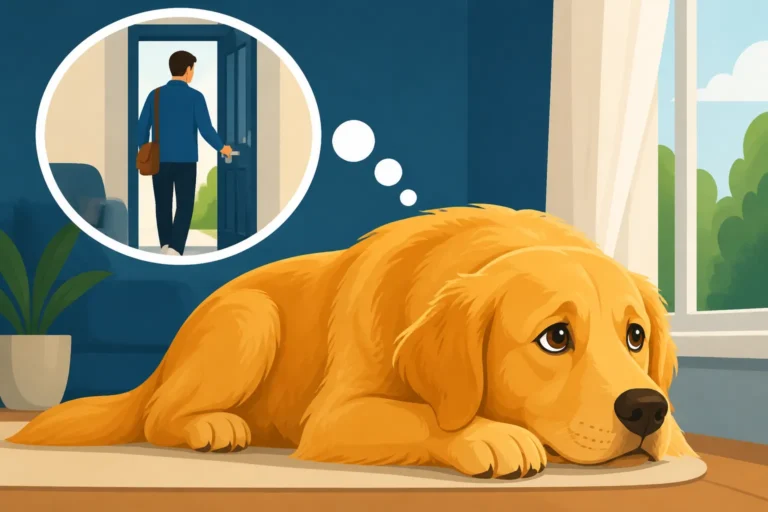
For instance, when our Golden, Sunny, was a pup, she loved to chew on anything she could find, from shoe laces to the corner of the rug. Her crate became her safe haven where she couldn't get to those forbidden items, but still had her favorite toys. This security also helps them develop independence, learning that it's okay to be alone for short periods, which can prevent more serious issues like Separation Anxiety in Golden Retrievers down the line.
House Training and Preventing Accidents
Let's be real: house training is one of the most frustrating aspects of puppy ownership. Those little puddles and piles can test the patience of even the most dedicated Golden parent. This is where the crate truly shines as an invaluable tool. Dogs, by instinct, are clean animals and generally won't want to soil their sleeping area. This natural inclination means your Golden puppy will try their best to hold it when they're in their crate.
By using the crate strategically, you teach your puppy bladder and bowel control. You'll put them in the crate for short periods, then immediately take them outside to their designated potty spot. This creates a strong association: holding it in the crate, then relieving themselves outside. It helps them understand where they're supposed to go. For more detailed guidance, be sure to check out our tips on Potty Training Schedule for a Golden Puppy. Of course, puppies can't hold it indefinitely, so understanding their age-appropriate limits and sticking to a consistent schedule is absolutely crucial for success.
Managing Destructive Chewing and Behaviors
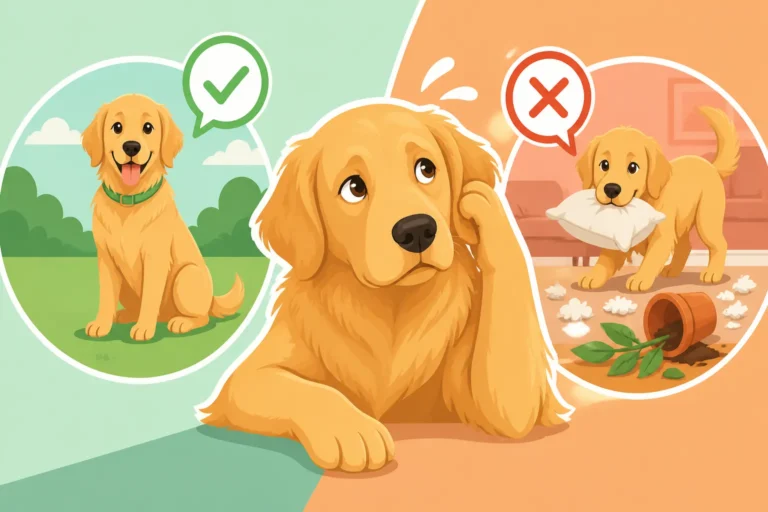
Golden Retrievers are notorious for their mouthiness, especially as puppies. They explore the world with their mouths, and everything from your favorite pair of slippers to the leg of your coffee table can become an enticing chew toy. This isn't naughtiness; it's a natural part of their development, particularly during their intense teething phase. Without proper redirection and supervision, this can lead to serious damage to your home and, more importantly, a risk to your puppy's health if they chew on something dangerous.
A crate provides a secure, chew-proof environment where your puppy can't engage in destructive behaviors when you can't actively supervise them. Stock the crate with appropriate chew toys—durable, safe options that satisfy their natural urge to gnaw. This teaches them what they are allowed to chew on, reinforcing good habits. When your Golden reaches adolescence, that "teenage regression" phase can bring a resurgence of destructive chewing, and the crate can continue to be a valuable management tool. To understand more about this developmental stage, take a look at our article on Golden Retriever Chewing Through Adolescence. It’s a temporary measure to keep them safe and your belongings intact, not a permanent solution for their energy or chewing needs.
Choosing the Right Crate for Your Golden Retriever
Before you even think about introducing your puppy to a crate, you need to make sure you have the right crate. An improperly sized or uncomfortable crate can turn what should be a haven into a place of anxiety for your Golden. There are several factors to consider, from size to material, to ensure your puppy's comfort and training success.
Size Matters: Goldens Grow Fast
This is perhaps the most critical decision when selecting a crate for your Golden Retriever puppy. Goldens are a large breed, and they grow incredibly fast! What fits them at 8 weeks will be far too small at 6 months. The ideal crate size allows your puppy to stand up, turn around comfortably, and lie down fully stretched out. It should not be so large that they can designate a "bathroom corner" far from their sleeping area, as this defeats the purpose of house training.
Many crates, especially wire ones, come with divider panels, which are a lifesaesaver for Golden owners. You can buy a large crate that will fit your adult Golden, and then use the divider to gradually expand the space as your puppy grows. This means you only have to buy one crate! A common adult size for a Golden Retriever is a 42-inch crate. Starting your small puppy in a crate this size without a divider will lead to accidents, but with a divider, you can adjust the space weekly or monthly. Remember, the goal is snug, not cramped, and definitely not sprawling. Proper sizing is key to successful Crate Size and Potty Training a Golden Retriever.
Wire Versus Plastic Crates
The market offers a variety of crate types, but for Golden Retrievers, wire and plastic (often called "airline" or "travel" crates) are the most popular choices. Each has its pros and cons.
Wire Crates:
- Pros: Excellent ventilation, collapsible for easy storage and travel, typically come with divider panels, allowing them to grow with your puppy. They offer a good view for your puppy to see what's going on around them, which can be comforting for some. Many are readily available on platforms like Amazon.
- Cons: Can feel less den-like and open, some dogs feel exposed. If your puppy is a powerful chewer, they might try to chew the bars (though this is less common with Goldens than with some other breeds). They might also be a bit noisier if the puppy moves around a lot.
Plastic Crates:
- Pros: More den-like and secure, excellent for travel (especially flying), better for dogs who prefer a cozy, enclosed space, and generally more durable if your dog is prone to chewing. They offer a greater sense of privacy.
- Cons: Poor ventilation if not placed in a well-aired space, harder to clean (though still possible), don't usually come with dividers, so you might need multiple sizes as your Golden grows. They are also bulkier and not easily collapsible.
For initial crate training, especially for a young puppy who needs frequent potty breaks and supervision, a wire crate with a divider is often the most practical choice for Golden owners due to its versatility. However, if you plan to travel extensively, particularly by air, investing in a high-quality plastic crate sized for your adult Golden is also a wise move.
Making the Crate Inviting
Once you've selected the right crate, the next step is to make it a place your Golden puppy wants to be. The crate should never feel like a jail cell; it should be their cozy, comfortable bedroom. This involves thoughtful setup and ongoing positive associations.
Start by placing a soft, comfortable bed or blanket inside. This isn't just about comfort; it helps create a sense of belonging and warmth. Ensure the bedding is washable, because, let's face it, puppy accidents happen. Add a few safe, durable chew toys or puzzle toys to keep them occupied and associate the crate with positive experiences. For some puppies, a blanket draped over part of the crate can mimic a den, providing an extra layer of security and blocking out distractions. Avoid putting water bowls in the crate for extended periods, especially with young puppies, as spills can ruin the bedding and encourage accidents. If your puppy will be in the crate for a few hours, consider a bowl that attaches to the side to prevent spills. Think of it as decorating their personal space to be as appealing as possible.
The Step-by-Step Guide to Positive Crate Introduction
Successfully crate training your Golden Retriever puppy is all about positive reinforcement and gradual exposure. You want your puppy to view their crate as a safe, comfortable, and rewarding place, not a punishment. Patience is absolutely key here, and rushing the process can set you back significantly.
First Impressions: Making the Crate a Happy Place
Your Golden puppy's first interactions with the crate are crucial. You want to build positive associations from the very beginning. Start by simply placing the crate in a common area of your home, like the living room, where your family spends a lot of time. Leave the door open and let your puppy explore it on their own terms. Don't force them inside.
Entice them with high-value treats and toys. Toss a few delicious treats, like small pieces of cooked chicken or cheese, into the back of the crate. As your puppy goes in to retrieve them, praise them softly and warmly. Don't close the door yet. Repeat this several times a day for a few days. You can also place their favorite chew toy or a special, long-lasting treat inside to encourage them to spend time in there voluntarily. The goal is to make them associate the crate with good things happening. A great resource for positive training, including crate training techniques, can be found through platforms like BAXTER & Bella, which often offer structured puppy programs. For more guidance on their earliest experiences, read our advice on Golden Retriever Puppy First Night Home.
Feeding Meals in the Crate
Once your puppy is comfortable walking in and out of the crate for treats, the next step is to start feeding their meals inside. This is a powerful way to strengthen the positive association. Begin by placing their food bowl just inside the crate door. As they eat, close the door gently for a few seconds, then open it immediately when they finish.
Gradually, increase the time the door stays closed while they eat. Eventually, you should be able to close the door for the entire duration of their meal. After they've finished, open the door and let them out, offering praise. If your puppy shows any signs of anxiety (whining, trying to escape), you might be moving too fast. Go back to the previous step and slow down. The aim is for them to be so focused on their food that they barely notice the door closing. This method turns mealtime into "crate time," reinforcing that good things happen in there.
Short, Positive Crate Stays
With meals successfully happening in the crate, you can begin introducing short, intentional crate stays. This is where your puppy starts to learn to be calm and relaxed in their den for brief periods. Lure your puppy into the crate with a treat, or by placing a special, high-value chew toy inside – something they only get when they're in the crate. This makes the crate extra special.
Once they are inside and settled, close the door. Sit quietly nearby. Start with very short periods, maybe 5-10 minutes. If they remain calm, open the door and let them out, offering calm praise. Avoid making a huge fuss when they come out; you don't want to inadvertently reward frantic behavior. The key is to release them before they start to fuss or whine. If they do start to whine, wait for a brief moment of quiet before opening the door. This teaches them that quiet behavior earns release. Slowly increase these short periods, always aiming to let them out when they are calm. This also helps them learn Building Alone-Time Tolerance in a Golden Puppy.
Extending Crate Time and Overcoming Challenges
As your Golden Retriever puppy becomes more comfortable with short crate stays, you'll need to gradually increase the duration. This is often where patience truly comes into play, as puppies will inevitably test boundaries. It's a journey, not a sprint, and there will be bumps along the way.
Gradually Increasing Duration
Once your puppy is happily spending 10-15 minutes in their crate with you nearby, it's time to slowly extend that time and start leaving the room. Put your puppy in the crate with a safe, engaging chew toy or a puzzle toy stuffed with a treat (you can find many options on Amazon, often labeled as boredom busters). Say a consistent, calm phrase like "crate time" or "kennel up," and then quietly leave the room. Don't make a big, emotional goodbye.
Start with just 30 minutes, then an hour, then two. Over several days or weeks, slowly build up to longer periods. During these longer stints, make sure your puppy has had plenty of exercise and a potty break beforehand. The goal is for them to settle down and perhaps even nap. When you return, don't rush to let them out immediately if they're excited. Wait for a moment of quiet, then calmly open the crate. Again, avoid overly dramatic greetings; keep it low-key to prevent reinforcing over-excitement upon release. Remember that even an adult Golden Retriever shouldn't be left in a crate for excessive periods. Consider our guide on How Long a Golden Retriever Stays in a Crate.
Dealing with Crying and Whining
Ah, the dreaded puppy cries! This is perhaps the hardest part of crate training for many owners, as it pulls at the heartstrings. It's crucial to distinguish between genuine need (like needing to potty) and attention-seeking whining.
- Potty Needs: If your puppy is very young (under 16 weeks) or has only been in the crate for a short time, assume the whining is for a potty break. Take them out calmly, on a leash, directly to their potty spot. No play, no fuss. If they go, praise them and then immediately return them to the crate.
- Attention-Seeking: If you know they don't need to potty, or they just went, then the whining is likely for attention. This is where consistency is paramount. Do not give in to attention-seeking whining. If you do, you've just taught your Golden that crying gets them out of the crate, and that behavior will escalate. It's tough, but you need to wait for a lull, even if it's just a few seconds of silence, before you approach the crate or let them out. This teaches them that calm behavior gets results. Sometimes, a quick tap on the crate or a firm "quiet" can interrupt the barking, but do not yell or get angry. Your tone should be firm but not frightening.
Nighttime Routines and Potty Breaks
Nighttime crate training can be particularly challenging. Your Golden puppy is used to sleeping with their littermates, and being alone in a new, dark place can be scary. The first few nights might involve some crying, which is normal.
Place the crate in your bedroom initially, or at least somewhere nearby, so your puppy can hear and smell you. This provides comfort. Establish a consistent bedtime routine: last potty break, a quiet play session, then into the crate with a comforting toy. A white noise machine or a fan can help muffle household sounds.
Expect to take your young puppy out for one or two potty breaks during the night. Set an alarm if needed. When you take them out, keep it strictly business: no talking, no playing, just outside to potty and immediately back into the crate. As your puppy matures, they will be able to hold their bladder for longer periods overnight. For specific guidance on managing those initial nights, read our article on Golden Retriever Puppy Sleep and Night Crying.
Common Crate Training Mistakes to Avoid
Crate training, while incredibly beneficial, can easily go awry if certain common pitfalls aren't avoided. It's easy to make these mistakes, especially when you're tired, frustrated, or simply unaware of the subtle impact your actions have on your sensitive Golden puppy. Being mindful of these errors will help ensure a smoother, more positive experience for both of you.
Using the Crate as Punishment
This is perhaps the biggest and most damaging mistake you can make. The crate should never be a place of punishment. If your Golden puppy misbehaves, don't drag them to the crate and shut them in as a consequence. This will immediately create a negative association, turning their den into a dreaded prison. Instead of seeing it as a safe haven, they will associate the crate with being "bad," fear, and isolation.
Instead, if your puppy misbehaves, use positive redirection or a time-out in a non-crate safe space (like a puppy-proofed bathroom or playpen). The crate should always be linked to positive experiences: meals, special treats, quiet relaxation, and safety. If your puppy sees you approaching the crate with a look of anger or hears a stern tone, they will quickly learn to resist it. Always keep the crate experience calm and rewarding, so they willingly enter it as a retreat, not a banishment.
Rushing the Process and Ignoring Discomfort
It's tempting to want your Golden puppy to be perfectly crate trained overnight, but patience is absolutely vital. Rushing the process – pushing your puppy into the crate, immediately closing the door for long periods, or ignoring clear signs of distress – will backfire. A Golden Retriever is an intelligent and sensitive breed; they pick up on your emotions and react to their environment. If they are showing signs of significant stress like excessive panting, drooling, frantic barking, or trying to chew their way out, you're moving too fast.
Slow down. Go back a step. Re-establish positive associations with treats and toys. Revisit those short, happy stays. Every puppy is an individual, and some will take to crate training more quickly than others. Forcing the issue will only create fear and resistance, making the entire process longer and more stressful in the long run. Respect your puppy's comfort level and let them dictate the pace. Remember the goal is comfort and willingness, not compliance through fear.
Not Providing Enough Exercise or Mental Stimulation
A common reason for excessive whining, barking, or destructive behavior in the crate isn't the crate itself, but rather an under-exercised or under-stimulated puppy. Golden Retrievers are active, intelligent dogs that require significant physical and mental engagement. If you put a puppy with a full bladder and pent-up energy into a crate, they're going to protest, and rightfully so! They haven't had their needs met.
Before placing your Golden puppy in the crate, ensure they've had ample opportunity to potty, stretch their legs, play, and engage their minds. A good long walk or a vigorous play session in the yard, followed by some obedience training practice (even simple commands like sit and stay are mentally tiring!), will help them be tired and relaxed enough to settle peacefully in their crate. Provide appropriate Mental Enrichment for a Bored Golden Retriever inside the crate, such as a Kong stuffed with frozen peanut butter. A well-exercised and mentally satisfied Golden is a much more cooperative crate-dweller. For a good idea of their exercise needs, consider our article on Exercise a Golden Retriever Needs Each Day.
When to Expect Crate Training Success
Successfully crate training your Golden Retriever puppy is a journey with varying timelines for every dog. There's no magic "aha!" moment that happens for all Goldens at the same age, but there are milestones to look for and strategies for determining when the crate can become an optional part of their routine.
Recognizing Milestones and Progress
True crate training success isn't just about your puppy tolerating the crate; it's about them choosing it as a place of comfort. You'll know your Golden is making great progress when you observe behaviors like:
- Voluntary Entry: Your puppy walks into their crate on their own to nap, retrieve a toy, or just hang out, even when the door is open. This is a huge sign of positive association.
- Calm Demeanor: They settle quickly in the crate without excessive whining, barking, or scratching at the door, even when you leave the room.
- Longer Holds: They can comfortably hold their bladder and bowels for appropriate durations for their age, signifying successful house training within the crate.
- No Anxiety: There are no signs of stress or panic when crated, only quiet relaxation.
Each of these steps builds upon the last, and celebrating these small victories is important. Remember, progress isn't always linear; there might be days when they regress a little, and that's completely normal. Just calmly go back to an earlier step in the training and reinforce the positive associations.
Transitioning Beyond the Crate
The goal of crate training isn't necessarily for your Golden Retriever to spend their entire life in a crate. For many owners, it's a temporary tool for puppyhood that eventually transitions to more freedom in the home. Once your Golden is reliably house trained, past the destructive chewing phase, and can be left alone for reasonable periods without anxiety, you can start experimenting with leaving them uncrated for short durations.
Begin with small steps:
- "Crate-Free" Room: Start by leaving them in a single, puppy-proofed room (like the kitchen or living room) with the crate door open, but not fully confined. Ensure all temptations are removed.
- Short Absences: Gradually increase the time they spend unsupervised in that room while you're home but in another part of the house.
- Extended Absences: Once they're trustworthy for several hours in a single room, you can slowly expand their access to other areas of the house.
It's a process of trust and careful observation. Keep an eye out for any accidents or destructive behaviors. If problems arise, it means they're not quite ready for that level of freedom, and you might need to go back to crating for certain situations. Many Golden owners find that even an adult Golden still appreciates their crate as a safe den, even if they're no longer confined to it.
Maintaining a Positive Crate Association
Even if your Golden Retriever has transitioned out of needing the crate for confinement, it's still a wonderful tool to keep in their life, especially for travel, vet visits, or when you need them safely contained for short periods. The key is to maintain its positive association.
Continue to offer treats in the crate occasionally, or use it as a designated quiet space for them to enjoy a special chew toy. If you travel, bring their crate or a familiar travel kennel to provide them with a sense of security and familiarity in new environments. When guests are over and your Golden gets over-excited, sending them to their "den" with a treat can be a calm way to manage the situation without it feeling like punishment. The crate can remain a versatile, valuable resource throughout your Golden Retriever's life, a place they willingly go for comfort and security.
| Crate Training Stage | Recommended Duration | Key Goal/Focus | What Your Puppy Does | Your Action |
|---|---|---|---|---|
| Introduction | Few minutes, several times/day | Positive Association | Explores, takes treats | Lure with treats, praise, leave door open |
| Mealtime Crating | Length of meal (10-15 min) | Positive Reinforcement | Eats food calmly | Close door gently while eating, open when done |
| Short Stays | 10-30 minutes, 2-3 times/day | Build Comfort Alone | Settles, perhaps naps | Close door, stay nearby, release before fussing |
| Extended Stays | 1-4 hours (gradual increase) | Build Independence | Naps, plays with toy | Leave room, return when quiet, use high-value toys |
| Nighttime | Age-appropriate (e.g., 4-6 hrs for young pups) | Potty Training, Sleep | Sleeps, signals potty | Place near you, strict potty breaks, no play |
Disclaimer
This article is for general informational purposes only and does not constitute professional advice. Laws, prices and regulations vary by location and change over time. Consult a qualified professional for guidance on your specific situation.