Subaortic Stenosis in Golden Retrievers
Discovering that your beloved Golden Retriever has a heart condition can be absolutely devastating, filling you with worry and countless questions about their future. Subaortic Stenosis (SAS) is one such condition that, unfortunately, strikes our wonderful Goldens more often than we'd like to admit. This guide is here to walk you through everything you need to know about SAS, from understanding what it is and recognizing the subtle signs, to exploring treatment options and how to best care for your furry family member living with this diagnosis.
Understanding Subaortic Stenosis in Golden Retrievers
When you think of a Golden Retriever, you often picture a vibrant, energetic companion, full of life and boundless enthusiasm. It's incredibly hard to reconcile that image with the thought of a hidden heart condition like Subaortic Stenosis, or SAS. This is a congenital heart defect, meaning it's present from birth, and it can significantly impact a dog's health and lifespan. Knowing the ins and outs of SAS is the first step in advocating for your Golden.
What is Subaortic Stenosis?
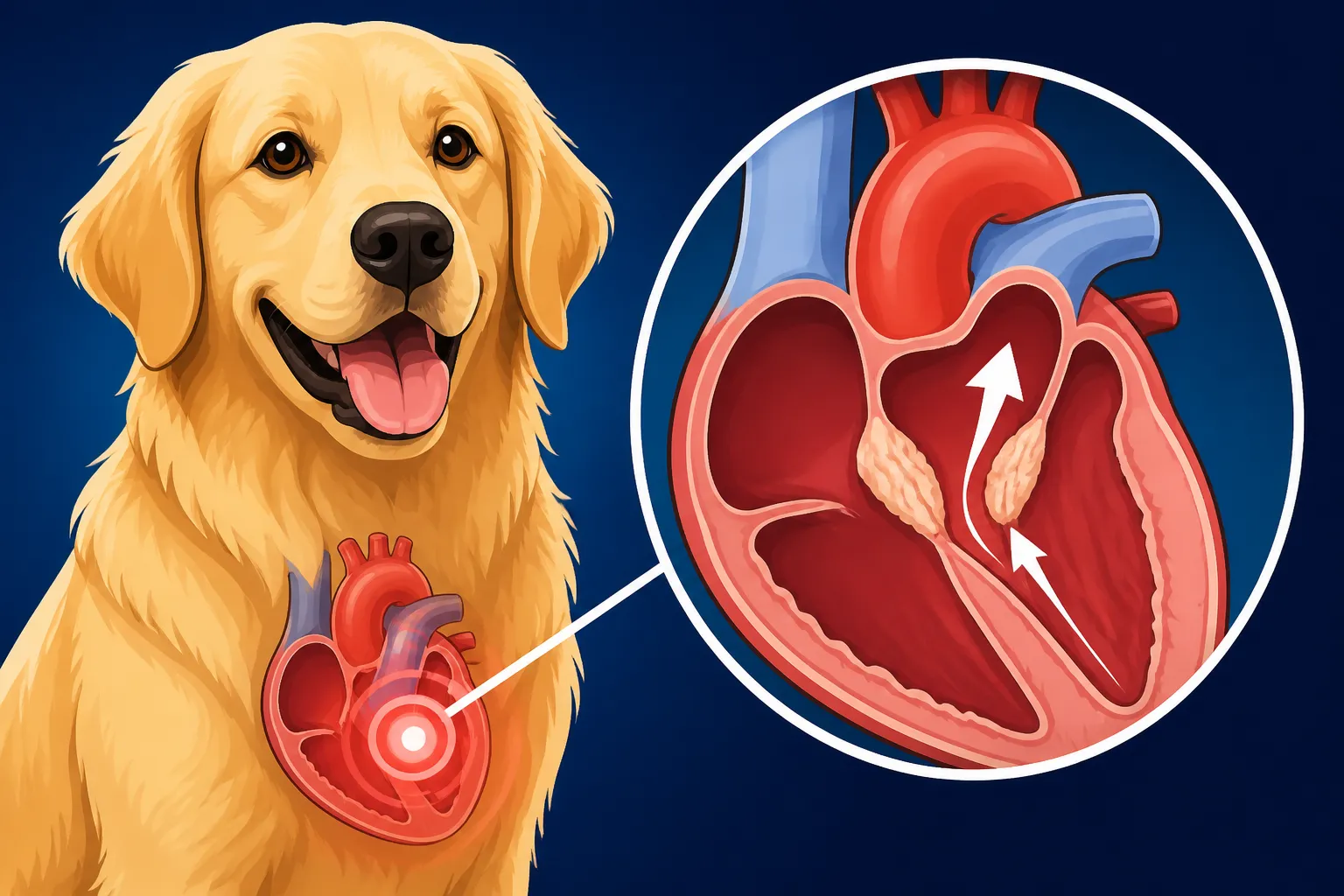
At its core, Subaortic Stenosis involves a narrowing (stenosis) of the outflow tract from the left ventricle of the heart, just beneath the aortic valve. Imagine your heart as a pump, and the aorta as the main highway for oxygen-rich blood to travel from your heart to the rest of your body. In a healthy heart, blood flows smoothly from the left ventricle, through the aortic valve, and into the aorta. With SAS, there's an obstruction – usually a fibrous ring of tissue – in that critical pathway.
This obstruction forces the left ventricle to work much harder to pump blood past the narrowed area. Over time, this increased workload causes the muscle walls of the left ventricle to thicken (a condition called concentric hypertrophy), as they try to compensate for the resistance. While the heart muscle gets stronger initially, this thickening actually makes the heart less efficient and more prone to electrical abnormalities and failure in the long run. It's like trying to push water through a pinched hose; the pump has to exert tremendous effort, and eventually, it can wear out.
Why Golden Retrievers Are Prone to SAS
It feels particularly unfair when our Golden Retrievers, known for their robust health and gentle natures, are genetically predisposed to such a serious condition. Unfortunately, SAS is indeed considered a heritable disease in Golden Retrievers, meaning it's passed down through generations. While it can occur in other large breeds like Newfoundlands and Boxers, Golden Retrievers are one of the breeds with a notably high prevalence.
This genetic link means that if a Golden Retriever has SAS, or if its parents or close relatives had it, there's an increased likelihood that their offspring will inherit the predisposition. This is why ethical breeding practices are so crucial. Reputable breeders work diligently to screen their breeding stock to try and reduce the incidence of such diseases. Despite their best efforts, the genetics can be complex, and sometimes SAS can still appear even with careful planning.
How SAS Develops in Puppies
The development of SAS typically begins before a Golden Retriever puppy is even born, but the severity of the obstruction can vary and sometimes worsen during the first few months of life. The fibrous ring of tissue that causes the narrowing is usually present at birth, but it can thicken and become more restrictive as the puppy grows. This is a critical period where the heart is rapidly developing and adapting to life outside the womb.
Because of this progressive nature, a mild murmur detected in a very young puppy might not fully represent the eventual severity of the SAS. Vets often recommend re-evaluating puppies with suspected murmurs as they get a bit older, usually around 8-12 weeks, and sometimes again closer to six months. This allows the veterinarian to get a more accurate assessment of the obstruction and its impact on blood flow, which in turn helps determine the best course of action. Early detection, even of a mild case, is vital for monitoring and future management.
Recognizing the Signs and Symptoms of SAS
One of the most frustrating aspects of Subaortic Stenosis is that the signs aren't always glaringly obvious, especially in the early stages or with milder forms of the condition. Our Goldens are famously stoic, often hiding discomfort until it becomes severe. This makes it incredibly important for us as owners to be hyper-aware of any subtle changes in their behavior or energy levels, no matter how insignificant they might seem at first.
Subtle Clues in Puppyhood
It can be heartbreaking to think of a puppy struggling, but the reality is that the subtle clues of SAS often emerge during puppyhood. These might not be dramatic episodes but rather a general lack of the typical Golden Retriever puppy exuberance. You might notice that your puppy seems a bit more tired than their littermates after a play session, or perhaps they're not quite as eager to engage in vigorous play. They might tire out faster on walks or seem to pant more heavily than expected.
Another subtle sign could be a slight delay in growth compared to their siblings, though this can be difficult to assess without comparison. Essentially, look for any deviation from what you'd consider normal puppy behavior and energy. They might not be able to keep up with the rough-and-tumble of other puppies, preferring to rest more often. While these signs can point to many things, including just being a slightly lazier pup, when combined with a detected heart murmur, they become red flags that warrant further investigation.
More Obvious Symptoms in Adult Goldens
As a Golden Retriever with SAS ages, especially if the condition is moderate to severe, the symptoms can become much more pronounced and concerning. The heart simply can't keep up with the demands of the body. You might start to see signs of Exercise Limits for a Golden Retriever With SAS becoming very clear. They might suddenly collapse or faint (syncopate) during or after exercise, or even during moments of excitement. This is a terrifying experience for any owner and an immediate indicator of a serious problem.
Other signs can include labored breathing, especially after activity, or a persistent cough. In more advanced stages, you might notice fluid retention, leading to a swollen abdomen (ascites) or swollen limbs. The most devastating symptom, and unfortunately, a common outcome for Goldens with severe SAS, is sudden cardiac death, often with little to no prior warning. This is the tragic reality that underscores the importance of early diagnosis and vigilant management.
The Vet's Role: What a Heart Murmur Means
The first significant indicator of SAS often comes during a routine veterinary examination when your vet listens to your Golden's heart with a stethoscope. They might detect a heart murmur, which is essentially an abnormal whooshing sound caused by turbulent blood flow through the heart. If your vet says they hear a murmur, it's natural to panic, but it's important to understand that not all murmurs are indicative of a severe problem, especially in puppies.
Puppies, for instance, can have "innocent" murmurs that resolve on their own as they grow. However, a persistent murmur, particularly one that is loud and located in a specific area (left base of the heart), is highly suspicious for SAS in a Golden Retriever. Your vet will grade the murmur on a scale of I to VI, with higher numbers indicating a louder murmur. This initial finding, as discussed in Golden Retriever Heart Murmurs a Vet Hears, is crucial and should always prompt further diagnostics to determine the underlying cause and severity, rather than simply dismissing it.
Diagnosing Subaortic Stenosis
Hearing your vet mention a heart murmur during a routine check-up can be unsettling. It’s a moment that shifts from a simple visit to the start of a potential journey into canine cardiology. For Golden Retrievers, given their genetic predisposition to conditions like SAS, a thorough diagnostic approach is absolutely essential to get an accurate picture of their heart health. You want to know exactly what you’re dealing with so you can make the best decisions for your furry friend.
Initial Vet Examination and Auscultation
The diagnostic process for SAS always begins with your primary veterinarian performing a comprehensive physical examination. This includes careful auscultation – listening to your Golden Retriever's heart and lungs with a stethoscope. A skilled veterinarian can often detect the characteristic "ejection" type murmur associated with SAS. This murmur is typically loudest over the left side of the chest, at the base of the heart, and can often be felt as a vibration (a "thrill") when placing a hand over that area.
Your vet will assess the intensity and quality of the murmur. A low-grade murmur (Grade I or II) might warrant observation, especially in a young puppy, but a louder murmur (Grade III or higher) or any murmur in an older dog, strongly suggests a significant underlying issue. Beyond just listening, your vet will also check vital signs, assess your dog's overall body condition, and discuss any symptoms you've observed, all of which contribute to building a preliminary picture of your Golden's health.
The Importance of an Echocardiogram
While a heart murmur indicates a problem, it doesn't definitively diagnose SAS or tell you its severity. For that, an echocardiogram is the gold standard diagnostic tool. This non-invasive ultrasound of the heart provides real-time images of the heart's structure and function. It allows a veterinary cardiologist to visualize the fibrous ring below the aortic valve, measure the degree of narrowing, and assess the blood flow velocity across the obstruction.
During an echocardiogram, the cardiologist can accurately measure the pressure gradient across the stenosis, which is a key indicator of its severity. They can see if the left ventricle wall has thickened (hypertrophy) and if the heart chambers are enlarged. This detailed information is critical for grading the SAS (mild, moderate, or severe), which in turn guides treatment decisions and helps establish a prognosis. Without an echocardiogram, a definitive diagnosis and accurate assessment of the condition's impact simply aren't possible.
Additional Diagnostic Tests
In addition to the physical exam and echocardiogram, your veterinary cardiologist might recommend other diagnostic tests to get a complete picture of your Golden's heart health and overall well-being. An electrocardiogram (ECG or EKG) records the electrical activity of the heart and can detect arrhythmias or abnormal heart rhythms that are sometimes associated with SAS. These arrhythmias can be dangerous and contribute to symptoms like fainting or sudden death.
Chest X-rays might also be performed to assess the size and shape of the heart and to look for any signs of fluid accumulation in the lungs, which could indicate congestive heart failure. Blood tests, including a complete blood count (CBC) and a biochemistry panel, can help evaluate overall organ function, especially before starting any long-term medications. While the echocardiogram is paramount for diagnosing SAS, these supplementary tests provide valuable information that can influence treatment plans and help monitor the progression of the disease.
Managing Subaortic Stenosis and Treatment Options
A diagnosis of Subaortic Stenosis can feel overwhelming, but it's important to remember that there are ways to manage the condition and improve your Golden Retriever's quality of life. The approach to treatment largely depends on the severity of the SAS, as determined by the echocardiogram, and the presence of any symptoms. It's a journey that requires close collaboration with your veterinary cardiologist and a commitment to your Golden's well-being.
Medical Management
For Goldens with mild to moderate SAS, or even severe cases where surgical intervention isn't an option, medical management is the primary course of action. The goal of medication is typically to reduce the heart's workload and improve blood flow. Beta-blockers, such as atenolol or propranolol, are commonly prescribed. These medications work by slowing the heart rate and reducing the force of the heart's contractions, which lessens the stress on the left ventricle and can help prevent dangerous arrhythmias.
In addition to medication, lifestyle adjustments are crucial. This often means carefully managing exercise to avoid overexertion and excitement, which can put too much strain on the heart. Your vet will help you understand Exercise Limits for a Golden Retriever With SAS specific to your dog's condition. While medication cannot cure SAS or reverse the physical narrowing, it can significantly extend a Golden's life and improve their comfort, helping them live more normally for longer.
Surgical Interventions
Compared to medical management, surgical interventions for SAS are much less common and often have significant limitations and risks, especially for Goldens. The most common procedure attempted is balloon valvuloplasty, where a catheter with a balloon at its tip is inserted into the narrowed area and inflated to stretch the fibrous ring. While this sounds promising, the results for SAS in dogs are often disappointing because the fibrous ring tends to be thick and can re-narrow over time. It doesn't typically provide the long-term relief seen with similar procedures for other types of heart valve issues.
Open-heart surgery to surgically remove the obstructing tissue is technically possible but is extremely complex, risky, and expensive. It's rarely performed on dogs due to the specialized equipment, expertise, and post-operative care required, making it an option only available at a very limited number of highly specialized veterinary centers. For the vast majority of Golden Retrievers with SAS, the risks of such invasive surgery far outweigh the potential benefits, and medical management remains the safer and more practical approach.
Prognosis and Quality of Life
The prognosis for a Golden Retriever with Subaortic Stenosis varies widely depending on the severity of the obstruction. Dogs with mild SAS may live a normal or near-normal lifespan with minimal or no medication, requiring only careful monitoring. However, those with moderate to severe SAS face a much graver prognosis. Sadly, many Goldens with severe SAS do not live beyond three to four years of age, and sudden cardiac death is a significant risk.
With appropriate medical management, regular veterinary check-ups (which we discuss in Why Goldens Need Vet Visits Twice a Year), and careful attention to their exercise and environment, many Goldens with moderate SAS can still enjoy a good quality of life for several years. The key is to closely follow your cardiologist's recommendations, administer medications consistently, and be vigilant for any worsening symptoms. Maintaining their comfort and happiness becomes the paramount goal, ensuring that every day is as good as it can be.
Living with a Golden Retriever with SAS
Receiving a diagnosis of Subaortic Stenosis for your Golden Retriever can understandably shake your world. It changes how you view their boundless energy and makes you more acutely aware of every breath they take. However, it's not a sentence to despair. Many Golden Retrievers with SAS, particularly those with mild to moderate forms, can still live fulfilling lives, albeit with some adjustments and dedicated care. The key is proactive management and a deep understanding of their condition.
Exercise Restrictions and Daily Routine Adjustments
One of the most significant changes you'll need to make for a Golden Retriever with SAS is adjusting their exercise routine. While Goldens are known for their high energy, strenuous activity can put undue strain on a heart already working overtime. High-intensity activities like long runs, competitive agility, or extended games of fetch where they sprint repeatedly, are generally discouraged. The goal isn't to stop all exercise, but to moderate it.
Instead, focus on gentle, consistent activities. Think leisurely walks, shorter play sessions, or controlled swimming that doesn't lead to exhaustion. Your vet or cardiologist will provide specific guidelines based on your dog's SAS severity. You'll also need to manage situations that cause high excitement, as sudden surges in adrenaline can increase heart rate and put stress on the heart. This might mean adjusting greetings with visitors or gradually introducing new environments to keep their stress levels low. Learning to recognize subtle signs of fatigue or discomfort during activity is crucial.
Diet and Weight Management for Heart Health
Maintaining an optimal body weight is paramount for any dog with a heart condition, and especially for a Golden Retriever with SAS. Every extra pound your Golden carries puts additional strain on their heart, making it work even harder. This is why paying close attention to their diet and ensuring they stay lean is so important. Your vet can help you determine the ideal weight for your Golden and recommend a suitable diet.
Generally, a high-quality commercial dog food that meets AAFCO standards for their life stage is appropriate. Some cardiologists might recommend specific diets that are lower in sodium, especially if there are signs of fluid retention, but this is usually reserved for more advanced cases of heart failure. Always discuss any dietary changes or special formulations with your vet. Beyond their regular meals, be mindful of treats and human food, ensuring they don't contribute to weight gain. Think about how Golden Retriever Weight and Joint Damage also impacts their quality of life; maintaining a healthy weight helps both their heart and their joints.
Regular Veterinary Monitoring and Follow-Up Care
Living with a Golden Retriever who has SAS means committing to a schedule of regular veterinary check-ups and follow-up care with a veterinary cardiologist. These appointments are not just routine; they are critical for monitoring the progression of the disease, adjusting medications as needed, and catching any complications early. Your cardiologist will likely recommend regular echocardiograms, perhaps every 6-12 months, to reassess the heart's function and the severity of the stenosis.
During these visits, they'll also check for arrhythmias using an ECG, assess for signs of congestive heart failure, and monitor blood pressure. This ongoing vigilance is essential for optimizing your Golden's treatment plan and ensuring their comfort. Given the chronic nature of SAS and the need for ongoing specialized care, it’s worth considering pet insurance options like Healthy Paws. Plans from companies like Healthy Paws can help cover a significant portion of the costs associated with regular cardiologist visits, diagnostic tests, and medications, easing the financial burden and allowing you to focus on providing the best care for your Golden without added stress. Planning for these recurring expenses, as detailed in articles like What a Golden Retriever Costs Every Year After, can make a big difference.
Breeding Considerations and Prevention
The news that Golden Retrievers are predisposed to Subaortic Stenosis can be disheartening, but it also highlights a critical area where we, as responsible Golden Retriever enthusiasts, can make a real difference: ethical breeding. Because SAS is a heritable condition, the choices made by breeders directly impact the health of future generations. Understanding and implementing rigorous screening protocols is not just good practice; it's a moral imperative.
The Role of Genetic Screening for Breeders
For any Golden Retriever intended for breeding, comprehensive cardiac screening is absolutely non-negotiable. This involves more than just a quick listen to the heart with a stethoscope; it requires a specialized examination by a board-certified veterinary cardiologist. These cardiac specialists perform a full physical exam, including thorough auscultation, and most importantly, an echocardiogram. The echocardiogram allows them to visually inspect the heart's structure, measure blood flow velocities, and definitively rule out or diagnose SAS.
The Orthopedic Foundation for Animals (OFA) maintains a public database of health clearances, including cardiac clearances. When a Golden Retriever undergoes an echocardiogram by a certified cardiologist, the results are submitted to the OFA, and the dog receives a clearance number indicating if they are "clear" of SAS. This transparency is vital for prospective puppy buyers to verify the health status of the parent dogs. Such Golden Retriever Genetic Tests Worth Running are essential tools for responsible breeding.
Why Responsible Breeding Matters
Responsible breeding is the cornerstone of preserving the health and integrity of the Golden Retriever breed. For a condition like SAS, it means selecting breeding pairs who are both individually cleared of the disease by a cardiologist and whose family lines also show a low incidence. A responsible breeder will never knowingly breed a dog diagnosed with SAS, regardless of its other qualities. Furthermore, they will carefully consider breeding from dogs that have produced offspring with SAS, even if the parent themselves is clear, as they could be carriers.
This meticulous approach helps to slowly reduce the genetic predisposition for SAS over time. It requires breeders to be knowledgeable, honest, and committed to transparency. They understand that breeding isn't just about producing puppies; it's about contributing to the long-term health of the breed. When you're looking for a puppy, always ask to see the OFA cardiac clearances for both parents, a key part of Health Clearances a Golden Retriever Breeder Must Show.
Avoiding Breeding Affected or Carrier Dogs
The complexity of SAS genetics means that simply clearing the parent dogs isn't always enough to completely eradicate the risk. While a dog may be cleared of SAS, they could still carry genes that, when combined with genes from another carrier, could produce affected puppies. This is why responsible breeders look beyond just the individual dog and consider the health history of their entire lineage. They might choose not to breed a clear dog if it comes from a line with a high incidence of SAS, especially if siblings or close relatives have been diagnosed.
The goal is to select breeding stock with strong, clear cardiac histories extending back multiple generations. This careful selection, though sometimes limiting breeding options, is what truly makes a difference in preventing heartbreak for future Golden Retriever owners. It’s a testament to the dedication of breeders who prioritize health over all else, understanding the devastating impact that conditions like SAS have on both the dogs and their human families.
SAS Grades and Prognosis
Understanding the severity of Subaortic Stenosis is crucial for determining the best course of action and what to expect for your Golden Retriever's future. The condition is typically graded based on the velocity of blood flow across the narrowed area, measured during an echocardiogram.
| SAS Severity Grade | Pressure Gradient (mmHg) | Common Symptoms | Typical Prognosis | Management Recommendations |
|---|---|---|---|---|
| Mild | 20-49 | Often asymptomatic; occasional subtle fatigue. | Good; near-normal lifespan with regular monitoring. | Regular vet check-ups; monitor for changes; consider mild exercise restriction. |
| Moderate | 50-79 | Exercise intolerance, fatigue, some fainting episodes possible. | Guarded; reduced lifespan (avg. 5-7 years); increased risk of complications. | Beta-blocker medication (e.g., atenolol); strict exercise restriction; regular cardiologist visits. |
| Severe | 80+ | Frequent fainting, labored breathing, sudden cardiac death common. | Poor; significantly shortened lifespan (avg. <3-4 years); high risk of sudden death. | Aggressive medical management with beta-blockers and possibly other heart meds; very strict exercise limits; constant monitoring. |
Disclaimer
The information provided in this article is for informational purposes only and does not constitute veterinary advice. Always consult with a qualified veterinarian or veterinary cardiologist for any health concerns or before making any decisions about your Golden Retriever's medical care. Individual cases of Subaortic Stenosis can vary, and a personalized treatment plan is essential.