Signs a Golden Retriever Is Aging Early
It’s a tough truth that our Golden Retrievers, with their boundless energy and puppy-like enthusiasm, don't stay young forever. Sometimes, it feels like they're aging right before our eyes, and it can be incredibly heartbreaking to notice subtle shifts that signal their golden years are arriving sooner than we expected. This guide is here to help you identify those often-missed early signs of aging in your beloved Golden, so you can proactively support them and make their transition into senior life as comfortable and joyful as possible.
Subtle Physical Changes Indicating Early Aging
One of the hardest things to watch is when our vibrant Goldens start showing physical signs of slowing down. It’s not just about grey hairs appearing, though that’s certainly a common indicator. We often attribute these changes to a long day at the dog park or just a "mood," but they can be early whispers of the aging process.
Changes in Coat and Skin Texture
You might first notice a scattering of silver hairs around their muzzle, eyes, or forehead. This is perhaps the most iconic sign of an aging dog, and while it doesn't mean they're old today, it's a visible marker of their journey into maturity. Beyond the color, pay attention to the overall quality of their beautiful double coat. Does it seem a bit duller than usual, even after grooming? Is it thinning in certain areas, particularly along the back or flanks? Their skin might also feel less supple, perhaps a bit drier, or you might start noticing more flaky patches. These changes in coat and skin can sometimes indicate underlying dietary needs or even hormonal shifts that become more common with age, like those associated with Hypothyroidism in Golden Retrievers. Keeping their skin and coat healthy through regular brushing and a good diet can sometimes slow the visible signs, but they are still valuable clues.
Shifts in Mobility and Stamina
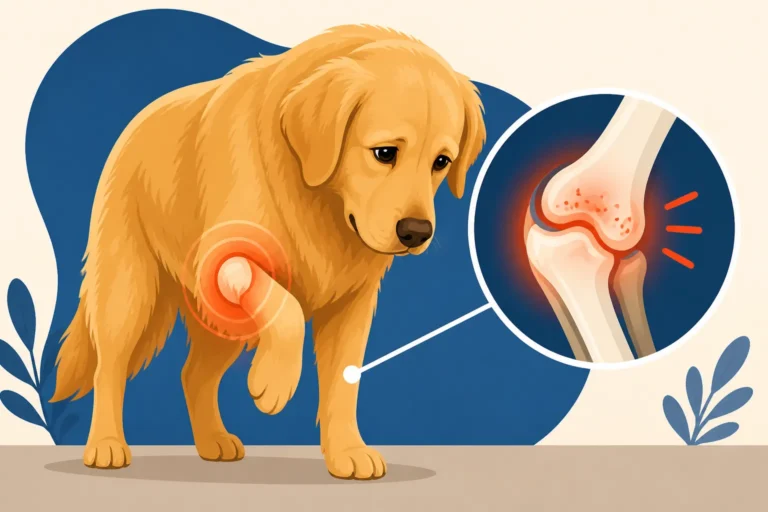
Perhaps your Golden isn't greeting you at the door with quite the same gusto, or they take a little longer to get up from a nap. Maybe they hesitate before jumping into the car or scaling the stairs that they used to fly up. These subtle hesitations and general stiffness, especially after rest, are classic early signs of joint discomfort. Golden Retrievers are unfortunately prone to conditions like hip and elbow dysplasia, and even if they've managed well throughout their younger years, the wear and tear can start to manifest as they mature. You might notice a slight limp after a vigorous walk or a general reluctance to engage in prolonged play sessions. Understanding Golden Retriever Arthritis and Joint Decline is crucial here, as early intervention with supplements, controlled exercise, and even physical therapy can make a huge difference in their comfort and quality of life as they age.
Weight Fluctuations and Muscle Loss
It’s easy to dismiss a little weight gain as just part of being a happy, well-fed dog, or a slight loss of muscle as less activity. However, significant or unexplained changes in your Golden's weight and body condition can be early indicators of aging or underlying health issues. Older dogs often have a slower metabolism, making them prone to packing on a few extra pounds if their diet isn't adjusted, and extra weight can put undue stress on their aging joints. Conversely, muscle atrophy, particularly over the hips and hind legs, can occur even if their weight stays the same. This can make them appear thinner even if they're eating normally. It's important to monitor their body condition closely. You should still be able to easily feel their ribs without pressing hard, and they should have a discernible waist. Learn more about how to assess this with Golden Retriever Weight and Joint Damage.
Behavioral Shifts That Suggest Maturation
Beyond the physical, our Goldens often communicate their aging through changes in their daily habits and personality. These shifts can be particularly perplexing because they often feel like your dog is just "acting differently," but they are actually important signals.
Decreased Energy and Engagement
The Golden Retriever is renowned for its seemingly endless energy and desire to play. So, when you notice them less enthusiastic about their favorite game of fetch, or they seem content with shorter, less intense walks, it's a significant indicator. They might spend more time napping, or simply observing family activities rather than actively participating. This isn't necessarily a sign of sadness; often, it's just their body telling them they don't have the same reserves they once did. They might still enjoy a good cuddle on the couch or a gentle belly rub, but the high-octane play sessions might dwindle. This reduction in energy can also be a quiet sign that they are experiencing some discomfort, even if they aren't outwardly showing Signs a Golden Retriever Is in Pain.
Changes in Sleep Patterns and Routines
You might find your Golden sleeping more throughout the day, which is perfectly normal as they age. However, sometimes their sleep patterns can become disrupted at night. They might wake up more frequently, pace, or seem restless. This could be due to discomfort, an increased need for potty breaks, or even a subtle shift in their cognitive function. Just like humans, some older dogs can experience something akin to sundowning, becoming disoriented or anxious as evening approaches. If your Golden suddenly starts crying or pacing at night when they previously slept soundly, it’s worth investigating with your vet.
Increased Clinginess or New Anxieties
While Goldens are naturally affectionate, some aging dogs become even more attached to their owners, seeking constant reassurance or becoming anxious when left alone, even for short periods. This could stem from a decline in vision or hearing, making them feel more vulnerable, or from early signs of cognitive dysfunction. What once might have been a calm, independent dog might start exhibiting mild separation anxiety behaviors, like shadowing you around the house or whining when you leave the room. Conversely, some Goldens may become more withdrawn or irritable, especially if they are in pain or if their senses are declining, making them more easily startled. These behavioral shifts are important to note, as they often signal a need for more comfort, routine, or even medical assessment.
Health Concerns to Watch For in an Aging Golden
As our Golden Retrievers mature, their bodies become more susceptible to certain health issues. Being vigilant about these can help catch problems early, which is often key to better outcomes and management.
Dental Health Deterioration
Many owners underestimate the importance of dental health in their dogs until a problem becomes significant. As Goldens age, tartar and plaque can build up, leading to gingivitis, painful infections, and tooth loss. Bad breath, reluctance to eat hard kibble, drooling, or pawing at their mouth are all signs that their dental health might be suffering. Untreated dental disease isn't just uncomfortable; it can also lead to more serious systemic issues as bacteria from the mouth can enter the bloodstream and affect organs. Regular dental care, including professional cleanings, becomes even more critical for older dogs. Understanding How Often Golden Retrievers Need Dental Cleaning is an important part of proactive senior care.
Urinary Incontinence
It's distressing to find puddles in the house from a dog who has been perfectly house-trained for years. Urinary incontinence can be an early sign of aging, particularly in spayed female Goldens. It often occurs while they are sleeping or relaxed, and they might not even realize it's happening. While it can be a simple age-related weakening of the bladder sphincter, it's crucial to rule out other medical causes like urinary tract infections, kidney disease, or even hormonal imbalances. A visit to your veterinarian is essential to diagnose the cause and discuss treatment options, which can often include medications that significantly improve their quality of life and your peace of mind. For unexpected vet visits, especially concerning chronic conditions, having a pet insurance plan like Healthy Paws can truly alleviate financial stress.
Appearance of New Lumps and Bumps
As Golden Retrievers age, it's unfortunately common for them to develop various lumps and bumps on or under their skin. While many of these are benign fatty tumors (lipomas), others can be more serious, including cancerous growths that are sadly prevalent in the breed. It's imperative to monitor any new lump, paying attention to its size, texture, and how quickly it changes. Feel your Golden over regularly, especially during petting sessions. If you find something new, or if an existing lump changes, always have it checked by your vet. Timely diagnosis of Lumps on a Golden Retriever That Need a Vet is critical, especially given how frequently Goldens are affected by cancer. Early detection can lead to more effective treatment options.
Chronic Condition Development
Aging often brings with it the increased likelihood of chronic health conditions. Beyond arthritis, Golden Retrievers are predisposed to a range of issues. You might start to notice more frequent drinking and urinating, which could indicate conditions like kidney disease or diabetes. A new cough, decreased exercise tolerance, or fainting spells could point to Heart Conditions Golden Retrievers Are Born With or developing cardiac issues. Changes in appetite, weight, or energy could signal thyroid problems. This is why regular vet check-ups become even more vital. Don't wait until your Golden is obviously sick; proactive screening can catch these conditions when they are most manageable.
Here's a quick reference table for some common early aging signs and what they might suggest:
| Early Aging Sign | What to Observe | Potential Implication | Action |
|---|---|---|---|
| Coat/Skin Changes | Graying, dullness, thinning, dryness | Normal aging, nutritional deficiency, thyroid issues | Vet check, diet review, supplements |
| Mobility Issues | Stiffness, slow to rise, reluctance to jump/climb | Arthritis, joint pain, muscle weakness | Vet exam, pain management, joint supplements |
| Energy Decline | Less active, shorter play, more naps | Normal aging, pain, underlying illness, cognitive decline | Vet check, adjust exercise, enrichment |
| Behavioral Shifts | Restlessness, clinginess, anxiety, disorientation | Cognitive decline, sensory loss, pain | Vet exam, environmental enrichment, behavior modification |
| Weight Fluctuations | Unexplained gain or loss, muscle atrophy | Metabolic changes, disease, nutritional needs | Vet check, diet adjustment, exercise review |
| Dental Problems | Bad breath, difficulty eating, gum inflammation | Periodontal disease, pain | Vet dental exam, professional cleaning |
| Urinary Incontinence | Leaking urine, especially while sleeping | Weak bladder, UTI, kidney issues | Vet exam, medication |
| New Lumps/Bumps | Any new growth or change in existing ones | Benign growth (lipoma), cyst, tumor (cancer) | Immediate vet check, biopsy if recommended |
Lifestyle Adjustments to Support an Aging Golden
Recognizing the signs of early aging is the first step; the next is proactively adjusting their care to ensure their comfort and happiness. It’s about meeting them where they are and supporting their evolving needs.
Adjusting Diet and Nutrition
Just as their bodies change, so do their nutritional requirements. As Goldens age, their metabolism often slows, and their activity levels might decrease. This means they often need fewer calories to maintain a healthy weight, but their need for high-quality protein and specific nutrients for joint health and cognitive function can increase. Look for senior-specific dog foods that are formulated to support these needs, often containing ingredients like glucosamine and chondroitin. Discussing their diet with your vet is crucial to ensure they're getting the right balance. You might also consider supplements. Glucosamine Doses for a Golden Retriever and omega-3 fatty acids can be highly beneficial for joint health and overall well-being.
Modifying Exercise Routines
The days of hour-long, high-impact runs might need to evolve. Instead of fewer, intense sessions, consider shorter, more frequent walks at a gentle pace. Swimming can be an excellent low-impact exercise for an aging Golden, as it supports joint health without the strain. The goal isn't to stop exercising entirely, but to modify it to prevent pain and keep their muscles strong without overexertion. Watch your dog closely during activity; if they seem stiff or tired afterward, you’ve likely pushed them too far. Consistency in gentle exercise helps maintain mobility and muscle tone.
Creating a More Accessible Home Environment
Small changes around the house can make a world of difference for a Golden who is starting to struggle with mobility. Consider ramps for cars, stairs, or even to get on and off furniture if they are still allowed. Invest in an Orthopedic Bed Prices for a Golden Retriever to support their aching joints and provide comfortable rest. Ensure they have easy access to food and water bowls, perhaps in a quiet, easily reachable spot. Non-slip rugs on slick floors can prevent slips and falls, which can be particularly dangerous for dogs with arthritis or weakened hindquarters. Making their world easier to navigate reduces stress and prevents injury.
Prioritizing Regular Veterinary Care
This is perhaps the most crucial adjustment. As your Golden ages, those annual vet visits should ideally become twice-yearly. These more frequent check-ups allow your veterinarian to catch subtle changes and potential health issues much earlier, often before they become major problems. This is especially important for Screening an Older Golden Retriever for Cancer, which is sadly common in the breed. These visits will likely include more comprehensive bloodwork, urinalysis, and discussions about any behavioral changes or new lumps you've noticed. Early detection of conditions like kidney disease, diabetes, or thyroid issues can lead to more effective management and a better quality of life for your senior Golden. Pet insurance like Healthy Paws can be an invaluable resource to help manage the increased costs associated with advanced senior care and potential chronic conditions, offering peace of mind when unexpected issues arise. These consistent check-ups are also vital because Why Goldens Need Vet Visits Twice a Year as they enter their senior years.
Transitioning into the senior years doesn't mean the end of joy or companionship. With your loving attention and proactive care, your Golden Retriever can continue to thrive, even as they embrace their distinguished golden years. Learning to recognize these early signs allows you to be their best advocate, ensuring their comfort and happiness for as long as possible. Many Goldens continue to bring immense joy well into their senior years, exceeding the Average Golden Retriever Lifespan in the United States with proper care and attention. If you're looking for more guidance, consider delving into Caring for a Senior Golden Retriever.
Disclaimer
The information provided in this guide is for educational purposes only and should not be considered a substitute for professional veterinary advice. Always consult with a qualified veterinarian for any health concerns or before making any changes to your Golden Retriever's diet, exercise, or medical care.