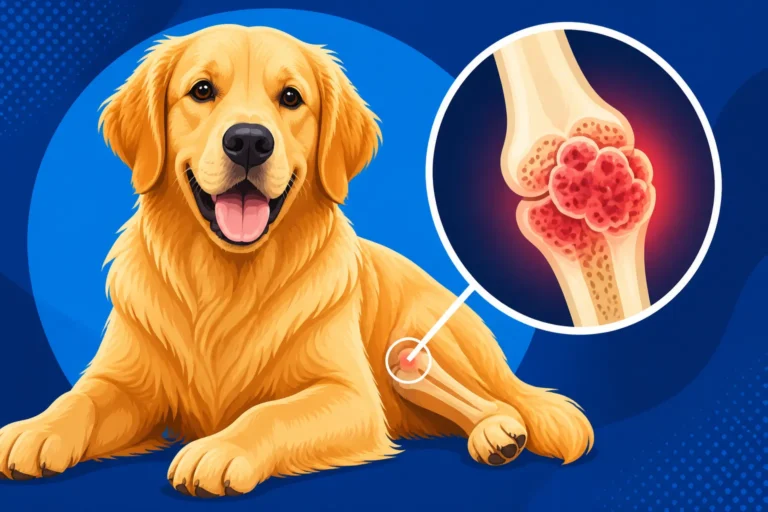
Golden Retriever Genetic Tests Worth Running
Bringing a Golden Retriever into your life is an absolute joy, but it also comes with a significant responsibility to safeguard their health for as long as possible. One of the biggest heartaches many Golden owners face is the unexpected onset of a serious health condition, often rooted in genetics, that could have potentially been identified or mitigated. This comprehensive guide is here to shed light on the crucial world of genetic testing for Golden Retrievers, explaining which tests are truly worth your time and investment, what the results mean, and how this invaluable information can help you provide the best possible care for your beloved companion.
Why Genetic Screening is More Than Just a "Good Idea" for Goldens
It’s a tough truth, but our beautiful, goofy, and loving Golden Retrievers are predisposed to certain health conditions that are passed down through their family lines. Understanding these predispositions isn't about dwelling on what could go wrong; it's about being proactive, making informed decisions, and giving your Golden the best shot at a long, healthy, and happy life. Relying solely on a dog's looks or a breeder's word just isn't enough in today's world of advanced veterinary science.
The Alarming Prevalence of Hereditary Diseases in Golden Retrievers
Golden Retrievers, sadly, are known for a higher incidence of certain genetic health problems compared to many other breeds. Cancer, for example, is a devastating reality for far too many Goldens. You might have heard heartbreaking stories, or perhaps even experienced it yourself, about a young Golden diagnosed with something aggressive like hemangiosarcoma or lymphoma. While not all cancers have direct DNA tests yet, understanding other genetic predispositions helps us paint a fuller picture of a dog's overall genetic blueprint. Beyond cancer, conditions affecting their eyes, skin, and neurological system are quite common, and these do have specific genetic markers we can test for. The heartbreaking part is that many of these conditions can lead to significant pain, loss of quality of life, and substantial vet bills if not anticipated or managed. It's a heavy burden, but one we can prepare for.
Moving Beyond Visual Inspections: The Power of DNA Insight
For years, reputable breeders have relied on physical health clearances like those from the Orthopedic Foundation for Animals (OFA) for hips and elbows, or certifications from veterinary ophthalmologists for eyes. These are absolutely vital tools and should never be skipped. In fact, when looking for a puppy, it's essential to understand the importance of Health Clearances a Golden Retriever Breeder Must Show. However, these traditional clearances are phenotypic – meaning they assess the physical expression of a disease at a certain point in time. They tell you if a dog currently has hip dysplasia or eye issues. DNA genetic tests, on the other hand, delve into the genotype – the actual genetic makeup of the dog. They can identify if a dog carries a gene for a disease, even if they aren't showing symptoms, or if they are genetically predisposed to developing it later in life. This foresight is invaluable, allowing for targeted preventative care, early intervention, or making responsible breeding decisions to avoid passing on debilitating conditions to future generations.
Key DNA Tests Every Golden Retriever Owner Should Consider
When we talk about genetic tests, we're primarily looking at DNA panels that screen for specific gene mutations known to cause disease in Golden Retrievers. These aren't the broad health clearances like OFA for hips, but rather tests done via a cheek swab or blood sample that look right into your dog's genetic code. They can uncover conditions you might never suspect until symptoms become severe.
Eye Conditions: Progressive Retinal Atrophy PRA-prcd
One of the most critical DNA tests for Golden Retrievers involves Progressive Retinal Atrophy (PRA), particularly the progressive rod-cone degeneration (PRA-prcd) form. This is a cruel, inherited eye disease that causes the cells in the retina to degenerate over time, leading to progressive vision loss and ultimately, blindness. It's not a sudden event; it typically manifests in adulthood, often between 3 to 6 years of age, giving a false sense of security in younger dogs. Imagine your vibrant, active Golden slowly losing their ability to navigate the world, bumping into furniture, and becoming disoriented in familiar surroundings. It’s devastating to witness. The good news is that there’s a specific DNA test that can identify if your Golden is clear, a carrier, or affected by PRA-prcd. This knowledge allows you to prepare, adapt your home environment, and work with your vet to manage the condition's progression, even though there's no cure. For more detailed information on this, you can look into Progressive Retinal Atrophy in Golden Retrievers. Other forms of PRA, such as PRA1 and PRA2 (sometimes called GR_PRA1 and GR_PRA2 specifically for Goldens), also have genetic tests, and it's wise to ensure your Golden is screened for all prevalent forms. Beyond PRA, Goldens can be susceptible to other ocular issues, as detailed in Golden Retriever Eye Disease and Pigmentary Uveitis.
Skin and Coat Concerns: Ichthyosis ICT-A
If you’ve ever felt like your Golden Retriever’s skin is excessively flaky, greasy, or their coat just isn’t quite right, they might be affected by Ichthyosis (ICT-A). This is another common genetic skin condition in Golden Retrievers, characterized by abnormal keratinization of the skin. Essentially, their skin cells don't mature and shed properly, leading to dry, scaly, often greasy patches, especially on their belly, armpits, and groin. While it’s primarily a cosmetic concern for many, in some cases it can be quite severe, leading to discomfort, itching, and secondary skin infections if not managed. The flakes can be persistent and messy, often mistaken for dandruff or allergies, which can be frustrating for owners trying to keep their house clean and their dog comfortable. A DNA test can definitively tell you if your Golden is clear, a carrier, or affected by Ichthyosis, allowing you to implement specific grooming routines and discuss with your vet potential topical treatments or dietary supplements to alleviate symptoms. This is a test frequently run by reputable breeders to avoid producing affected puppies.
Neurological Challenges: Degenerative Myelopathy DM
Degenerative Myelopathy (DM) is a progressive neurological disease that affects the spinal cord, particularly in older dogs. While more commonly associated with breeds like German Shepherds, Golden Retrievers can also be affected. DM is often heartbreaking because it mimics other conditions like arthritis or hip dysplasia in its early stages, leading to misdiagnosis. Affected dogs typically begin to show signs of weakness and incoordination in their hind limbs, progressing to paralysis over time. It's not painful, but it severely impacts a dog's mobility and quality of life. Watching your once-active Golden struggle to stand or walk is incredibly difficult. The good news is there's a DNA test for the SOD1 gene mutation associated with DM. Knowing your Golden’s status can help you and your vet distinguish DM from other orthopedic or neurological issues, allowing for tailored supportive care, physical therapy, and mobility aids to maintain comfort and function for as long as possible.
Other Emerging Genetic Markers
Beyond these core tests, the world of canine genetics is constantly evolving, and new markers are being identified. For Golden Retrievers, this can include tests for certain forms of muscular dystrophy, neuronal ceroid lipofuscinosis (NCL), and even sensitivities to certain medications. While less prevalent than PRA-prcd or Ichthyosis, these tests can still offer valuable insights, especially if a breeder is trying to eliminate all known genetic risks from their lines. A comprehensive panel often includes these less common but still impactful conditions. For example, some labs offer panels that screen for two additional forms of PRA (PRA1 and PRA2) which are particularly important in the Golden Retriever breed. It's always a good idea to discuss with your veterinarian or breeder which specific panel they recommend, as different labs might offer slightly varied sets of tests. Being armed with as much genetic data as possible can only benefit your Golden's long-term health outlook.
How Genetic Tests Work and What the Results Mean
Understanding the mechanics and interpretation of genetic tests can feel a bit like learning a new language, but it's not as complex as it might seem. The fundamental principles are fairly straightforward, and once you grasp them, you’ll be much better equipped to make informed decisions for your furry family member.
Understanding the Science Behind Canine DNA Panels
Genetic testing for dogs usually involves collecting a DNA sample, most commonly through a simple cheek swab or, less frequently, a blood sample taken by your vet. This sample is then sent to a specialized laboratory. Inside the lab, technicians isolate the DNA and then analyze specific genes for known mutations associated with particular diseases. Think of it like a meticulous search-and-find mission within your dog's unique genetic blueprint. Each test looks for a very specific "typo" or variation in the DNA sequence that scientists have linked to a hereditary condition.
Many of the common genetic tests for Golden Retrievers are for autosomal recessive disorders. This means a dog needs to inherit two copies of the mutated gene (one from each parent) to be affected by the disease. If they inherit only one copy, they are typically a carrier but won't show symptoms themselves. However, they can pass that single copy on to their offspring. This is why thorough testing is so vital for breeding animals: a seemingly healthy dog could be a carrier and, if bred with another carrier, could produce affected puppies. Labs like Embark or Wisdom Panel offer comprehensive breed-specific panels that include many of these relevant Golden Retriever tests.
Deciphering "Clear," "Carrier," and "Affected" Status and Modes of Inheritance
Once the lab has analyzed your dog's DNA, you’ll receive a report detailing their status for each genetic condition tested. These results typically fall into one of three categories:
- Clear (or Normal): This is the best-case scenario. It means your Golden Retriever does not have the gene mutation for the tested disease and cannot pass it on to any offspring. They are genetically clear of that specific condition.
- Carrier: This means your Golden Retriever has one copy of the gene mutation but generally will not develop the disease themselves (especially for recessive conditions). They are healthy, but if bred, they could pass that single gene copy on to about 50% of their puppies. This is crucial information for breeders, as breeding two carriers together statistically results in 25% affected puppies, 50% carrier puppies, and 25% clear puppies.
- Affected (or At-Risk): This indicates your Golden Retriever has two copies of the gene mutation (for recessive conditions) or one copy (for dominant conditions) and is therefore expected to develop the disease, or is already showing symptoms. This status requires careful monitoring and proactive veterinary care.
Understanding the "mode of inheritance" is key. For example, PRA-prcd and Ichthyosis are typically autosomal recessive. Degenerative Myelopathy is also recessive, but with incomplete penetrance, meaning not all dogs with two copies of the gene will develop clinical signs. This nuance highlights why discussing results with your vet is always the best approach.
| Genetic Status | Definition | Risk of Disease (Recessive) | Breeding Implications (Recessive) |
|---|---|---|---|
| Clear | Has no copies of the mutated gene. | Very low/none | Can be safely bred to any other dog. |
| Carrier | Has one copy of the mutated gene. | Generally none (may have mild signs) | Should only be bred to a "Clear" dog. Avoid breeding with another "Carrier." |
| Affected | Has two copies of the mutated gene (or one for dominant traits). | High likelihood of developing disease | Should not be bred. Passed 100% of affected genes to offspring. |
The Critical Role of Genetic Testing in Responsible Breeding
For breeders, genetic testing is non-negotiable. It's a cornerstone of responsible breeding practices aimed at improving the health of the breed as a whole. A reputable breeder will not only perform these genetic tests on their breeding stock but will also be completely transparent with you about the results. They'll show you the certificates and explain what they mean. Knowing the genetic status of a puppy's parents gives you immense peace of mind that your furry friend isn't inheriting a ticking time bomb. This proactive approach helps reduce the incidence of painful and costly genetic diseases, contributing to a healthier future for Golden Retrievers everywhere. If a breeder isn't doing these tests, or can't produce the results, it's a major red flag, even if their Golden Retriever Puppy Prices and What Drives Them seem appealingly low.
Implementing Genetic Testing: Practicalities and Best Practices
Deciding to pursue genetic testing for your Golden Retriever is a fantastic step towards proactive health management. But how do you actually go about it, and what should you look for in a testing service? It's easier than you might think, but definitely requires a bit of informed decision-making.
When is the Right Time to Test Your Golden Retriever?
The ideal time to conduct genetic testing can vary slightly depending on your purpose. If you're a potential puppy buyer, the parents of your prospective puppy should have been tested before breeding. This is fundamental. Always ask a breeder for proof of genetic clearances on both sire and dam. They should be able to provide documentation, usually from labs like OptiGen, Paw Print Genetics, Embark, or Wisdom Panel. This information should also be part of What a Golden Retriever Health Guarantee Covers.
If you already own a Golden Retriever, particularly if you're unsure of their lineage or want to be as informed as possible, you can test them at any age. For puppies, the tests can be done as young as a few weeks old, as their DNA doesn't change. However, many owners choose to test their Goldens as young adults, perhaps around a year or two of age, often in conjunction with other routine vet visits. This provides valuable information that can guide their care throughout their entire life, helping you plan for potential challenges as they become a Caring for a Senior Golden Retriever. Early knowledge means early preparation.
Selecting a Reliable Genetic Testing Provider
Choosing a reputable genetic testing provider is paramount. You want accurate, reliable results from a lab that specializes in canine genetics. Here are a few well-regarded options commonly used by Golden Retriever owners and breeders:
- Embark Veterinary: Widely recognized for its comprehensive health panels, breed identification, and robust database. They test for over 250 genetic health risks, including many specifically relevant to Golden Retrievers, such as PRA1, PRA2, PRA-prcd, and Ichthyosis. They also provide information on traits.
- Wisdom Panel: Another popular choice offering health screening, breed composition, and trait analysis. Their premium panel includes a significant number of genetic health tests.
- Paw Print Genetics: Focuses specifically on genetic health testing for inherited diseases and offers breed-specific panels. They are known for their scientific rigor and clear reporting.
- OptiGen: Specializes in inherited eye diseases, particularly PRA, and is highly respected in the breeding community for its accuracy in these specific tests.
When selecting a provider, consider:
- Comprehensive Panels: Does the test cover the most common and impactful genetic conditions for Golden Retrievers (PRA-prcd, ICT-A, DM, etc.)?
- Accreditation and Reputation: Look for labs with strong scientific backing and positive reviews from breeders and vets.
- Clear Reporting: The results should be easy to understand, with clear explanations of what "Clear," "Carrier," and "Affected" mean.
- Customer Support: Do they offer support if you have questions about your results?
Before ordering a kit, it's a good idea to chat with your veterinarian. They can offer guidance on which tests might be most relevant for your individual Golden and help you interpret the results once they come in. While at-home kits are convenient, the medical context from your vet is always valuable.
Using Genetic Information for Lifelong Wellness and Care
Obtaining your Golden Retriever's genetic test results is just the first step. The true value lies in how you use that information to actively shape their lifelong wellness plan. This isn't about fear; it's about empowerment and proactive love.
Proactive Health Planning for Genetically Predisposed Goldens
If your Golden Retriever's genetic tests reveal they are a carrier or, more critically, affected by a certain condition, this isn't a death sentence. Far from it. This knowledge allows you and your veterinarian to create a highly tailored and proactive health plan.
For example, if your Golden is affected by PRA-prcd, you can start monitoring their vision more closely, adjust their environment to keep them safe as their sight declines, and even explore early interventions or therapies that might slow progression or improve comfort, as discussed in detail when considering Progressive Retinal Atrophy in Golden Retrievers. You might child-proof your home, keep furniture in consistent places, and ensure their toys make noise so they can locate them.
If they are predisposed to Ichthyosis, you can implement a diligent skin and coat care routine with specific shampoos, conditioners, and dietary supplements to manage flakiness and prevent secondary infections, potentially preventing discomfort before it becomes severe. This might involve more frequent bathing with medicated shampoos or regular brushing to remove dead skin cells and promote healthy oil distribution, as you would for Golden Retriever Skin, Ear and Allergy Problems.
Even for conditions without direct DNA tests, like some forms of cancer, understanding your dog's overall genetic profile, combined with breed predisposition, should encourage you to be extra vigilant. This reinforces the importance of Why Golden Retrievers Need Vet Visits Twice a Year, especially as they age. Early detection is often the key to better outcomes, whether it's for cancer, eye disease, or another condition. Your vet can recommend specific screenings, dietary adjustments, or lifestyle modifications based on your Golden's unique genetic blueprint.
Financial Preparedness and the Value of Pet Insurance
Let’s be realistic: managing a chronic or progressive genetic condition can be expensive. Veterinary specialists, medications, mobility aids, and regular monitoring add up quickly. This is where financial preparedness becomes critically important.
Knowing your Golden Retriever's genetic predispositions allows you to plan ahead. You might start a dedicated savings fund specifically for potential health challenges, or, even better, investigate pet insurance options. This is where a brand like Healthy Paws can really make a difference. Pet insurance, especially if enrolled when your Golden is young and healthy, can provide a financial safety net against unexpected — or genetically predicted — illnesses. Many pet insurance plans, like those offered by Healthy Paws, cover a significant portion of diagnostic tests, treatments, and even emergency care for conditions that arise after enrollment and applicable waiting periods.
Think about it: a genetic test might reveal a predisposition to Degenerative Myelopathy. While there's no cure, managing the condition with physical therapy, hydrotherapy, and supportive medications can improve your Golden's quality of life immensely, but these therapies are costly. Having pet insurance can alleviate the stress of making difficult choices based on your wallet rather than your dog's needs. Understanding Pet Insurance for a Golden Retriever is crucial. The investment in genetic testing, alongside a robust pet insurance policy, offers peace of mind and ensures you can always prioritize your Golden's well-being without crippling financial strain. This is particularly relevant given the increased lifetime costs for Goldens who develop chronic conditions.
Disclaimer
The information provided in this guide is for informational purposes only and does not constitute veterinary medical advice. Always consult with a qualified veterinarian for any health concerns or before making any decisions about your pet's medical care.