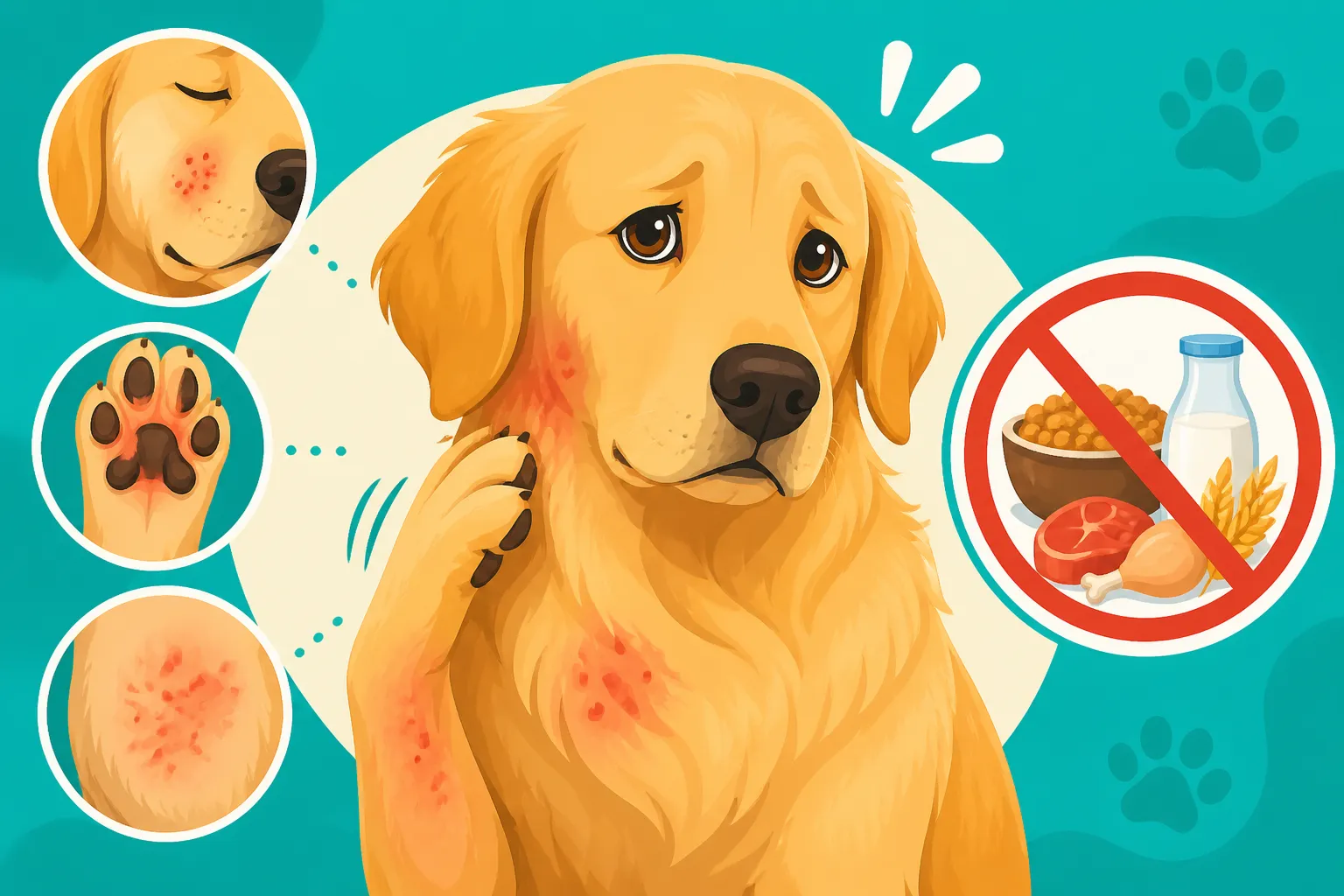
Food Allergy Signs in a Golden Retriever
It's incredibly disheartening when your beloved Golden Retriever is constantly scratching, licking their paws, or dealing with persistent ear infections, and you just can't pinpoint why. We've all been there, watching our happy-go-lucky pups suffer and feeling utterly helpless. This guide will walk you through the tell-tale signs of food allergies in Golden Retrievers, helping you understand what to look for and how to approach this often frustrating journey toward making your furry family member comfortable again.
Understanding Why Golden Retrievers Get Allergies
Golden Retrievers, as wonderful and loving as they are, can unfortunately be predisposed to a range of health issues, and allergies are high on that list. Their genetic makeup often makes them more sensitive to various environmental triggers and, yes, even certain ingredients in their food. It's not uncommon for owners to spend months, or even years, trying to figure out the root cause of their dog's persistent itching or digestive upset.
Why Goldens Are Prone to Allergies
Our Goldens have dense double coats, floppy ears, and a generally robust immune system, but sometimes that immune system can go a bit haywire, leading to allergic reactions. It's like their bodies overreact to something that should be harmless. This breed, in particular, seems to have a higher incidence of atopic dermatitis, which is a genetic predisposition to developing environmental allergies, but this sensitivity can also extend to food. You might notice these issues starting when your Golden is still a puppy, or they can develop later in life. It often feels like a constant battle, especially when you're doing everything right with their care. Understanding why they're prone to these conditions is the first step in tackling them. For a deeper dive into general skin and ear issues, you might find this article on Golden Retriever Skin, Ear and Allergy Problems particularly helpful.
Distinguishing Food Allergies from Environmental
This is often the trickiest part for Golden Retriever owners. Symptoms of food allergies can mimic those of environmental allergies, making it a real head-scratcher. Both can cause intense itching, skin irritation, and recurrent ear infections. However, there are some key differences to observe. Environmental allergies, often seasonal, might flare up during spring pollen season or when specific molds are prevalent. They might involve more sniffing and pawing at the face after being outside. Food allergies, on the other hand, tend to be year-round and can often include gastrointestinal upset, which is less common with environmental allergies. If your Golden is consistently itchy, regardless of the season, and perhaps also experiencing loose stools or vomiting, food might be the culprit. It requires careful observation and often a systematic approach to differentiate between the two.
Common Food Allergy Symptoms in Golden Retrievers
When your Golden has a food allergy, their immune system mistakenly identifies a harmless food protein as a threat, launching an inflammatory response. This reaction can manifest in several ways, often making your dog quite miserable. It’s more than just a passing itch; these are persistent, uncomfortable signs.
Skin and Coat Manifestations
One of the most common ways food allergies show up in Goldens is through their skin. You'll likely notice intense, chronic itching that doesn't seem to stop, often leading to raw, inflamed skin. This itching isn't just a minor annoyance; it can be severe enough to disrupt their sleep and yours.
- Persistent Itching and Scratching: This is the hallmark. Your Golden might scratch at their ears, body, and face relentlessly. They might rub themselves against furniture or the carpet, desperate for relief.
- Red, Inflamed Skin: When you part their beautiful golden coat, you might see redness, especially in the armpits, groin, belly, and between their paw pads. This inflammation can be quite widespread.
- Chronic Ear Infections: Those adorable floppy ears of a Golden Retriever are a perfect breeding ground for yeast and bacteria when allergies are present. You might notice your Golden shaking their head a lot, scratching at their ears, and a foul odor or discharge. These infections can be recurring and incredibly frustrating to treat, often needing antibiotic or antifungal ear drops from your vet. Find out more about Ear Infections in Floppy-Eared Goldens to better understand this common issue.
- Paw Licking and Chewing: Goldens with food allergies often obsessively lick and chew their paws. This can lead to red, swollen, sometimes infected paw pads, and even stained fur from constant moisture and saliva.
- Hot Spots: These are acutely inflamed, often oozing skin lesions that appear suddenly. They are incredibly painful and can grow rapidly. Constant licking and chewing due to allergies can trigger these secondary bacterial infections. If you've ever dealt with these, you know how quickly they can escalate and how miserable your dog becomes. For more information, check out our guide on Golden Retriever Hot Spots and What Causes Them.
- Poor Coat Quality: Beyond the itching, their coat might appear dull, greasy, or have excessive shedding that’s not related to seasonal coat blows. Patchy hair loss is also possible in areas they frequently scratch or chew.
Gastrointestinal Disturbances
While skin issues are often the most noticeable, a significant portion of food allergies in Golden Retrievers can manifest as digestive problems. These can range from mild annoyance to severe discomfort.
- Vomiting and Diarrhea: These can be chronic or intermittent. It's not just a one-off tummy ache after eating something weird; it's a recurring issue, perhaps a day or two after eating their regular food.
- Chronic Soft Stool or Mucus in Stool: Your Golden's stool might never seem quite firm, or you might regularly observe mucus, indicating inflammation in the digestive tract.
- Excessive Flatulence: More gas than usual, and often quite stinky! This is a clear sign that something isn't sitting right in their gut.
- Abdominal Pain or Discomfort: Your Golden might seem uncomfortable, reluctant to move, or groan when touched around their abdomen. They might also appear bloated.
- Changes in Appetite: Some Goldens might lose their appetite or become picky eaters, associating their food with discomfort. Others might eat normally but still experience the other GI symptoms.
Less Obvious Signs
Sometimes, the signs aren't as clear-cut as itching or vomiting, but they are still indicative of underlying irritation due to a food allergy.
- Recurrent Infections: Beyond just ear infections, Goldens with food allergies can experience recurrent skin infections (pyoderma) that require frequent antibiotic treatments. The underlying allergy weakens their skin barrier and immune response, making them more susceptible.
- Inflamed Anal Glands: If your Golden is frequently scooting their rear end on the floor, it could be a sign of full or inflamed anal glands, which are often a secondary issue to chronic digestive inflammation or allergies.
- Behavioral Changes: A constantly uncomfortable or itchy dog is not a happy dog. Your Golden might become more irritable, restless, or even withdrawn due to the chronic discomfort. They might not want to play as much or seem generally lethargic.
- Poor Growth in Puppies: In severe cases, especially in young puppies, food allergies can impact nutrient absorption, leading to stunted growth or failure to thrive. This is less common but certainly a possibility.
Identifying Allergenic Ingredients
Once you suspect a food allergy, the next, and often most challenging, step is figuring out what ingredient is causing the problem. It's rarely a quick fix and requires patience and dedication.
The Most Common Food Allergens
It's a common misconception that dogs are allergic to grains. In reality, food allergies are almost always to protein sources. While a dog can theoretically be allergic to any ingredient, some are far more common culprits than others.
- Proteins: Chicken, beef, dairy, and eggs are among the top allergens for dogs because they are widely used in pet foods, meaning dogs are exposed to them frequently throughout their lives. Lamb and soy can also be issues for some.
- Grains: While less common than protein allergies, some dogs can be allergic to wheat or corn. However, many dogs that owners suspect have "grain allergies" are actually reacting to a protein source in the food. It’s worth noting that the conversation around Grain-Free Diets and Golden Retriever DCM Risk has shifted, and veterinary cardiologists often advise against them unless medically necessary due to a confirmed grain allergy, as they have been linked to certain heart conditions.
- Other Ingredients: Less frequently, ingredients like potato, rice, or specific vegetables can be problematic, but these are far down the list compared to common protein sources.
It’s crucial to remember that a food allergy is an immune response to a specific protein, whereas a food intolerance is a digestive issue that doesn't involve the immune system (e.g., lactose intolerance). Both can cause GI upset, but allergies also typically include skin symptoms.
The Elimination Diet: The Gold Standard for Diagnosis
This is where the real detective work begins, and it's currently the most reliable way to diagnose a food allergy. It's a commitment, but it's effective.
What is an Elimination Diet?
An elimination diet involves feeding your Golden a novel protein and carbohydrate source that they have never eaten before for a strict period, typically 8-12 weeks. The idea is to eliminate all potential allergens from their diet completely, allowing their system to "reset" and symptoms to resolve.
How to Conduct an Elimination Diet:
- Consult Your Vet: This step is non-negotiable. Your veterinarian can help you choose an appropriate novel protein diet (e.g., venison and potato, duck and pea, kangaroo and oat) or a hydrolyzed protein diet (where the proteins are broken down into such small pieces that the immune system doesn't recognize them as allergens). They can also rule out other conditions like parasites, bacterial infections, or Hypothyroidism in Golden Retrievers, which can mimic allergy symptoms.
- Choose a Suitable Diet: This means a diet with ingredients your Golden has never had. For many Goldens who have eaten common commercial kibbles, finding truly novel ingredients can be tricky. Hydrolyzed protein diets, like Purina Pro Plan Veterinary Diets HA Hydrolyzed or Royal Canin Veterinary Diet Hydrolyzed Protein, are often the safest bet because the protein source is broken down to be non-allergenic. You can learn more about choosing food in our guide on Reading a Dog Food Label for a Golden Retriever.
- Strict Adherence: This is the most critical part. For the entire 8-12 weeks:
- NO treats, table scraps, flavored medications, rawhides, or even flavored toothpastes that contain common allergens.
- NO other dog's food.
- NO sneaking anything! One tiny morsel of the offending ingredient can trigger a reaction and set back the entire process.
- If you're using a prescription diet, stick only to that food. If your dog needs medication, discuss unflavored options with your vet.
- Observe Closely: Keep a detailed journal of your Golden's symptoms. Note any improvements or flare-ups. You should ideally see a significant reduction in itching and digestive issues within 4-6 weeks, with full resolution by 8-12 weeks.
- The Challenge Phase (Reintroduction): If symptoms resolve, then it's time to identify the specific allergen. This involves reintroducing single, common protein sources (e.g., chicken, beef) one at a time for 1-2 weeks, while still feeding the novel protein diet. If symptoms return after introducing a specific ingredient, you've found your culprit! Remove it, and the symptoms should disappear again. If no reaction, move on to the next common protein.
This process takes time and immense discipline, but it's the most effective way to gain clarity. Many pet insurance plans, like those from Healthy Paws, can be incredibly helpful during this diagnostic phase, as they can cover the costs of prescription diets and repeated vet visits involved in ruling out and managing such a chronic condition.
Next Steps After Suspecting a Food Allergy
Suspecting a food allergy is just the beginning. The journey to a happy, itch-free Golden involves a partnership with your vet and a commitment to long-term management.
Working with Your Veterinarian
Your vet is your indispensable partner in this process. They can help guide you through the elimination diet, rule out other conditions, and offer solutions for symptom management. Regular check-ups, especially Why Goldens Need Vet Visits Twice a Year, are crucial for managing chronic conditions like allergies.
- Initial Consultation: Discuss all your Golden's symptoms, their diet history, and any environmental factors you've noticed. Your vet might perform skin scrapings, cytology, or blood tests to rule out parasites, yeast, or bacterial infections.
- Prescription Diet Guidance: They will recommend the most appropriate elimination diet, whether it's a novel protein or hydrolyzed protein prescription food. These diets are specifically formulated to avoid cross-contamination and provide balanced nutrition.
- Symptom Management: While undergoing the elimination diet, your vet might prescribe medications to provide temporary relief from severe itching or secondary infections. This can include antihistamines, steroids, or antibiotics, but these are often just band-aids if the underlying allergy isn't addressed.
- Follow-Up: Regular follow-up appointments are essential to track progress, make adjustments, and interpret the results of the challenge phase. Remember that diagnostic testing, including the prescription food trials, can be costly, and having a plan from a provider like Healthy Paws can significantly ease the financial burden.
Managing a Food Allergy Long-Term
Once you've identified the specific allergens, managing your Golden's diet becomes a lifelong commitment to ensure their comfort and health.
- Avoid the Allergen: This seems obvious, but it requires vigilance. Carefully read all food labels—not just kibble, but treats, chews, and even dental products. Look for the specific protein source you identified as problematic.
- Choose Appropriate Diets:
- Novel Protein Diets: If your Golden reacted to a common protein like chicken, you'll need to find a commercial diet that uses a protein they haven't eaten before and isn't related to the allergen (e.g., if allergic to chicken, avoid turkey, as they are similar). Brands like Natural Balance, Hill's Prescription Diet, and Royal Canin often have limited ingredient or novel protein formulas.
- Hydrolyzed Protein Diets: These are often the easiest and most effective long-term solution for severely allergic dogs. The proteins are so broken down they are virtually undetectable by the immune system.
- Home-Cooked Diets: With strict veterinary guidance from a board-certified veterinary nutritionist, a home-cooked diet can be an option. However, it's very easy to create an unbalanced diet at home, leading to nutritional deficiencies, so this path requires expert oversight.
- Prevent Cross-Contamination: If you have multiple pets, ensure your allergic Golden doesn't get into the other pets' food or treats. Be mindful of food crumbs on the floor or shared bowls.
- Consistent Routine: Sticking to a consistent feeding schedule and diet will help keep their digestive system stable. Our guide on Golden Retriever Puppy Feeding Amounts and Schedule offers great insights into establishing good feeding habits from an early age.
- Supportive Care: Continue to manage secondary issues like ear infections with diligent cleaning (as per vet instructions) and promptly address any skin flare-ups.
Managing a food allergy in a Golden Retriever is a journey, not a destination. It requires vigilance, patience, and a close working relationship with your veterinarian. But the reward – a comfortable, happy, and healthy Golden – is immeasurable. Remember that conditions like severe food allergies can result in recurring specialist visits and specific dietary needs, which is why considering options like Healthy Paws pet insurance can be a smart move for your budget and your peace of mind.
Food Allergy vs. Environmental Allergy Symptoms Comparison
Here's a quick overview to help differentiate the common signs:
| Symptom Category | Food Allergy | Environmental Allergy (Atopy) |
|---|---|---|
| Itching (Pruritus) | Often year-round, intense, affects paws, ears, groin, armpits | Often seasonal (but can be year-round), intense, affects paws, ears, face, armpits, abdomen |
| Skin Appearance | Redness, inflammation, hot spots, recurrent skin infections, patchy hair loss | Redness, inflammation, thickened skin (lichenification) in chronic cases, recurrent skin infections |
| Ear Issues | Chronic, recurring ear infections (yeast/bacterial), head shaking, odor | Chronic, recurring ear infections (yeast/bacterial), head shaking, odor |
| Paw Involvement | Frequent licking, chewing, redness, swelling, interdigital cysts | Frequent licking, chewing, redness, swelling |
| Gastrointestinal | Vomiting, diarrhea, soft stools, mucus in stool, excessive gas, abdominal pain | Rarely present, occasional stress-related GI upset |
| Onset | Can start at any age, often under 1 year, or later in life | Typically starts between 1-3 years of age |
| Response to Diet | Significant improvement on strict elimination diet | No improvement on elimination diet (unless concurrent food allergy) |
Disclaimer
The information provided in this article is for educational purposes only and is not a substitute for professional veterinary advice. Always consult with a qualified veterinarian for any health concerns or before making any decisions about your Golden Retriever's diet or treatment plan.